Choosing the right dog leash is more than a style decision—it's a safety and durability issue, especially if your dog is a dedicated chewer or a powerful puller. A leash that snaps mid-walk or gets shredded by sharp teeth can turn a pleasant outing into a dangerous situation. That's why understanding leash materials matters.
In this comparison, we break down the three most common leash materials—cable, nylon, and bungee—to help you decide which one suits your dog's habits. We'll look at chew resistance, pull absorption, comfort, and longevity, so you can make an informed choice that keeps both you and your pup happy.
Why Leash Material Matters for Chewers and Pullers
Dogs that chew on their leash can destroy a standard nylon option in minutes, creating a choking hazard or allowing escape. Similarly, strong pullers put constant strain on the leash, which can weaken seams and hardware over time. The material determines how well the leash withstands these challenges.
A leash that is uncomfortable for you to hold or that lacks give can also cause joint stress for both you and your dog. Understanding the properties of each material helps you balance durability with ergonomics.
- Chewers need a material that resists punctures and tears.
- Pullers benefit from shock absorption to reduce strain on the neck and shoulders.
Cable Dog Leashes: The Ultimate Chew-Proof Option
Cable leashes, often made of coated steel, are the gold standard when it comes to chew resistance. The metal core is practically impossible for most dogs to bite through, making them ideal for aggressive chewers. Many cable leashes feature a vinyl or nylon coating for comfort and to prevent rust.
However, cable leashes can be heavier and less flexible than other options. They also lack any stretch, which means they don't absorb the impact of a sudden lunge. For a dog that pulls hard, a cable leash can feel jarring and may increase the risk of injury to your dog's neck if attached to a collar.
If you have a serious chewer, a cable leash is often the only safe choice. But consider pairing it with a harness to distribute pressure and reduce the risk of neck strain.
- Look for a cable leash with a swivel clasp to prevent tangling.
- Check the coating regularly for wear that could expose the metal.
Nylon Dog Leashes: Versatile and Affordable, but Not Chew-Proof
Nylon is the most common leash material because it's lightweight, affordable, and available in countless colors and patterns. It's also relatively strong and can handle moderate pulling. However, nylon is not chew-proof—determined chewers can fray and eventually sever the fibers.
For pullers, nylon offers no stretch, so it transmits all the force directly to you and your dog. This can make walks tiring and potentially harmful if your dog lunges. Despite these drawbacks, nylon remains a popular choice for well-behaved dogs and as a backup leash.
- Choose a nylon leash with reinforced stitching for extra durability.
- Avoid nylon if your dog has a history of chewing through leashes.
Bungee Dog Leashes: Shock-Absorbing Comfort for Pullers
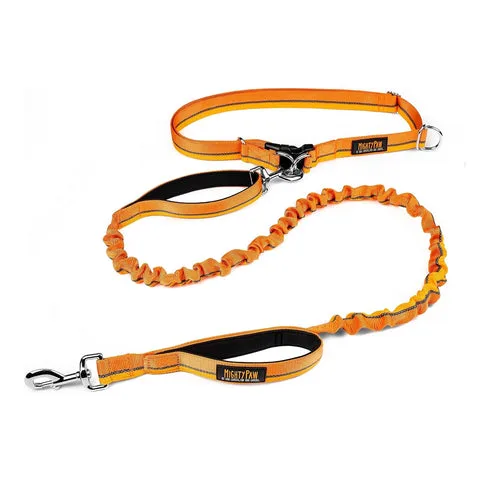
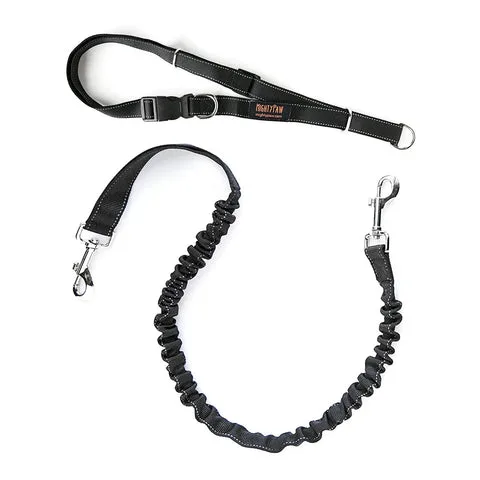
Bungee leashes incorporate an elastic segment that stretches when your dog pulls, absorbing the shock and reducing the impact on both of you. This makes them excellent for strong pullers, especially those that lunge suddenly. The give also encourages a more relaxed walking experience.
However, the bungee material is typically not chew-proof. If your dog chews on the elastic part, it can be damaged quickly. Some bungee leashes combine nylon with a bungee section, so the chew risk depends on the design.
For pullers that don't chew, a bungee leash offers a comfortable compromise between control and give. It's also great for hands-free walking, as the shock absorption minimizes jarring movements.
- Look for a bungee leash with a reflective strip for visibility.
- Check the bungee cord for wear and replace if it loses elasticity.
Comparing Durability and Chew Resistance
When it comes to chew resistance, cable leashes are the clear winner. The steel core is nearly indestructible for most dogs. Nylon and bungee leashes are far more vulnerable to chewing, with bungee being especially susceptible due to the elastic material.
For durability against pulling, nylon and cable both perform well, but bungee adds the benefit of shock absorption. The choice ultimately depends on whether your dog's primary issue is chewing or pulling—or both.
- If your dog is both a chewer and a puller, consider a cable leash with a bungee attachment or a bungee leash with a chew-resistant core.
Comfort and Control: What to Expect from Each Material
Nylon leashes are generally the most comfortable to hold because they are lightweight and flexible. Cable leashes can feel stiff and heavy, especially if they are long. Bungee leashes offer a unique feel—the stretch can be pleasant, but some handlers find it reduces control.
Control is crucial for training and safety. A cable leash provides the most direct connection, while a bungee leash introduces a slight delay in response. Nylon falls in between, offering moderate control with no stretch.
- Test the grip and weight before buying to ensure it feels comfortable for you.
Best Leash for Strong Dogs: Practical Recommendations
For strong pullers, a bungee leash like the https://mightypawerf.com/products/hands-free-bungee-leash-set-2-0-319178Hands-Free Bungee Leash Set 2.0 can transform your walks by absorbing shocks and reducing strain. It's designed for active dogs and offers the flexibility needed for running or hiking.
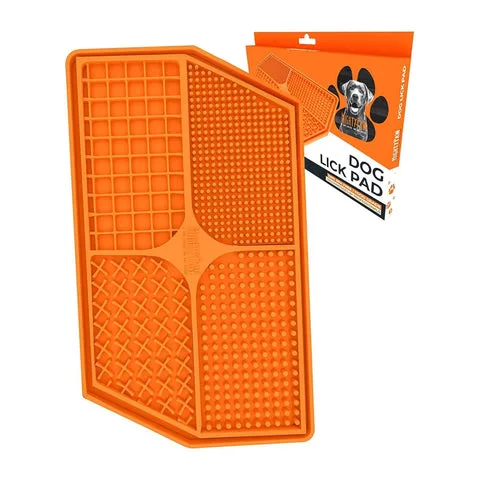
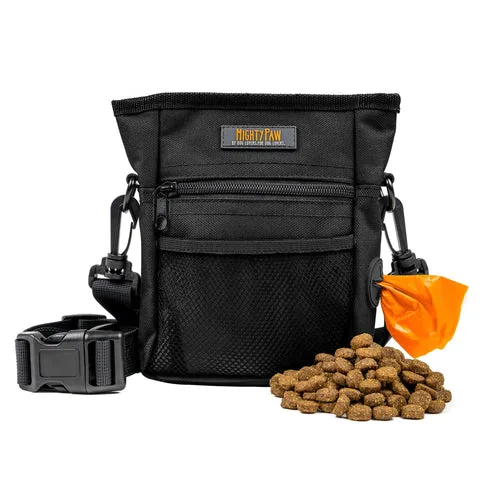
If your dog is a chewer, you might consider a cable leash, but also look into chew-resistant accessories like the Treat Pouch 2.0 to keep treats handy during training. For dogs that need mental stimulation, the Calming Lick Pad can help redirect chewing behavior.
Ultimately, the best leash for your strong dog depends on whether you prioritize chew resistance or shock absorption. Many owners find that a combination—using a cable leash for high-risk situations and a bungee for daily walks—works well.
- Rotate leashes based on activity and environment to extend their lifespan.
In the battle of cable vs nylon vs bungee, there's no single 'best' leash—it all comes down to your dog's specific tendencies. For chewers, cable is the safest bet. For pullers, bungee offers unmatched comfort. And for everyday reliability, nylon remains a solid choice. Assess your dog's habits, consider the environment, and choose a leash that keeps both of you safe and happy on every walk.