Quick Answer
For most everyday walks, nylon offers the best balance of durability, affordability, and easy care. Leather is a classic choice for style and comfort but requires more maintenance. Biothane excels in wet or muddy conditions and is virtually odor-proof. Choose based on your climate, your dog's pulling habits, and how much upkeep you're willing to do.
Choosing the right leash material can make daily walks more comfortable for both you and your dog. With nylon, leather, and biothane as the most common options, each brings distinct trade-offs in durability, comfort, and maintenance. This guide breaks down the key differences to help you decide.
We'll look at how each material performs in real-world conditions, what to expect in terms of longevity, and which dogs benefit most from each type. By the end, you'll know exactly which leash material fits your routine.
Nylon Leashes: The All-Rounder
Nylon is the most popular leash material because it's lightweight, strong, and available in countless colors and patterns. It dries quickly, resists mildew, and is easy to clean—just rinse with water or toss in the washing machine. Nylon webbing also holds up well against chewing for most dogs, though determined chewers may eventually fray it.
For dogs that pull, a nylon leash with shock-absorbing features can reduce strain on your joints and your dog's neck. Look for webbing that's soft yet sturdy, and consider padded handles for extra comfort during long walks. Nylon's main downside is that it can cause friction burns if your dog suddenly lunges, so choose a leash with built-in shock absorption or pair it with a no-pull harness.
- Quick-drying and easy to clean—ideal for rainy days or water-loving dogs.
- Available in a wide range of colors and widths to match your style.
- Look for nylon leashes with shock-absorbing technology to reduce pulling impact.
Leather Leashes: Classic Comfort
Leather leashes are prized for their classic look and natural feel. They're strong, durable, and soften over time, conforming to your hand for a comfortable grip. Leather is also gentle on your dog's fur and less likely to cause friction burns than nylon. However, leather requires regular conditioning to prevent drying and cracking, and it's not ideal for swimming or rainy climates unless treated.
High-quality leather can last for years with proper care, making it a worthwhile investment for style-conscious owners. But it's heavier than nylon and can be stiff when new. If you choose leather, be prepared for periodic cleaning and conditioning to keep it supple. For dogs that pull hard, leather's weight and lack of give can be a drawback—consider a padded or shock-absorbing option instead.
- Develops a comfortable, custom feel over time.
- Requires regular conditioning and protection from moisture.
- Best for casual walks in dry climates, not for water activities.
Biothane Leashes: Modern Toughness
Biothane is a coated webbing material that looks like leather but behaves like rubber. It's waterproof, odor-resistant, and incredibly easy to clean—just wipe it down. Biothane doesn't absorb water, so it won't get heavy or smelly after a swim, and it's resistant to mildew and bacteria. This makes it a top choice for active dogs who love water or mud.
The main trade-off is that biothane can be stiffer than nylon and may have less give, which some dogs find less comfortable against their fur. However, many biothane leashes feature a soft underside or are paired with shock-absorbing components to improve comfort. It's also highly durable, resisting chewing and abrasion better than nylon. If you need a low-maintenance leash for outdoor adventures, biothane is hard to beat.
- Waterproof and wipe-clean—perfect for beach, lake, or rainy walks.
- Resists odors, mildew, and bacteria, ideal for active dogs.
- May feel stiffer than nylon; look for padded or shock-absorbing designs.
Comparing Durability and Maintenance
Durability varies by material and quality. Nylon can last years but may fray with heavy chewing. Leather, when cared for, can last a lifetime but is susceptible to water damage. Biothane is extremely durable and low-maintenance, surviving harsh conditions without degrading. In terms of maintenance, nylon and biothane are easiest—just rinse or wipe. Leather demands more attention, including conditioning and keeping it dry.
Your choice should also factor in your dog's size and pulling strength. For large, strong pullers, a thicker nylon or biothane leash with shock absorption offers better control and reduces joint strain. For small or calm dogs, any material works, but comfort and weight become more important. Always match the leash's width and hardware to your dog's size for safety.
- Nylon: easy care, moderate durability; replace if frayed.
- Leather: long-lasting with care; not for wet conditions.
- Biothane: highest durability and easiest maintenance; ideal for rugged use.
Material Trade-offs at a Glance
- Nylon: Lightweight, quick-drying, and affordable. Can cause friction burns on sudden pulls unless padded or shock-absorbing. Best all-rounder for most dogs; choose a shock-absorbing design for pullers.
- Leather: Classic, comfortable, and durable when conditioned. Requires regular maintenance and is not water-friendly. Great for style-conscious owners in dry climates; invest time in care.
- Biothane: Waterproof, odor-resistant, and wipe-clean. Stiffer than nylon and may need a soft underside for comfort. Ideal for water-loving or muddy dogs; minimal upkeep.
EzyDog Leash Innovations
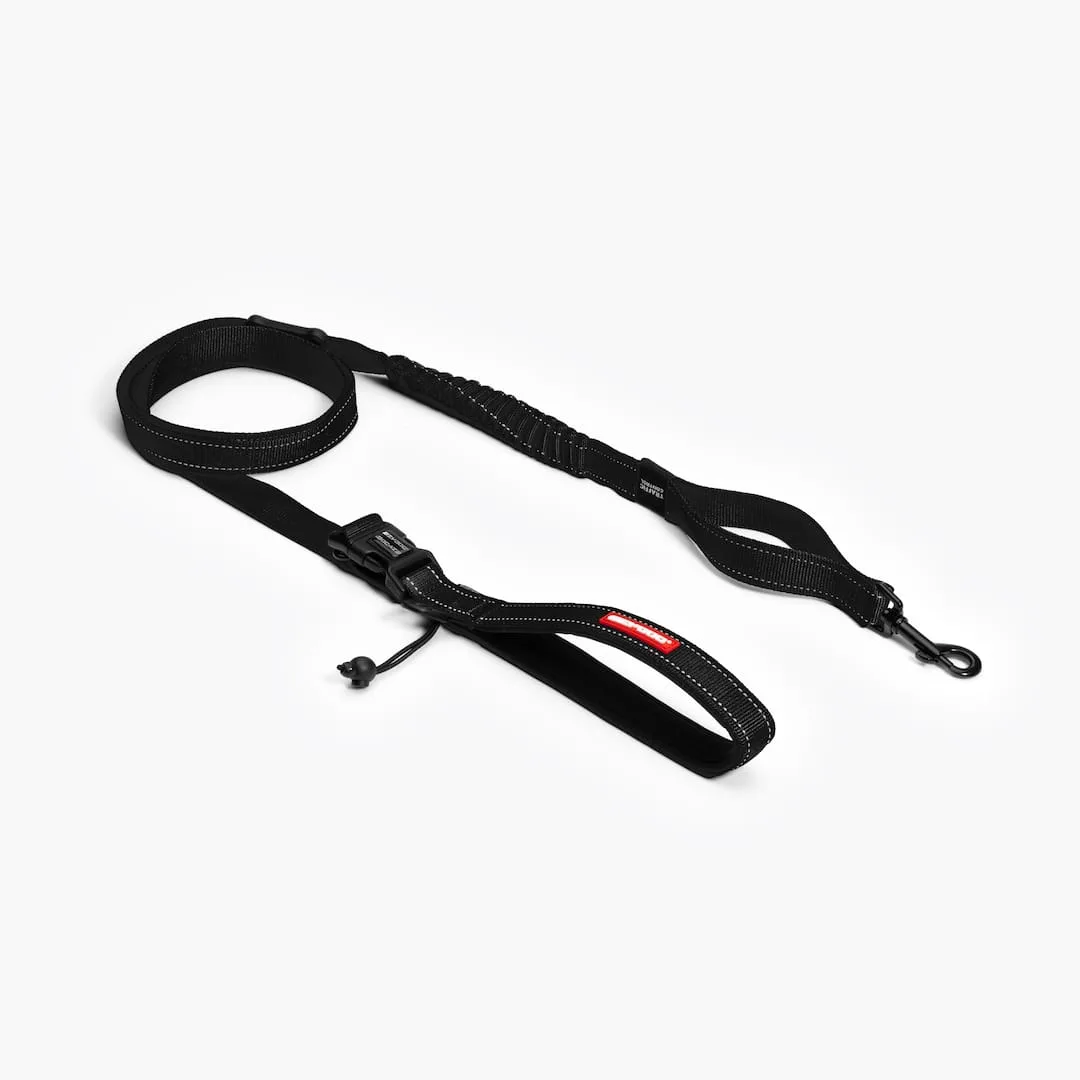
- Road Runner™ Leash: This 7-foot adjustable leash clips securely around your waist or shoulder, giving you full control while keeping your hands free. Designed with strong, durable materials and Zero Shock™ technology, it cushions pulling force to protect both you and your dog’s joints. If you prefer a nylon-style hands-free leash for running or hiking, the Road Runner™ Leash combines the durability of nylon with shock absorption to reduce strain on both of you.
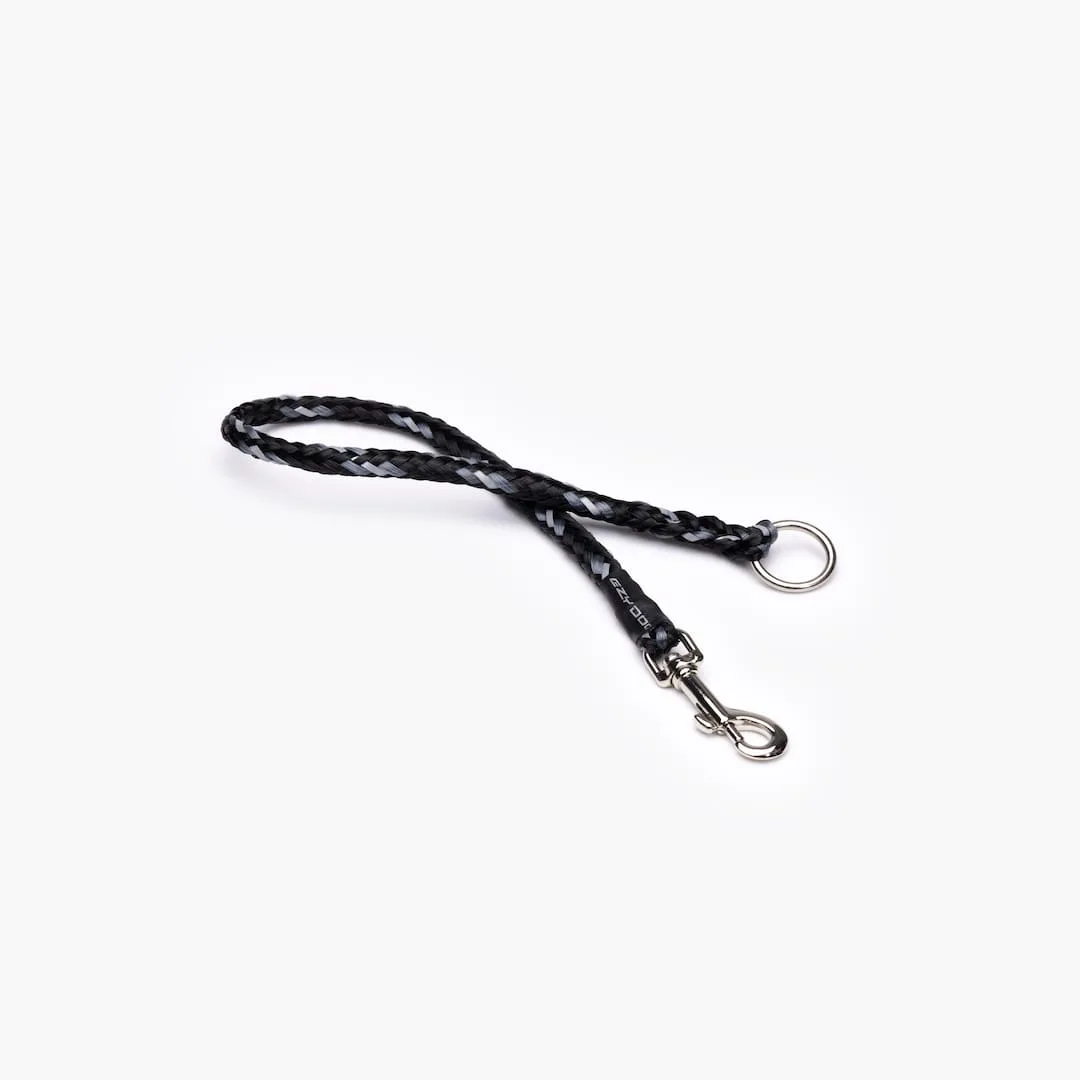
- Zero Shock™ Couplers: Zero Shock Technology cushions and eases the pressure for both the owner and dog. Proprietary Super Soft Webbing, 24" Length, Tangle-Free Traffic Handle, 3/4" Width Webbing. For dogs that pull, adding a Zero Shock™ Coupler to your leash setup can minimize jerks, making walks more comfortable—especially with a nylon or biothane leash that lacks built-in give.
Which Leash Material Fits Your Dog?
Best For
- Nylon: everyday walks in varied weather, especially for active dogs that need a lightweight, easy-care leash.
- Biothane: dogs that love swimming, hiking in wet conditions, or owners who want zero-maintenance gear.
Not For
- Leather: not for dogs that swim regularly or owners who prefer minimal upkeep.
- Nylon: not for heavy chewers who might fray the webbing quickly.
Ultimately, the best leash material depends on your lifestyle and your dog's needs. Nylon offers a great balance of cost, comfort, and convenience. Leather brings timeless style for those willing to maintain it. Biothane stands out for its rugged, low-maintenance performance in any weather. Consider your typical walking environment and your dog's behavior to make the right choice.