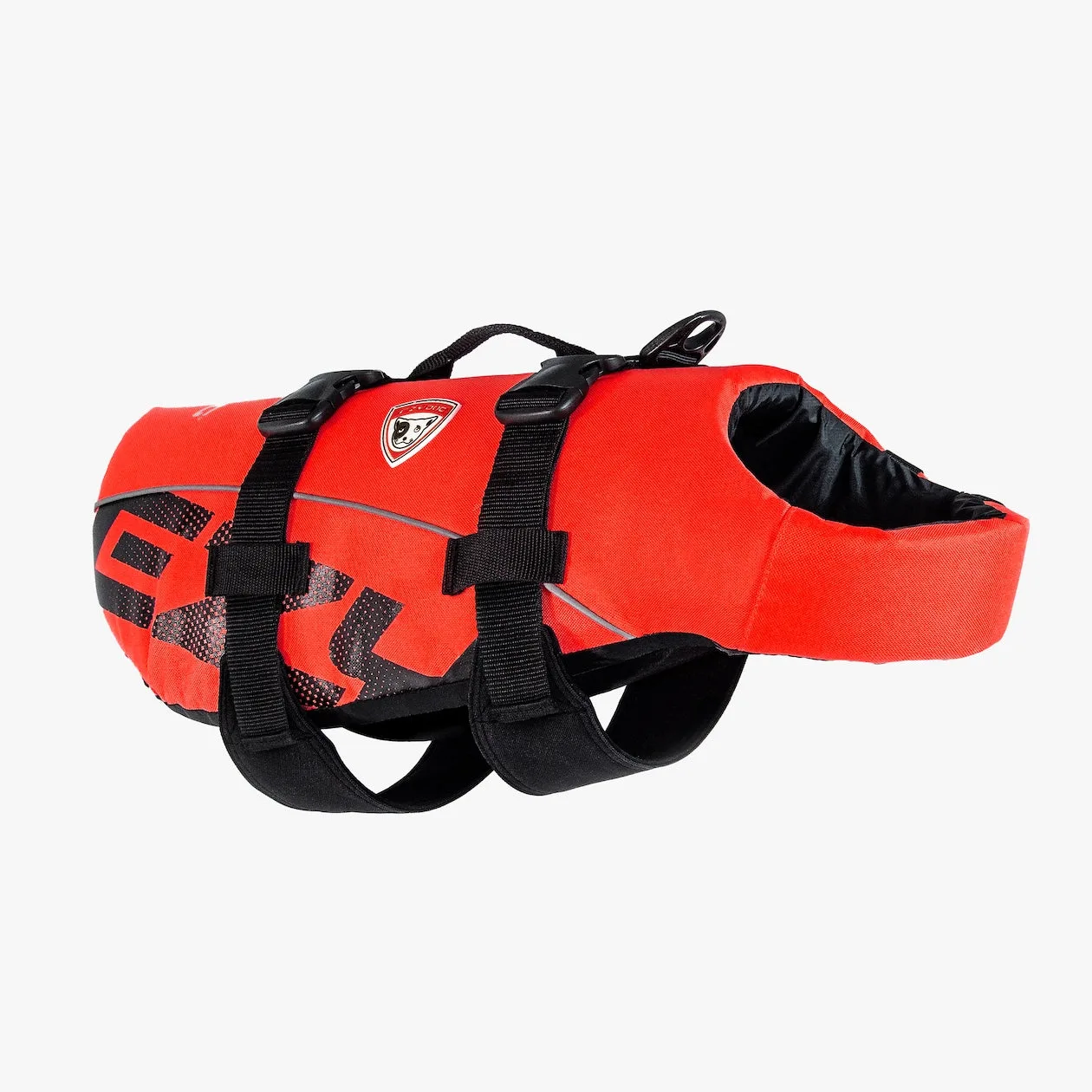
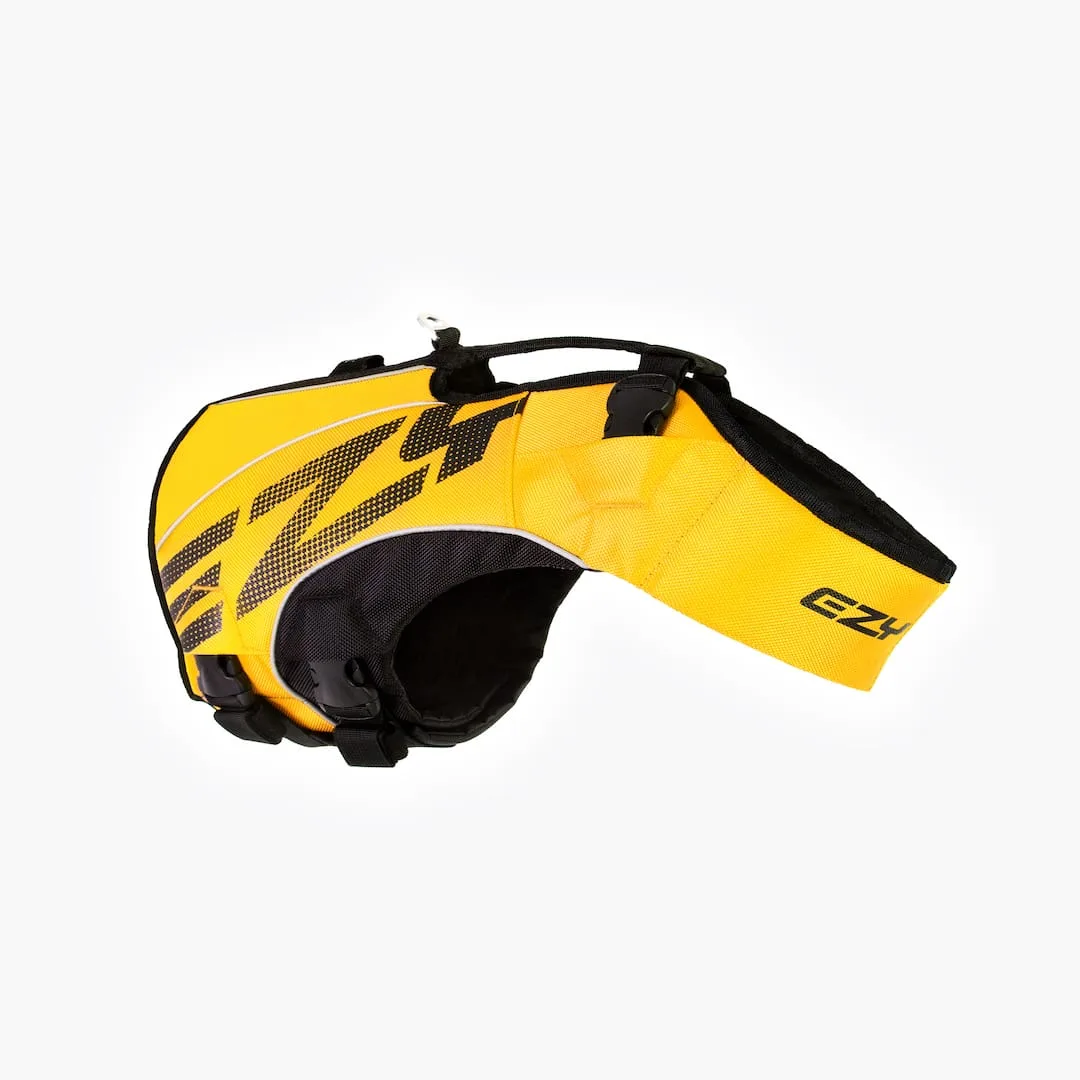
A dog life jacket is a vital piece of safety gear for swimming, boating, or any water adventure. But like any equipment, it needs regular care to stay effective and comfortable. Without proper maintenance, salt, chlorine, sand, and mildew can degrade the fabric, weaken the flotation material, and cause irritation for your pup. In this guide, we'll walk you through simple cleaning and storage steps to keep your dog's life jacket in top condition for many seasons to come.
Whether you've just returned from a beach day or are packing for a kayaking trip, knowing how to rinse, dry, and store your life jacket properly makes a big difference. We'll also share tips on inspecting the gear and what to do with accessories like the EzyDog Cooler Bag that often accompany water outings. By the end, you'll have a clear routine to extend the life of your investment and ensure your furry friend stays safe and happy on the water.
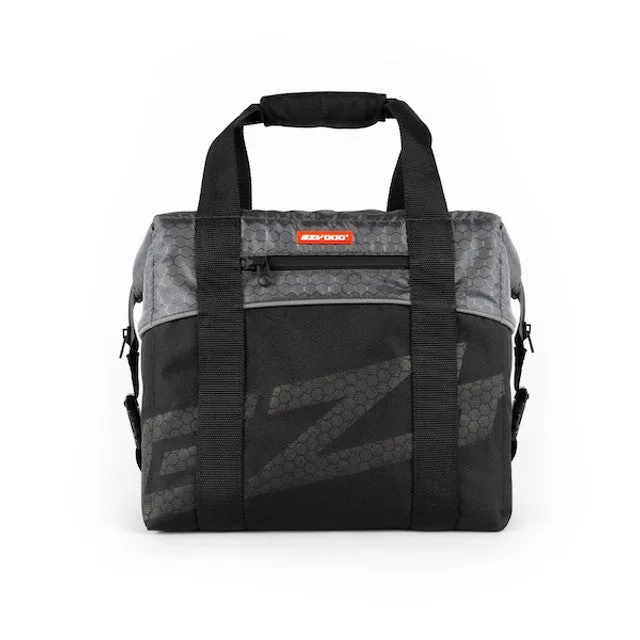
EzyDog Cooler Bag
Why Regular Life Jacket Care Matters
Your dog's life jacket is more than just a piece of fabric—it's a flotation device that can save lives. The buoyant material inside, often closed-cell foam, is durable but can be affected by prolonged exposure to harsh elements. Saltwater can leave corrosive residue, chlorine can weaken fibers, and sand can cause abrasion. Over time, these factors can reduce the jacket's buoyancy and comfort.
Regular care also prevents the buildup of bacteria and mildew, which can cause unpleasant odors and skin issues for your dog. Since life jackets are often worn directly against the fur, keeping them clean is essential for your pet's health. Plus, a well-maintained jacket lasts longer, saving you money and ensuring you're always ready for the next adventure.
- Inspect the jacket after every use for tears, loose straps, or damaged buckles.
- Check the fit regularly, especially if your dog is still growing or has changed weight.
Step-by-Step Cleaning Guide for Dog Life Jackets
Cleaning your dog's life jacket is a straightforward process that can be done after every outing or at least once a month during the season. Start by removing any detachable accessories, such as the Front Clip Harness or the ClickTM Adjustable Car Restraint if you've used them together. Shake off loose dirt and sand, then rinse the jacket with fresh water to remove surface debris and salt.
For a deeper clean, fill a bucket or sink with lukewarm water and add a mild detergent that's safe for pets. Submerge the jacket and gently scrub with a soft brush or cloth, paying extra attention to areas that touch your dog's skin. Avoid harsh chemicals, bleach, or fabric softeners, as they can damage the material. Rinse thoroughly until all soap is gone, and never machine wash or dry, as the agitation can break down the flotation foam.
- Use a pet-safe detergent to avoid skin irritation.
- For stubborn stains, make a paste of baking soda and water and gently rub it in.
Drying Your Life Jacket Properly
Proper drying is just as important as cleaning. After rinsing, gently squeeze out excess water without wringing or twisting the jacket. Lay it flat on a clean towel in a well-ventilated area, away from direct sunlight. Sunlight can cause fading and weaken the fabric over time, so a shaded, airy spot is ideal.
Ensure the jacket is completely dry before storing it to prevent mildew. This may take 24 to 48 hours depending on the climate. If you're in a hurry, you can use a fan to speed up the process, but avoid using a dryer or heater, as high heat can damage the flotation material. Once dry, give it a final inspection to ensure no moisture remains in the seams or straps.
- Hang the jacket on a plastic hanger to allow air circulation, but avoid metal hangers that may rust.
- If you're storing it for the off-season, make sure it's 100% dry before putting it away.
Smart Storage Solutions for Dog Life Jackets
Where and how you store your life jacket affects its longevity. The ideal location is a cool, dry place away from direct sunlight and extreme temperatures. Avoid storing it in a damp basement or a hot garage, as these environments can promote mildew or degrade the foam. A closet shelf or a dedicated gear bin works well.
To keep your life jacket in shape, avoid folding it tightly or placing heavy items on top. Instead, hang it or lay it flat. If you have multiple pieces of dog swimming gear, consider using a storage container with ventilation. You can also use a mesh bag to allow airflow while keeping everything together. This is also a great time to check other water-related accessories, like the EzyDog Cooler Bag, to ensure they're clean and ready for the next trip.
- Use a mesh laundry bag for storage to keep the jacket visible and ventilated.
- Label your storage bin with the size and type of life jacket for easy access.
Maintaining Your Life Jacket for Long-Term Use
Beyond cleaning and storage, regular maintenance is key to ensuring your life jacket remains effective. Check the buoyancy material for any signs of compression or damage. If the foam feels hard or cracked, or if the outer shell is torn, it may be time to replace the jacket. Also, examine the straps and buckles for rust or wear, as these are critical for a secure fit.
Reapply any water-repellent treatments if the manufacturer recommends it, but always follow the care instructions. For added comfort, you can pair the life jacket with a well-fitted harness like the FORMFIT® Mesh Harness for better control during water activities. Remember, a life jacket is a safety device—if it shows signs of significant wear, don't risk it. Invest in a new one to keep your furry friend safe.
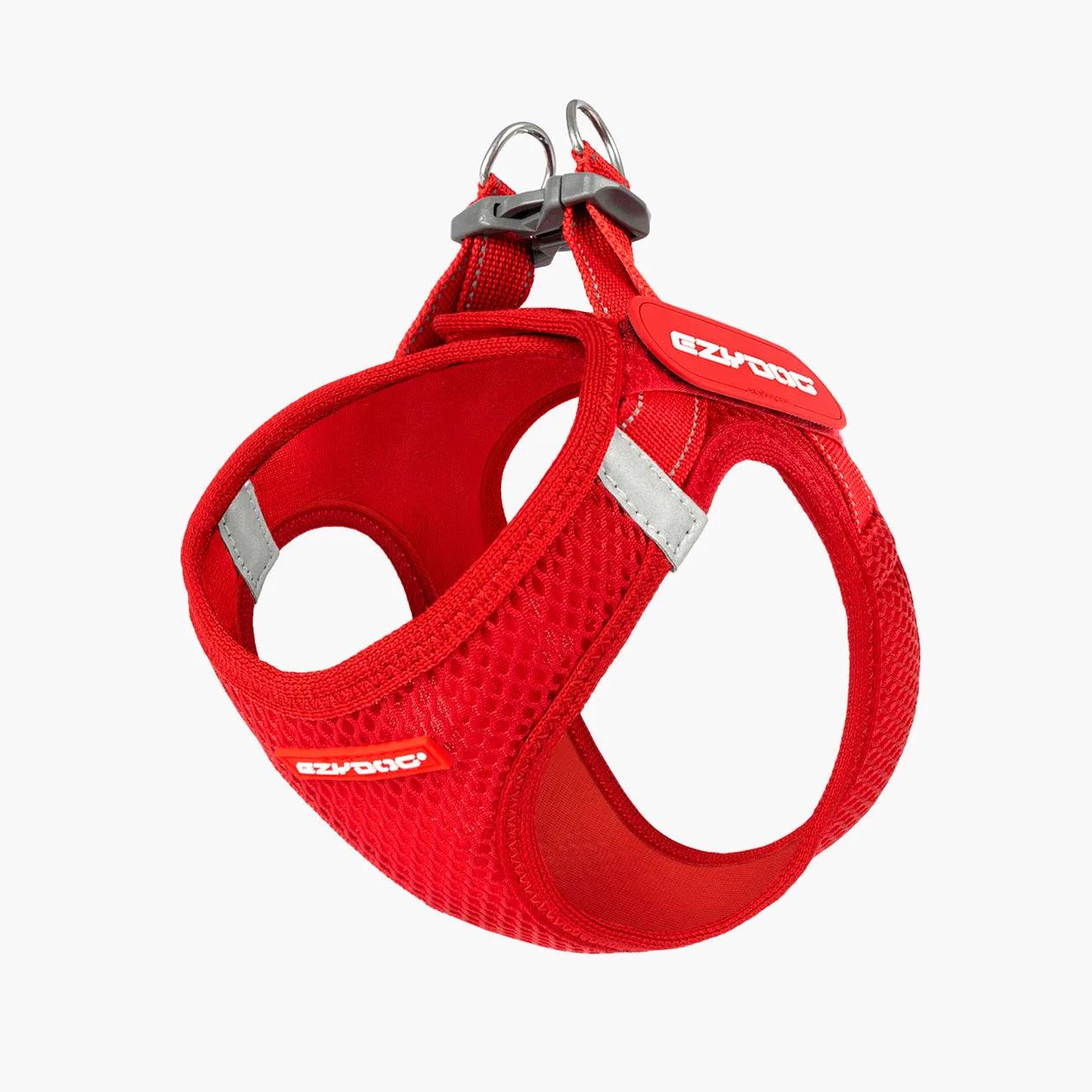
FORMFIT® Mesh Harness
- Test the fit by lifting the jacket at the shoulders; it should stay snug but not too tight.
- Keep a record of when you purchased the jacket and replace it every few years or per manufacturer guidelines.
Caring for your dog's life jacket doesn't have to be a chore. With a simple rinse, proper drying, and smart storage, you can keep it clean, safe, and ready for every adventure. Regular maintenance not only extends the life of your gear but also ensures your pup stays comfortable and protected on the water. So, after your next swim, take a few minutes to care for your life jacket—it's a small effort that pays off in safety and longevity.