Quick answer
Rinse your dog's life jacket in fresh water immediately after every swim, gently squeeze out excess water, and air-dry it flat or hanging in the shade. Never put it in a dryer or leave it damp in a bag. Once fully dry, store it loosely on a hook or shelf away from direct sun and heat.
Why pool and salt water need different attention
Chlorine and salt both leave residues that can stiffen webbing and weaken foam over time, but they behave differently. Chlorine is water-soluble and rinses away easily with a thorough soak. Salt crystals can stay trapped in seams and foam cells, so saltwater gear benefits from a longer rinse and a second soak in clean water. If your dog swam in a lake or pond, check for mud, algae, or tiny debris in the seams before rinsing; those particles can abrade the fabric when you squeeze the jacket.
What to check while the jacket is still wet
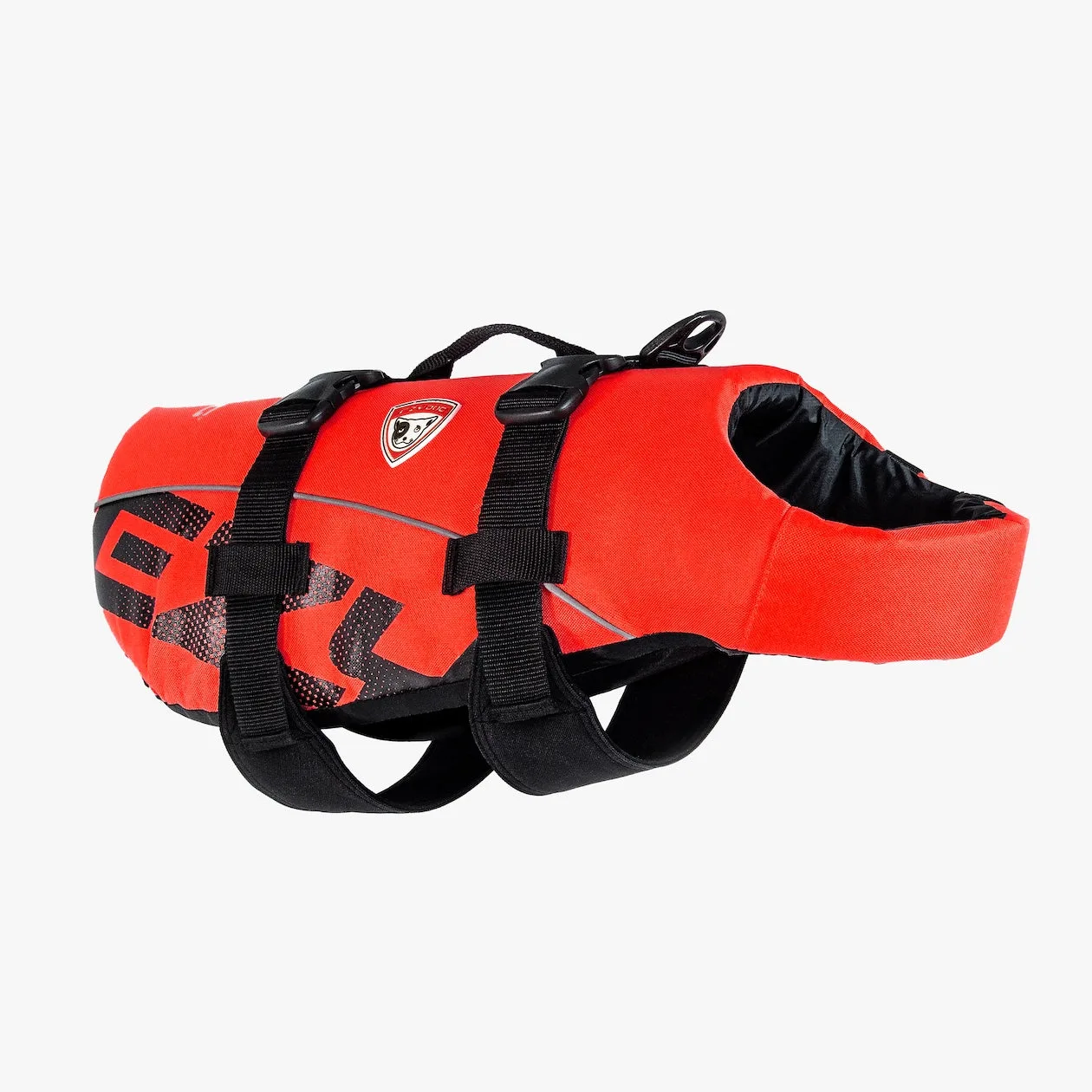
Wet gear reveals problems that are easy to miss when dry. Run your fingers along the webbing and seams to feel for grit, fraying, or loose stitching. Check the D-ring and buckles for sand or hair caught in the mechanism. This is also the best time to notice if the foam feels uneven or compressed; if a panel stays flat after squeezing, the jacket may have lost buoyancy and should be replaced rather than stored for next season.
Drying positions that protect the foam
Foam panels hold water longer than the outer fabric, so a jacket that feels dry on the surface can still be damp inside. Hang the jacket by its grab handle or lay it flat on a drying rack with the foam panels spread out. Avoid hanging it by a strap or buckle, which can stretch the webbing. If you dry it outdoors, keep it in the shade; direct sun can fade colors and degrade the fabric over many seasons. A small fan in a well-ventilated room speeds up drying without heat.
Post-swim care steps
- Rinse with fresh water: Fill a bucket or tub with cool fresh water and submerge the jacket. Gently work the water through the foam panels and webbing with your hands. If the jacket was in chlorinated or salt water, rinse twice. Common mistake: using hot water, which can break down foam and adhesives.
- Squeeze, don't wring: Press the jacket between your palms or against the side of the tub to push out excess water. Do not twist or wring it, as that can crush foam cells and distort the shape. Checkpoint: the jacket should feel heavy but not dripping when you're done.
- Air-dry in the shade: Lay the jacket flat on a rack or hang it by the grab handle in a shaded, ventilated spot. Leave it until the foam feels completely dry to the touch, which can take 24 hours or more in humid weather. Common mistake: drying in direct sun or a hot car, which fades fabric and weakens foam.
- Store loosely: Once fully dry, hang the jacket on a wide hook or place it on a shelf. Avoid folding it tightly or stacking heavy items on top, which can create permanent creases in the foam. Checkpoint: store away from damp basements and direct sunlight.
- Spot-clean between swims: For mud or odors, hand-wash with a mild soap and rinse thoroughly. Never use bleach, fabric softener, or a washing machine, which can damage buoyancy materials and hardware. If the jacket still smells musty after drying, repeat the rinse and dry cycle before storing.
Gear that benefits from this routine
- DFD™ Life Jacket: The DFDTM Life Jacket uses ultra-buoyant foam, adjustable neoprene straps, a grab handle, reflective trim, and a heavy-duty D-ring. The foam and neoprene are the parts most affected by chlorine, salt, and heat, so rinsing and shade-drying directly protect the jacket's flotation and fit.
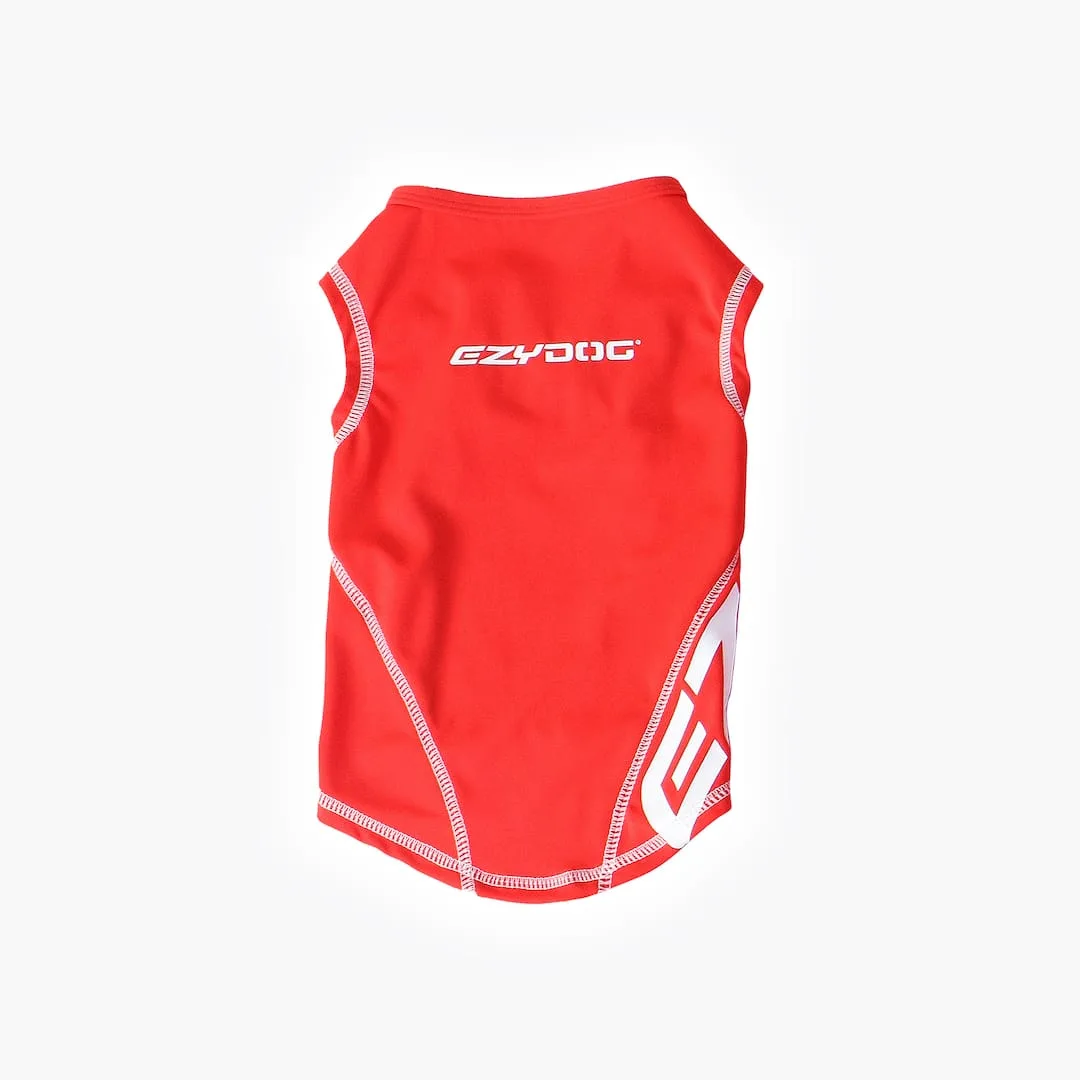
- Dog Rashie Shirt: The Dog Rashie Shirt is a protective shirt originally worn by surfers as protection against sunburn and heat rash while in the water. If your dog wears a rash guard under or instead of a life jacket, it also needs a fresh-water rinse and air-dry after every swim to keep the fabric comfortable and odor-free.