Quick answer
A well-fitted dog life jacket should be snug enough that you can slide two fingers under each strap, but not so tight that it pinches or restricts breathing. It should not rotate, slide up the neck, or lift over the shoulders when you pull the handle gently. If it does any of those things, adjust the straps first; if the jacket still won't stay put, you likely need a different size or a model with a different cut.
Signs your dog's life jacket is too loose
A loose life jacket is more than a comfort issue. When the jacket shifts, the flotation panels move away from the dog's chest and ribcage, which reduces the buoyancy support exactly where it's needed. You'll often see the jacket slide toward the dog's head when they swim, or the back panel bunch up behind the shoulders.
Watch for these specific signs: the jacket rotates around the body when the dog shakes, the neck opening gapes enough that a hand slips in easily, or the handle pulls the whole jacket up rather than lifting the dog slightly. A jacket that slips off a dog in the water is a serious safety problem, not just an annoyance.
- Jacket rotates or twists when the dog moves
- Neck opening gaps more than two fingers
- Back panel lifts away from the spine when you pull the handle
- Straps hang loose after a few minutes of swimming
- Dog can step out of the jacket without unclipping it
Signs your dog's life jacket is too tight
An overly tight jacket can restrict breathing, rub the skin raw, or cause the dog to refuse to move. Because dogs can't tell you where it pinches, you have to check physically. Run your fingers under every strap and along the chest panel. If the strap leaves a deep groove in the fur or the skin feels hot or bunched, it's too tight.
Pay attention to the neck opening especially. If the dog pants heavily, coughs, or tries to paw at the jacket within a minute of wearing it, loosen the neck strap first. A jacket that's too tight around the chest can also make it harder for the dog to take full breaths while swimming, which defeats the purpose of the gear.
- Strap leaves a visible indentation in the fur or skin
- Dog pants, coughs, or paws at the jacket immediately
- You can't fit two fingers under any strap
- Skin feels hot, red, or rubbed after a short wear
- Dog moves stiffly or refuses to walk or swim
How to check fit in under two minutes
Put the jacket on a dry dog first, before you get near water. Fasten all buckles and tighten straps so they're snug but not compressed. Then do three checks: the two-finger test under each strap, a gentle lift using the handle to see if the jacket stays put, and a short walk or jog to watch for rotation or rubbing.
Once the dog is in the water, watch how the jacket behaves during swimming and when they climb out. A jacket that only shifts slightly when wet is usually fine; one that slides up the neck or exposes the shoulders needs adjustment. If you've tightened everything and it still moves, the size is wrong for your dog's body shape.
Fit diagnosis: symptom, cause, and what to do
- Jacket slides up toward the neck: The chest or belly straps are too loose, or the jacket is too large for the dog's girth. Tighten the chest strap first, then the belly strap. If the neck opening still gaps, the size is wrong. If tightening doesn't stop the slide, size down or try a model with a different chest cut.
- Jacket rotates around the body: This usually means the side straps aren't evenly tensioned or the jacket is too wide for the dog's ribcage. Re-tighten both sides equally and check that the back panel sits centered on the spine. Persistent rotation after re-adjusting means the jacket's shape doesn't match your dog's build.
- Dog seems uncomfortable or refuses to move: The jacket is likely too tight somewhere, most often the neck or chest. Loosen the neck strap first, then the chest strap, and re-check with the two-finger test. Look for rubbing or hot spots. If the dog still resists after loosening, the jacket may be the wrong size or style for their sensitivity level.
- Jacket fits but the dog still struggles in water: Fit isn't the only factor. Buoyancy, the dog's swimming ability, and water conditions all matter. A properly fitted jacket supports but doesn't replace supervision or swimming skill. If the dog panics even with a good fit, keep sessions short, shallow, and supervised, or consider whether a different flotation design suits them better.
Fit-relevant details from our catalog
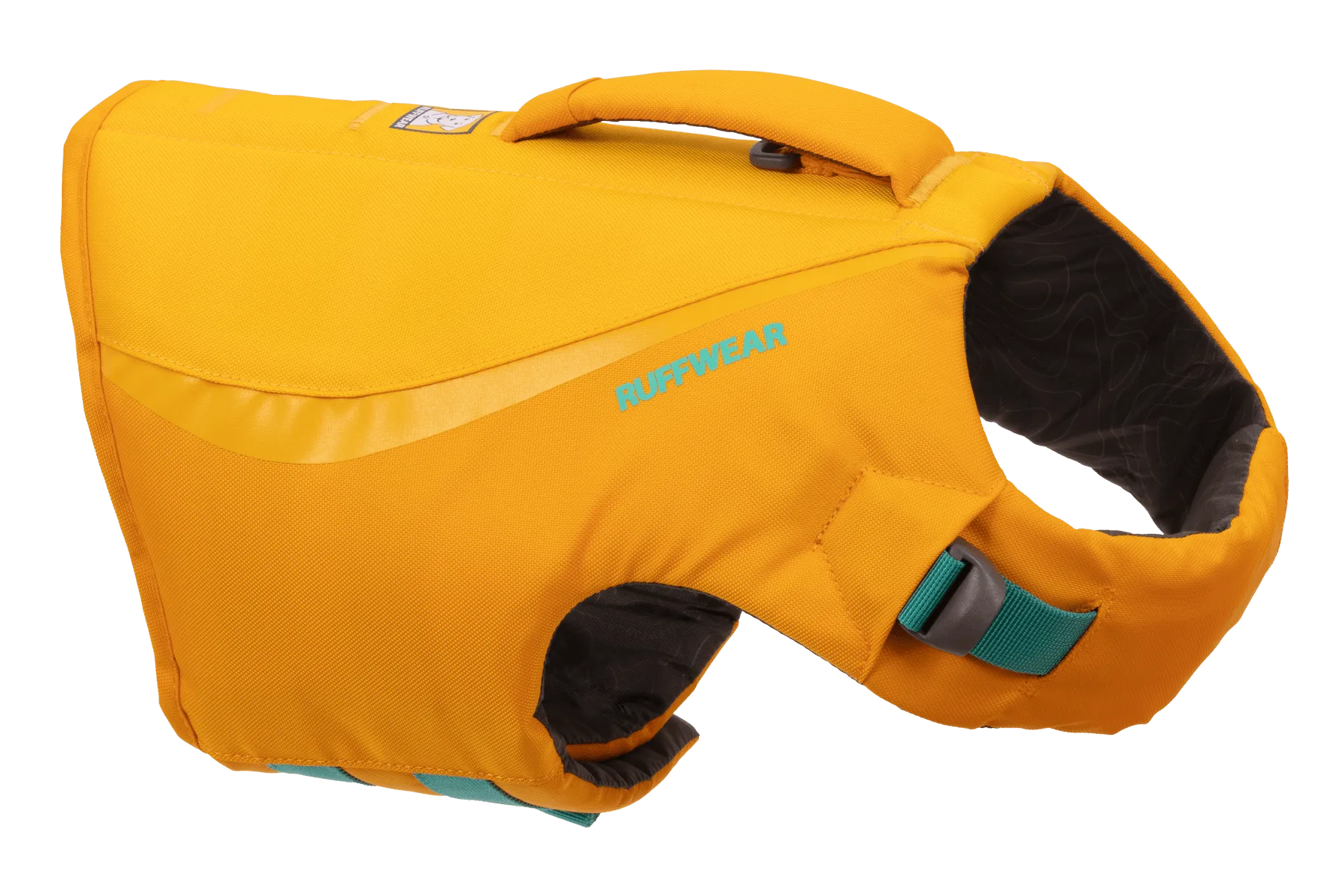
- Float Coat™ Dog Life Jacket: The Float Coat Life Jacket is designed to support a dog's natural swimming motion while providing optimal buoyancy without restricting mobility, and it includes a strong, reinforced handle for helping dogs out of the water. A jacket that supports natural movement is less likely to cause the dog to fight the fit. The reinforced handle also gives you a safe way to test whether the jacket lifts cleanly without rotating.
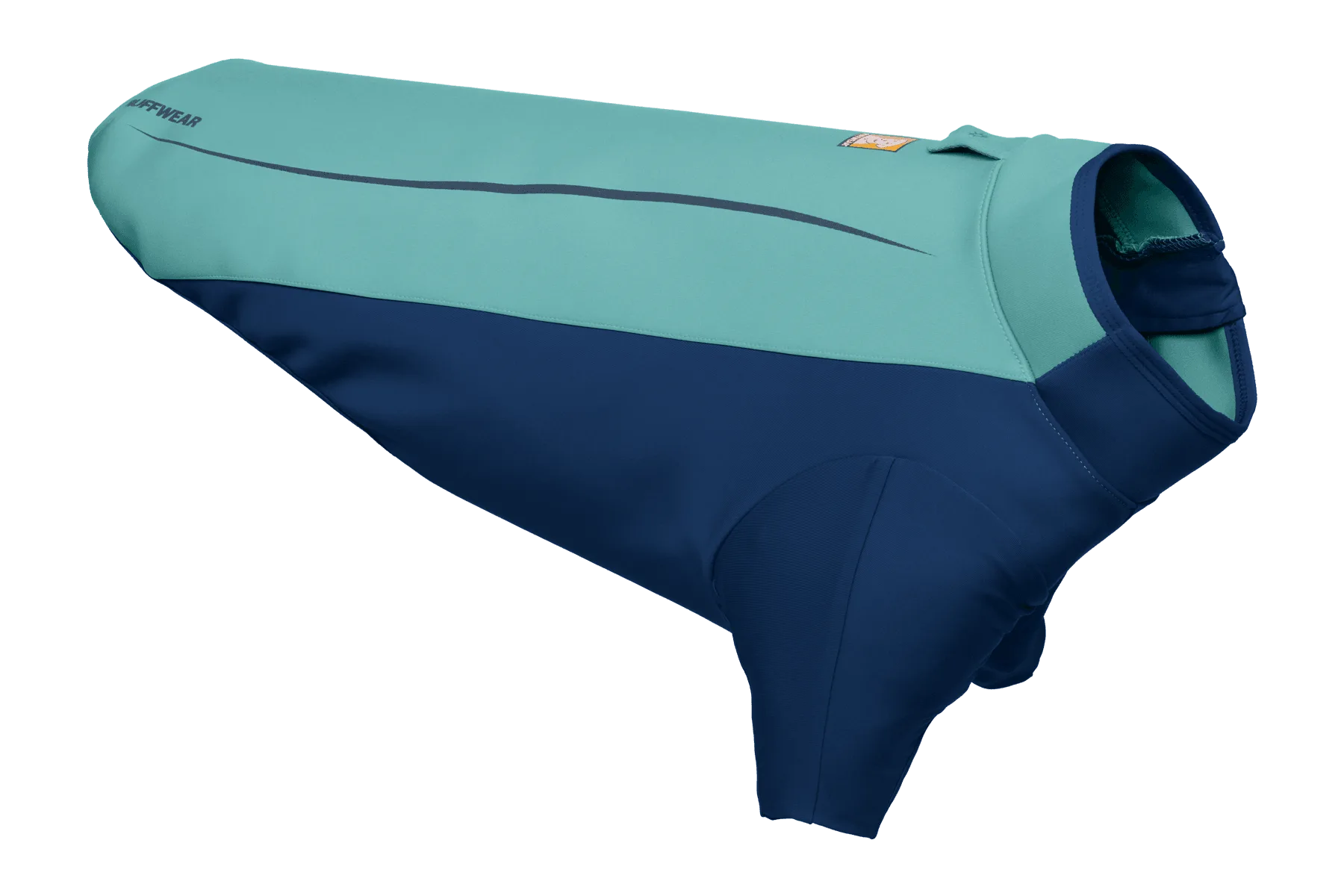
- Undercoat™ Dog Water Jacket: The Undercoat Water Jacket uses formfitting laminated neoprene that stretches and moves with dogs, and it's designed for warmth in cold, wet conditions rather than as a flotation device. If your dog gets cold when wet but doesn't need buoyancy, this jacket's snug, stretchy fit is different from a PFD. Don't expect it to keep a non-swimming dog afloat.