Quick answer
Muzzles are not inherently cruel. A properly fitted muzzle lets a dog pant, drink, and take treats while preventing bites, which protects both the dog and the people around it. The real problem is not the muzzle itself but poor fit or skipping gradual training. Choose a basket-style muzzle for training and everyday use, and introduce it slowly with high-value rewards.
Why the "muzzles are cruel" myth persists
The idea that muzzles are cruel often comes from seeing dogs in poorly fitted or worn-out muzzles that restrict panting or rub the face. A muzzle that is too small or made of heavy material can cause discomfort, but that is a fit and quality issue, not a reason to avoid muzzles altogether. When a muzzle is sized correctly and introduced gradually, most dogs learn to wear it without stress. In fact, many veterinary behaviorists and trainers consider a well-fitted basket muzzle a welfare tool because it allows a dog to remain in public or in a training session safely instead of being isolated.
Basket muzzle vs. soft muzzle: what actually matters
A basket muzzle has a cage-like front that gives a dog room to open its mouth, pant, and drink. A soft muzzle, often made of fabric or nylon, holds the mouth closed and is meant only for very short procedures like nail trims or vet exams. Using a soft muzzle for long periods or during exercise is unsafe because it prevents normal cooling. For training, walks, or any situation where the dog needs to pant, a basket muzzle is the better choice. If you only need a quick, temporary restraint for a groomer or vet, a soft muzzle can work, but it should never replace a basket muzzle for daily management.
How to introduce a muzzle without causing fear
Start by showing the muzzle without putting it on. Let your dog sniff it, then feed a treat through the front opening. Repeat this for a few days until your dog happily puts its nose near the muzzle. Next, hold the muzzle with a treat inside and let your dog push its nose in to get the treat, then remove it immediately. Gradually increase the time the muzzle stays on, always pairing it with high-value food like cheese or chicken. Practice in short sessions, and never force the muzzle on or chase your dog with it. If your dog backs away, you moved too fast. Go back to an easier step and rebuild positive associations.
When a muzzle is the right tool
Muzzles are useful in several situations: dogs who are reactive or fearful around other dogs or people, dogs who eat things off the ground that could be dangerous, and dogs who need to be handled by veterinarians or groomers without risk of biting. They are also required in some sports and working dog contexts. A muzzle does not replace training or behavior modification, but it can keep everyone safe while you work on the underlying issue. If you are unsure whether your dog needs a muzzle, consult a certified trainer or veterinary behaviorist.
Muzzle myth verdicts
- Myth: Muzzles are cruel.: A properly fitted basket muzzle allows a dog to pant, drink, and eat treats. Cruelty comes from poor fit or forced use, not from the tool itself. Verdict: False. Choose a basket muzzle and train gradually.
- Myth: A soft muzzle is fine for walks.: Soft muzzles hold the mouth closed and prevent panting, which can lead to overheating. They are only for short, supervised procedures. Verdict: False. Use a basket muzzle for any activity where your dog needs to breathe freely.
- Myth: Muzzles make dogs more aggressive.: Muzzles do not change a dog's temperament. They prevent bites, which can reduce the risk of incidents and help a dog stay calm in public. Verdict: False. A muzzle is a management tool, not a cause of aggression.
Product facts
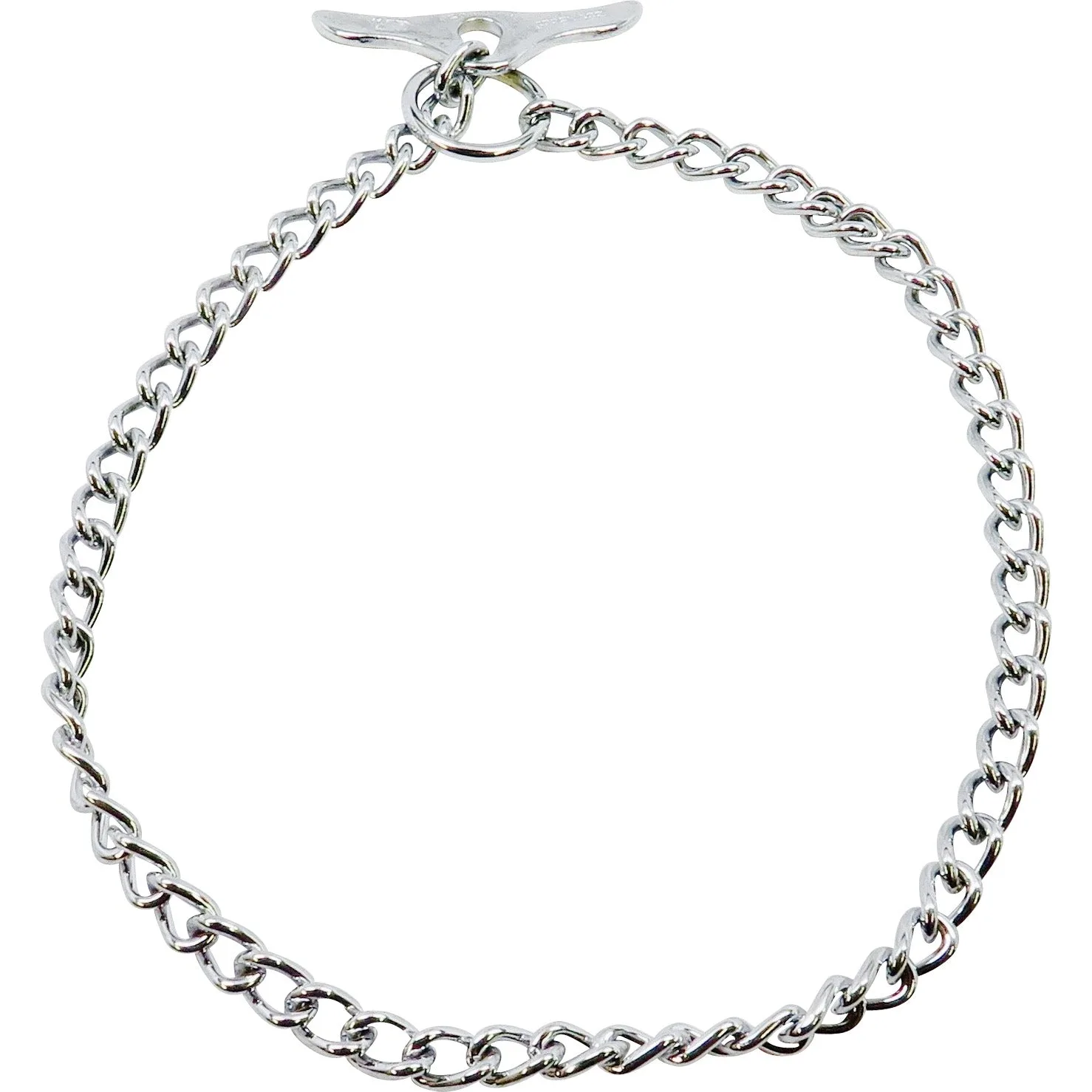
- Herm Sprenger Toggle Chain: Herm Sprenger Toggle Chain is a chrome-plated steel chain designed to fit around the dog's neck instead of going over the head. Sizes range from 16 inches (2.0mm) to 24 inches (3.0mm), and neck size should be approximately 1-1.5 inches less than the collar size. If you use a collar or chain with a muzzle, the toggle chain can be sized for a secure fit without slipping over the head, which is helpful for dogs who are head-shy.
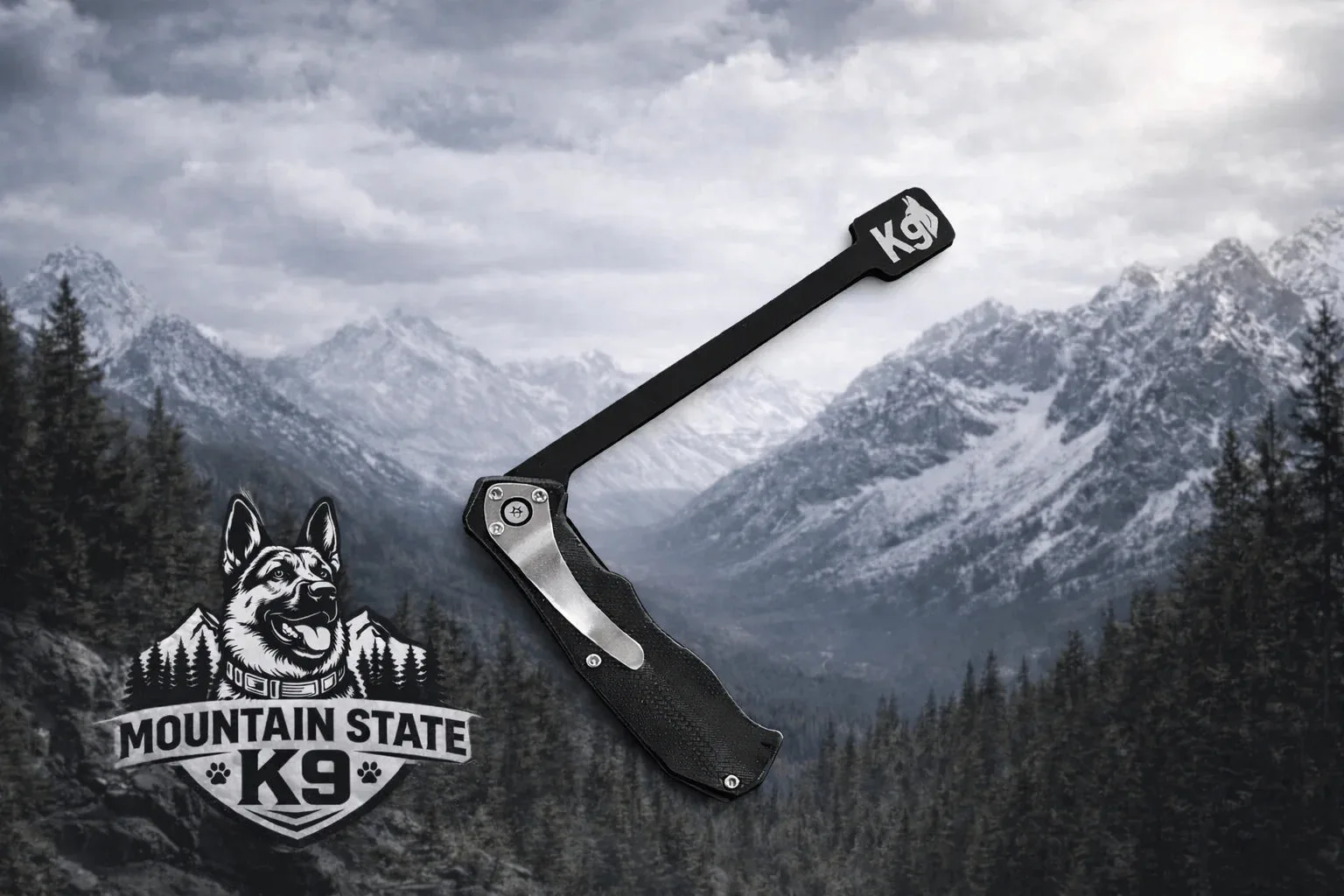
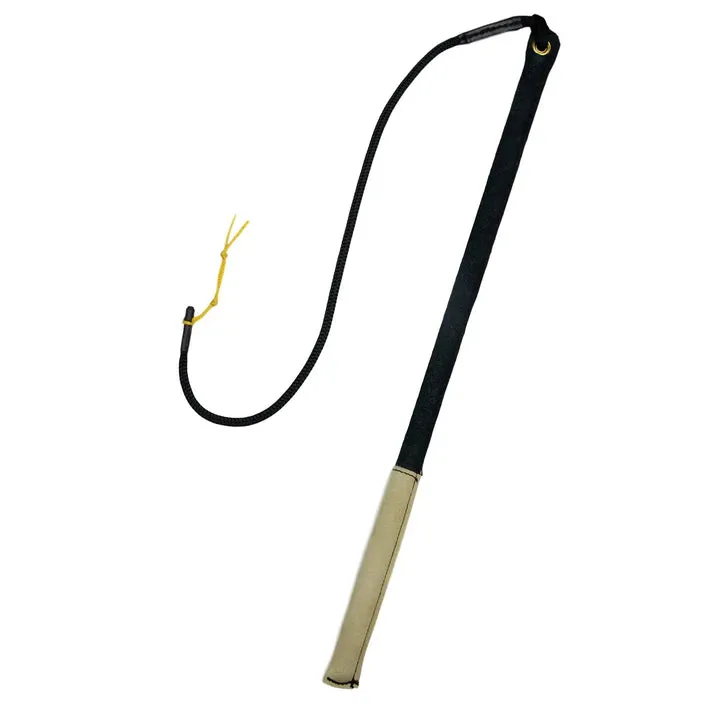
- K9 Breaker Bar or Outstick by Mountain State K9: K9 Breaker Bar or Outstick by Mountain State K9 is a field-ready tool designed for professional K9 handlers, trainers, and working dog teams to safely disengage a dog during high-drive bite work scenarios. It provides leverage and control in training, sport, and operational environments. For working dog handlers using muzzles in bite work, an outstick adds a layer of safety and control during intense training sessions.
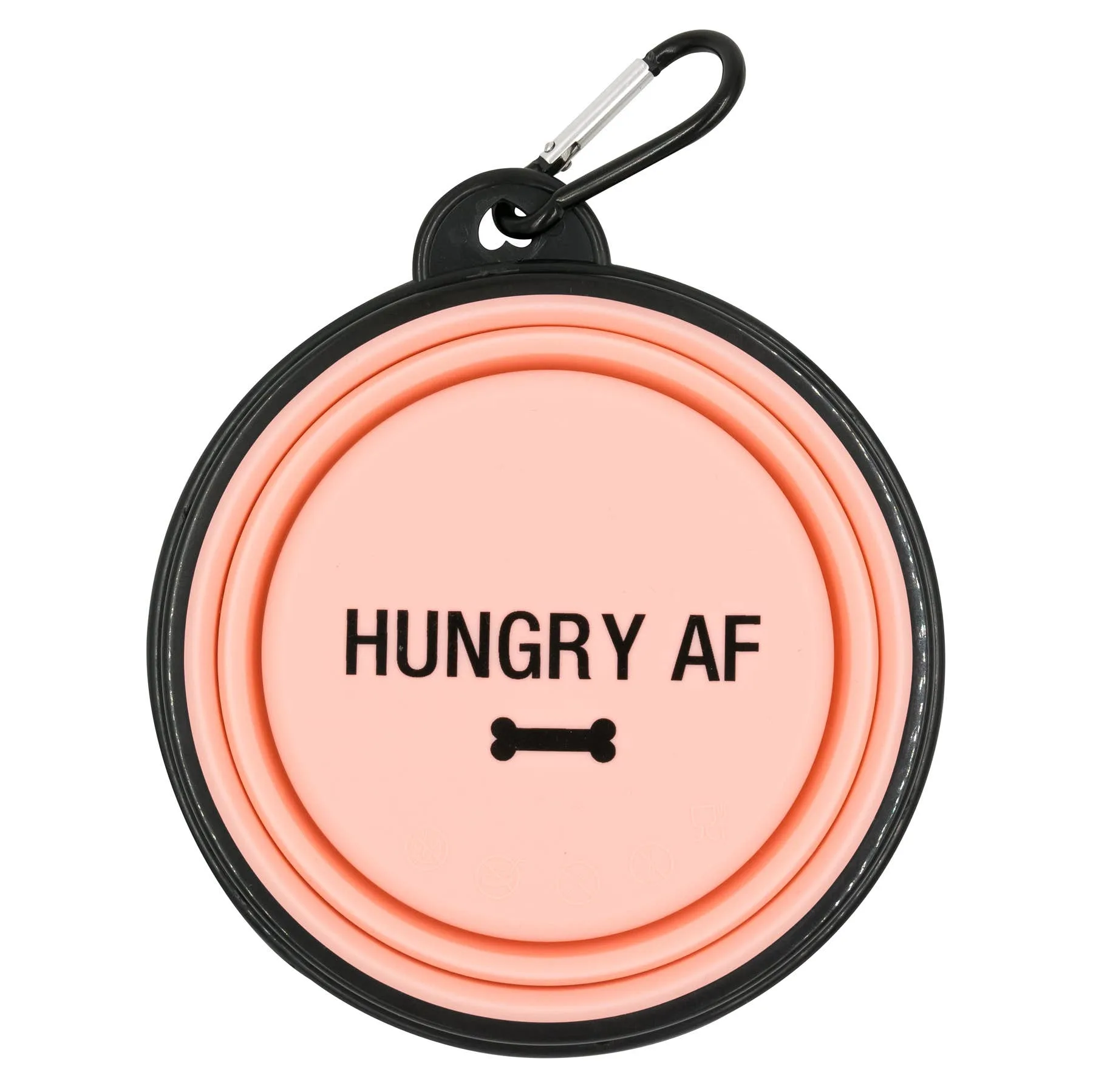
- Hungry AF Silicone Dog Bowl: Hungry AF Silicone Dog Bowl is a 12oz silicone bowl with a carabiner to attach to a belt, backpack, or purse for water or food on the go. When muzzle training or using a muzzle on walks, having a portable bowl makes it easy to offer water during breaks, especially if your dog is still adjusting to wearing a muzzle.