Quick answer
Clip your poop bag dispenser to the leash handle or the strap just below it so your free hand can reach a bag without looking. Keep the dispenser on the side opposite your dominant hand, and move it to a hip-belt pocket or pack strap only when the leash stays in your hand. Test the placement with a full roll before you leave.
Match the dispenser to the anchor point before you clip
A dispenser that swings, twists, or pops open is usually a mismatch between the clip and the anchor, not a bad dispenser. Leash handles and webbing straps work best with a clip that closes fully around the material. Thin cord leashes and padded handles need a wider gate or a wrap-style attachment. If the clip only grips by a few millimeters, it will slide down the leash during a walk.
For pack straps, look for a loop, daisy chain, or D-ring rather than clipping directly to a shoulder strap pad. Direct clipping to a padded strap compresses the padding and lets the dispenser rotate. A short gear strap or carabiner through a loop keeps the dispenser upright and reachable.
Position the dispenser where your hand already travels
The fastest pickup happens when the dispenser sits within the arc your hand makes while holding the leash. On a standard leash, that is the handle or the first few inches below it. On a waist leash or hands-free setup, the hip belt or a belt pouch becomes the anchor. If you carry a treat pouch on one hip, put the dispenser on the opposite side so you are not reaching past one bag to get to another.
Avoid hanging the dispenser where it can tangle with the leash itself. A dispenser that dangles below the handle can catch on the leash when your dog crosses sides. Keep it snug against the anchor with a short strap or clip it high on the handle.
Adjust for hiking and long walks
On hikes, the leash may spend time clipped to a belt or pack instead of your hand. In that case, move the dispenser to the same system that holds the leash: a hip-belt pocket, a pack strap loop, or a leash that is already attached to your waist. This keeps bag access independent of your hands, which matters on scrambles or when you are using trekking poles.
Carry more than one roll on longer outings, but keep only one roll in the active dispenser. A second roll can live in a zippered pocket or a small pouch. Refill the dispenser at a rest stop rather than mid-trail, where a dropped roll can roll away or get muddy.
Check fit and function with a loaded dispenser
An empty dispenser behaves differently from a full one. Load a full roll and walk a few steps, then jog a few steps. Watch for the dispenser rotating upside down, the roll binding inside the housing, or the clip creeping along the leash. If any of those happen, change the anchor point or add a short strap to stabilize it.
Also check that you can pull a single bag free with one hand while the other hand holds the leash. If the bag tears or the roll unspools, the dispenser opening may be too tight or the roll may be the wrong width. Bag dimensions matter here: a roll that is wider or narrower than the dispenser opening will not feed cleanly.
Keep the system clean between walks
Placement affects cleaning. A dispenser clipped low on a leash picks up more dirt, wet grass, and splash from puddles. If you walk in wet conditions, clip higher on the handle or move the dispenser to a pack strap that stays above splash height. Wipe the dispenser opening after muddy walks so the next bag pulls freely.
Rotate bags so older rolls get used first. Store spare rolls in a dry place; heat and sunlight can make some bag materials brittle over time. If a roll feels stiff or the bags stick together, replace it rather than fighting it on a walk.
Placement steps to run through before your next walk
- Choose your primary anchor: Pick either the leash handle area or a hip-belt or pack loop as the main home for the dispenser. Common mistake: clipping to a padded handle or thin cord without checking that the clip closes fully. Checkpoint: the clip should not slide more than an inch when you tug the leash gently.
- Set the height for your reach: Position the dispenser so your non-dominant hand can reach a bag without looking down. On a leash, that is usually the handle or just below it. On a belt, that is the front or side of the hip. Checkpoint: pull one bag while holding the leash in your other hand.
- Stabilize against swing and rotation: Add a short strap or a second clip if the dispenser rotates or swings. On pack straps, route the attachment through a loop or daisy chain rather than directly onto padding. Checkpoint: jog a few steps and confirm the dispenser stays upright.
- Separate bag access from treat access: If you carry treats on one side, put the dispenser on the other. This prevents cross-body reaching and keeps one hand free for the leash. Checkpoint: you should be able to get a bag and a treat without switching hands on the leash.
- Load a full roll and test the feed: A full roll is the real test. If bags tear, stick, or unspool, check the roll width against the dispenser opening. Bag dimensions such as 9 by 12 inches matter less here than roll thickness. Checkpoint: one clean pull should release one bag.
- Move the dispenser for hikes and wet weather: On hikes, shift the dispenser to the same system holding the leash, such as a hip belt or pack strap. In rain or tall grass, clip higher to reduce splash and dirt. Checkpoint: after the walk, wipe the opening and confirm the next roll still feeds.
Products that fit this setup
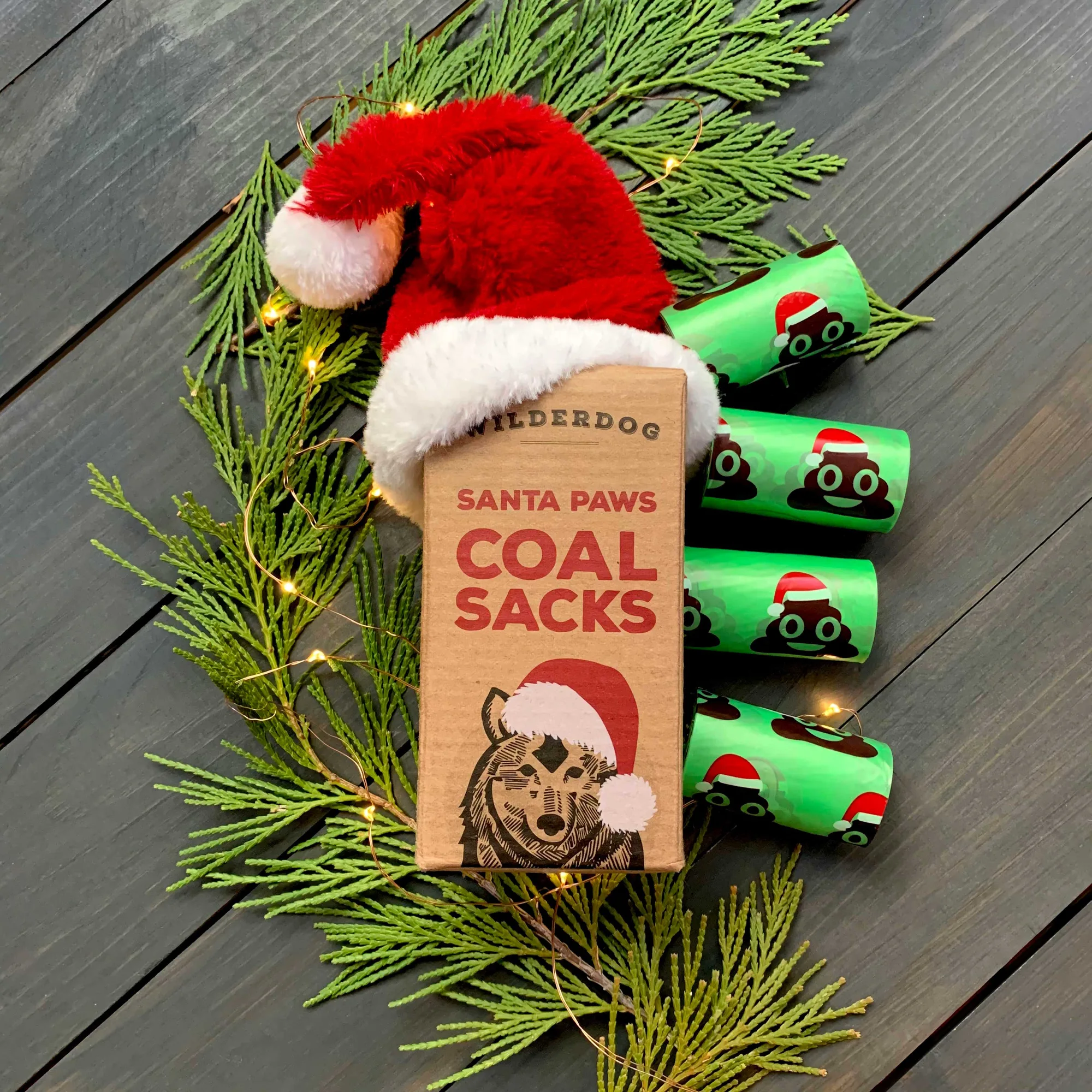
- Santa Paws Poop Bags: Santa Paws Poop Bags come with 120 bags, 15 bags per roll and 8 rolls per box, with each bag measuring 9 by 12 inches. The 15-bag roll size is a useful reference when checking whether a dispenser feeds smoothly; a roll that is too thick or too thin for the housing will bind or unspool.
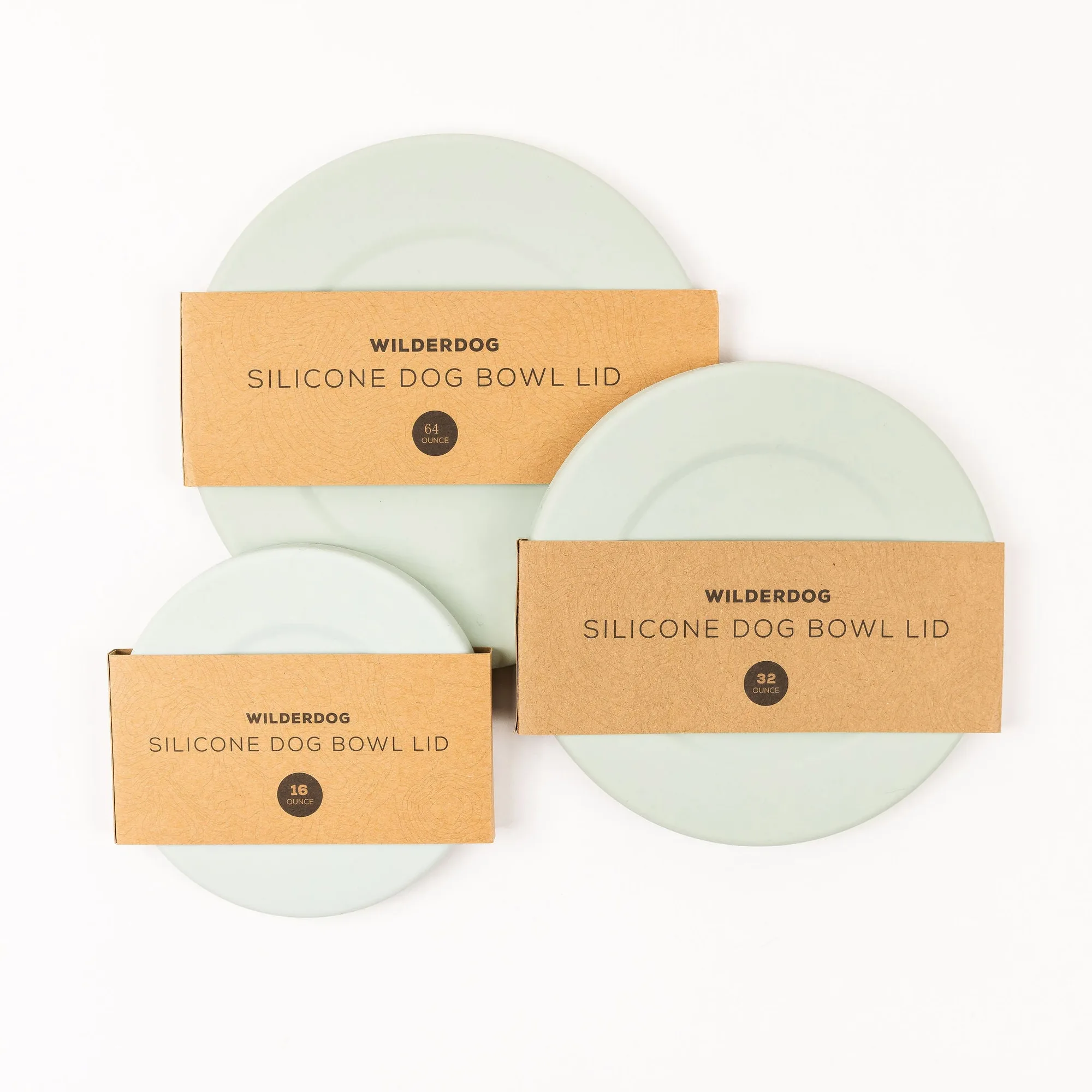
- Silicone Bowl Lids: Silicone Bowl Lids are food-grade silicone and come in 16 oz and 32 oz sizes, with the 16 oz lid measuring 5.5 inches in diameter. If you carry a bowl in your walking or hiking bag, a lid keeps leftovers and water from spilling onto spare poop bag rolls stored in the same pocket.