Quick Answer
Choose dog sport supplements by matching the demand to the ingredient: joint support for high-impact repetition, recovery support for heavy weekly loads, and performance nutrition only when diet and conditioning are already solid. Buy from brands that state exact amounts and third-party testing, and start one supplement at a time so you can judge whether it helps.
Start With the Work, Not the Label
Before you buy anything, write down what your dog actually does in a week: sprint-and-turn sports, long-distance pulling, scent work, or protection drills. That weekly load tells you which system is under stress. A dog doing three agility runs a week has different needs than a dog doing one long hike.
Then check the diet. If your dog is already on a complete, balanced food that meets AAFCO or FEDIAF standards, you are supplementing on top of a baseline, not replacing it. Supplements cannot fix an unbalanced diet, and adding five products at once makes it impossible to know which one helped.
What to Look For on a Dog Supplement Label
The most useful labels give exact amounts per serving, not a proprietary blend. Look for a named manufacturer, a lot number, and a contact address. If the label only says 'joint support complex' with no milligrams, you cannot compare it to anything or adjust the dose.
For joint supplements for dogs, the common ingredients are glucosamine, chondroitin, MSM, green-lipped mussel, and omega-3 fatty acids. For recovery, look for protein, amino acids, and antioxidants. For performance dog nutrition, the priority is calories, fat, and electrolytes, not exotic herbs.
How to Introduce a Supplement Safely
Start with half the label dose for three to five days, then move to the full dose if stools stay normal and your dog eats willingly. Give it at the same time each day, ideally with food, and keep a simple log of training load, appetite, stool, and any change in stiffness or energy.
If you see no difference after four to six weeks at the correct dose, stop. Supplements are not cheap, and a product that does nothing for your dog is money you could spend on conditioning, better food, or a veterinary check.
When to Use Joint, Recovery, and Performance Supplements
Joint support makes sense for dogs in repetitive high-impact work, older working dogs, and breeds with a known history of joint issues. Recovery supplements fit dogs with a heavy weekly schedule or back-to-back competition weekends. Performance nutrition is for dogs in hard conditioning or long events where calorie and electrolyte needs are high.
If your dog is a weekend warrior doing one class a week, food and rest usually cover it. If your dog is stiff after every session, that is a veterinary question first, not a supplement question.
Budget and Trade-Offs
You can spend a little or a lot, and price does not always track quality. A single-ingredient product with a clear dose can be more useful than a costly blend with tiny amounts of ten ingredients. The trade-off is convenience: blends are easier to feed, but single ingredients let you adjust and judge each one.
Another trade-off is time. Some ingredients need weeks to show an effect, so you must be patient and consistent. If you want same-day changes, no supplement will reliably give you that.
Decision Rules for Dog Sport Supplements
- If your dog trains hard more than three days a week: Prioritise a joint supplement with exact glucosamine and omega-3 amounts, and consider a recovery product with protein and antioxidants. Start with joint support first; add recovery only if the schedule stays heavy.
- If your dog is a weekend athlete: Food, rest, and a warm-up routine usually do more than a supplement stack. Spend on conditioning and a good bed before adding pills.
- If the label hides amounts behind a proprietary blend: You cannot dose it properly or compare it to another product. Choose a product that states milligrams per serving.
- If you see no change in four to six weeks: Stop the product and reassess with your vet rather than doubling the dose. A supplement that does nothing is not a bargain at any price.
Products That Support the Routine
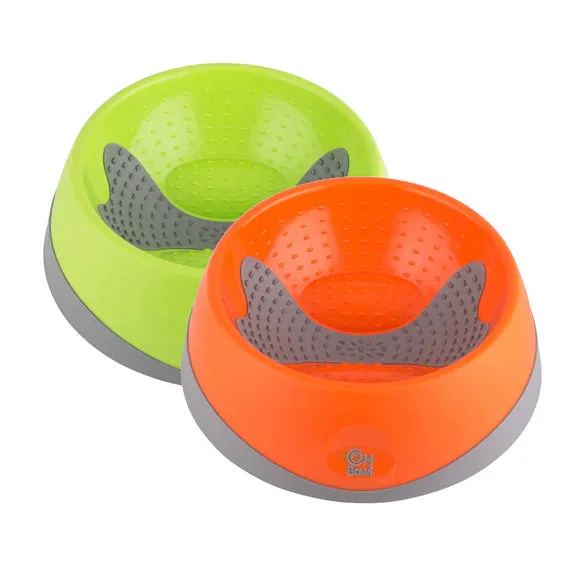
- OH Bowl by Lickimat: The OH Bowl by Lickimat is described as the world's first oral health dog food bowl developed and approved by veterinarians, with a textured surface designed to gently assist in cleaning your dog's tongue and teeth. If you are already managing diet and supplements, a bowl that supports oral health at every meal adds a daily hygiene step without a separate routine.
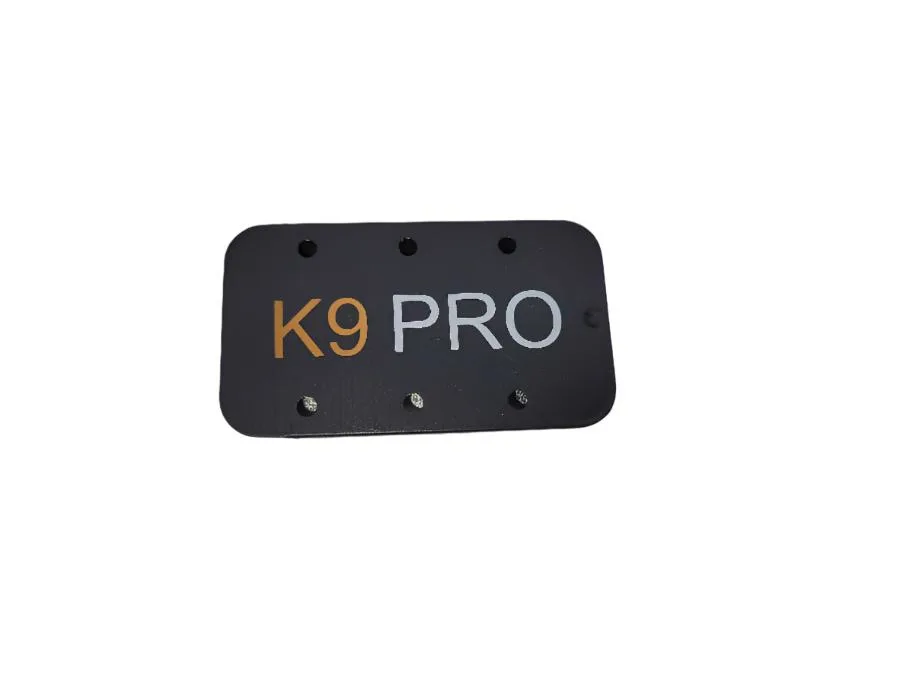
- Nosework Tins: Nosework Tins are designed to hide target odour, prevent your dog from ingesting the odour source, and include an earth magnet so you can stick the tin to metal surfaces. Scent work is low-impact mental exercise, so these tins let you add productive activity on rest days without increasing joint load.
Who This Guide Is For
Best for
- Owners of working or competitive dogs with a consistent weekly training load
- Handlers who want to compare labels and doses before buying
- People adding one supplement at a time and tracking results
Not for
- Dogs with a diagnosed medical condition that needs veterinary treatment, not a supplement
- Owners looking for a same-day performance boost
- Anyone who has not yet confirmed the base diet is complete and balanced