Quick Answer
For professional trainers, the ideal dog training vest combines durable fabric, high visibility options, and a pocket layout that keeps treats, clickers, and tools within easy reach. Prioritize fit and adjustability over extra pockets if you move a lot, and choose a vest that suits your training environment—whether that's a high-visibility vest for roadside work or a quieter utility vest for indoor sessions.
A dog training vest is more than a uniform—it's a mobile workstation. Professional trainers spend hours on their feet, often in varying weather and lighting, and the right vest can make sessions smoother by keeping essential tools accessible and your hands free. But with so many options, it's easy to get distracted by features you don't need.
This buying guide focuses on the practical considerations that matter most: fabric durability, visibility, pocket design, and fit. We'll walk through each factor, highlight trade-offs, and give you clear decision rules so you can choose a vest that supports your training style without breaking your budget.
Durability: Choose Fabric That Handles Real Work
Training vests face constant movement, friction from leashes, and occasional rough play. Look for materials like ripstop nylon or heavy-duty polyester that resist tears and abrasions. Reinforced stitching at stress points—shoulders, pockets, and zippers—adds longevity. If you train outdoors in brush or around kennels, a tougher outer shell is worth the extra weight.
Lighter vests, often mesh-backed, are cooler in summer but may wear out faster. Consider the balance: a durable vest that lasts years is a better investment than a cheaper one you'll replace annually. Check the care label—machine-washable vests are a practical convenience for daily use.
- Check for reinforced seams and bar-tack stitching at pocket corners.
- If you train in wet conditions, look for water-resistant or quick-drying fabric.
Visibility: Stay Seen in Any Environment
High visibility is non-negotiable for trainers working near roads, in fields, or in low-light conditions. Vests with reflective strips or bright colors like neon yellow or orange ensure you're visible to drivers and other people. Some vests offer removable or adjustable reflective elements, giving you flexibility for different settings.
However, high-visibility vests can be distracting in indoor or quiet training environments where you want to blend in. A vest with a detachable high-vis panel or a reversible design lets you adapt. Think about where you train most often and choose accordingly.
- Reflective piping on shoulders and back is most effective for roadside visibility.
- For hunting or wildlife work, consider camouflage or earth tones instead of bright colors.
Pocket Layout: Function Over Fashion
The best training vest has pockets that match your workflow. Consider what you carry daily: treats, a clicker, a whistle, poop bags, a phone, and maybe a small first-aid kit. Look for multiple pockets of different sizes—some zippered for security, some open for quick access. Velcro closures can be noisy and may attract debris, while zippers are more secure but slower to open.
A common trade-off is between many small pockets for organization and a few large ones for bulk. If you carry a treat pouch separately, you may not need a dedicated treat pocket. Test the vest with your actual gear to see if the layout feels natural. Pockets that are too high or too low can be awkward to reach while moving.
- A chest pocket for a clicker or whistle is handy for quick access.
- Avoid pockets that flap open during bending—secure closures are essential.
Fit and Adjustability: One Size Does Not Fit All
A vest that shifts or restricts movement is a liability. Look for adjustable straps at the waist, shoulders, and sides to fine-tune the fit. A snug but not tight fit ensures the vest stays in place during active training. Consider the layers you'll wear underneath—a vest that fits over a light t-shirt may be too tight over a hoodie or jacket.
Try the vest on with your typical training attire and simulate movements like bending, reaching, and running. Some vests have a more tailored cut, while others are boxy and roomy. If you prefer a sleek profile, look for a vest with a cinched waist. If you need maximum airflow, a mesh-lined design might be better.
- Check the sizing chart and measure your chest and waist before ordering.
- A vest with side adjusters can accommodate weight fluctuations or seasonal layers.
Decision Rules for Choosing a Training Vest
- Match fabric to environment: If you train outdoors in rough terrain, choose ripstop nylon or heavy-duty polyester with reinforced stitching. For indoor or mild-weather use, a lighter mesh vest may be more comfortable. Durability beats weight when your vest faces daily abuse.
- Prioritize visibility based on location: Train near roads or in low light? Choose a high-visibility vest with reflective strips. For indoor or nature-focused training, a neutral or camouflage vest may be more appropriate. Visibility is a safety feature, not just a style choice.
- Design pockets around your gear: List everything you carry during a session. Choose a vest with a mix of secure and quick-access pockets that fit your specific tools. Avoid overloading with unnecessary compartments. A functional pocket layout saves time and reduces fumbling.
- Test fit with your layers: Try the vest over the clothing you'll wear in the field. Ensure adjustable straps allow for a snug fit that doesn't restrict movement. Check that the vest stays in place when you bend or reach. A well-fitted vest feels like a second skin.
Related Products from K9pro
- Arrak Active Stretch Shorts - Men's / Unisex: Arrak Outdoor shorts are perfect for every occasion. Shipping information: Shipping Time Can Be Up To 4-6 Weeks. With all of our Arrak handler wear that we only keep a small quantity of products on site. We order your Arrak items directly with Arrak once the order is placed by you. Arrak then ship your items to us. This is so your clothing arrives here and then to you in pristine condition. Due to this shipping... While not a vest, these shorts complement a training vest for hot-weather sessions, offering the same durable, professional look. Their stretch fabric supports movement, and the shipping note reminds you to plan ahead for custom orders.
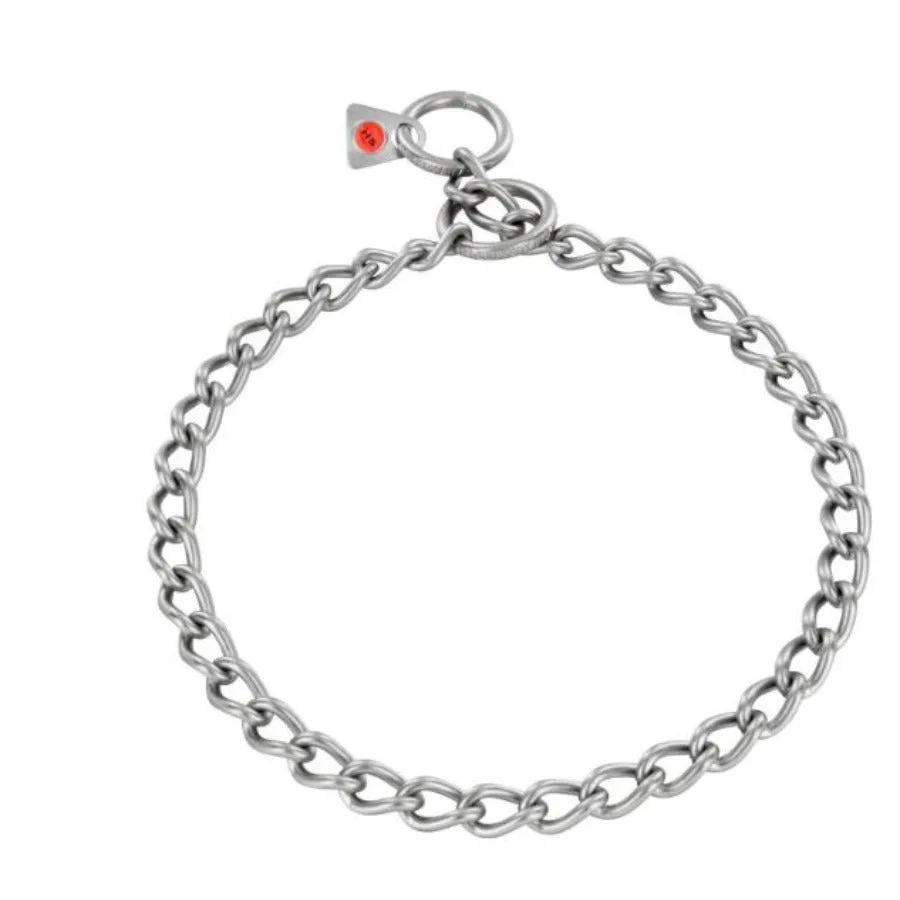
- Check Chain Herm Sprenger 2.5mm Width: Check collar fit when using on growing dogs to maintain proper fit. These collars will resist corrosion and rust. This chain collar will help you teach your pet commands and leash manners. This device will make less effect on dog's hair, as well as to make the process of taking the collar off easier. Due to the smoothed and polished surface, this collar will protect your dog's hair from knotting, pulling and... A training vest with sturdy pockets can safely store a check chain when not in use, keeping it tangle-free and within reach. The polished surface reduces hair damage, and the vest's secure closure prevents the chain from catching on gear.
Who Should Choose What
Best for
- Professional trainers working in high-traffic or roadside areas who need high visibility and reflective features.
- Trainers who carry multiple tools (clicker, whistle, treats) and want organized pocket layouts for quick access.
Not for
- Casual pet owners who only need a simple treat pouch and don't require the durability or pocket complexity of a professional vest.
Choosing the right dog training vest comes down to understanding your training environment, the gear you carry, and the fit you need. By applying these decision rules, you'll invest in a vest that supports your work and lasts for years. Pair it with quality handler wear like Arrak shorts and reliable training tools to complete your professional setup.