Quick answer
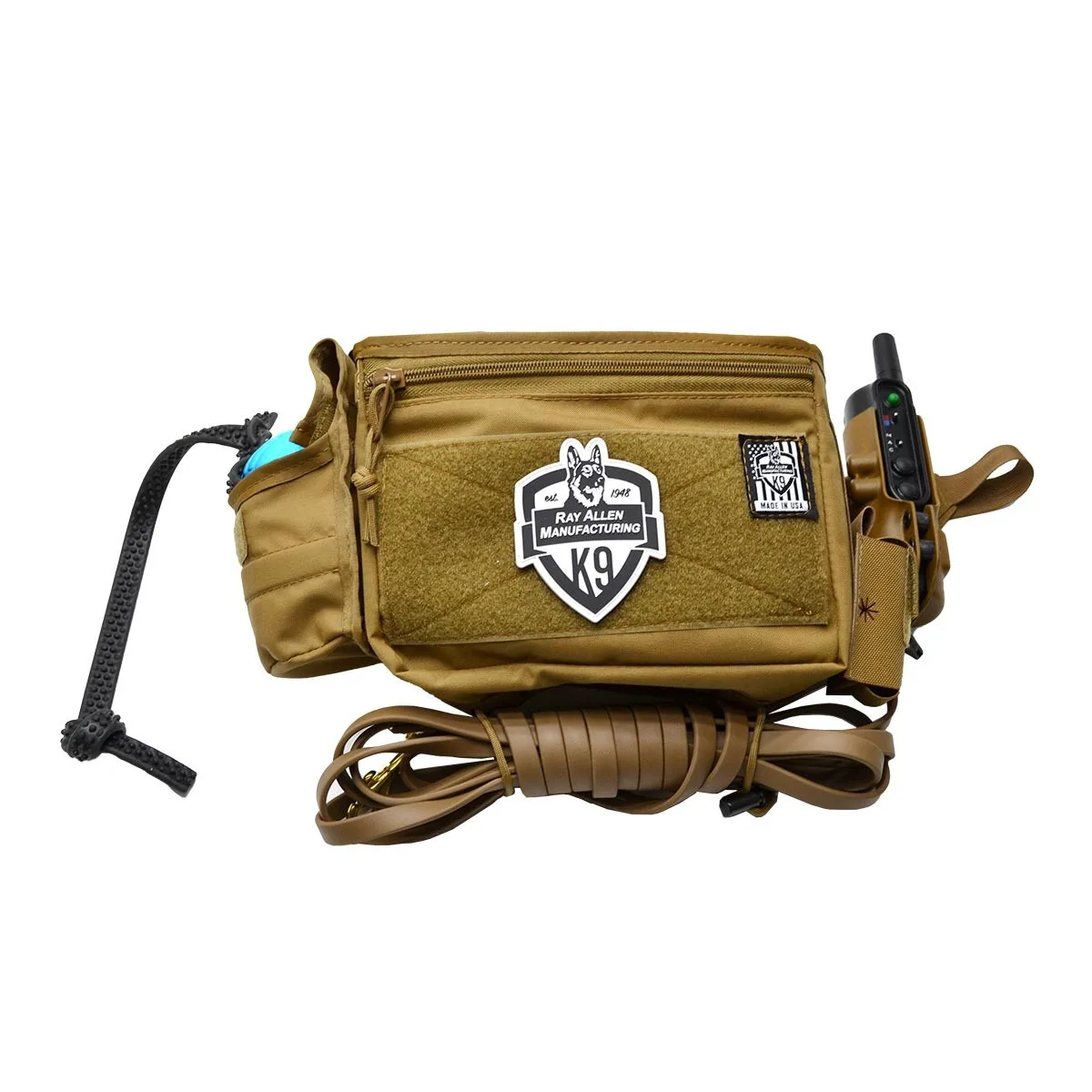
Buy for the number of dogs you handle, not the number of bags you can carry. If you work one dog on a short route, a clip-on dog poop bag holder and a small pouch are enough. If you run multiple dogs or train on a field, a MOLLE-compatible handler belt bag such as the Dog Trainer Tool Belt keeps bags, rewards, and a spare leash on your waist instead of in your hands. Add a sealed container or double-bag routine for waste disposal for dogs before you leave the site.
Match the holder to your route, not the bag roll
A clip-on holder is the lightest option and works when you walk one dog on pavement and pass a bin within a few minutes. The trade-off is capacity: most hold a single roll, so a second dog or a long off-leash loop means you are carrying loose bags in a pocket. A belt-mounted dispenser solves that by keeping the roll at hand, but it adds bulk at the waist and can snag on brush if you work field edges. Decide by counting dogs first, then distance to the nearest bin.
- One dog, under 20 minutes, bin on route: clip-on holder.
- Two or more dogs, or a route with no bin: belt-mounted dispenser.
- Off-leash field work: choose a low-profile holder that will not catch on cover.
Why a handler belt bag often replaces three pockets
The Dog Trainer Tool Belt is built for handlers who work multiple dogs, and its MOLLE compatibility lets you add pouches for different reward types rather than stuffing treats and bags into the same pocket. That matters when each dog needs a different reward and you do not want to cross-contaminate or fumble. It is also easy to clean, which is the practical reason to move waste gear off your pants and onto a belt you can wipe down after a session. The trade-off is weight and a wider profile; if you only carry one roll of bags, a full belt bag is more than you need.
Disposal options that hold up on a real route
The bag is only half the system. A sealed, hard-sided container in your vehicle or training bag prevents odor and leaks between stops, and it is the difference between a workable routine and a mess in your trunk. Double-bagging is a reasonable fallback when you cannot reach a bin, but it uses more bags and adds bulk, so plan your route around a disposal point when you can. If you handle several dogs, carry a dedicated waste pouch that is separate from your reward pouch so you never reach into the wrong one.
- Vehicle container: hard-sided and sealable, emptied after each session.
- On-route: one bin stop per loop beats carrying waste for an hour.
- Multi-dog: keep waste bags in their own pouch, never with treats.
Cold weather and gear that still works with gloves
Waste gear gets harder to use in cold weather because gloves reduce dexterity. Look for a dispenser you can open with one hand or a belt bag with a wide-mouth opening, and keep the bag roll where you can reach it without removing a glove. The K9 Helm CS1-A2 Ear Covers are a separate piece of cold-weather kit, but they illustrate the same principle: purpose-built gear that stays usable when conditions change. If your hands are numb, a clip-on holder with a small opening will slow you down more than a belt-mounted option.
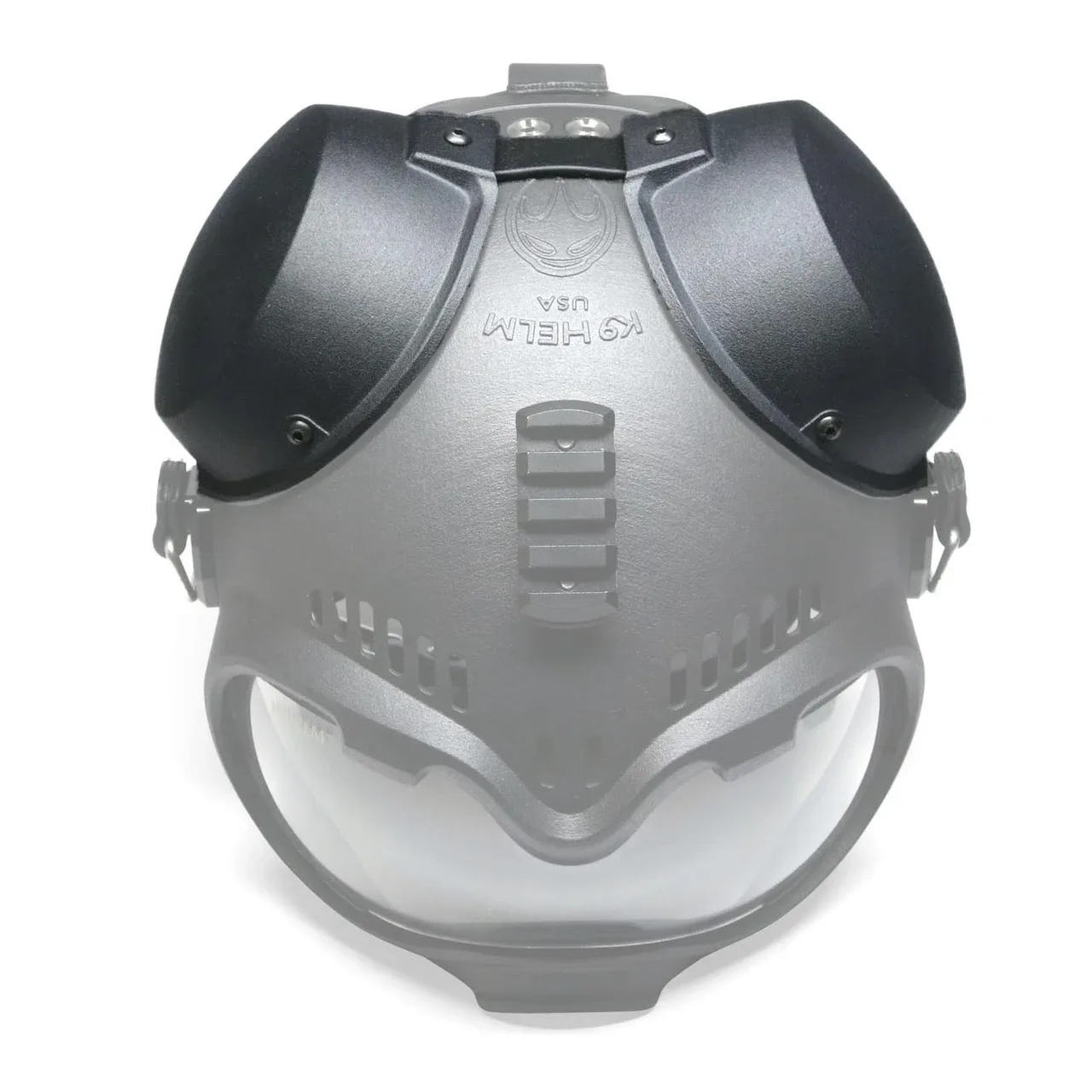
K9 Helm CS1-A2 Ear Covers
Decision rules for handler waste gear
- Count dogs before you count bags: One dog on a short route: clip-on holder. Two or more dogs, or a route without a bin: belt-mounted dispenser or a MOLLE pouch on a handler belt. If you cannot name the number of dogs, you are guessing at capacity.
- Separate waste from rewards: Use a dedicated pouch or belt section for waste bags so you never reach into the same pocket as treats, especially when working multiple dogs with different rewards. One pouch, one job.
- Plan the disposal point, not just the pickup: Identify a bin or a sealed vehicle container before you start. Double-bagging is a fallback, not a plan, because it uses more bags and adds bulk. A route without a disposal point is an incomplete route.
- Test with gloves on: If you work in cold weather, open and close your dispenser with gloves before you rely on it. A wide-mouth or one-hand opening beats a tight clip-on holder. Dexterity is a specification.
Product facts that affect waste-gear choices
- Dog Trainer Tool Belt: MOLLE compatible and easy to clean, built for handlers working multiple dogs with different reward types. You can add a dedicated waste pouch and keep it separate from reward pouches, and wipe the belt down after a session instead of washing your pants.
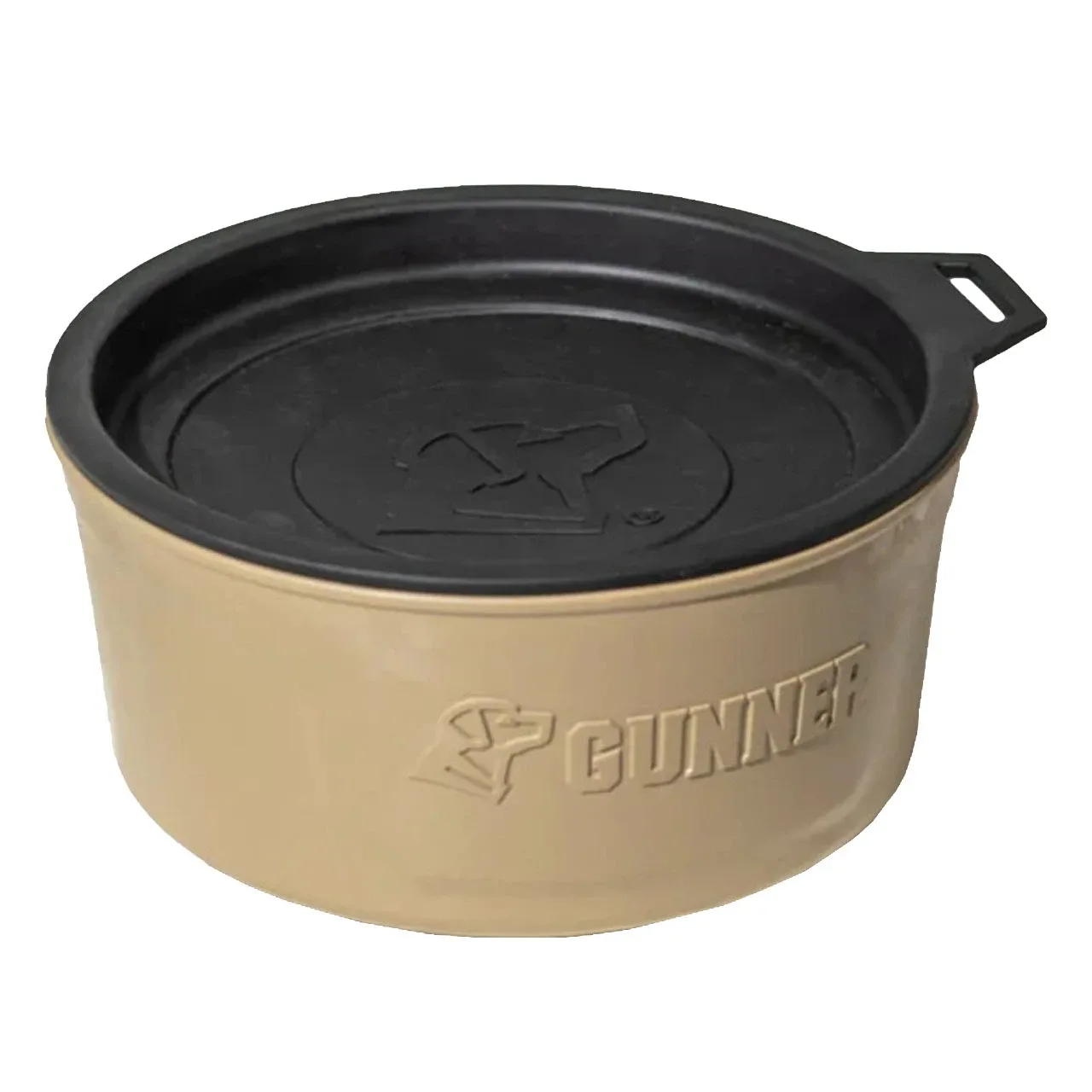
- GUNNER® Dog Bowl: Made from ultra-strong nylon, BPA free, food grade compliant, and will not rust. A rust-proof bowl is useful for water on long routes, but it is not a waste container; do not use it for waste disposal for dogs.
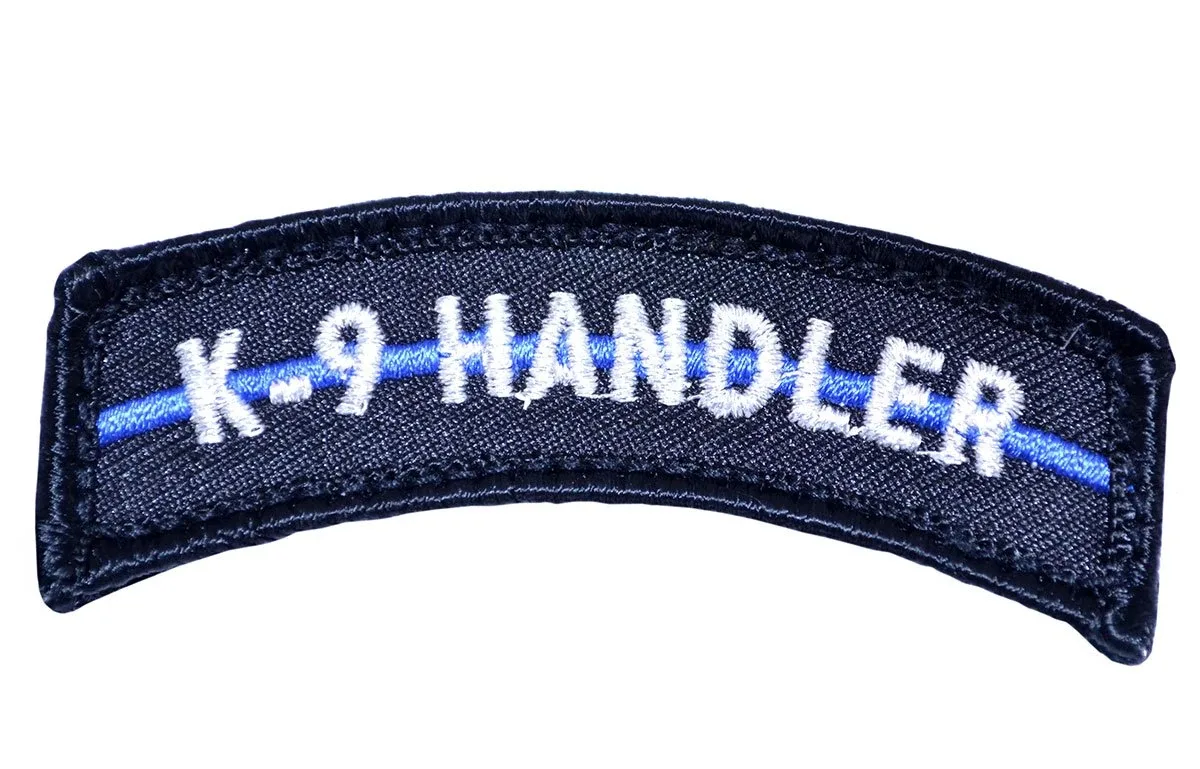
- Thin Blue Line K9 Handler Patch: Embroidered patch with hook and loop back, measures 2.75 by 0.75 inches. A small morale patch adds no waste capacity, so treat it as identification, not as part of your cleanup system.
Who this setup fits
Best for
- Handlers working two or more dogs who need bags, rewards, and a spare leash on one belt
- Trainers who want MOLLE-compatible gear they can reconfigure for different sessions
- Anyone who wants waste gear they can wipe clean instead of washing after every route
Not for
- Owners who walk one dog on a short route and only need a single roll of bags
- Handlers looking for a waste container; a belt bag organizes bags but does not seal waste
- Buyers who want the lightest possible setup and will not use the extra capacity