Quick answer
If your dog scratches occasionally and the skin looks normal, start with a closer look at the coat and a simple grooming routine. If you see a red, moist, hairless patch that seems to grow fast, treat it as a hot spot: keep it clean and dry, prevent licking, and contact your vet. Persistent scratching with no visible sore usually points to allergies, fleas, or dry skin, so you need to identify the cause before you can stop dog scratching for good.
Scratching is normal dog behavior, but there is a difference between a quick scratch behind the ear and a dog that chews, licks, or digs at the same spot for hours. The second pattern rarely resolves on its own, and the longer it continues, the more likely the skin is to break and become infected.
This guide walks through the same order a groomer or vet tech would use: identify the symptom, narrow down the likely cause, take a targeted action, and recognize the point where home care stops being the right choice. You can handle a lot of dog skin irritation at home, but a few specific signs mean you should stop and get help.
Symptom check: what you are actually looking at
Before you buy anything, look at the skin. Part the coat in good light and check for redness, dandruff, scabs, bald patches, or a moist, oozing area. A hot spot is usually a sharply defined red patch that appears suddenly, feels warm, and may have matted hair stuck to the surface. Generalized itchiness without a sore looks different: the skin may be dry and flaky, or red and bumpy across the belly, paws, and armpits.
Note the pattern. Scratching at the ears and face often points to allergies or ear issues, while licking the paws and rear end is common with fleas or food sensitivities. A single rapidly growing sore is more likely a hot spot than a food allergy. Write down when it started, whether it is seasonal, and whether other pets in the house are itchy too.
- Photograph the area daily so you can tell whether it is shrinking or spreading.
- Check the ears and between the toes, where irritation hides easily.
- Look for fleas or flea dirt at the base of the tail and along the back.
Common dog scratching causes and how they differ
Flea bites are the most common trigger, and a single flea can keep a sensitive dog itchy for days. Allergies come next, whether to pollen, dust mites, mold, or an ingredient in food. Dry skin from winter air, over-bathing, or a poor diet causes a dull coat and fine flakes. Hot spots often start as a small itch from any of these causes, then worsen when the dog licks and bacteria move in.
The differences matter because the fix is different. Flea-related itching needs flea control on the pet and in the environment. Seasonal allergies need consistent management during the trigger season. Dry skin responds to coat care and nutrition. A hot spot needs the area kept clean and dry plus a barrier to stop licking, and it may need veterinary treatment if it is infected or spreading.
- Seasonal itch that appears at the same time each year suggests environmental allergies.
- Year-round itching with digestive upset can point toward a food sensitivity.
- Itching that started after a grooming visit or a new shampoo may be contact irritation.
Corrective action you can take at home
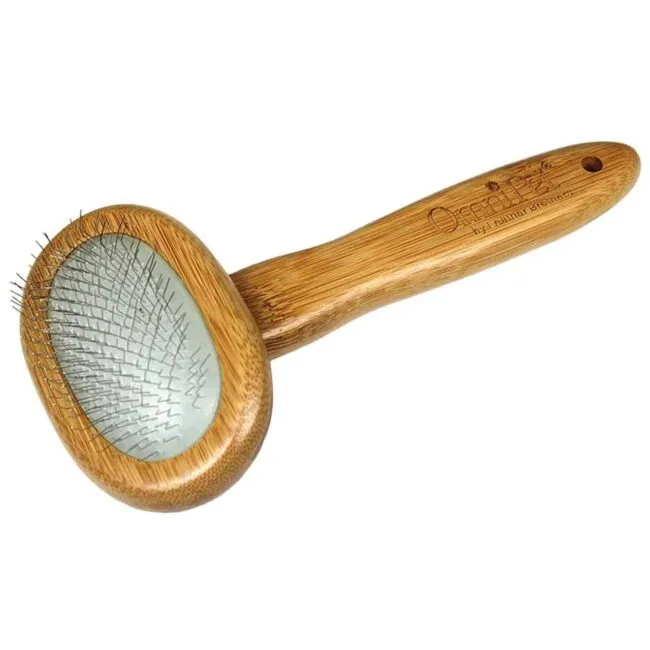
For mild, dry, non-broken skin, start with grooming. A slicker brush removes loose hair and dead undercoat so air reaches the skin, which reduces the warm, damp conditions that feed irritation. Brush in the direction of the coat with gentle strokes, and stop if the skin is already raw. Keep baths lukewarm and infrequent, and rinse thoroughly because leftover shampoo residue causes itching.
For a suspected hot spot, clip the hair around the edge with a blunt-tipped clipper or scissors so the area can dry, clean it with a gentle pet-safe cleanser, and prevent licking with an Elizabethan collar or a light wrap. Do not apply human creams or ointments unless your vet recommends them. If fleas are part of the picture, treat the pet and wash bedding, then keep up monthly prevention.
- Use a dedicated pet shampoo rather than dish soap, which strips the coat.
- Dry the coat completely after swimming or bathing, especially in thick-coated breeds.
- Wash bedding weekly in hot water while you are treating an active itch.
When to stop home care and call your vet
Stop and call your vet if the sore is growing, has pus or a bad smell, or is painful to touch. The same applies if your dog is losing weight, vomiting, limping, or seems generally unwell, because itching is then a symptom of something larger. Puppies, senior dogs, and pets with chronic conditions should be seen sooner rather than later.
Also call if two weeks of consistent home care have not reduced the scratching, or if your dog is waking at night to scratch. Recurring hot spots in the same spot, hair loss that keeps spreading, and itching that does not respond to flea control all need a diagnosis rather than another product. Your vet can check for infection, parasites, and allergies and build a plan that matches the actual cause.
- A hot spot that doubles in size in a day is an urgent vet visit.
- Any open wound on the skin should be evaluated before you apply anything.
- Ask your vet before combining medicated shampoos with topical flea products.
Diagnosis guide: match the sign to the next step
- Dry, flaky skin with no sore: Usually environment, diet, or over-bathing. Improve coat care, brush regularly, and review the food and shampoo you use. If it has not improved in two weeks, ask your vet about skin and coat support.
- Red, moist patch that appeared fast: Treat as a hot spot. Clip around it, keep it clean and dry, and block licking with a collar or wrap. If it grows, smells, or looks infected, stop home care and call your vet.
- Itching with fleas or flea dirt visible: Start flea control on the pet and wash bedding and floors. Keep prevention consistent for at least two months. If itching continues after fleas are gone, the trigger is likely allergies, not fleas.
Products that fit specific steps
- Pro-Finish Bamboo Slicker Brush for Dogs Large: Made with durable carbonized bamboo and fine wire bristles, this grooming tool gently removes mats, loose hair, and dead undercoat while conditioning your dog's coat. Regular brushing keeps the coat open and dry, which is one of the simplest ways to reduce the warm, damp skin conditions that make itching and hot spots worse.
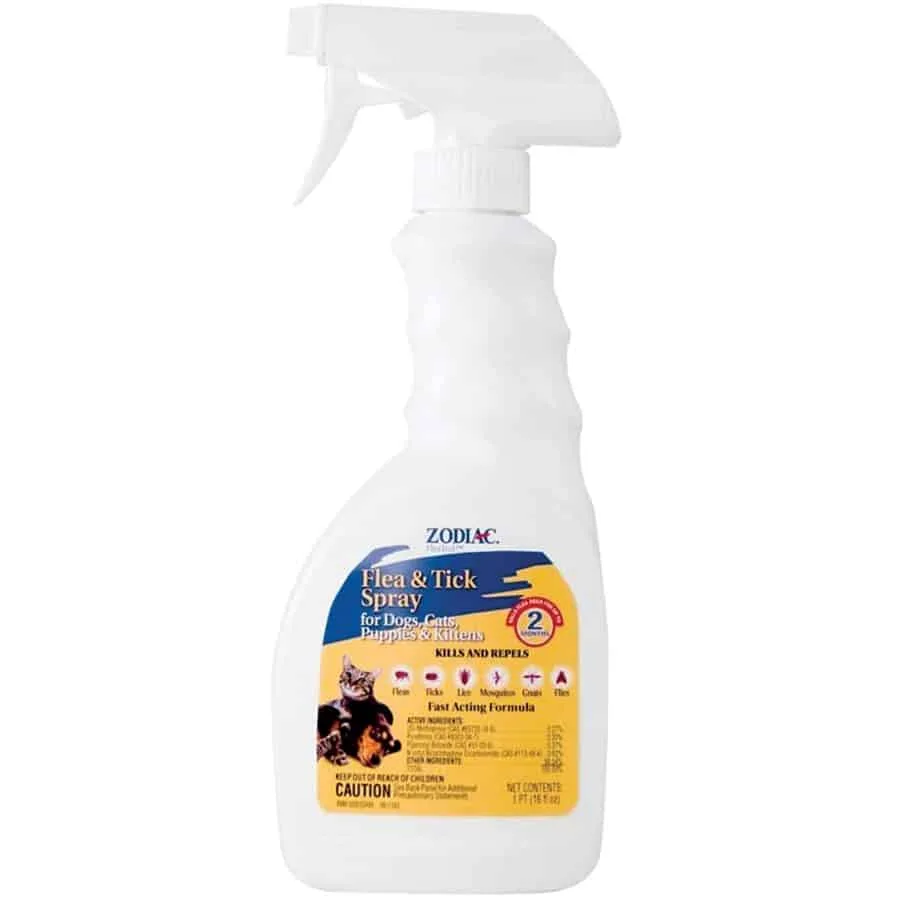
- Zodiac Flea And Tick Power Spray 16 oz: This dual-action spray kills and repels fleas, ticks, mosquitoes, lice, flies, and gnats while helping stop the flea life cycle for up to two months. If fleas are one of the causes behind your dog's scratching, breaking the life cycle on the pet and in the environment is what keeps the itch from returning.
- NaturVet Advanced Joint Care Chewable Tablets for Dogs & Cats 40 Ct (Formerly ArthriSoothe-GOLD®): Veterinarian formulated for dogs and cats over 12 weeks of age, this comprehensive formula features Glucosamine, Chondroitin, MSM, Green Lipped Mussel, Hyaluronic Acid, and other premium ingredients to promote healthy joints, cartilage, flexibility, and comfortable movement. Older dogs sometimes lick and chew at joints because of discomfort rather than skin itch, so it is worth ruling out mobility issues before treating the coat.
Most scratching has a specific cause, and matching the fix to the cause is faster than trying product after product. Start with a close look at the skin, handle hot spots promptly, and let your vet take over when the signs point beyond routine home care.