Why Double Dutch Licorice can taste sweet before you add anything
If your first cup of Double Dutch Licorice seems sweeter than expected, the blend itself explains part of that. It is a rooibos-based loose leaf tea, and the catalog describes rooibos as naturally sweet and mild. Anise adds a delicate licorice note, which can read as extra sweetness even when no sugar is in the cup.
That means the sweetness is a feature of the ingredients, not a sign you brewed it wrong. The question is whether the balance suits you. The same blend can taste too sweet, just right, or too faint depending on how you steep it and what you add.
What the catalog confirms about this blend
-
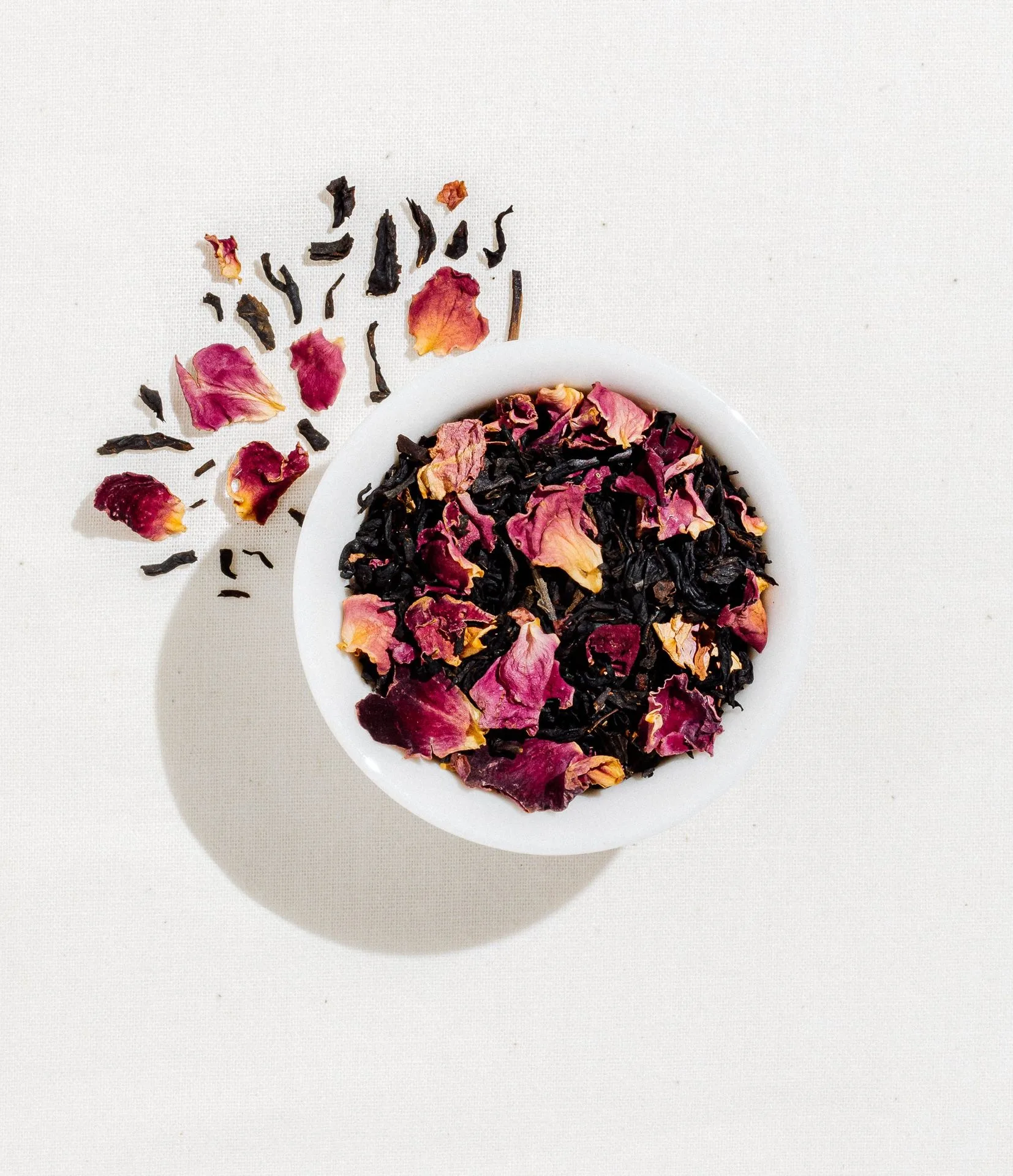
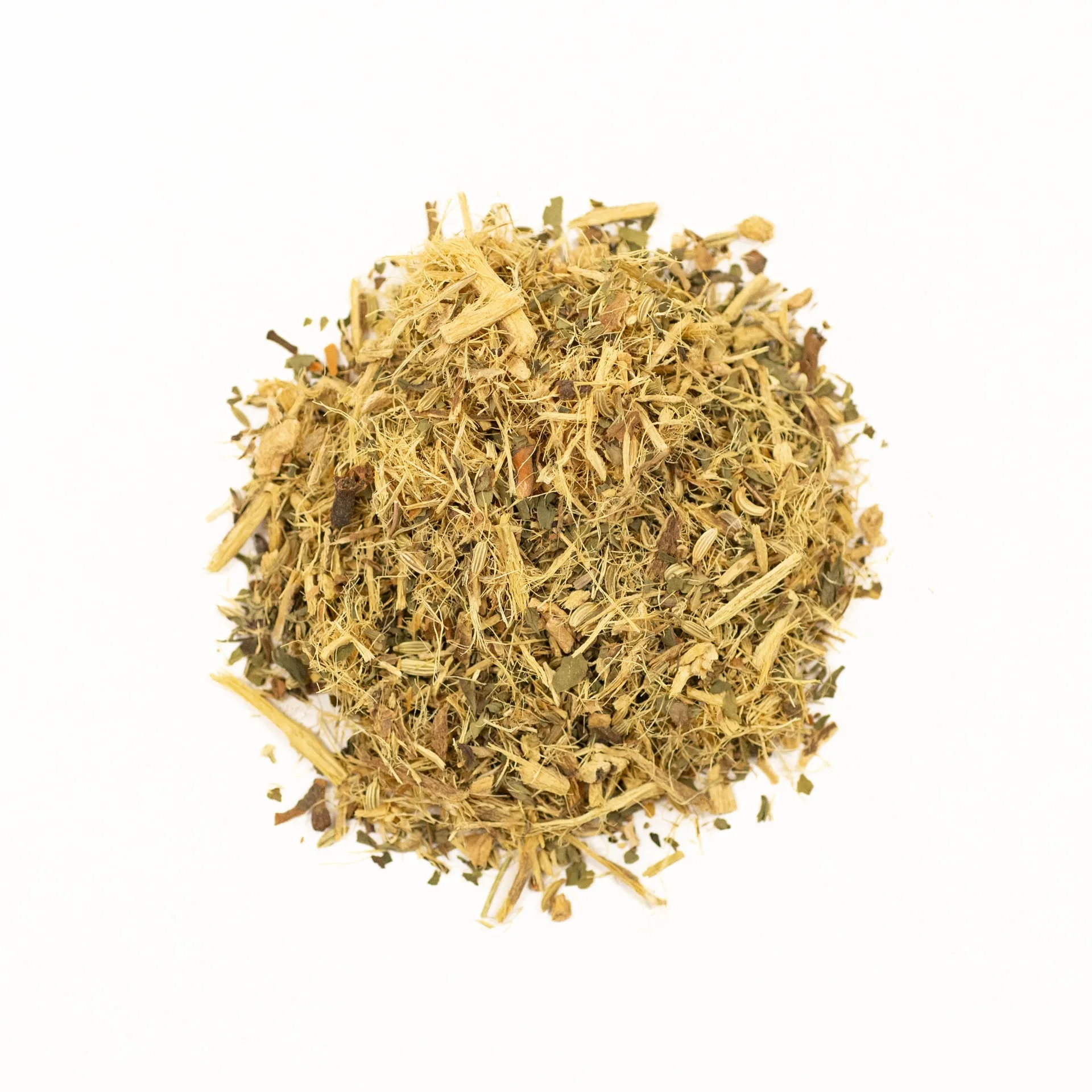
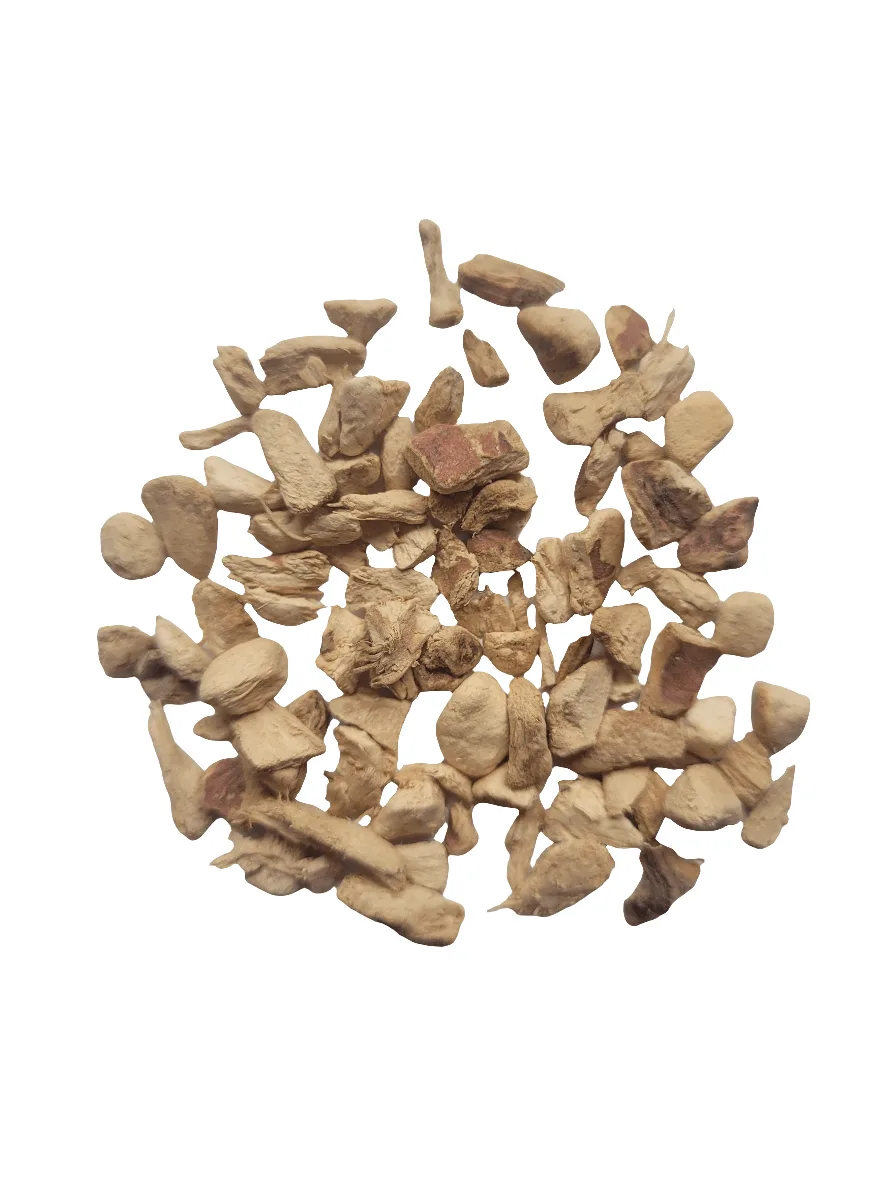
Double Dutch Licorice: Double Dutch Licorice is a rooibos-based loose leaf tea that blends the natural sweetness of rooibos with the subtle, smooth flavor of licorice from anise. This tells you the sweetness comes from rooibos and anise rather than added sugar, so adjusting your steep or serving is the way to change the cup.
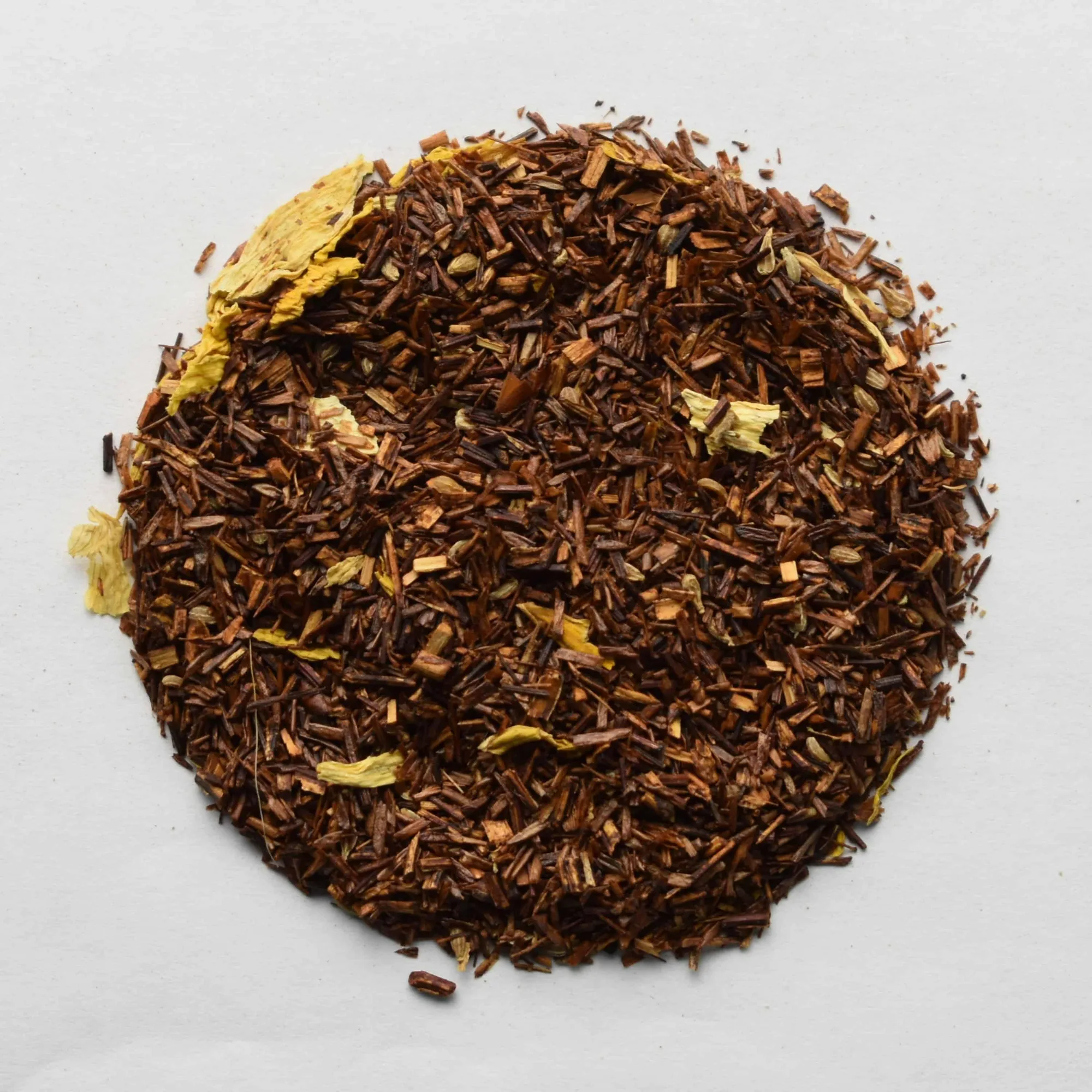
Double Dutch Licorice
-
Double Dutch Licorice: This caffeine-free herbal option offers a comforting cup with a gentle, aromatic profile. If you are sensitive to caffeine or want an evening cup, the blend is described as caffeine-free, but the catalog does not make health claims beyond that.
-
Double Dutch Licorice: Available in 50g and 100g sizes to suit your brewing needs. If you are still testing whether the sweetness suits you, the smaller size lets you try it without committing to a larger bag.
Ways to soften the licorice note without losing the blend
- Use more water, not more leaf: If the cup tastes too sweet or syrupy, increase the water for the same amount of leaf. This dilutes the rooibos and anise flavor rather than concentrating it. The catalog does not give a precise leaf-to-water ratio, so adjust in small steps and taste as you go.
- Shorten the steep: A shorter steep pulls less from the leaf. Start with a shorter time than you used before, taste, and extend if the cup is too weak. Because the catalog does not provide a steeping time, use your own taste as the guide and keep notes.
- Try a cooler water temperature: Water that is less hot can slow extraction and produce a gentler cup. The catalog does not specify a brewing temperature, so test a cooler pour against your usual method and compare.
- Add a squeeze of lemon: A little lemon juice can cut through the sweetness and brighten the anise note. Add it after steeping so you can taste the difference it makes.
- Serve it with milk or a dairy alternative: A splash of milk can round out the flavor and make the cup feel less sweet. Add it gradually so you do not mute the licorice note entirely.
- Skip any added sweetener: If you usually add sugar or honey, try the blend plain first. The rooibos and anise already provide sweetness, and added sweetener may push the cup past what you enjoy.
A simple test to find your preferred strength
- Start with your usual amount of leaf: Measure the same amount of Double Dutch Licorice you would normally use for a cup. The catalog does not give a recommended quantity, so begin with what you know.
- Steep for a shorter time than before: Taste at intervals and stop when the flavor seems balanced to you. If it is still too sweet, steep for less time next round.
- Adjust water or leaf for the next cup: If the cup was too strong, add more water. If it was too weak, use a little more leaf or steep a bit longer. Keep a note of what you changed.
- Try one softening addition at a time: Test lemon, milk, or a cooler temperature separately so you can tell which change made the difference. This helps you repeat the cup you like.
Storing Double Dutch Licorice for consistent flavor
The catalog does not provide specific storage instructions for this blend, so there is no manufacturer shelf life or temperature to quote. What you can do is keep the loose leaf away from moisture, strong odors, and direct light, and reseal the bag or transfer it to an airtight container after opening. Store it in a cool, dry place and use a dry spoon each time.
If you bought the 100g bag and drink this tea occasionally, consider splitting it into a smaller container you open often and keeping the rest sealed. That limits how much air and humidity reach the leaf each time you brew.
What the catalog does not confirm
The supplied information does not include a steeping time, water temperature, leaf-to-water ratio, or storage life for Double Dutch Licorice. It also does not state whether the blend is organic or free from any particular allergen. If you need those details, check the packaging or contact The Tea & Spice Shoppe directly rather than relying on general licorice tea advice online.
The catalog also does not make health claims about licorice or rooibos. Treat the sweetness as a flavor characteristic to adjust to your taste, not as a therapeutic effect.