Quick Answer
If you want one piece of gear that handles sleep system and shelter, choose an integrated down sleeping bag hammock like the Evolution 20 Down Sleeping Bag Hammock. It removes the bunching and quilt-shifting problems that come with pairing a separate bag and hammock. If you already own a hammock you like, or you camp in warm, humid conditions, a separate setup such as the Skeeter Beeter Pro Mosquito Net Hammock is the more flexible and affordable route.
What an Integrated Down Sleeping Bag Hammock Actually Solves
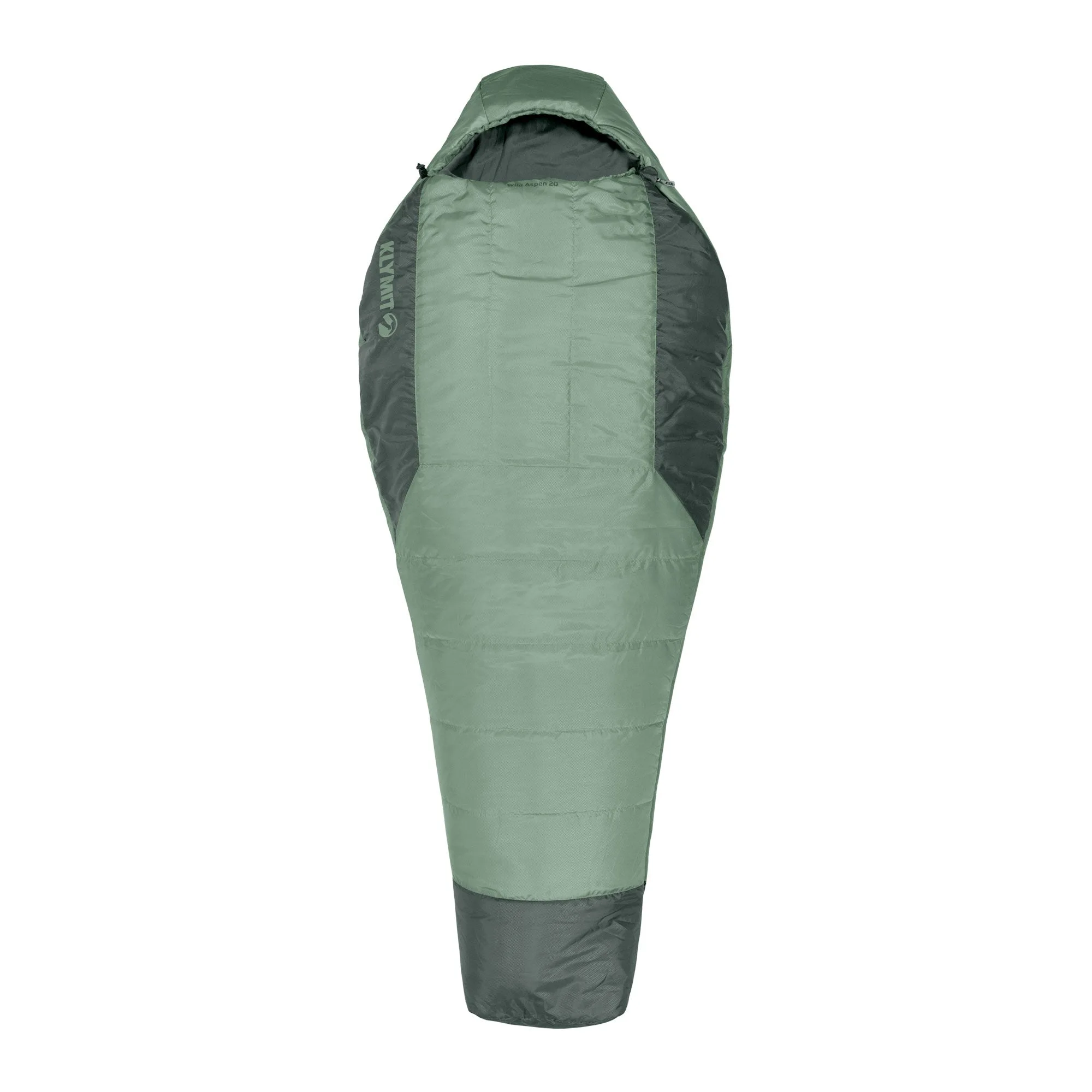
A standard hammock camping setup means juggling three things: the hammock, an underquilt or pad, and a top quilt or sleeping bag. Every one of those pieces can shift during the night, and a sleeping bag that bunches under your back creates cold spots right where you need warmth most.
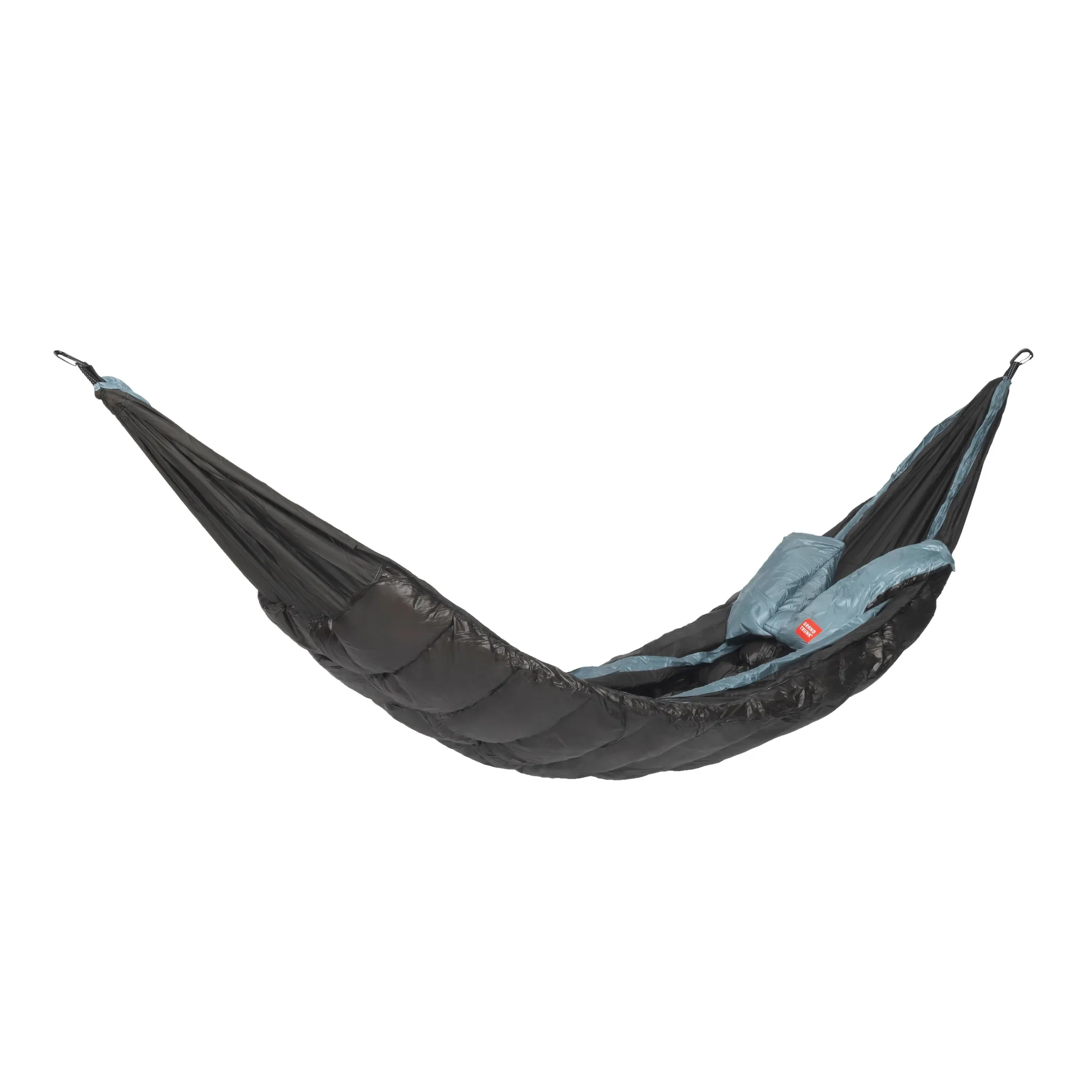
An integrated design sews the insulation into the hammock body itself. The Evolution 20 Down Sleeping Bag Hammock combines a down sleeping bag with a hammock so there is no under/over quilt to manage and no bag to bunch up. That matters most on cold weather hammock camping trips, where fiddling with layers in the dark is the fastest way to lose heat.
The trade-off is commitment. You are buying one item instead of three, which simplifies packing, but you cannot swap out just the insulation when conditions change. If you sleep hot or camp mostly in summer, that integrated warmth may be more than you need.
Where the Warmth Comes From, and What It Does Not Cover
In an integrated hammock, warmth comes from the down built into the hammock body plus whatever you wear to sleep. Because there is no separate underquilt, the insulation is already positioned beneath and around you rather than hanging on a suspension line where it can gap.
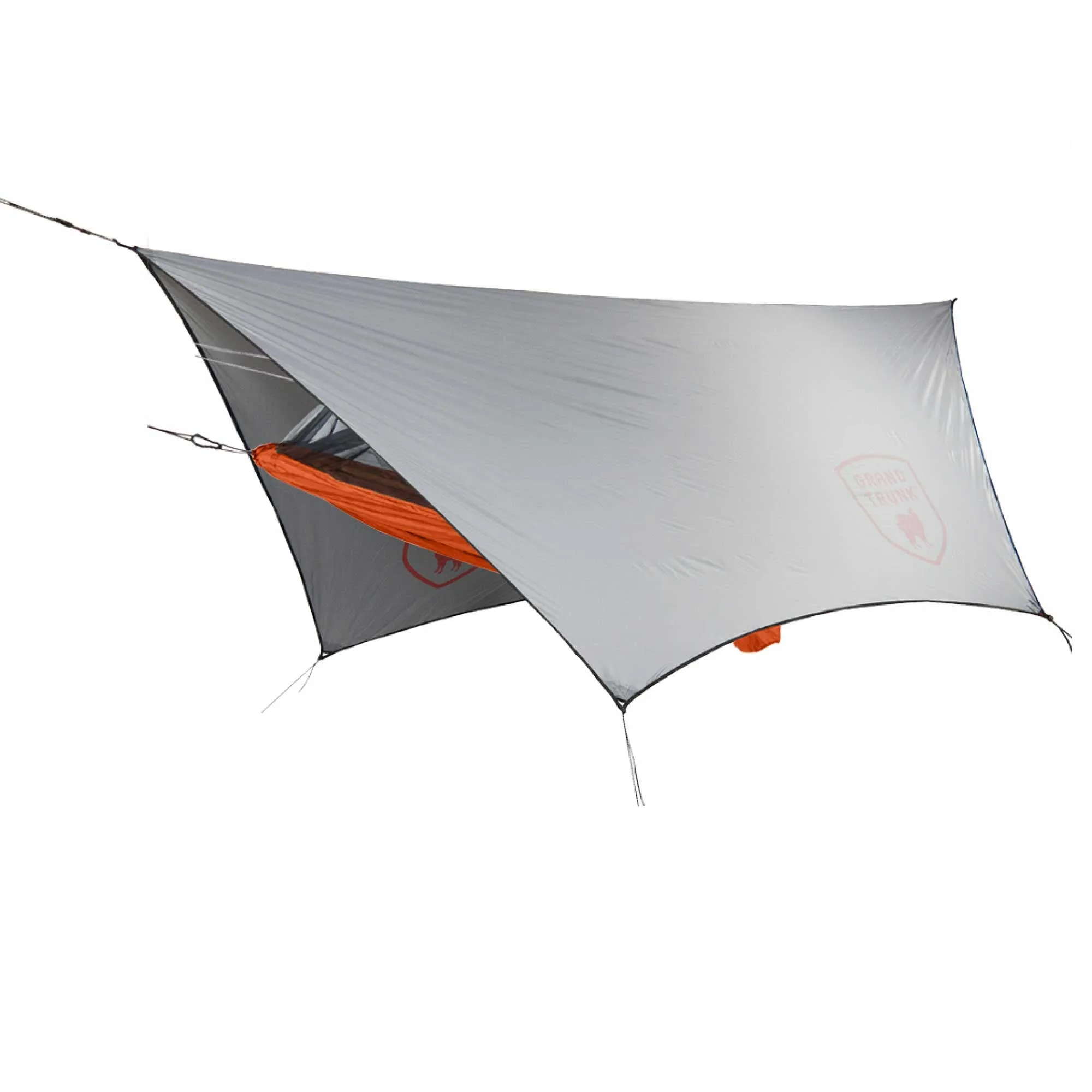
What an integrated bag does not do is block wind and rain. The Evolution 20 is a sleep system, not a shelter. For three-season or wet-weather trips you still need a tarp or rain fly overhead, and you still need a hanging kit or straps, which are not included with Grand Trunk hammocks.
This is also why hammock insulation setup matters even with an integrated bag. Site selection, suspension height, and a wind-blocking tarp do as much for your comfort as the down itself. Set the hammock so the lowest point of the body sits roughly at hip height when empty, then add your tarp before you climb in.
Packing a Hammock Sleeping Bag Without Compromising the Down
Down loses loft when it stays compressed, so the goal when packing a hammock sleeping bag is short-term compression, not permanent storage. Stuff it into its sack the morning you leave, and unpack it the same day you get home.
At camp, shake the hammock out and give the down a few minutes to re-loft before you get in. If you have been hiking all day in cold weather, that pause is the difference between a warm night and a chilly one.
For storage between trips, keep the hammock loose in a large cotton or mesh bag rather than stuffed in its stuff sack. This is the single easiest habit for protecting the down's loft over multiple seasons.
Care That Keeps Down Performing
Down needs less washing than most people think. Spot-clean with a damp cloth and mild soap, and reserve full washing for when the hammock is genuinely soiled or has lost loft from oils and sweat.
When you do wash it, use a down-specific cleaner rather than household detergent, which strips the natural oils that help down loft. Dry it thoroughly on low heat with clean dryer balls or tennis balls to break up clumps, and give it extra time. Down that feels dry on the outside can still be damp in the core.
Never store a down hammock wet, and never leave it compressed for months. Both habits shorten the life of the insulation faster than regular use will.
Decision Rules for Buying an Integrated Hammock
- Rule 1: Buy integrated if you hate adjusting layers at night: If your past trips involved waking up to fix a slipped underquilt or a bunched sleeping bag, an integrated down hammock removes that problem entirely. The insulation is already where your body needs it. Choose the Evolution 20 if sleep disruption, not pack weight, is your main complaint.
- Rule 2: Stay modular if you camp across very different climates: An integrated bag has one warmth level. If your trips range from humid summer nights to shoulder-season cold, a base hammock plus separate insulation lets you add or remove warmth trip by trip. A Skeeter Beeter Pro or TRUNKTECH hammock with your own quilts is more adaptable across seasons.
- Rule 3: Budget for suspension and shelter separately: Hanging kits and straps are not included with these hammocks, and an integrated sleeping bag is not a rain shelter. Add both to your total cost before you decide. Price the full setup, not just the hammock, before comparing options.
- Rule 4: Match insulation to your coldest expected night: Integrated down is built for cold weather hammock camping, so it will feel like too much bag on a warm summer trip. Be honest about the low temperatures you actually camp in. If most of your nights are above mild temperatures, a modular setup will serve you better.
Products Worth Comparing
- Evolution 20 Down Sleeping Bag Hammock: The Evolution 20 integrates a down sleeping bag with a hammock, so there is no under/over quilt to manage and no bag to bunch up. Fewer pieces to pack and nothing to re-adjust at 2 a.m., which is the main reason to pay more for an integrated system.
- Air Bivy All Weather Shelter & Hammock: The Air Bivy All Weather Shelter & Hammock bundles the Skeeter Beeter XT and Hexfly Rain Shelter as a tent replacement, and hanging kit or straps are not included. If you want weather protection over your sleep system, this covers the shelter side; budget for suspension separately.
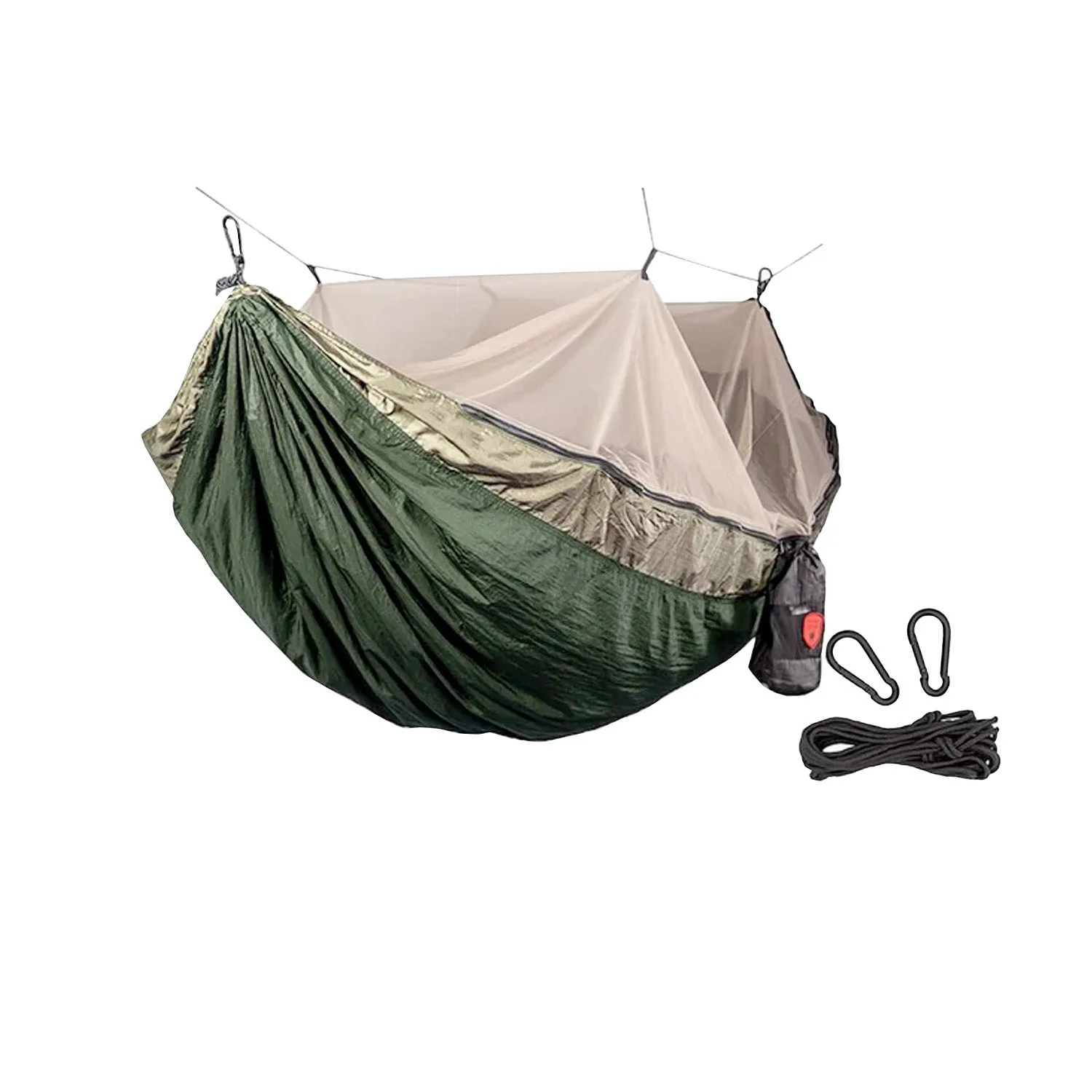
- Skeeter Beeter Pro Mosquito Net Hammock: The Skeeter Beeter Pro Mosquito Net Hammock uses triple-lock stitched seams and a double-sided zipper for easy entry and exit, and hanging kit or straps are not included. A lower-cost base hammock with built-in bug protection if you would rather add your own insulation than buy an integrated bag.
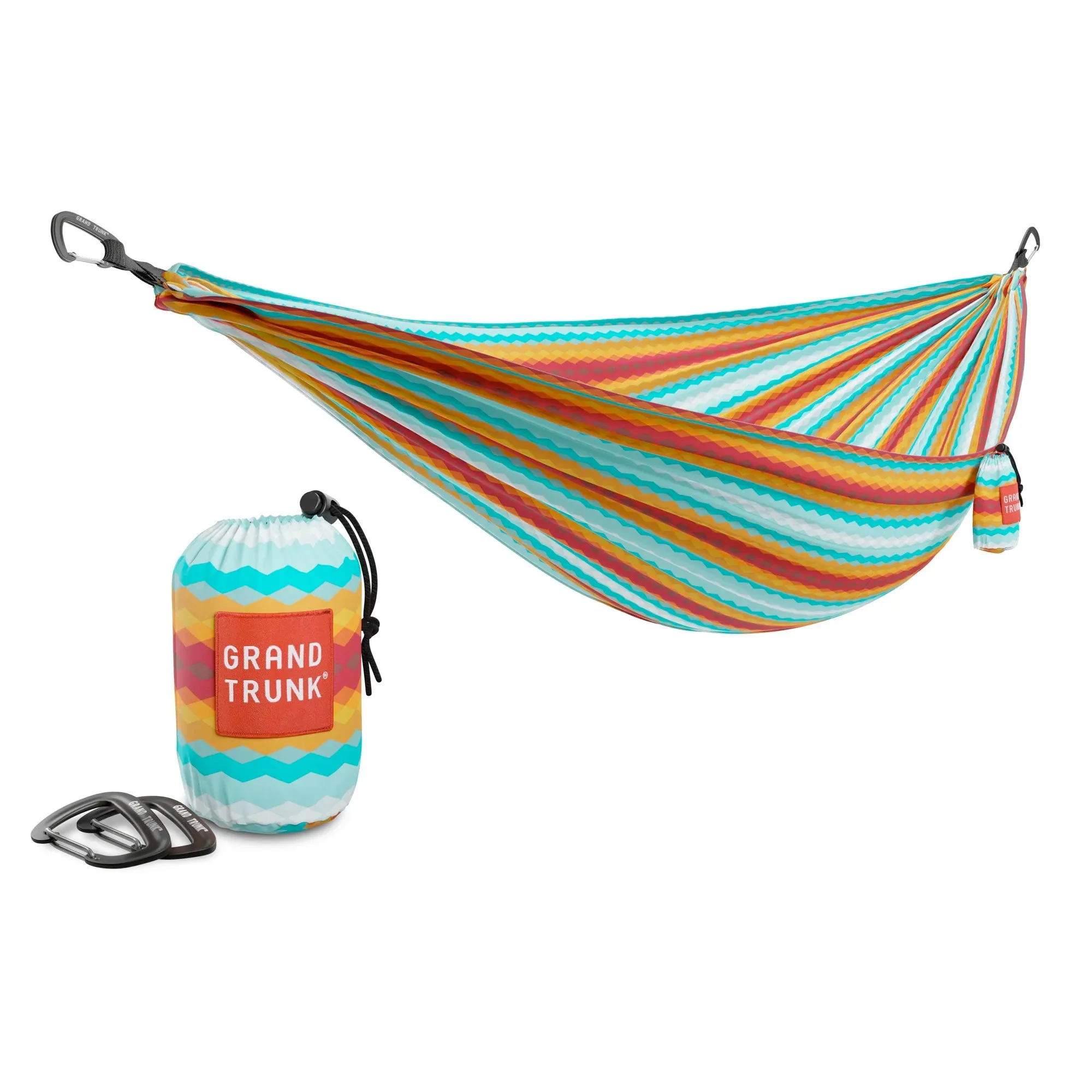
- TRUNKTECH™ Hammock: TRUNKTECH hammocks pack down smaller than an ordinary parachute nylon hammock and nearly cut the weight in half, with size and color options. A lighter, more packable base layer if you are building a modular setup and want the hammock itself to disappear into your pack.
Who Each Setup Fits
Best for
- Campers who want a single integrated sleep system and minimal nighttime adjustment
- Cold weather hammock camping where down insulation and full-body coverage matter
- Backpackers who would rather pack one item than three separate pieces
Not for
- Warm-weather campers who rarely need down insulation
- Anyone who already owns quilts and a hammock they like
- Campers who need to swap insulation levels across very different climates