Quick answer
Choose down pants for maximum warmth-to-weight on dry, cold tours; choose synthetic insulated pants when you expect moisture, sweat, or wet snow.
Down: warmth that packs small, but not for wet days
Down insulation is prized for its exceptional warmth-to-weight ratio. A down pant can compress into a tiny stuff sack and deliver more loft per ounce than most synthetic fills. That makes it ideal for alpine starts and ski tours where you carry the pants in your pack until you stop for a break or reach the ridge.
The catch is that down loses almost all of its insulating ability when it gets wet. Even with a durable water-repellent (DWR) finish on the shell fabric, a wet snow brush or a sweaty climb can cause the down to clump. Once that happens, the pants are heavy and cold until you can dry them out. For that reason, down pants are best reserved for cold, dry conditions and for use under a hard shell when the weather is unpredictable.
Synthetic: dependable insulation in damp conditions
Synthetic insulation, such as PrimaLoft, is engineered to retain warmth even when wet. The fibers resist absorbing water, so the pants keep insulating after a snow shower, a creek crossing, or a sweaty ascent. This makes them a more versatile choice for winter hiking where you might generate a lot of body heat or face changing weather.
The trade-off is that synthetic insulation is typically heavier and less compressible than down for the same warmth. You also need to manage breathability: on high-output activities, you may overheat quickly. Look for pants with ventilation features, like a rear Vapovent insert, to let excess heat escape when you're working hard.
Decision rules for choosing insulated pants
- If you expect dry cold: Pick down pants for the best warmth-to-weight ratio. They pack small and keep you toasty on a summit stop or belay ledge in cold, dry weather. Check the forecast: if snow or rain is likely, reconsider.
- If you expect moisture or sweat: Choose synthetic insulated pants like the Nordend PrimaLoft Pants. They keep insulating when damp and handle a sweaty climb better than down.
- If you need a base layer for high output: For aerobic winter activities, use a merino tight like the Wool40 Aero Pants as your first layer. It wicks sweat and resists odor, and you can add a shell or insulated pant on top when you stop. Layer the merino tight under a synthetic insulated pant for maximum versatility in variable conditions.
Two insulated pants compared
-
Nordend Primaloft Pants Men's: The Nordend PrimaLoft Pants use PrimaLoft Gold 60gsm panels from hip to knee for reliable insulation, with a rear Vapovent insert for breathability. This synthetic option keeps you warm even if you get damp, and the vent helps prevent overheating during a climb.
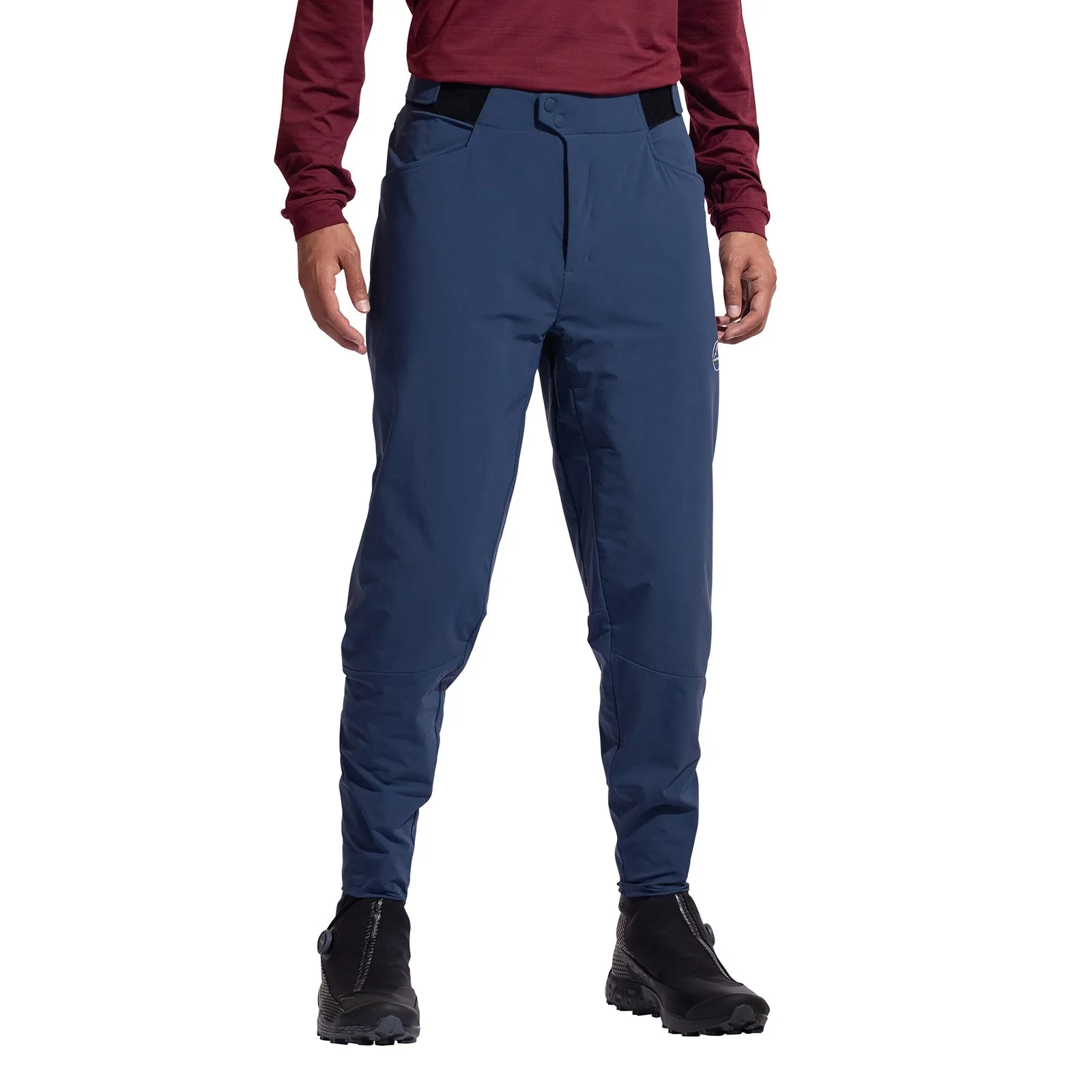
Nordend Primaloft Pants Men's
-
Wool40 Aero Pants Men's: The Wool40 Aero Pants are a merino wool long tight with Knit_Tech 3D fabric that ensures sweat evaporation and high stretch for freedom of movement. For high-output aerobic winter activities, this base layer manages moisture and odor, so you stay dry and comfortable under a shell.
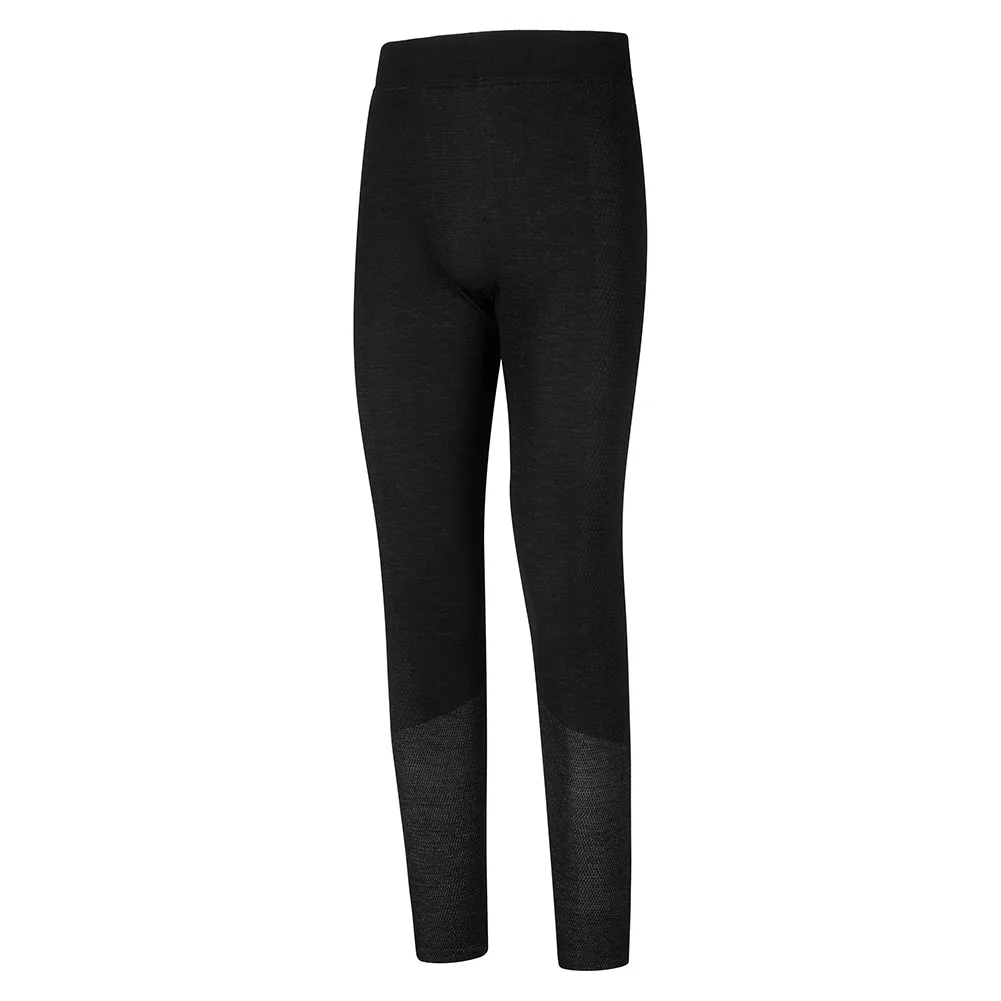
Wool40 Aero Pants Men's
Who should pick which
Best for
- Dry, cold mountaineering and ski tours where weight matters most
- Hikers who generate little sweat and want maximum packability
Not for
- Wet, snowy conditions or high-output activities where you will sweat heavily