Quick answer
Choose down when warmth-to-weight and packability matter most and you can keep the jacket dry, as with the Lumina 100 Down Jacket Men's. Choose synthetic when you expect wet, active conditions and want a jacket that manages moisture better, like the Stratos VI Racing Jacket Men's. There is no single best jacket for cold weather—match the insulation to your activity and conditions.
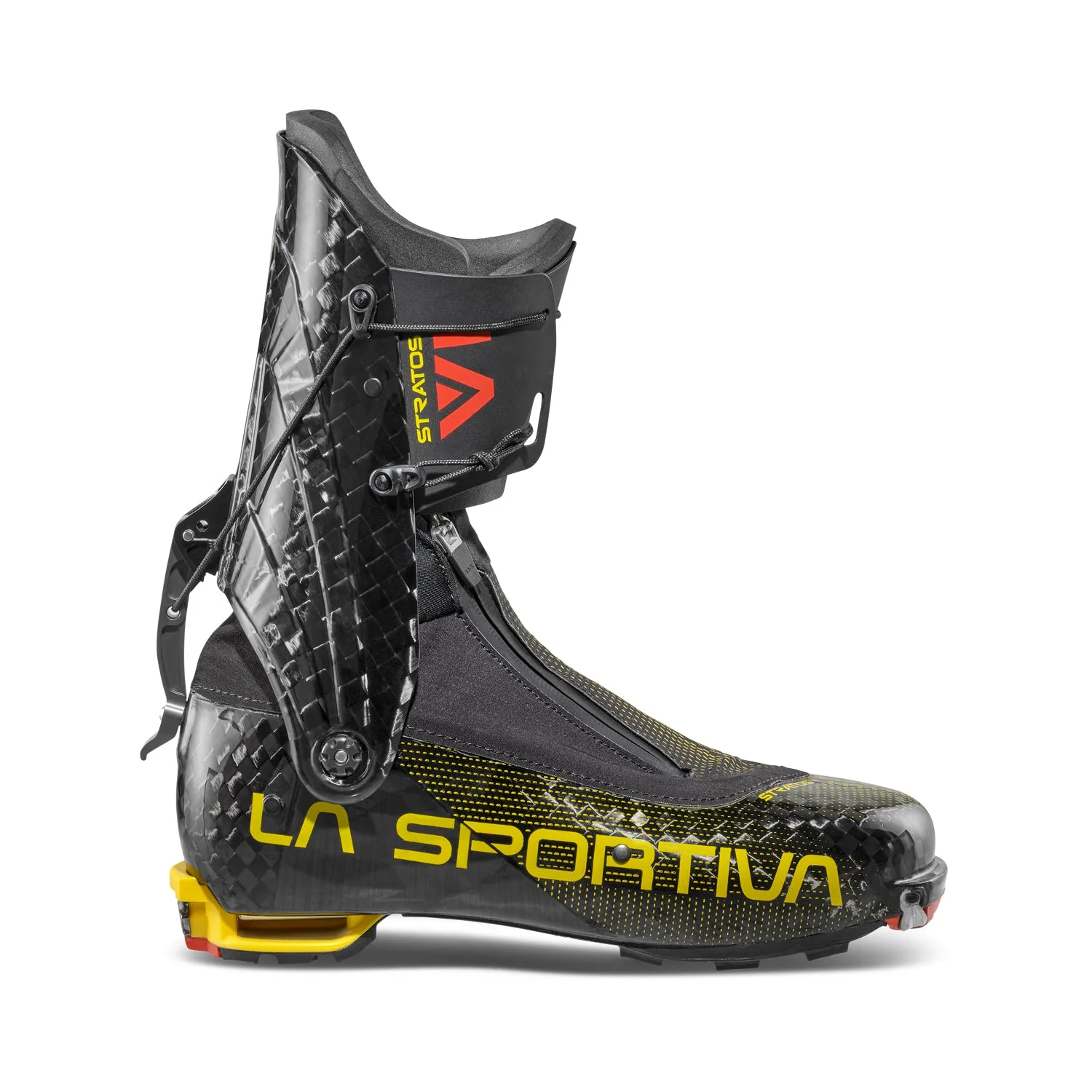
Stratos VI
How down and synthetic insulation differ in practice
Down clusters trap heat efficiently per gram, which is why high-fill-power down jackets can be very light and compress small. Synthetic insulation uses engineered fibers that resist collapsing when damp and tend to dry faster, but it generally offers less warmth for the same weight. The trade-off is straightforward: down wins on weight and packability, synthetic wins on moisture tolerance and durability through repeated wet use.
When down makes sense: cold, dry, and weight-conscious
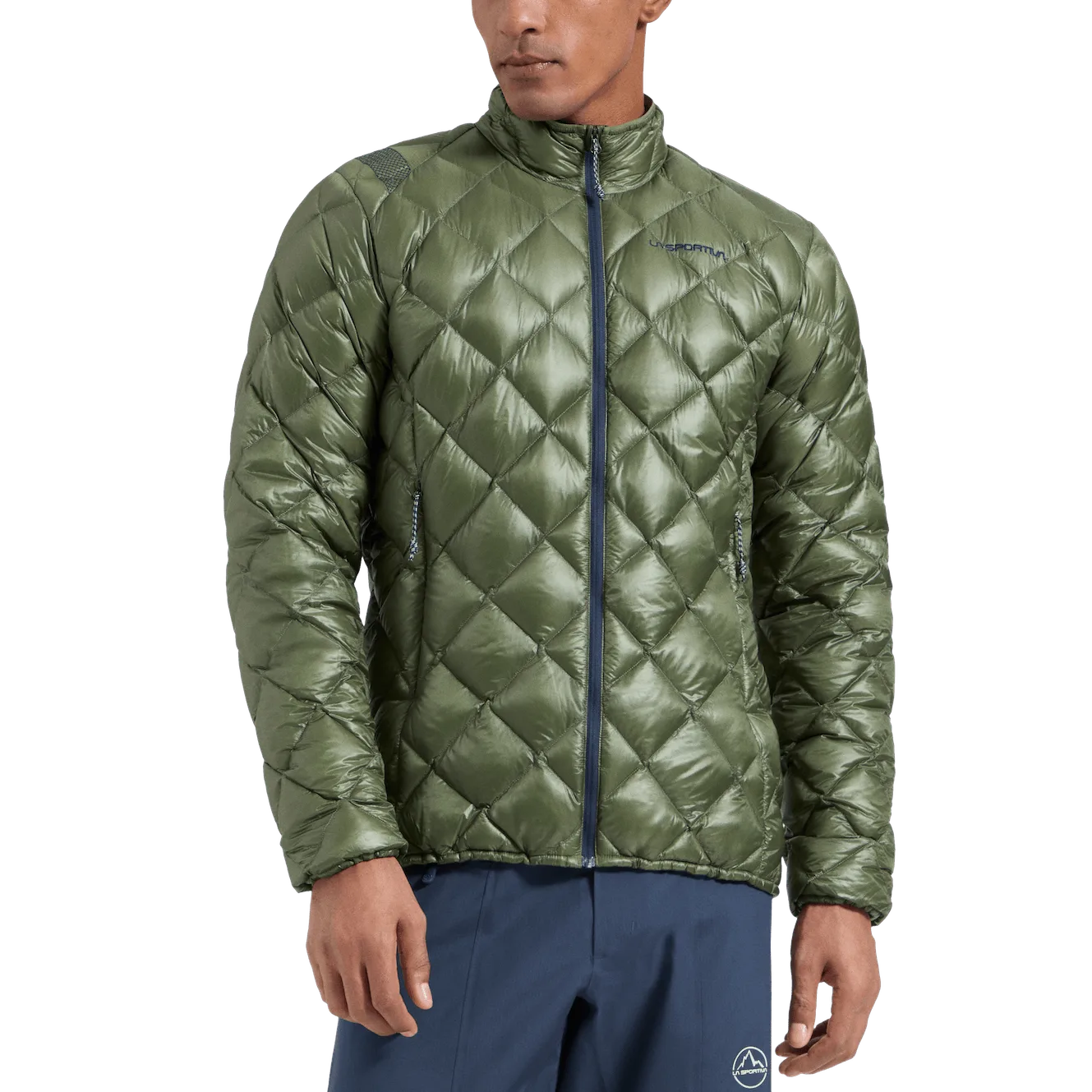
For alpine starts, belaying in sub-zero temperatures, or any trip where your pack space is tight, down is hard to beat. The Lumina 100 Down Jacket Men's illustrates the point: it weighs only 170g, packs to the size of an apple, and uses 70g of 1,000 cuin Italian down. That combination gives a ground-breaking warmth-to-weight ratio for mountaineers and technical alpinists. Keep in mind that down loses loft when wet, so pair it with a waterproof shell and keep it in a dry sack.
When synthetic makes sense: wet, fast, and active
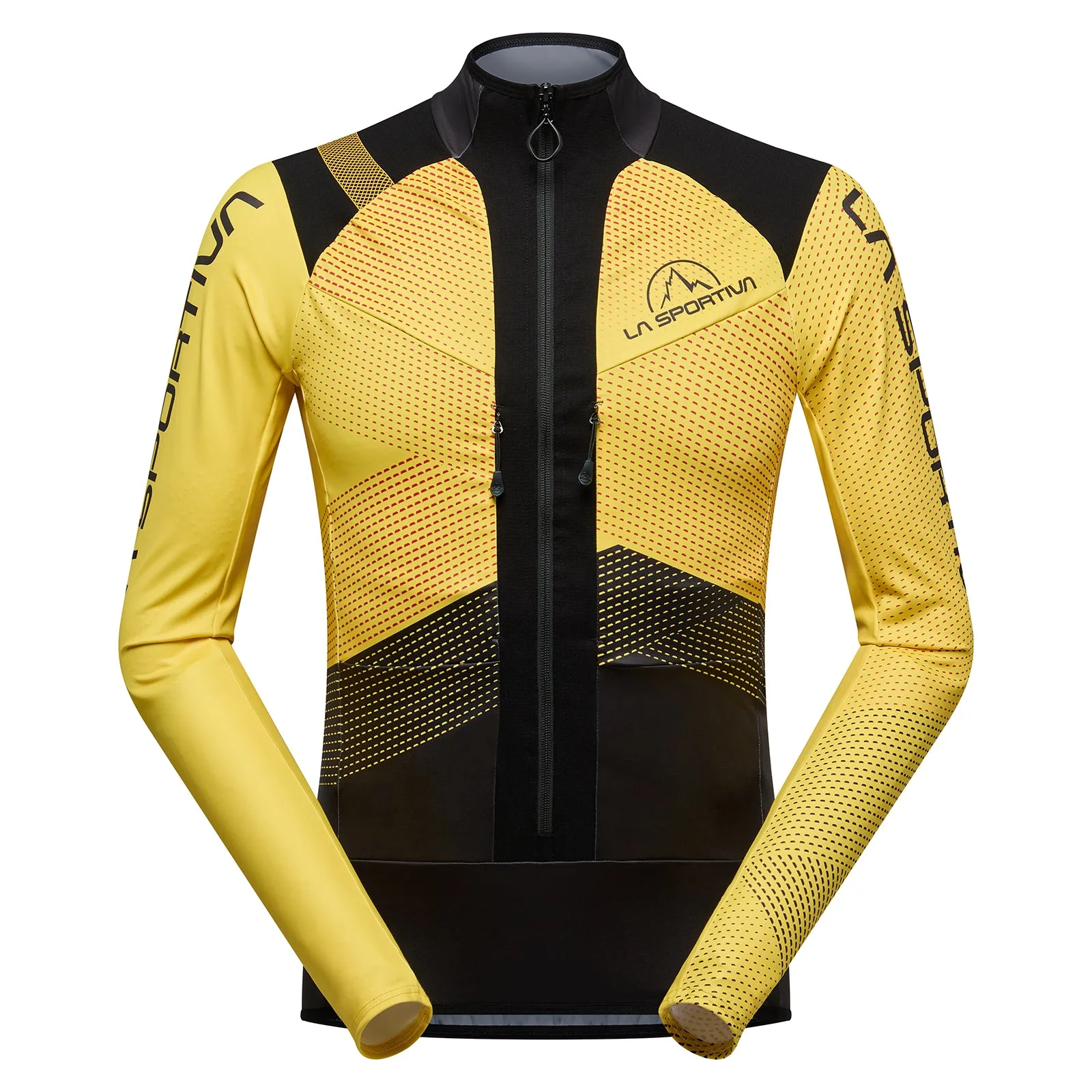
If your jacket will see sweat, sleet, or repeated damp conditions, synthetic insulation is the more forgiving choice. The Stratos VI Racing Jacket Men's is a lightweight ski jacket built for fast training and dynamic mountain days, with stretch fabric that supports movement. It is not a mountaineering belay parka, but for active skiers who generate heat and need flexibility, synthetic insulation keeps working when it gets damp. Note that the catalog does not specify the exact synthetic fill weight, so judge warmth by layering rather than a number.
Fit and layering: get the size right for the insulation
Insulation only works if the jacket fits correctly. A down jacket should be snug enough to trap heat but loose enough to layer over a midlayer without compressing the down. Synthetic jackets used for active sports should allow full arm movement and not bunch at the shoulders. Try your jacket on with the layers you plan to wear underneath, and check that the hem stays put when you raise your arms. If you are between sizes, size up for down to preserve loft, and consider your base layer thickness for synthetic.
Key trade-offs at a glance
- Warmth-to-weight: Down offers more warmth per gram; synthetic needs more weight for similar warmth. Choose down for weight-critical trips.
- Packability: Down compresses smaller; synthetic jackets generally take up more space. Choose down when pack space is limited.
- Wet-weather performance: Synthetic resists losing loft when damp; down clumps and loses warmth when wet. Choose synthetic for wet, active use.
- Durability and care: Down requires careful washing and drying to maintain loft; synthetic is more forgiving. Consider your willingness to care for down.
Product facts
- Lumina 100 Down Jacket Men's: Weighs only 170g with 70g of 1,000 cuin Italian down and compresses to the size of an apple. Extremely light and packable for alpine climbs where every gram and liter counts.
- Stratos VI Racing Jacket Men's: Lightweight ski jacket with stretch fabric for fast training and dynamic mountain days. Synthetic insulation and stretch support active movement in wet, fast-paced conditions.
Which should you choose?
Best for
- Alpine climbers and mountaineers who need maximum warmth for minimal weight and pack space
- Cold, dry conditions where you can keep your jacket protected from moisture
Not for
- Wet, rainy climates where down may lose loft
- High-output activities where breathability and moisture management are priorities