Quick answer
For most cold, wet backcountry hunts, a synthetic-insulated bag is the safer pick because it keeps insulating when damp and dries faster in camp. Choose down when the forecast is dry, you can keep the bag sealed in a waterproof stuff sack or liner, and you want the smallest, lightest packed load. If you run cold or hunt late-season, a warmer rating matters more than the fill type.
The down vs synthetic sleeping bag decision usually comes down to one question: what happens when the bag gets wet? Down lofts higher per ounce and packs smaller, which is why it dominates ultralight backcountry kits. Synthetic insulation trades some of that packability for the ability to keep trapping warmth after moisture gets in.
That trade-off matters most in a hunting camp, where you may be dealing with rain, snow, wet waders, and a tent that collects condensation overnight. Neither fill is magic, so the right answer depends on your forecast, your tolerance for a bulkier pack, and how well you can keep your bag dry.
How each insulation handles moisture
Down is made of natural clusters that trap air and loft. When those clusters absorb water, they collapse and lose much of their insulating power, and they dry slowly in cold, humid conditions. That does not make down useless in wet weather; it means you have to treat the bag as a piece of critical gear and keep it sealed until you are inside a dry tent.
Synthetic insulation is built from continuous or short-staple fibers that resist collapsing when damp. It will not keep you as warm as a dry down bag of the same weight, and it is bulkier to pack, but it degrades more gradually when moisture gets in. In a hunting camp where you may crawl in with damp base layers, that margin matters.
- Use a waterproof stuff sack or pack liner for any sleeping bag, and never store a bag compressed long-term.
- If you expect sustained rain or snow, assume some moisture will reach the bag no matter how careful you are.
Warmth, weight, and packed size
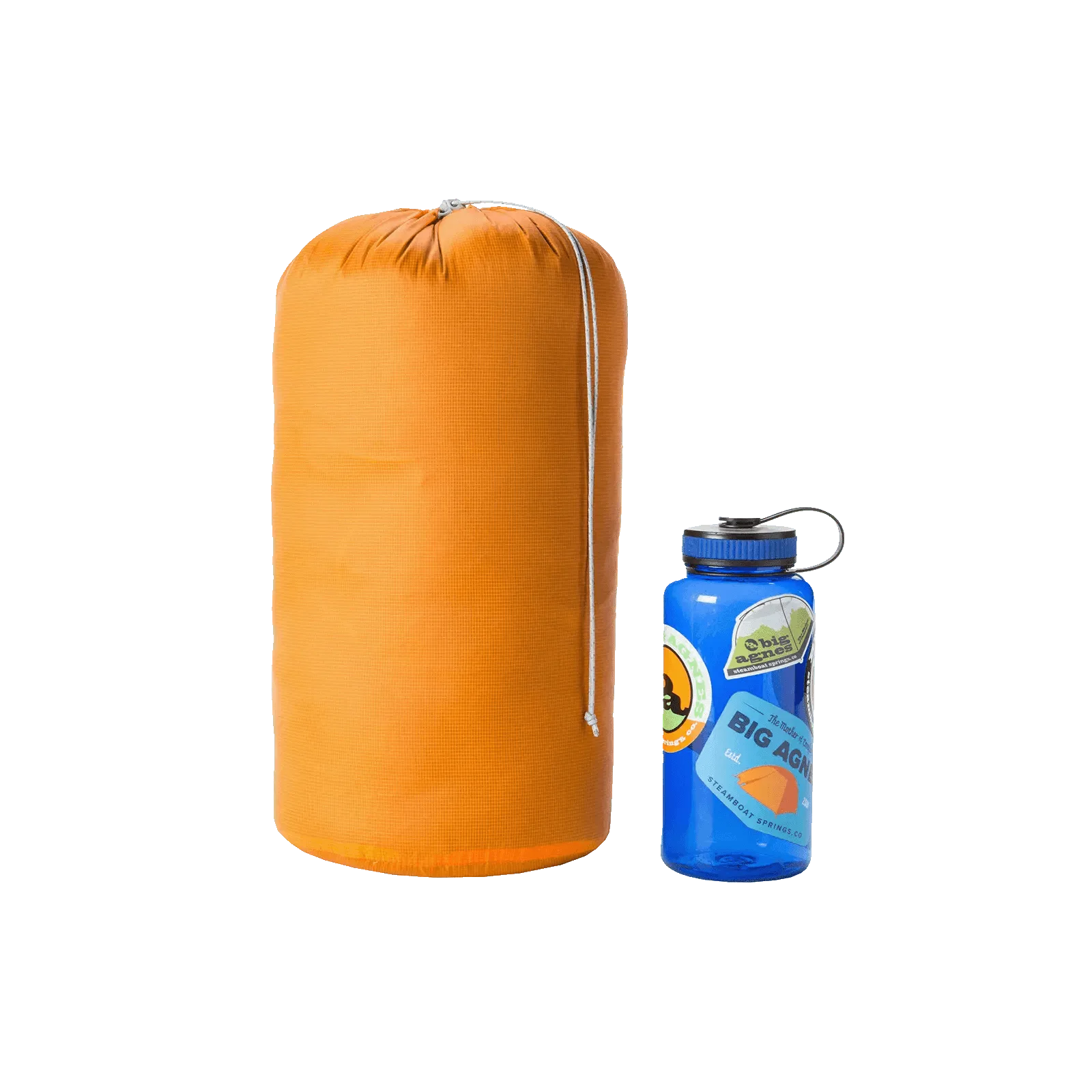
Down delivers more warmth per ounce than synthetic fill, so a down bag at a given temperature rating is usually lighter and packs smaller. That is a real advantage when you are carrying a pack, rifle, and game bags on a multi-day hunt. The trade-off is that down bags often cost more and require more care to keep dry.
Synthetic bags are heavier and bulkier for the same rating, which can push you into a larger pack or force you to leave something else at home. The payoff is durability and predictable performance in wet conditions. If your hunt involves a wall tent with a wood stove, you may have more drying capacity, which changes the math in favor of down.
- Compare temperature ratings only between bags that use the same standard; a comfort rating and a lower-limit rating are not the same number.
- If you sleep cold, size up on warmth rather than relying on a bag's limit rating.
Drying and care in a hunting camp
Synthetic bags dry faster and tolerate being stuffed damp without as much long-term damage, which is why they are common in wet coastal and early-season hunts. Down takes longer to dry and needs gentle heat and airflow, not a campfire. A wood stove in a wall tent can help, but you still should not cook a down bag near direct heat.
Whichever fill you choose, air the bag out every morning before you pack it. Body moisture accumulates overnight, and a few minutes of lofting in dry air makes a noticeable difference on night two. If the bag has a shell that is not fully waterproof, a lightweight liner or bivy adds another layer of protection.
- Hang or drape the bag inside the tent during the day when weather allows; direct sun is less important than airflow.
- Store the bag loosely at home, never compressed, to preserve loft.
Matching the bag to your hunt style
For a late-season rifle hunt in dry, cold conditions, down is hard to beat: it is lighter, packs smaller, and gives you more warmth for the weight. For early-season or coastal hunts where rain is likely, or for hunters who know they will be crawling into the bag wet, synthetic insulation is the more forgiving choice.
A practical middle path is a down bag with a water-resistant shell and a waterproof stuff sack, paired with disciplined camp habits. That gets you most of the packability benefit while acknowledging that down still needs protection. If you cannot commit to keeping the bag dry, choose synthetic and accept the extra bulk.
- Write your expected low temperature and precipitation on your gear list before you choose a bag.
- Test your sleep system on one or two local overnights before a major hunt.
Trade-offs at a glance
- Down: warmth-to-weight and pack size: Down lofts higher per ounce, so it is lighter and packs smaller for the same warmth. It also costs more and loses insulation value when wet, and it dries slowly in cold, humid conditions. Best when you can keep the bag dry and want the smallest pack.
- Synthetic: wet-weather reliability: Synthetic insulation resists collapsing when damp and dries faster, but it is heavier and bulkier for the same temperature rating and generally has a shorter lifespan. Best for wet, humid, or unpredictable hunts and hunters who may get in damp.
- Moisture management decides the winner: A waterproof stuff sack, a liner, and morning airing-out protect down. Without those habits, even a great down bag can fail in a wet camp. Synthetic is more forgiving of imperfect habits. Choose down only if you will actually protect it.
Product facts to compare
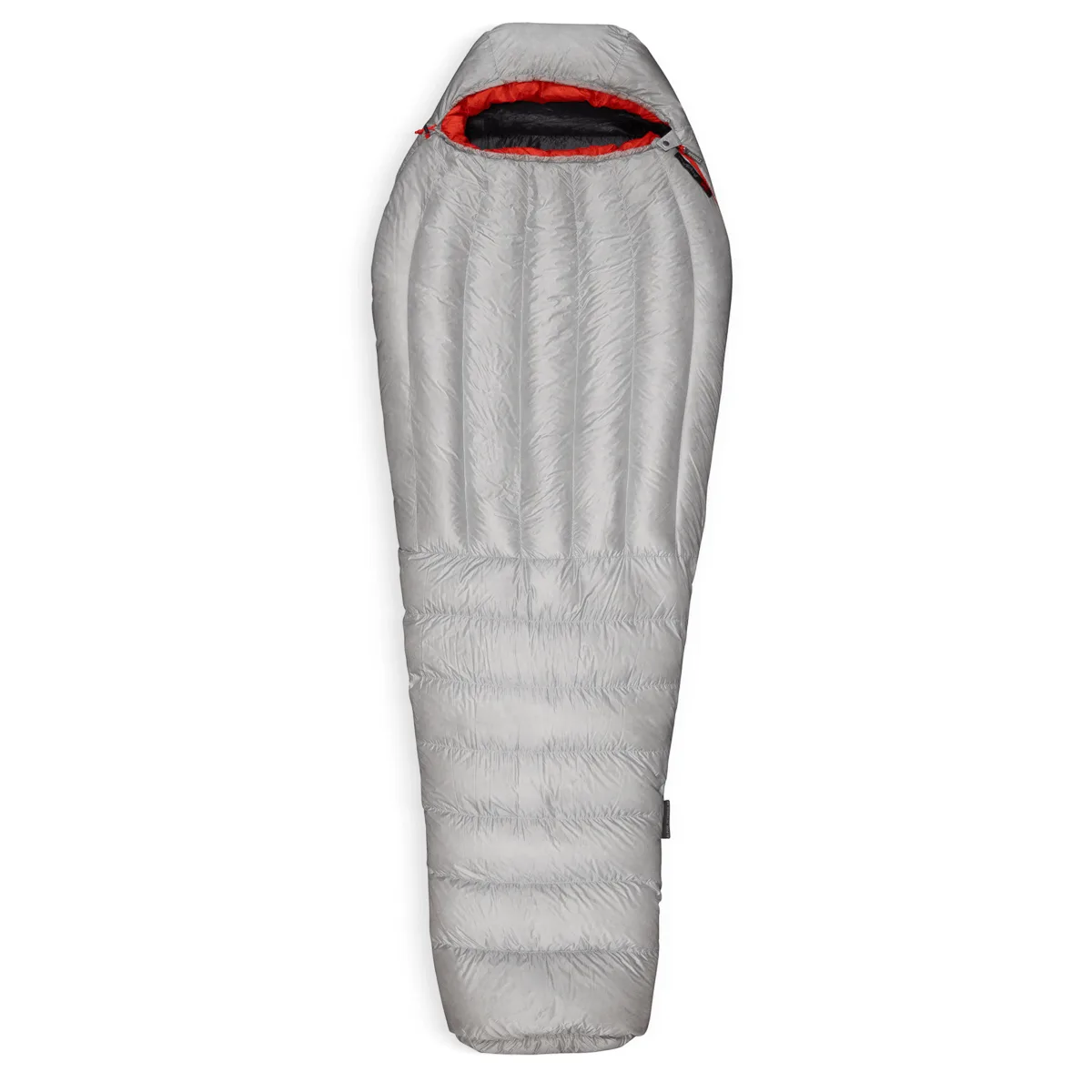
- Alpine 20 Degree Sleeping Bag: Named the Best Overall sleeping bag of the year by Backpacker Magazine, the Argali Alpine 20 Degree sleeping bag is designed for comfort and warmth in an ultralight package. The 20 degree regular is sold out and expected back mid-December; use the Notify Me When Back in Stock option to get an email when it is available. This is a concrete down-style option for hunters who want warmth in a light package, but availability is limited, so plan around the restock if you need it for a specific trip.
- Quarter Game Bag 17"x29": The Argali 17"x29" Quarter Bag is designed to fit a boned out elk or caribou quarter or a bone-in deer, sheep, pronghorn or goat quarter. It also works as a spare meat parts bag for elk or smaller big game, and it is made from a proprietary nylon blend fabric. A wet sleeping bag often means wet meat bags too. Having a dedicated quarter bag keeps your meat separate from your sleep system and helps you manage moisture in camp.
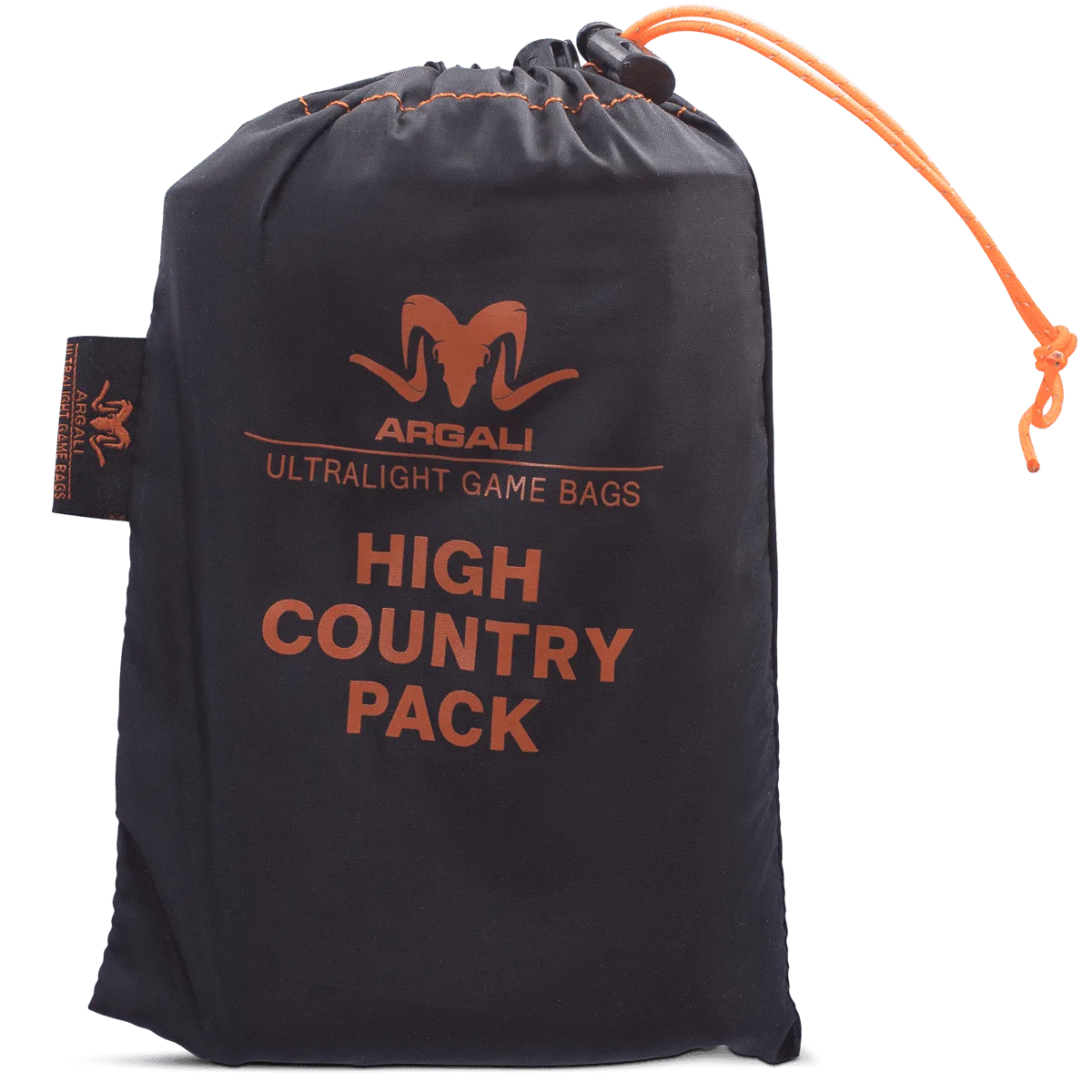
- High Country Pack Ultralight Game Bag Set: The Argali High Country Pack is the lightest, strongest and most compact set of game bags made by and for backcountry hunters on the market for deer sized game. It uses a durable, breathable, re-usable nylon blend that lets meat cool while keeping flies off. Breathable game bags help you dry and cool meat without trapping moisture, which is useful when your camp is already damp and you are trying to keep wet gear from spreading.
Which should you pack?
Best for
- Dry, cold late-season hunts where pack weight and bulk matter most
- Hunters who use a waterproof stuff sack and can air the bag out daily
- Wall-tent camps with a wood stove and space to dry gear
Not for
- Coastal or early-season hunts with sustained rain and high humidity
- Hunters who often crawl into the bag with damp clothing
- Trips where you cannot reliably keep the bag sealed and dry
Pick synthetic when the forecast is wet and you want a bag that forgives mistakes; pick down when the hunt is dry and you will protect the bag like the critical piece of gear it is. Either way, a waterproof stuff sack and a few minutes of morning airing-out will do more for your sleep than any fill type alone.