Quick answer
Choose down if you want the best warmth-to-weight ratio, compressibility, and long-term durability, and you can keep it dry. Choose synthetic if you often camp in wet, humid conditions or want a lower upfront cost and easier care. For most three-season backpackers, a down quilt like the Zenbivy Light Double Quilt or Core Quilt offers the best balance of weight, comfort, and packability.
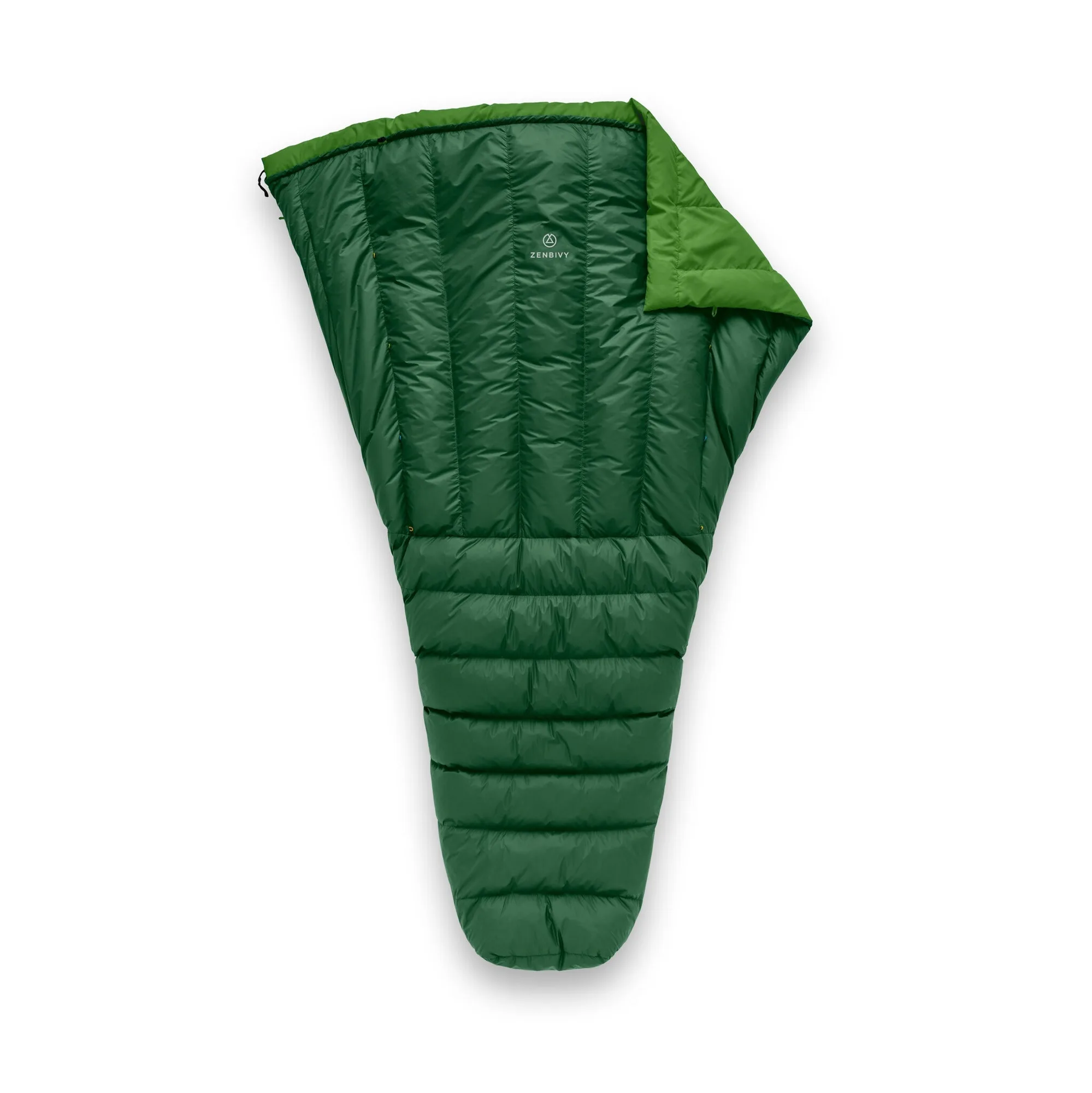
Core Quilt
Down and synthetic insulation both keep you warm, but they behave very differently when weight, moisture, and budget come into play. The right choice depends on where you sleep, how you sleep, and how much you are willing to spend.
This comparison breaks down the real trade-offs using supplied product facts from Zenbivy quilts, so you can match insulation to your trips instead of guessing.
Warmth-to-weight and packability
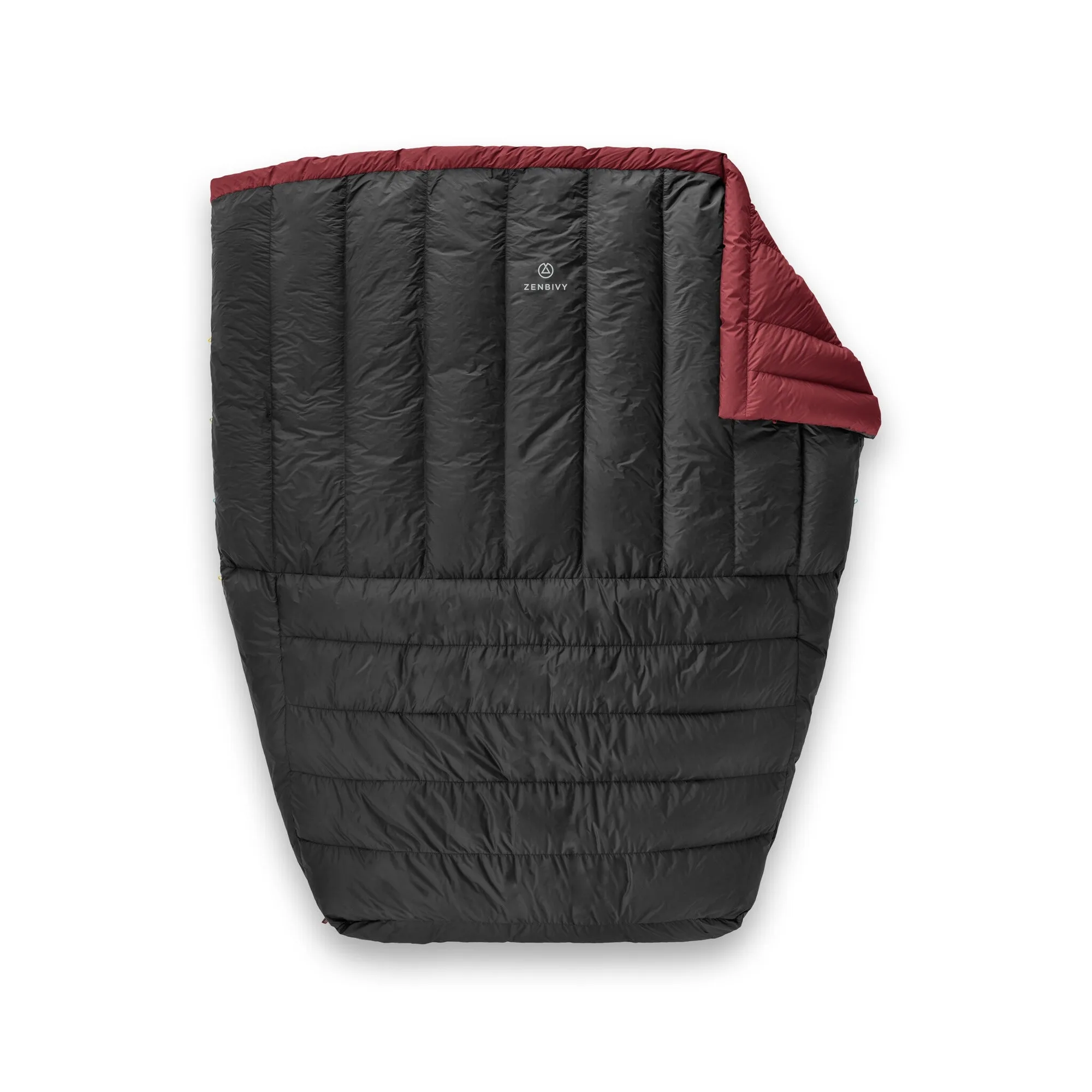
Down insulation traps more warmth per ounce than synthetic, so down bags and quilts pack smaller and lighter for the same temperature rating. The Zenbivy Light Double Quilt uses 800FP HyperDRY down and a 25D Pongee lining, which keeps the quilt soft and light while delivering strong warmth for two sleepers. If you count every gram, down is usually the clear winner.
Synthetic insulation is heavier and bulkier for the same warmth, but it costs less and handles moisture better. The Zenbivy Core Quilt uses a 50D Pongee lining for softness and comfort, and it is the simplest, most affordable backpacking quilt in the lineup. That makes it a strong choice for car campers, scouts, or anyone who wants a durable quilt without the down price tag.
- Weigh your packed quilt against your backpack volume: down saves space, synthetic fills it faster.
Wet-weather performance
Down loses loft when it gets soaked, and wet down is slow to dry in the field. That is the biggest argument for synthetic if you routinely camp in rain, fog, or high humidity. Synthetic insulation retains more warmth when damp and dries faster, though it still should not be soaked.
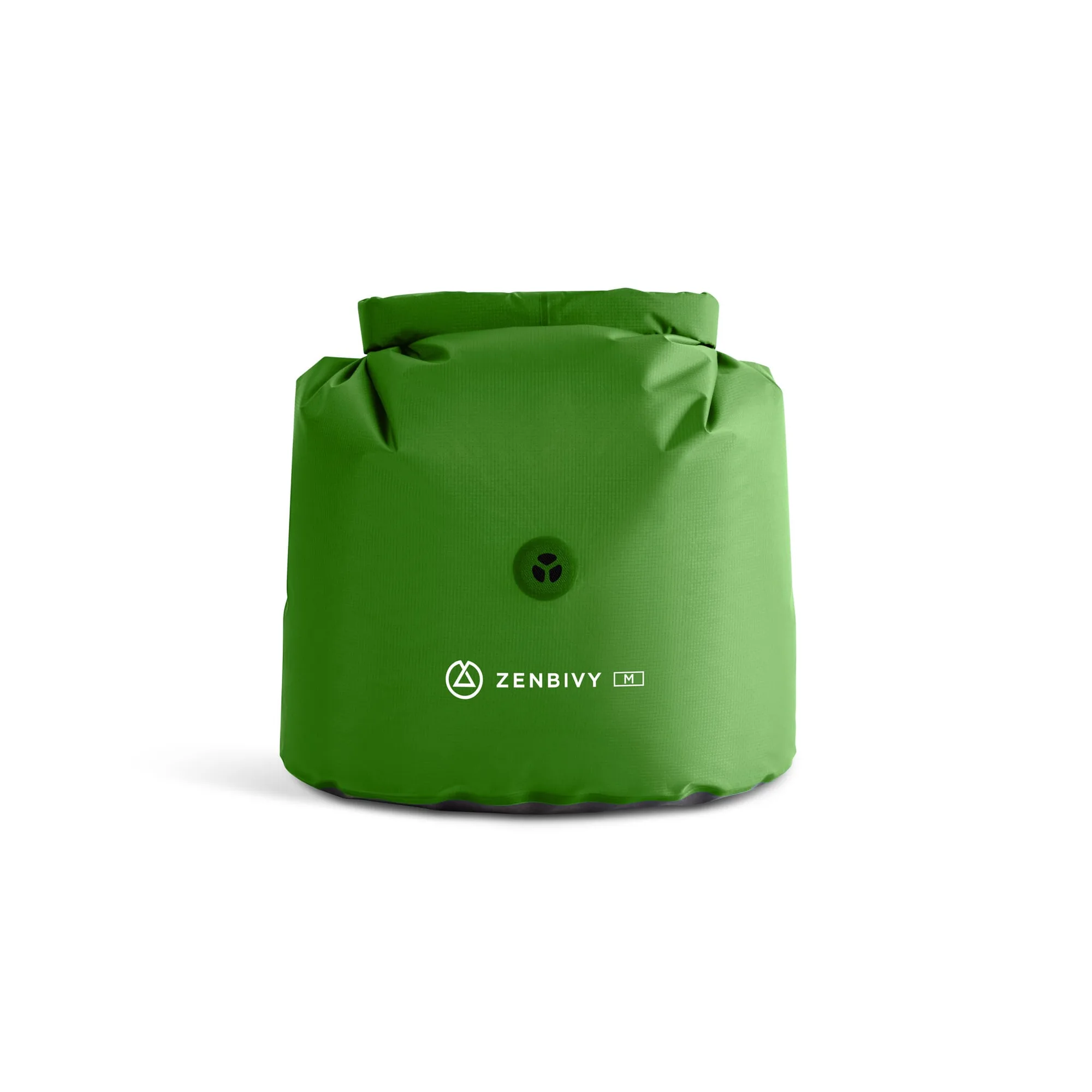
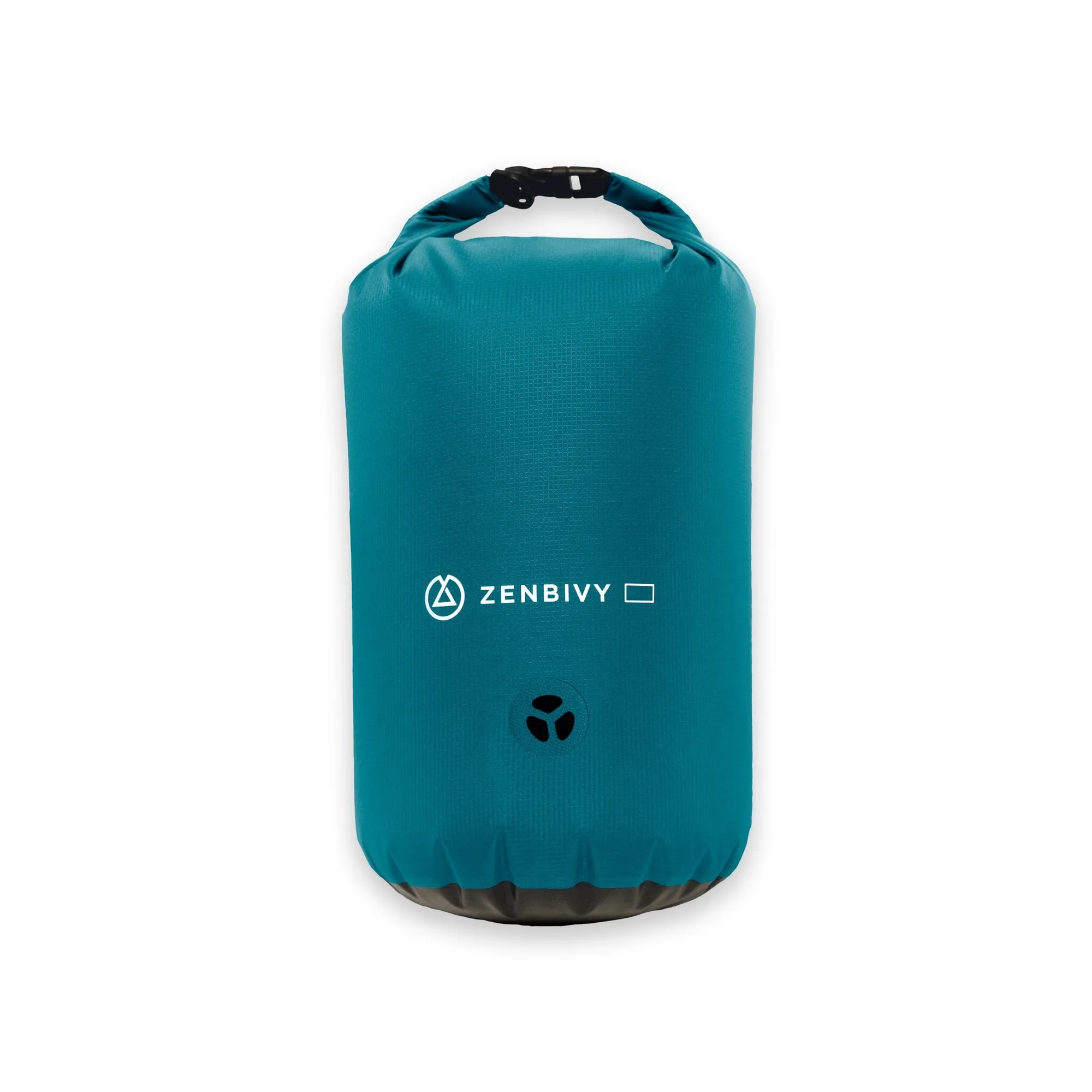
The Zenbivy Light Double Quilt uses HyperDRY down, which is treated to resist moisture, but it is still down and should be protected with a dry sack or a waterproof pack liner. The Zenbivy Core ZipBed uses 650FP duck down and a 20D nylon shell, offering dependable warmth and exceptional value, but it also benefits from a dry sack in wet conditions. If you expect persistent wet weather, a synthetic quilt or a down quilt with a waterproof storage sack is the safer bet.
- Always pack your quilt in a dry sack or pack liner, regardless of insulation type.
Cost, care, and lifespan
Down costs more upfront because it takes more processing and fills better. The Zenbivy Core Quilt is the most affordable option at USD 104.50, while the Light Double Quilt is USD 249.50. Synthetic insulation costs less and is more forgiving if you forget to air it out, but it loses loft faster over years of use.
Down lasts longer if you wash it correctly and store it loose. Synthetic is easier to clean and does not clump, but it may need replacing sooner. The Zenbivy Core ZipBed sits in the middle at USD 164.50, with a 50D Pongee liner for comfort and a 20D nylon shell to keep pack weight in check. It is a practical compromise for backpackers who want down performance without the highest price.
- Use a down-specific cleaner and dry thoroughly with dryer balls to restore loft.
System compatibility and sleep style
Insulation type is only part of the decision. Quilts and bags work best when they match your sleep system. The Zenbivy Light Sheet is compatible with any Zenbivy clip quilt, blocks drafts, eliminates constriction, and keeps your pillow securely in place. It also has an insulated hood for cold nights, available in down and synthetic, so you can mix insulation types across your setup.
If you sleep cold or move a lot, a quilt with a sheet may feel more comfortable than a traditional mummy bag. The Zenbivy Core Bed Bundle combines a Core Quilt, Core Sheet, Flex Air Mattress, SoftTop Pillow, and Dry Sack into one complete bed, which simplifies matching insulation to your sleep style. For couples, the Light Double Quilt pairs with a Light Double Sheet for a backcountry sleep system for two.
- Match your quilt to your pad width and pillow to avoid drafts and cold spots.
Trade-offs at a glance
- Down: warmth-to-weight: Down delivers more warmth per ounce and packs smaller than synthetic, which matters on long hikes. Choose down if pack weight and volume are top priorities.
- Synthetic: wet-weather resilience: Synthetic retains more warmth when damp and dries faster, but it is heavier and bulkier. Choose synthetic if you often camp in wet or humid conditions.
- Down: cost and care: Down costs more upfront and needs careful washing and dry storage to maintain loft. Choose down if you will maintain it and want a longer-lasting quilt.
- Synthetic: budget and simplicity: Synthetic is cheaper, easier to clean, and more forgiving if stored damp, but it loses loft faster. Choose synthetic if you want low maintenance and a lower price.
Product facts
- Light Double Quilt: Features 25D Pongee lining and 800FP HyperDRY down; pairs with a Light Double Sheet for a backcountry sleep system for two. High fill power down gives excellent warmth-to-weight and packs small, while the treated down resists moisture better than untreated down.
- Core ZipBed: Zippered version of the Core Bed with a 50D Pongee liner, 20D nylon shell, and 650FP duck down insulation. The zippered design adds draft-free convenience, while the 650FP down balances warmth and value for backpackers who want down without the highest price.
- Core Quilt: Simplest, softest, and most affordable backpacking quilt with a 50D Pongee lining. A lower-cost entry into quilt camping with premium comfort, ideal for budget-conscious or occasional backpackers.
- Light Sheet: Compatible with any Zenbivy clip quilt; blocks drafts, eliminates constriction, keeps pillow in place, and has an insulated hood available in down and synthetic. Lets you mix insulation types and add draft protection without replacing your quilt.
Which should you buy?
Best for
- Backpackers who count ounces and pack volume
- Cold sleepers who want maximum warmth for the weight
- Campers who can keep their quilt dry with a dry sack
Not for
- Campers who frequently sleep in soaking rain or high humidity
- Budget-focused buyers who want the lowest upfront cost
- Anyone who prefers tossing a damp quilt in a washing machine without special care
Down wins on warmth-to-weight and packability; synthetic wins on wet-weather resilience and price. Match the insulation to your climate and habits, and you will sleep better without overpaying or overpacking.