Quick answer
Dragons are myths, not historical creatures, but their stories reveal real cultural truths. The Dragon: Tales and Legends Book is a great read to explore these myths.
Why dragons feel historical
Dragons appear in stories across cultures and centuries, which makes them feel timeless and almost real. The book Dragon: Tales and Legends explores dragon lore across cultures, showing how each region shaped the myth to fit its own fears and values.
That consistency across cultures is why some people wonder if dragons were based on real animals or events. But the book focuses on the stories themselves, not on proving whether dragons existed.
The trade-off: myth vs. history
If you want a historical account of real creatures, this book is not that. It is a collection of legends and tales, which means it prioritizes narrative and symbolism over historical evidence.
The value is in seeing how dragons symbolize power, guardianship, destruction, and wisdom. That is the real takeaway for readers interested in mythical creatures history.
Verdicts on dragon myths
- Are dragons real?: No. Dragons are mythical creatures, not historical animals. The book treats them as legends, not facts. Look for historical texts elsewhere if you need evidence-based accounts.
- Is dragon folklore worth studying?: Yes. The stories reveal cultural values about power, guardianship, destruction, and wisdom. Read the book to see how each culture shaped its dragon myth.
- Does the book claim dragons existed?: No. It presents dragon tales and legends as stories, not historical records. Enjoy it as a mythology collection, not a history book.
About the book
-
Dragon: Tales and Legends Book: The book explores dragon lore across cultures and centuries, where each story reveals a different face of the same enduring myth. This gives you a broad view of dragon folklore, so you can compare how different cultures portrayed dragons.
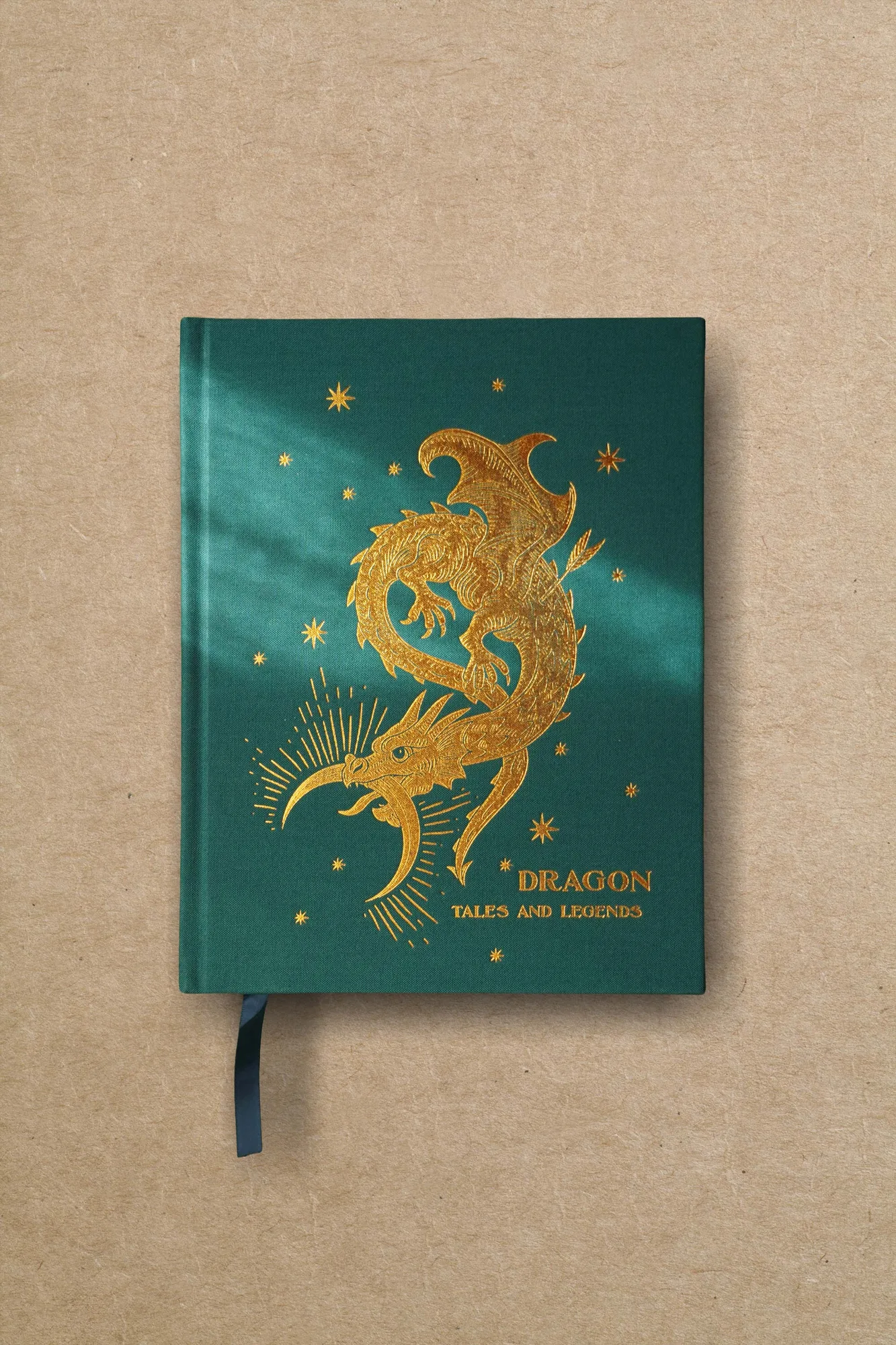
Dragon: Tales and Legends Book