When it comes to serving drinks at the dinner table, the choice between a draining glass and a carafe can significantly impact both aesthetics and functionality. Each has its own set of advantages, and the best option often depends on your specific needs, the type of beverage, and the occasion. In this comparison, we'll delve into the characteristics of draining glasses and carafes, helping you decide which is better for serving water, wine, or other refreshments.
Whether you're hosting a formal dinner or enjoying a casual meal, the right serving vessel can enhance the experience. Draining glasses, often used for rinsing or draining, have found their way into drinkware due to their versatility. Carafes, on the other hand, are classic vessels designed for aerating and serving wine or water. Let's explore their differences to help you make an informed choice.
What Is a Draining Glass?
A draining glass is typically a glass with a perforated or slotted design that allows liquid to drain away while holding solid contents. While traditionally used in the kitchen for rinsing fruits or vegetables, draining glasses have become popular for serving drinks, especially when you want to keep ice separate or serve garnishes. The perforations make it easy to shake off excess liquid, and when used as a serving piece, it can add a modern, industrial touch to your table.
For example, the Turner »Gentle«, with large, perforated spoon is a kitchen tool that embodies this concept, though it's not a glass. However, the idea of perforation is central to draining glasses. When serving drinks, a draining glass might be used for chilled beverages where ice needs to be strained, or for serving fruit-infused water where the fruit stays in the glass while the liquid is poured.
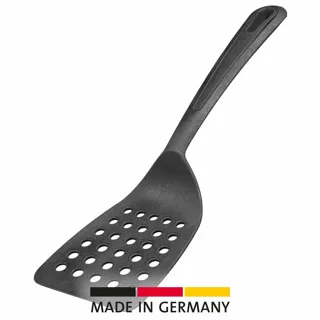
Turner »Gentle«, with large, perforated spoon
- Ideal for serving drinks with ice or fruit that needs to be separated from the liquid.
What Is a Carafe?
A carafe is a container with a wide base and a narrow neck, typically used for serving wine, water, or juice. Its primary purpose is to aerate the beverage, allowing it to breathe and enhance its flavors. Carafes are often made of glass or crystal and come in various sizes and shapes. They are a staple in fine dining and casual settings alike, offering an elegant way to present drinks at the table.
When serving wine, a carafe allows the wine to oxidize, softening tannins and releasing aromatic compounds. For water, a carafe provides a stylish way to keep a pitcher on the table, often with a lid or stopper to prevent spills. The Basket »Coolorista« square, 23 x 23 x 9 cm, ruby-red is a storage solution that can complement your carafe, but the carafe itself is the star for serving.
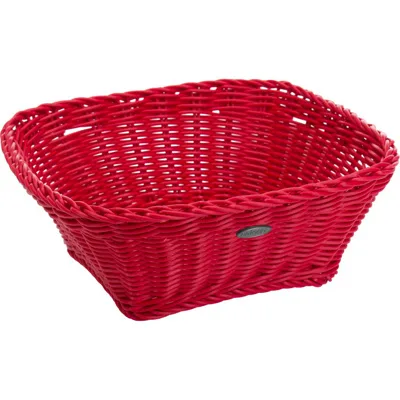
Basket »Coolorista« square, 23 x 23 x 9 cm, ruby-red
- Perfect for aerating wine and enhancing its flavor.
Key Differences Between Draining Glass and Carafe
The most obvious difference lies in their design and purpose. A draining glass is designed to let liquid pass through, while a carafe is designed to hold liquid. This fundamental distinction affects how they are used. Draining glasses are more niche, often used for specific serving styles, whereas carafes are versatile and can be used for a variety of beverages.
Another difference is the material and construction. Draining glasses often feature perforations or mesh, which can be made of glass or stainless steel. Carafes are typically made of clear glass to showcase the beverage's color and clarity. Additionally, carafes often have a stopper or lid, while draining glasses are open to allow for draining.
- Draining glasses are for straining; carafes are for holding and aerating.
- Carafes are more traditional for table service; draining glasses are more modern and casual.
When to Use a Draining Glass
Draining glasses are excellent for serving drinks that need to be strained, such as freshly squeezed juices with pulp, or cocktails that require ice to be separated before serving. They are also great for presenting fruit-infused water, where you can keep the fruit in the glass and pour the liquid through the perforations, leaving the fruit behind. This not only looks appealing but also allows guests to control the intensity of the flavor.
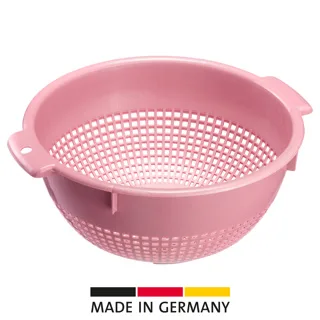
In a casual setting, a draining glass can be used to serve cold beverages like iced tea or lemonade, where the ice can be kept in the glass while pouring. The Strainer, inner ø 24 cm, pink is a related kitchen tool that might be used for similar purposes, but the draining glass itself offers a more direct serving solution.
- Use a draining glass for iced drinks to keep ice separate from the liquid when pouring.
When to Use a Carafe
Carafes are the go-to choice for serving wine, especially red wines that benefit from aeration. They are also perfect for serving water at the dinner table, adding a touch of elegance. A carafe can be filled with chilled water and placed on the table, allowing guests to serve themselves. The wide base provides stability, and the narrow neck helps control the pour.
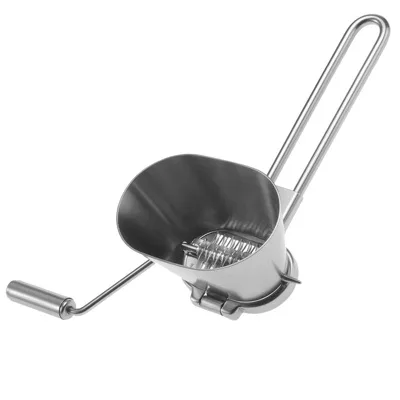
For a formal dinner party, a carafe filled with a beautiful rosé or a refreshing infused water can be a centerpiece. The Herb mill stainless steel might be used to grind herbs for a garnish, but the carafe remains the primary serving vessel. The Placemat »Circle«, round Ø 38 cm, grey could complement the carafe when setting the table, but the carafe itself is the focus.
- Choose a carafe for serving wine at dinner parties to enhance flavor.
Which Is Better for Serving Drinks?
The answer depends on your priorities. If you value versatility and classic elegance, a carafe is the better choice. It can serve a wide range of beverages, from water to wine, and is a staple in any well-equipped kitchen. Carafes are also easier to clean, as they typically have a smooth interior without perforations that can trap residue.
On the other hand, if you're looking for a unique, modern way to serve drinks, especially those that benefit from straining, a draining glass offers a distinctive presentation. It's also a great conversation starter and can be used for both serving and prep. However, draining glasses are less common and may not be suitable for all beverages, particularly those that need to be kept still, like a fine wine.
- For everyday use, a carafe is more practical; for special presentations, a draining glass adds flair.
In the end, both draining glasses and carafes have their place in a well-rounded drinkware collection. If you're looking to elevate your wine service, a carafe is indispensable. For those who enjoy creative presentations, a draining glass can be a fun addition. Consider your typical serving needs and choose the one that aligns with your style. Explore our selection of drinkware to find the perfect vessel for your next gathering.