Quick answer
Wash a drawstring backpack only when it actually needs it: spot-clean small marks first, then hand-wash in cold water with a gentle detergent and air-dry away from direct heat. For cotton canvas and quilting cotton bags, expect 3-5% shrinkage on the first wash, so pre-wash fabric before sewing and keep future washes cold. Repair cords and seams early, before stress pulls the fabric out of shape.
A drawstring backpack takes more abuse than almost any other sewn accessory. It gets dragged across gym floors, stuffed into lockers, and cinched shut hundreds of times, which puts all the stress on two narrow channels and one cord. That is why drawstring backpack care is less about deep cleaning and more about protecting the parts that fail first.
The good news: most fabric drawstring bags are easy to maintain if you match the method to the material. A cotton canvas bag and a quilting cotton bag behave differently in water, and a lined bag with a cord stop needs different handling than a simple unlined sack. Below are the decision rules we use, plus the fabric facts that explain why they work.
Decide whether the bag needs a full wash or just a spot clean
Most drawstring backpacks do not need a full wash. If the bag is dusty, smelly, or has one or two visible marks, start with spot cleaning: mix a drop of gentle detergent in cool water, dab with a soft cloth, and blot dry. This protects the fabric finish, the cord, and any print or lining. A full wash is worth it when the bag is heavily soiled, has been exposed to something greasy, or has an odor that spot cleaning cannot lift.
The trade-off is real. Every full wash adds abrasion and a little shrinkage, so a bag washed monthly will wear out faster than one spot-cleaned monthly. If the bag is used daily for gym clothes, plan on a full wash every few weeks rather than every week, and rotate a second bag if you can.
- Spot clean first for isolated marks, dust, or light odor.
- Full wash only for heavy soiling, grease, or persistent smell.
- Never machine-wash a bag with a cord stop, metal grommets, or a plastic buckle unless you remove those parts first.
Match the wash method to the fabric
Fabric content decides everything. Cotton canvas and quilting cotton are both washable, but they shrink differently and react to heat differently. A medium-weight organic canvas is versatile enough for apparel and accessories and has enough structure for home decor, which also means it holds shape well but can soften with repeated washing. Quilting cotton is medium weight and tends to hold its shape even after being handled, so it survives gentle washing but can fray at raw seams if the bag is not finished inside.
For either fabric, use cold water and a gentle detergent. Hot water is the main cause of shrinkage and color fading, and it also stresses any fusible interfacing inside the bag. If the bag is lined or has a stabilizer, hand-washing is safer than machine-washing because agitation can delaminate fusible products.
- Cold water, gentle detergent, no bleach.
- Hand-wash lined or interfaced bags; machine-wash only simple unlined cotton bags on a delicate cycle in a pillowcase.
- Skip fabric softener, which coats fibers and reduces absorbency and print clarity.
Dry a drawstring backpack without shrinking or warping it
Air-drying is the default for every fabric drawstring bag. Reshape the bag while it is damp, open the drawstring channel so air can move through it, and hang it by the top loop or lay it flat on a towel. Keep it out of direct sun and away from radiators, because heat is what causes shrinkage and can make prints fade.
If you must use a dryer, use the lowest heat setting and remove the bag while it is still slightly damp, then reshape and air-dry the rest of the way. Expect cotton to shrink 3-5% on the first wash, so a bag that fits snugly now may fit differently after washing. That is a reason to pre-wash fabric before sewing a handmade backpack, not after.
- Air-dry flat or hang by the top loop; avoid direct sun and direct heat.
- Open the drawstring channel so the cord and channel dry completely.
- Never dry a bag with a plastic cord stop or coated hardware on high heat.
Repair cords, channels, and seams before they fail
The drawstring channel and cord are the first things to wear out. If the cord is fraying, replace it rather than knotting it shorter, because a shortened cord puts more strain on the channel. If the channel seam is pulling open, reinforce it with a short row of stitching at the stress point, then re-thread the cord with a safety pin. For a cord that keeps slipping, a cord stop is a five-minute fix that prevents the bag from opening in transit.
Seam repairs are straightforward on cotton bags. Turn the bag inside out, stitch over the failed seam with a matching thread, and finish the raw edge if it is exposed. If the fabric itself has torn, a patch of similar-weight cotton applied with a small zigzag stitch will outlast a simple darn. Repair early: a two-minute stitch now prevents a full channel rebuild later.
- Replace frayed cord instead of shortening it.
- Reinforce channel stress points with a short row of stitching.
- Patch torn fabric with similar-weight cotton and a zigzag stitch.
Store and rotate the bag to extend its life
Storage matters more than most people expect. Hang the bag by its loop rather than stuffing it into a tight cubby, and loosen the drawstring so the channel is not under tension for months. If the bag is stored damp, mildew can set into cotton, which is difficult to remove without harsh treatment. Make sure it is completely dry before it goes into a closet or bin.
If you use one drawstring backpack every day, consider a second bag in rotation. Alternating bags gives each one time to dry fully and reduces the number of washes per bag per year. That single habit does more for drawstring bag maintenance than any specialty detergent.
- Store dry, loosely cinched, and hanging by the loop.
- Rotate two bags if you carry one daily.
- Check the cord and channel every few months for early wear.
Decision rules for drawstring backpack care
- Spot clean vs. full wash: Spot clean for isolated marks, dust, or light odor. Full wash only for heavy soiling, grease, or odor that spot cleaning cannot lift. Fewer full washes means less abrasion and slower wear.
- Hand-wash vs. machine-wash: Hand-wash lined, interfaced, or hardware-equipped bags. Machine-wash only simple unlined cotton bags on a delicate cycle inside a pillowcase. If in doubt, hand-wash; agitation is what damages fusibles and prints.
- Cold water vs. hot water: Always cold water with gentle detergent. Hot water drives shrinkage, fading, and interfacing failure. Cotton shrinkage runs about 3-5%, so keep future washes cold.
- Air-dry vs. machine-dry: Air-dry flat or by the top loop, away from direct heat. Use the lowest dryer heat only as a fallback and remove the bag slightly damp. Heat is the single biggest cause of a bag that no longer fits.
- Repair now vs. replace later: Replace frayed cord, reinforce channel stress points, and patch torn fabric with similar-weight cotton as soon as you notice it. Early repairs cost minutes; a failed channel costs a rebuild.
Fabric facts that affect drawstring backpack care
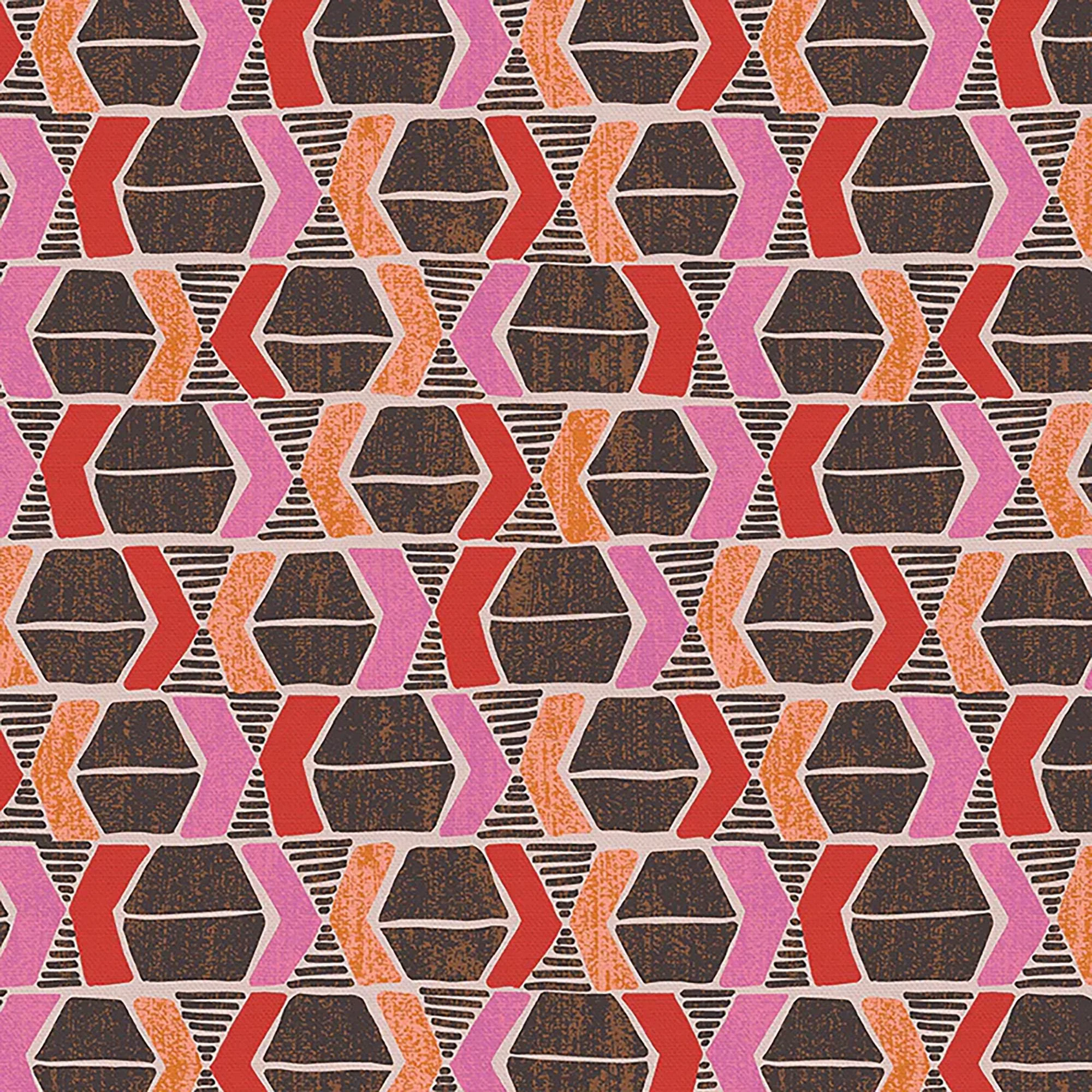
- Yucatan Pink/Red Organic Canvas from Belize by Lauren Poole for Paintbrush Studio Fabric: Medium-weight organic canvas that is versatile and lightweight enough for apparel and accessories. Canvas holds structure well in a drawstring backpack, but it still shrinks in heat, so cold washing and air-drying protect the fit and the print.
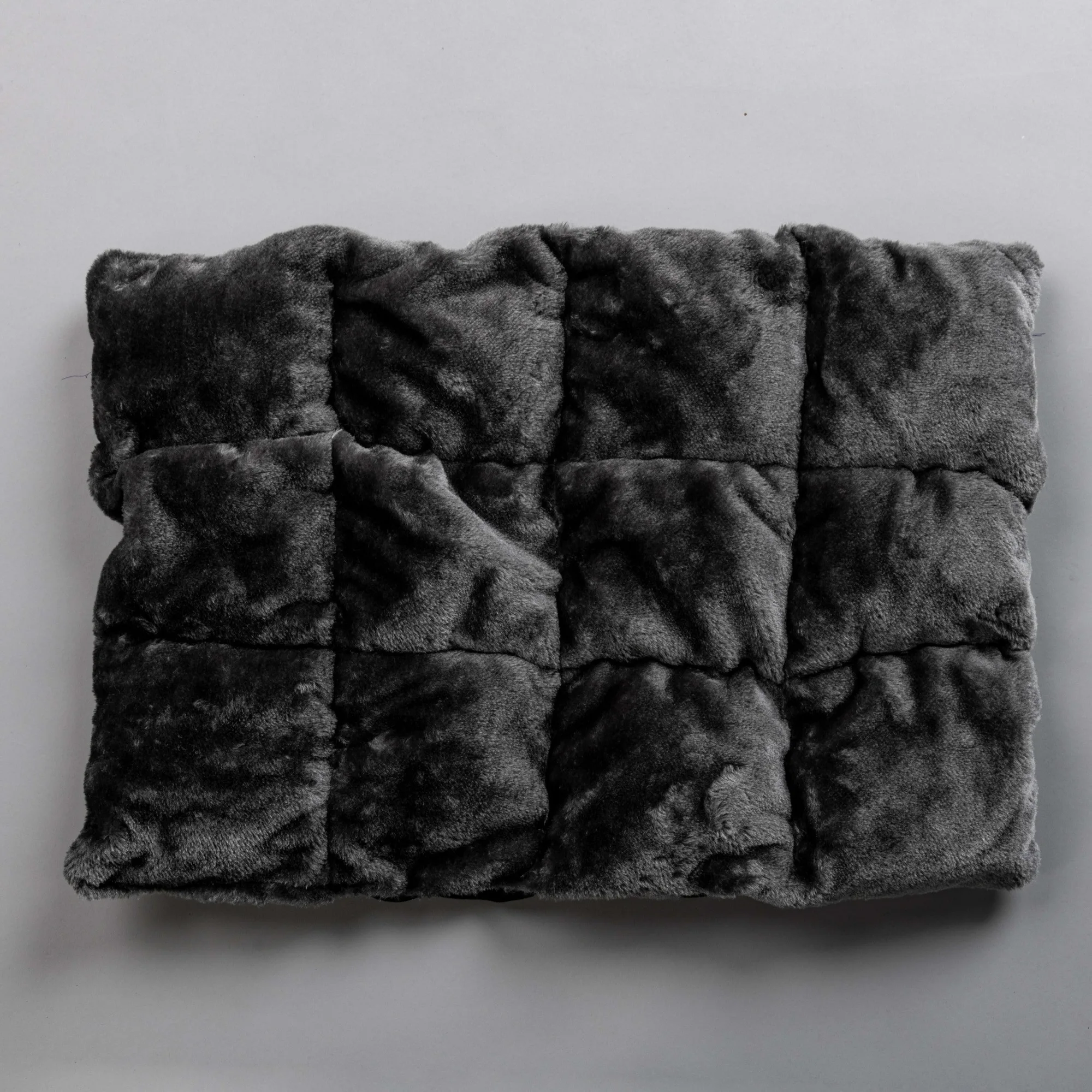
- Waved Charcoal Organic Canvas from Waved by Erin Borja for Paintbrush Studio Fabric: Medium-weight canvas with enough structure for home decor projects such as window coverings and upholstery. A structured canvas bag keeps its shape through gentle washing, but the added body means it dries more slowly, so open the channel fully when air-drying.
- Ornaments Green by Liz Mytinger from Oh What Fun! for Paintbrush Studio Fabric: Quilting cotton, a medium-weight fabric that tends to hold its shape even after being handled. Quilting cotton is easy to wash but can fray at raw seams, so finish interior seams before the first wash to prevent channel blowouts.
- Kona Cotton Titanium - Gray Solid Fabric: 100% cotton, 44 inches wide, 4.35 oz. per square yard. A solid quilting cotton is a practical choice for linings and patches, and its known weight makes it easy to match to a lightweight drawstring bag.
Is this care routine right for your bag?
Best for
- Cotton canvas and quilting cotton drawstring backpacks used for gym clothes, books, or light daily carry
- Handmade backpacks sewn from pre-washed cotton fabric where shrinkage is already accounted for
- Lined or interfaced bags that need gentle handling to protect fusible products
Not for
- Bags with coated, waterproof, or laminated fabrics that require manufacturer-specific cleaning
- Backpacks with rigid frames, molded hardware, or electronics compartments that should not get wet
- Heavily soiled bags with mildew or oil contamination that need professional cleaning or replacement
Drawstring backpack care comes down to a few habits: spot clean first, wash cold and by hand when you must, air-dry away from heat, and repair cords and seams the moment they start to fail. Match the method to the fabric, respect the 3-5% shrinkage that comes with cotton, and your bag will hold its shape and its print for years of daily use.