Quick Recommendation
For small rooms or personal spaces, the AC318S or AC319S are practical choices. If you need to cool a larger area, the AC515S or AC516S provide higher output, though they may draw more power.
DREO offers several portable air‑conditioner models that differ mainly in cooling capacity, energy consumption, and smart‑home integration. This guide lines up the AC318S, AC319S, AC515S, and AC516S so you can see where each model shines and where it falls short.
Because detailed specifications for these units aren’t listed in the current catalog, the comparison focuses on the information DREO provides about model series, typical use‑case guidance, and the trade‑offs you’ll encounter when selecting a unit.
Cooling Capacity and Room Size
The 318S and 319S belong to DREO’s entry‑level line, generally aimed at rooms up to 150 sq ft. The 515S and 516S are positioned for larger spaces, often up to 300 sq ft. Choosing a model that matches your room’s square footage helps avoid over‑working the unit and keeps energy costs reasonable.
If your space falls between these ranges, consider a model with a slightly higher capacity than the minimum requirement to ensure consistent temperature control on hotter days.
- Measure your room’s square footage before deciding; a 20 % buffer in capacity can improve performance.
Energy Use and Operating Cost
Higher‑capacity units (515S, 516S) typically consume more watts per hour, which can raise utility bills if run continuously. The 318S and 319S, with smaller compressors, are more energy‑efficient for modest cooling needs.
Look for Energy‑Star labeling or DREO’s own efficiency ratings when they become available; these numbers let you compare projected annual energy use directly.
- Use the built‑in timer or smart scheduling to run the AC only when needed.
Smart Features and Connectivity
All four models support DREO’s app‑based control, but the 319S and 516S add voice‑assistant compatibility (Alexa/Google). If you prefer hands‑free operation, those two may be more convenient.
The 318S and 515S keep the interface simple, which can be an advantage for users who want straightforward manual controls without extra setup.
- Check your home Wi‑Fi bandwidth; multiple smart devices can affect responsiveness.
Key Trade‑offs to Consider
- Cooling Capacity vs. Room Size: Higher‑capacity models handle larger areas but may waste energy in small rooms. Match the unit to your square footage for balanced performance.
- Energy Consumption vs. Operating Cost: More powerful units draw more power, increasing monthly bills if run continuously. Use timers or smart scheduling to limit run time.
- Smart Integration vs. Simplicity: Voice‑assistant compatible models add convenience but require Wi‑Fi setup. Choose based on your comfort with smart‑home ecosystems.
Related DREO Accessories to Enhance Air Comfort
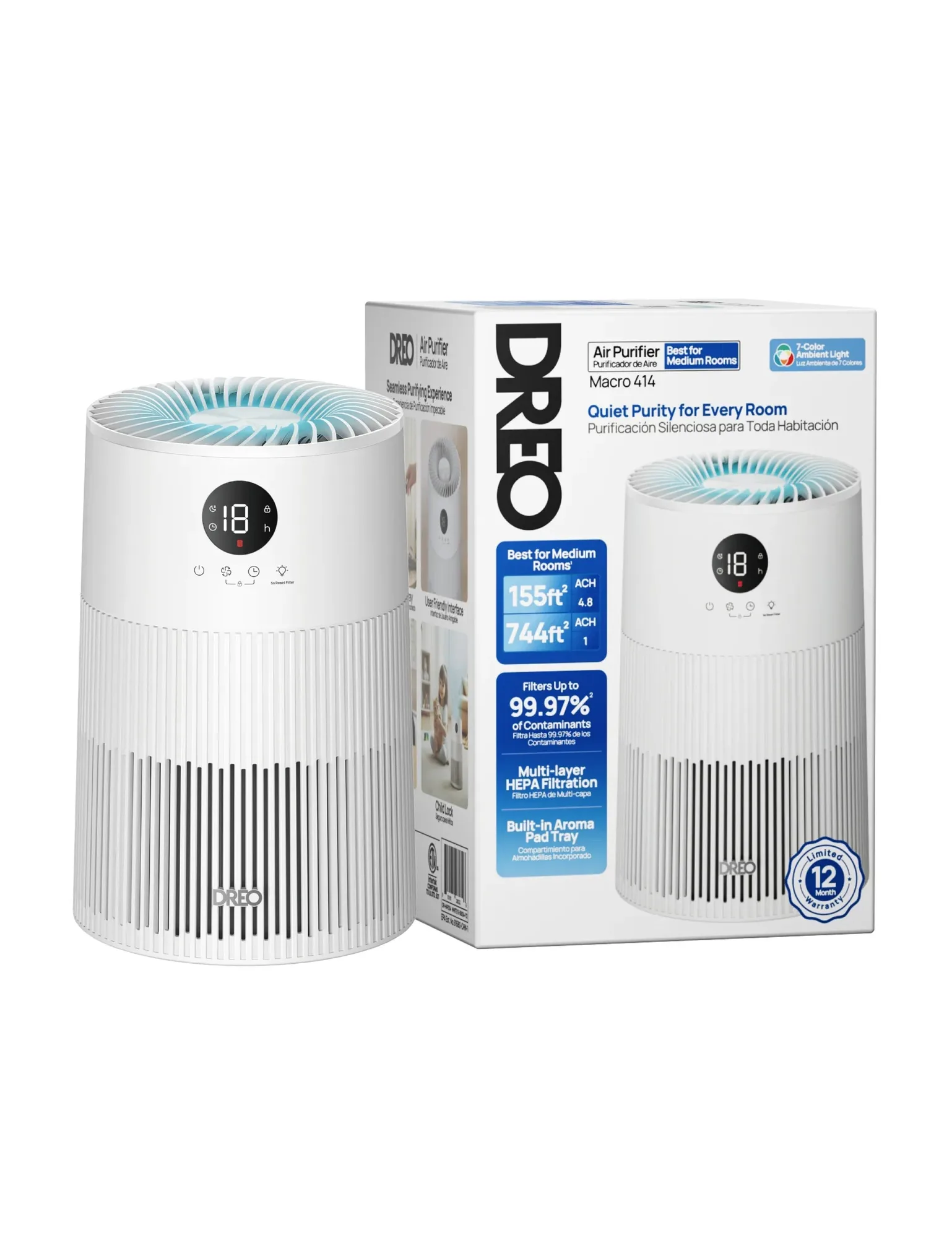
- Macro 414: Macro 414 is listed in the Air Purifiers category. Pairing a portable AC with a dedicated air purifier like Macro 414 can improve indoor air quality by removing particulates while the unit cools.
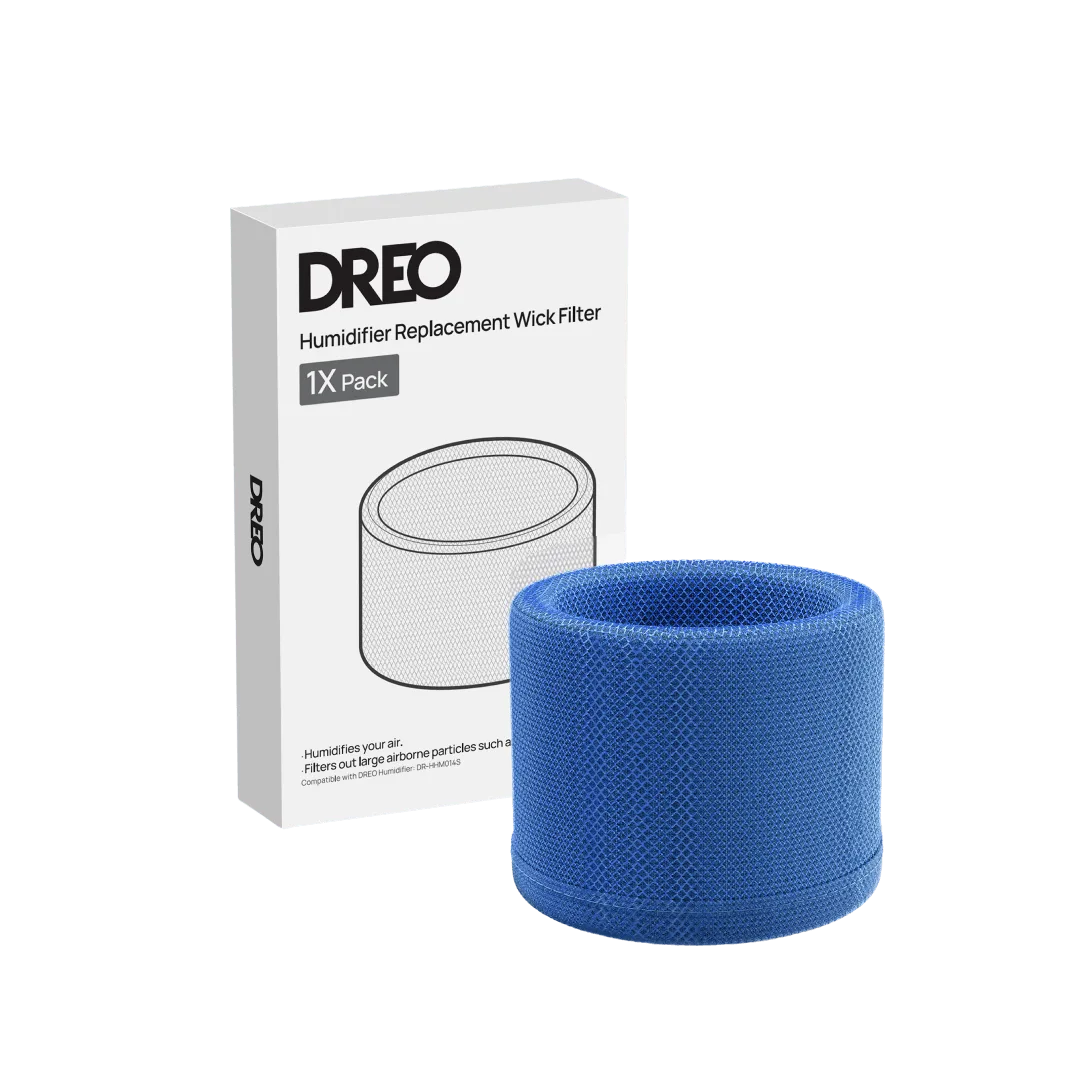
- Humidifier Replacement Wick Filter, Compatible with DREO Humidifier 774S: Original replacement wick filter for the DREO evaporative humidifier 774S, new filters help you keep air humidity always fresh and clean thanks to 3D Multi-layer mesh filtration technology. Maintaining proper humidity alongside cooling prevents dry air discomfort, especially in winter months when the AC may be used intermittently.
Who Should Choose Which Model
Best For
- Small bedrooms, home offices, or dorm rooms (AC318S, AC319S)
- Medium to large living areas needing stronger cooling (AC515S, AC516S)
Not For
- Very large open‑plan spaces where a single portable unit cannot maintain temperature
- Users who prefer a completely silent operation without any smart‑assistant features
Selecting the right DREO portable AC hinges on aligning cooling capacity, energy use, and smart‑home preferences with your living space. By weighing these trade‑offs, you can pick a model that keeps you comfortable without unnecessary expense.