Quick Answer
For acrylic nails, match the bit shape to the task and the grit to the pressure you need. Use coarse carbide bits for removal, medium for shaping, and fine or sanding bands for finishing. Start with a medium grit if you are new to electric filing.
Understanding Grit Numbers
Grit indicates the abrasiveness of the bit. Lower numbers like 80 are coarse and remove material fast; higher numbers like 240 are fine and smooth the surface. For acrylic, you typically want a coarse bit for bulk removal and a fine bit for buffing.
Coarse bits (80-100 grit) work quickly but can leave deep scratches if you press too hard. Fine bits (150-240 grit) are gentler and produce a smooth finish but take longer. Choose based on how much acrylic you need to remove and how much control you have.
Choosing Bit Shapes for Acrylic Work
The shape of the bit determines how it contacts the nail. A cone or tapered bit reaches cuticles and sidewalls, while a barrel or cylinder is best for the nail plate. A flame or ball bit works in tight corners.
For removal, a carbide bit with a cone or barrel shape is efficient. For shaping, a fine barrel or cylinder helps refine the apex. For finishing, a sanding band or soft buffing bit smooths the surface without cutting too deep.
Practical Selection Rules
Start with a medium grit (around 150) if you are learning or working on natural nails. Use coarse bits only on thick acrylic and keep the speed low to avoid heat. Always use light pressure and let the bit do the work.
For removal, work in sections and avoid staying in one spot too long to prevent heat buildup. For finishing, switch to a fine grit to eliminate scratches and achieve a smooth base for polish or top coat.
Decision Rules for Choosing Drill Bits
- Removal: Use a coarse carbide bit (80-100 grit) with a cone or barrel shape. Work in short strokes to avoid heat. Best for taking down thick acrylic quickly.
- Shaping: Choose a medium grit (150-180) with a barrel or cylinder shape to refine the apex and edges without cutting too deep. Ideal for sculpting the nail shape after removal.
- Finishing: Switch to a fine grit (240+) or a sanding band to smooth the surface and remove scratches. Leaves a smooth base for polish or top coat.
Products That Support Your Acrylic Work
- Monomer Neutralizer 30ml: Monomer Neutralizer 30ml is for professional use only. Add 2-4 drops to a dappen dish before pouring liquid monomer for an odor-free application. Reducing odor during acrylic application makes the process more comfortable for you and your clients, especially during long sessions.
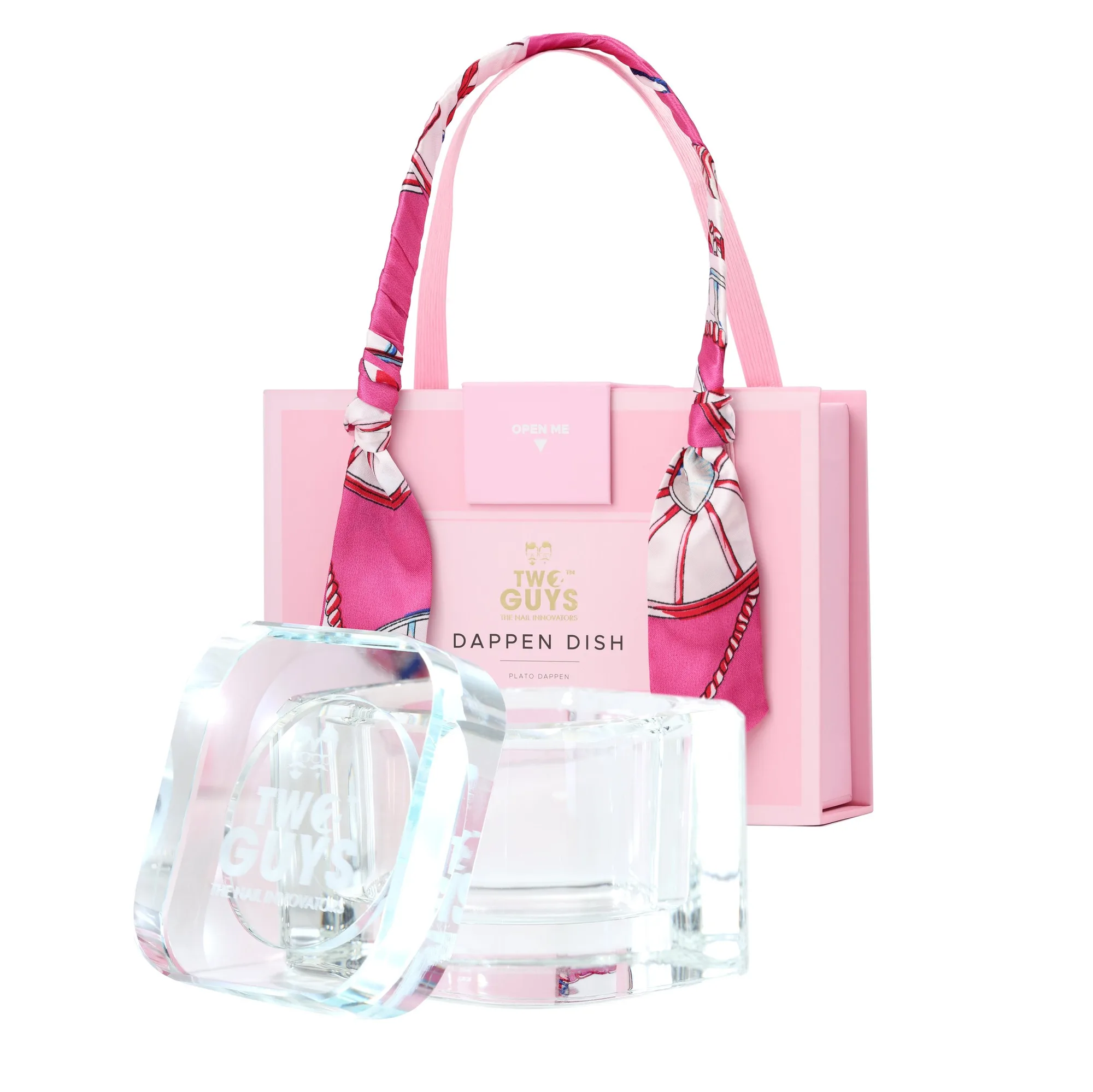
dappen dish
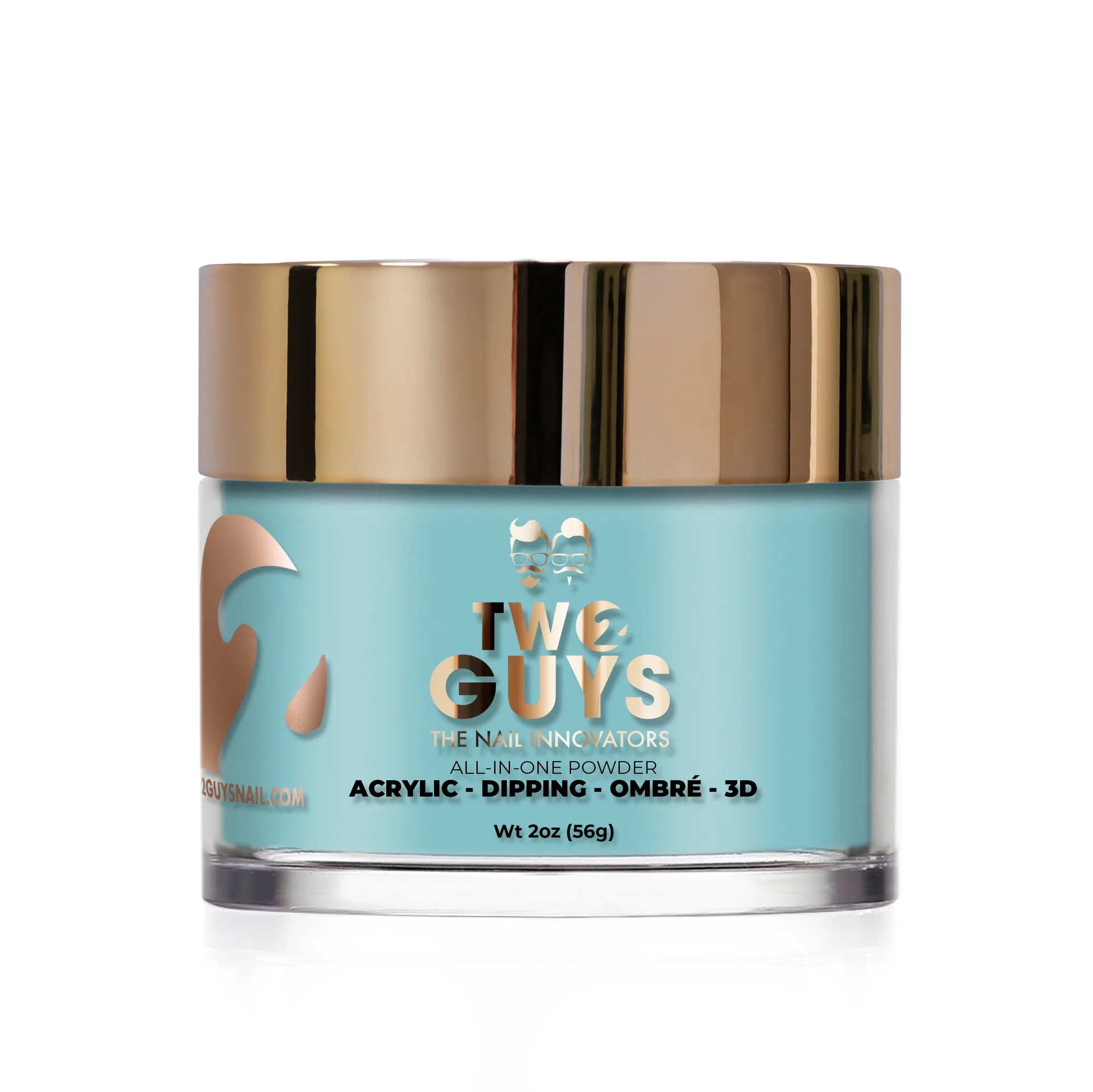
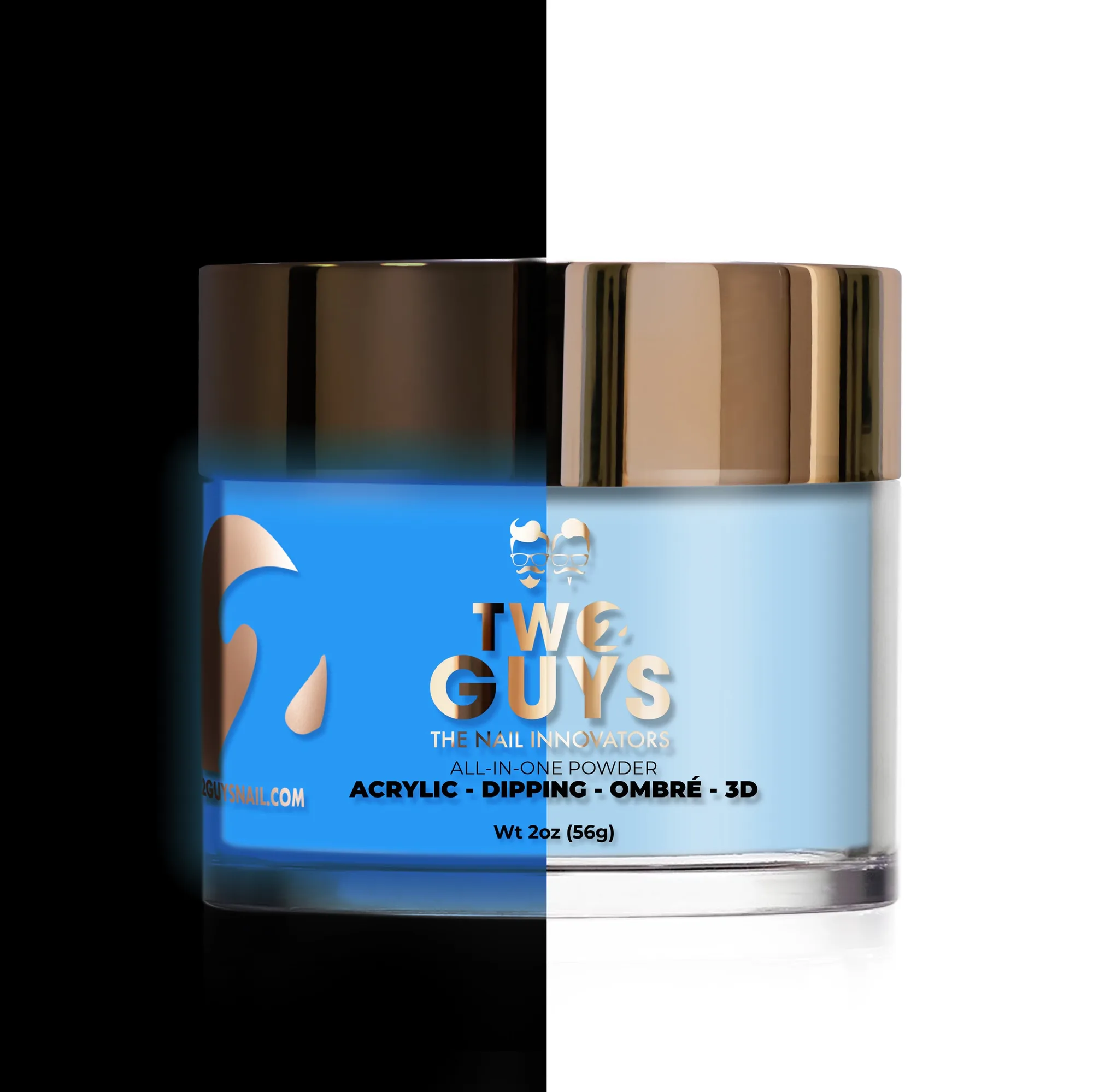
- A104 The best time for the new beginnings is NOW - 2Guys Acrylic Powder: 2Guys 2in1 Acrylic Powder is designed for both dipping and sculpting, with a medium setting time and fine texture for even-toned, bubble-free surfaces. A smooth, even acrylic surface means you can use finer grit bits for finishing, saving time and reducing the risk of over-filing.
Who Should Use Which Bit
Best for
- Nail techs who need fast acrylic removal and are comfortable with high-speed tools
- Techs who want precise control during shaping and finishing
Not for
- Beginners who are not yet confident with electric files—start with hand filing or a fine grit at low speed
- Techs working exclusively on natural nails—coarse bits are too aggressive