Quick answer
A #53 drill bit is a small wire-gauge bit, roughly 1.5 mm in diameter, used for pilot holes in soft wood, plastic, and resin. If you don't have one, a 1/16-inch bit is the closest common substitute, but it's slightly larger and may not fit the same hole. For model making and fine craft drilling, a micro bit set like Excel Blades Drills #60 or Drills #70 gives you more size options in the same range.
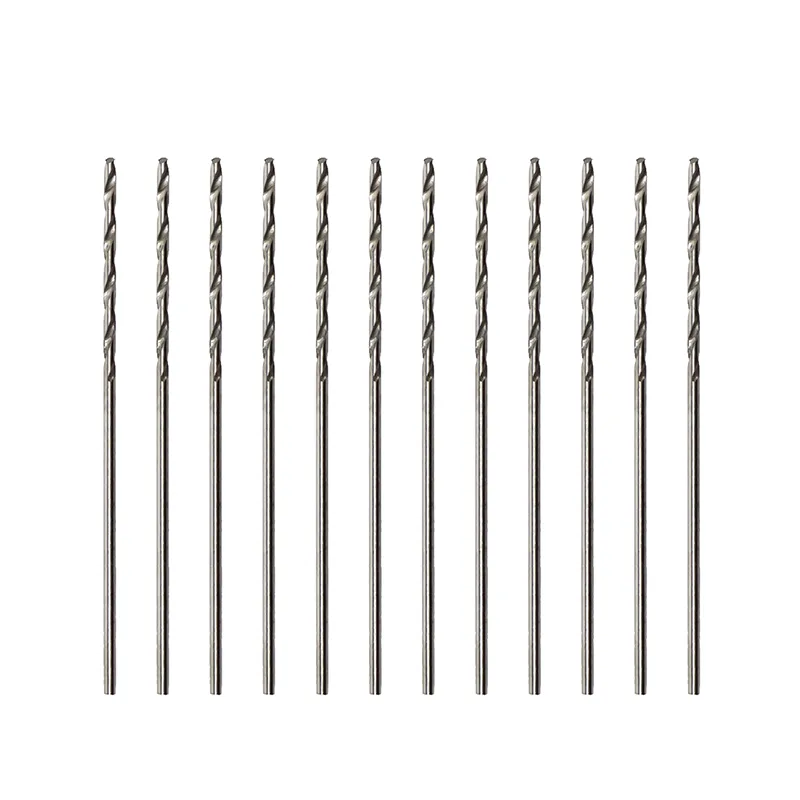
Drills #70
If you're drilling tiny holes for a model, a hinge, or a piece of jewelry, you've probably run into a drill size like #53. It's a wire-gauge size, not a fraction, and that can make it tricky to find or replace. This FAQ covers what a #53 bit is good for, what to use when you don't have one, and how to choose a small drill bit that actually suits your material.
We'll also look at why micro bits break so easily, how to keep them alive, and which Excel Blades drill sets cover the fine sizes that hobby and craft work demands. No fluff, just the answers you need to keep your project moving.
What is a #53 drill bit used for?
A #53 bit is a wire-gauge size, about 1.5 mm (0.059 inches) in diameter. It's commonly used for pilot holes in soft materials like balsa, basswood, plastic, and resin, and for drilling holes that will accept small screws, pins, or wire. Model makers, dollhouse builders, and jewelry makers reach for this size when they need a hole that's bigger than a pin but smaller than a standard 1/16-inch bit.
Because it's a gauge size, it doesn't match up neatly with fractional inch or metric bits. That's why it often appears in hobby drill bit sets rather than general-purpose hardware assortments. If your project calls for a #53 specifically, it's usually because the hole needs to be a precise fit for a particular pin or wire.
- Use #53 for pilot holes in soft wood, plastic, and resin.
- It's a good size for wire and pin insertion in model making.
- Not ideal for hard metals or masonry; use the correct bit for those materials.
What can I use instead of a #53 drill bit?
The closest common substitute is a 1/16-inch bit, which is 1.59 mm, slightly larger than a #53. That difference matters if you need a snug fit; a 1/16-inch hole will be looser. A 1.5 mm metric bit is a closer match if you can find one. In a pinch, a #54 or #52 bit from a wire-gauge set will be very close, but neither is an exact replacement.
If you're working with soft materials and just need a clearance hole, the slight size difference may not matter. But for precision work, it's better to use the correct size or adjust your project to fit the bit you have. Excel Blades offers micro drill bit sets that include a range of small sizes, so you can often find a closer match than a fractional bit.
- 1/16-inch bit is the most available substitute but is slightly larger.
- A 1.5 mm metric bit is a near-exact match if you have one.
- For critical fits, don't substitute; order the correct size.
Why do small drill bits break so easily?
Micro bits are thin and brittle, so they snap under side pressure or when they bind in the material. The most common causes are too much feed pressure, a dull bit, or a drill that runs out of alignment. Using a drill press or a stable hand drill helps, but technique matters just as much: let the bit cut, don't force it.
Another factor is the material. Drilling into hard plastic or resin can grab the bit and twist it. Running the drill at a higher speed with light pressure usually works better for small bits. If you're breaking bits often, consider a set with multiple spares, like the Excel Blades Drills #70 or Drills #60, which come in 12-piece packs so you have backups on hand.
- Use light pressure and high speed for small bits.
- Keep the bit straight; side loading causes most breaks.
- Buy bits in multi-packs so a single break doesn't stall your project.
Which Excel Blades drill set covers fine craft drilling?
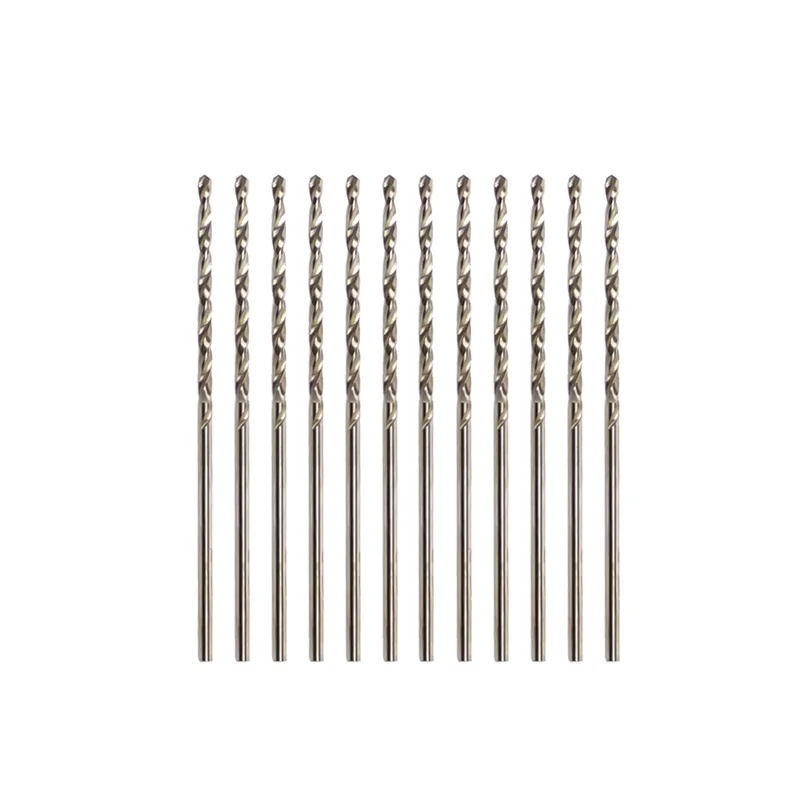
Excel Blades makes micro drill bit sets in wire-gauge sizes. The Drills #70 set contains twelve 0.71 mm bits, which is finer than a #53 and suited to very small holes in soft materials. The Drills #60 set contains twelve bits in a slightly larger size, good for general hobby work in wood, plastic, resin, and acrylic. Both sets are designed for precision tasks where standard bits are too big.
If you need a #53 specifically, neither set includes that exact size, but they cover the neighboring range. For many craft projects, having a #60 or #70 on hand is more useful than hunting down a single #53, because you can adjust your hole size to the bit you have. The 12-piece packs also mean you're not stuck if one breaks.
- Drills #70: 0.71 mm bits, 12-pack, for ultra-fine holes.
- Drills #60: 12-piece set for wood, plastic, resin, and acrylic.
- Both are wire-gauge sizes, not fractional, so check your required diameter.
How do I choose the right small drill bit for my material?
Start with the hole size you need, then match the bit diameter as closely as possible. For softwoods like balsa and basswood, a bit slightly smaller than the screw or pin works well. For plastics and resin, use a bit that's the same size or a hair larger to avoid cracking. Always test on a scrap piece first.
If you're working with a material that's prone to splitting, like acrylic, use a bit designed for plastic and go slow. For metals, you'll need a different bit entirely; micro wire-gauge bits are not meant for metal. And if you're unsure, a set with multiple sizes lets you experiment without buying individual bits.
- Match bit size to the hole you need, not the other way around.
- Test on scrap to confirm the fit and avoid splitting.
- Micro bits are for wood, plastic, and resin, not metal.
Quick FAQ reference
What size is a #53 drill bit?
About 1.5 mm (0.059 inches) in diameter, a wire-gauge size. Closest common substitute is 1/16-inch, but it's slightly larger.
Can I use a #60 or #70 bit instead of #53?
#60 is slightly larger, #70 is smaller. Neither is an exact match. Choose based on whether you need a looser or tighter hole.
Where can I buy a #53 drill bit?
Specialty hobby suppliers or online. Excel Blades offers #60 and #70 sets in the same size range. If you can't find #53, a micro bit set gives you flexible alternatives.
Excel Blades products for fine drilling
- Drills #70: 12-pack of 0.71 mm micro precision bits for hobby and craft use. Ideal when you need holes finer than a #53, such as for wire or pin insertion in models.
- Drills #60: 12-piece set for detailed work in wood, resin, plastic, and acrylic. A versatile choice for general fine craft drilling when you need a bit slightly larger than #70.
- Precision Cutting Kit - Craft Knife & Cutting Mat Set: Includes an 8.5"x12" self-healing mat, K1 precision knife, and 5 #11 blades. Useful companion for trimming and preparing materials before or after drilling.
A #53 drill bit fills a specific niche in fine craft drilling, but you don't have to hunt one down to get the job done. With the right micro bit set and a light touch, you can drill clean, precise holes in wood, plastic, and resin. Keep a few spares on hand, and your projects will stay on track.