Quick answer
Choose #53 wire-gauge micro drill bits when you need a small, precise hole in wood, resin, plastic, or jewelry material and your pin, wire, or screw must fit exactly. Choose standard fractional drill bits when you are drilling larger holes, working in softer or thicker stock, or matching an imperial size printed on a plan. Many hobbyists keep both: standard bits for general repair and #53-style micro bits for detail work.
If you have ever tried to fit a brass pin into a model ship hull or a wire into a resin pendant, you already know the hole size matters as much as the drill. That is where the #53 versus standard drill bit question comes up most often. One is a wire-gauge size built for fine work; the other is the fractional sizing most people grew up with.
This comparison looks at how each type behaves in real hobby and repair tasks, where they overlap, and where one clearly wins. It uses the micro drill bits and tool sets Excel Blades actually sells, so you can match the bit to the job instead of guessing.
What #53 and standard drill bits actually are
Standard drill bits are usually sold in fractional inch sizes, such as 1/16 inch or 3/32 inch, or in letter and number gauges. A #53 bit belongs to the wire-gauge numbering system, where higher numbers mean smaller diameters. That numbering is common in jewelry making, electronics, and fine model work because it lets you step down in tiny, predictable increments.
The practical difference is resolution. Standard fractional sets jump in larger steps, while wire-gauge bits like #53 let you fine-tune a hole for a specific pin or wire. If your project depends on a press fit, that extra resolution is the whole point.
- Wire-gauge bits are numbered; fractional bits are measured in inch fractions.
- Higher gauge number equals smaller hole, so #53 is a fine bit, not a large one.
- Check your material and your hardware diameter before choosing a size.
When to use #53 drill bits
Reach for a #53 bit when the hole needs to match a small pin, wire, or screw and a standard bit is either too big or too vague. Jewelry makers use this size range for jump rings, wire inlays, and resin pieces. Modelers use it for pilot holes in balsa, walnut, and plastic before inserting a pin or a small fastener.
The trade-off is fragility. Micro bits flex and snap more easily than larger standard bits, so they reward light pressure, a steady hand, and a drill press or pin vise when possible. They also cut a narrower range of materials well, which is fine for wood, resin, and plastics but not for heavy metal stock.
- Use a pin vise or drill press for control on very small holes.
- Let the bit do the cutting; pushing harder usually breaks it.
- Keep a spare or two on hand because micro bits wear and snap.
When standard drill bits make more sense
Standard fractional bits are the better choice when you are drilling larger holes, working in thicker material, or following a plan that lists imperial sizes. They are more rigid, easier to sharpen or replace, and widely available, which makes them the default for general repair work around the house or shop.
The trade-off is fit. A standard bit may be close to the size you need but not exact, so a pin or wire can end up loose or too tight. If your project needs a precise press fit, a standard bit alone may not get you there.
- Standard bits handle larger diameters and tougher materials with less breakage.
- They are easier to find locally and simpler to replace.
- Expect to use a gauge or caliper if the fit must be exact.
Size, material, and tool compatibility
Both bit types work in the same basic tools, but the tool matters more as the bit gets smaller. A standard hand drill can wobble a #53 bit and snap it, while a pin vise or a drill press with a sensitive chuck gives you the control micro bits need. For standard bits, a normal drill chuck is usually fine.
Material also guides the choice. High-speed steel micro bits handle wood, resin, acrylic, and jewelry materials well. Standard bits cover the same materials plus larger holes in metal and thicker stock. If you are unsure, test on scrap before drilling the final piece.
- Match the bit to the chuck: small bits need low runout and light pressure.
- High-speed steel is a good all-around choice for hobby materials.
- Test the fit on scrap before committing to the final hole.
Building a hobby kit that covers both
You do not have to pick one forever. A practical kit pairs a small set of standard bits for general repair with a few wire-gauge micro bits for detail work. That way you can drill a pilot hole with a standard bit and refine it with a #53 when the fit needs to be exact.
If you build models, do jewelry work, or repair small electronics, the micro side of the kit will get used more than you expect. If your work is mostly household repair, standard bits will carry most of the load and the micro bits are a useful backup.
- Start with the sizes your projects actually call for.
- Add micro bits as your detail work grows.
- Store bits by size so you can find the right one quickly.
Trade-offs to weigh before you buy
- Precision vs. durability: #53 and other wire-gauge bits give you exact fit but are thin and easier to break. Standard bits are sturdier but come in larger steps. Buy spares of the micro sizes you use most.
- Fit vs. availability: Micro bits match small hardware closely; standard bits are easier to find locally and replace on short notice. Keep a small stock of both so a broken bit does not stall a project.
- Tool control vs. speed: Micro bits need a pin vise or drill press and light pressure; standard bits work in a normal hand drill and remove material faster. Match the tool to the bit, not the other way around.
Excel Blades options that fit this comparison
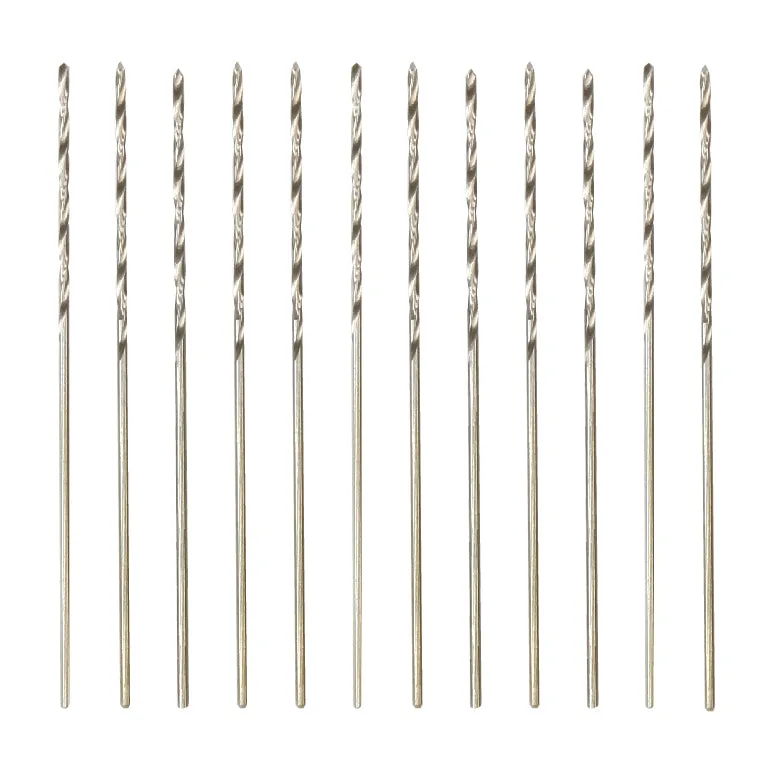
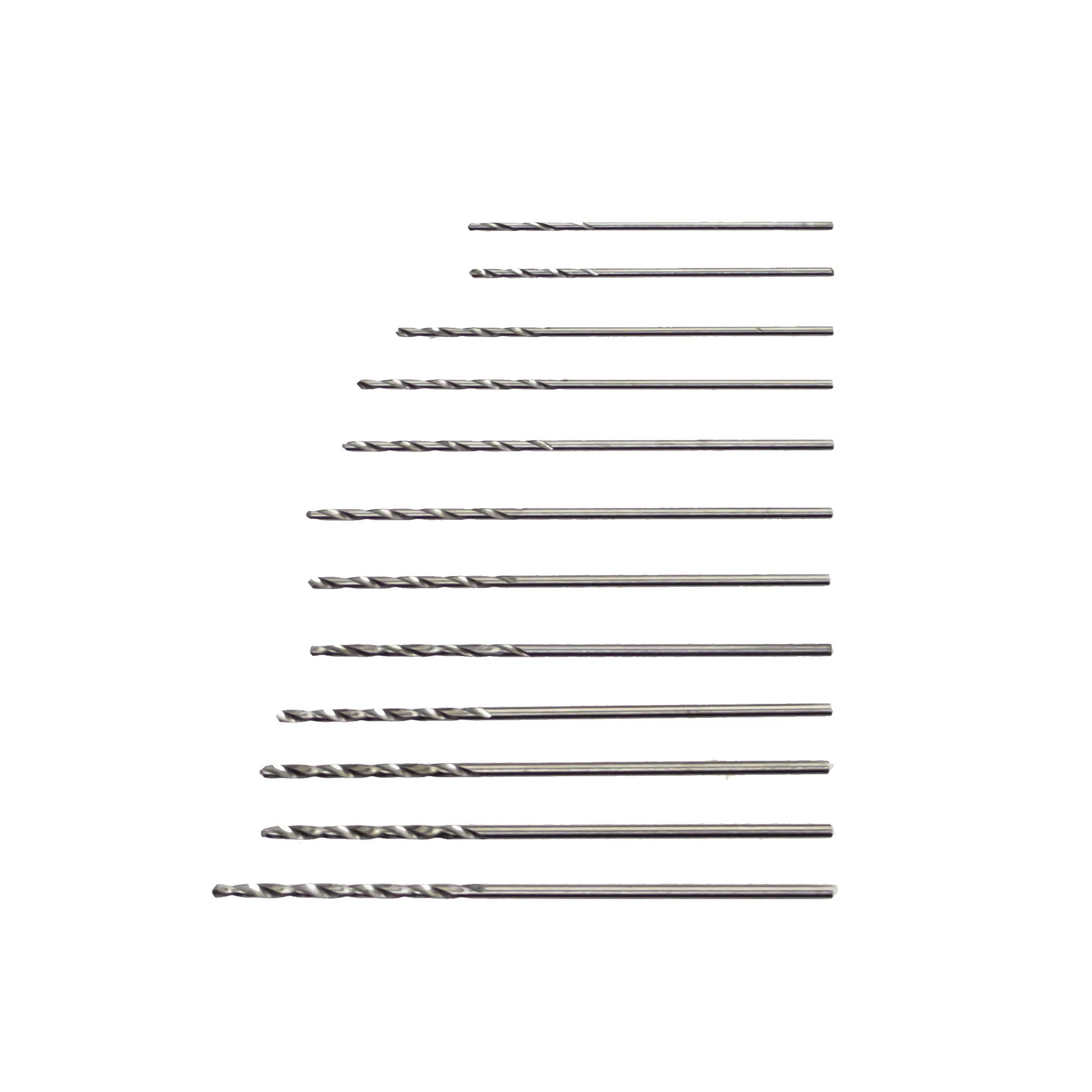
- Drills #77: Excel Blades #77 High-Speed Twist Drill Bits (12 Pack) are precision micro drill bits made from high-speed steel, measuring 0.0180 inch (0.457 mm), for fine drilling in wood, resin, jewelry, acrylic, and plastics. If you want the same micro-drill approach as #53 but even finer, #77 is the next step down in size and comes as a 12-pack so you have spares when a bit dulls or snaps.
- 12-Piece Assorted Drill Bit Set: Excel Blades 12-Piece Assorted Drill Bit Set (#55521) is a fine high-speed steel set that includes drills #60 through #70 for detailed holes in wood, resin, beads, jewelry, and walnut. A numbered assortment lets you step through sizes and find the exact fit for a pin or wire, which is the main reason to choose wire-gauge bits over standard fractional sizes.
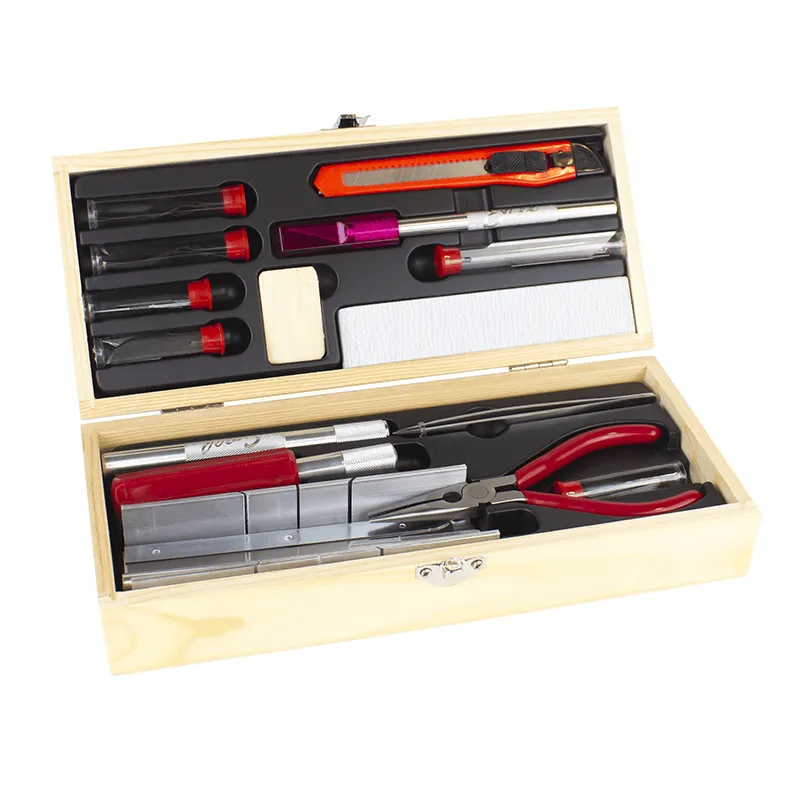
- Model Kit Tools: Excel Blades Deluxe Ship Modelers Set includes a wood case, 3 knives, a saw, pliers, and 16 assorted blades for intricate model building, wood carving, and crafts. If your drilling is part of a larger model or craft project, this set covers the cutting and handling tools around the drill so you are not buying them piece by piece.
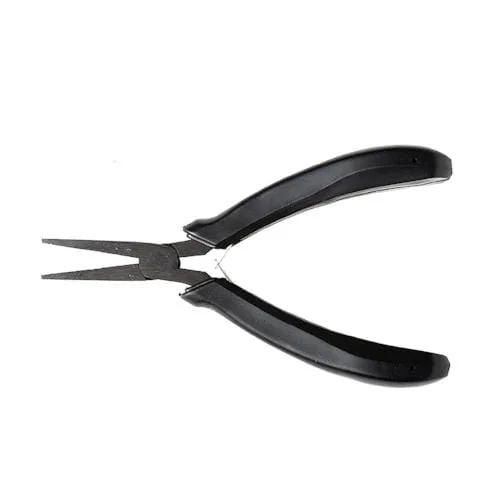
- Smooth Nose Flat Nose Pliers: Excel Blades 5-inch Smooth Jaw Long Nose Pliers are made from stainless steel for small, delicate work such as jewelry assembly, electronics repair, wire bending, and crafting. When you are fitting small pins or wire into a drilled hole, smooth jaws let you hold and guide the part without marring it, which matters on finished jewelry and visible model parts.
Which should you choose?
Best for
- Jewelry makers fitting wire, pins, or jump rings into resin and metal
- Modelers drilling pilot holes in balsa, walnut, and plastic
- Crafters who need an exact fit rather than an approximate one
- Small electronics and repair work where a standard bit is too coarse
Not for
- Drilling large holes in thick metal or construction lumber
- Users who only own a standard hand drill and do not want to add a pin vise
- Projects where an approximate hole size is good enough and speed matters more
For hobby and repair work, the honest answer is that #53-style micro bits and standard drill bits solve different problems. Keep standard bits for general drilling and add micro bits when fit matters. If you are not sure where to start, a numbered micro set and a couple of spares will cover most small-project needs.