Quick Answer
Choose drip irrigation for precise, water-efficient watering of individual plants and gardens with varied layouts. Choose a soaker hose for simple, low-cost watering of closely spaced plants in level beds. Both save water compared to sprinklers, but drip offers more control and flexibility.
When it comes to watering your garden efficiently, drip irrigation and soaker hoses are two popular options. Both deliver water directly to the soil, reducing evaporation and runoff compared to overhead sprinklers. But they work differently, and the best choice depends on your garden's layout, your plants, and your budget.
In this comparison, we'll break down how each system works, their pros and cons, and help you decide which one fits your watering style. We'll also look at some Orbit products that can enhance either setup.
How Drip Irrigation Works
Drip irrigation delivers water slowly and precisely through a network of tubing and emitters. It's ideal for targeted watering of individual plants, rows, or containers. You can customize the system with different emitters, couplings, and plugs to match your garden's exact needs.
One of the biggest advantages is water efficiency. Drip systems minimize evaporation and runoff, putting water exactly where it's needed. They also reduce weed growth by not wetting areas between plants. However, they require more planning and initial setup than a simple soaker hose.
- Use 1/4-inch drip tubing for small plants and containers.
- Install a pressure regulator to prevent emitter blowouts.
How Soaker Hoses Work
Soaker hoses are porous hoses that seep water along their entire length. They're simple to install—just lay them along your garden bed and connect to a hose. They're great for watering long, straight rows of closely spaced plants, like vegetables or flower borders.
Soaker hoses are generally less expensive and easier to set up than drip systems. However, they can be less precise, watering the entire length evenly, which may waste water if your plants are spaced far apart. They also work best on level ground to ensure even water distribution.
- Lay soaker hoses on level ground to avoid pooling.
- Cover with mulch to reduce evaporation and protect the hose.
Key Differences at a Glance
The main difference lies in water delivery. Drip irrigation targets individual plants with emitters, while soaker hoses release water along their entire length. This makes drip more efficient for widely spaced plants and varied garden layouts, while soaker hoses excel in uniform beds.
Cost is another factor. Soaker hoses are typically cheaper upfront, but drip systems can be more durable and customizable. Maintenance also differs: drip emitters can clog, but soaker hoses can develop kinks or cracks over time.
Trade-offs: Drip vs Soaker
- Water Efficiency: Drip irrigation delivers water directly to plant roots, minimizing waste. Soaker hoses also reduce evaporation but may water non-plant areas. Choose drip for maximum water savings.
- Installation Complexity: Soaker hoses are simply laid out and connected. Drip systems require planning, cutting tubing, and installing emitters. If you want quick setup, go with soaker.
- Customization: Drip systems can be tailored to individual plants with various emitters and tubing. Soaker hoses water uniformly, less adaptable to varied layouts. Drip is better for diverse gardens.
- Cost: Soaker hoses are generally cheaper upfront. Drip systems have more parts but can be more durable and efficient long-term. Budget-conscious? Start with soaker.
Orbit Products That Fit Your Setup
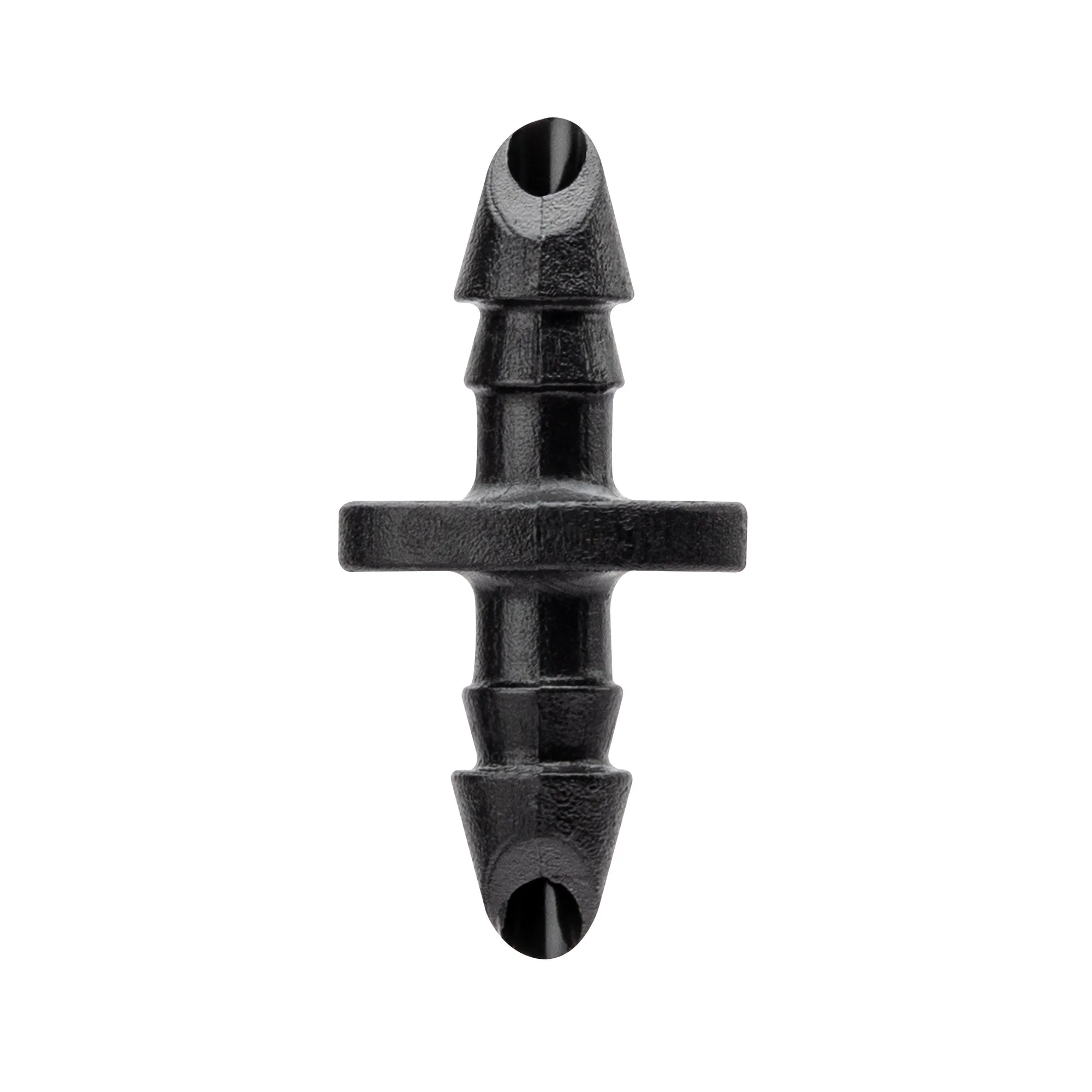
- 1/4" Barb Drip Coupling 25-pk 67402: Connects two pieces of 1/4 in. distribution or soaker tubing in a straight line. Sharp-edged double barbs create leak-proof seal without clamps. UV-stabilized nylon resists heat, chemicals, and wear. When you need to extend or repair your drip lines, this coupling makes a secure connection without extra tools.
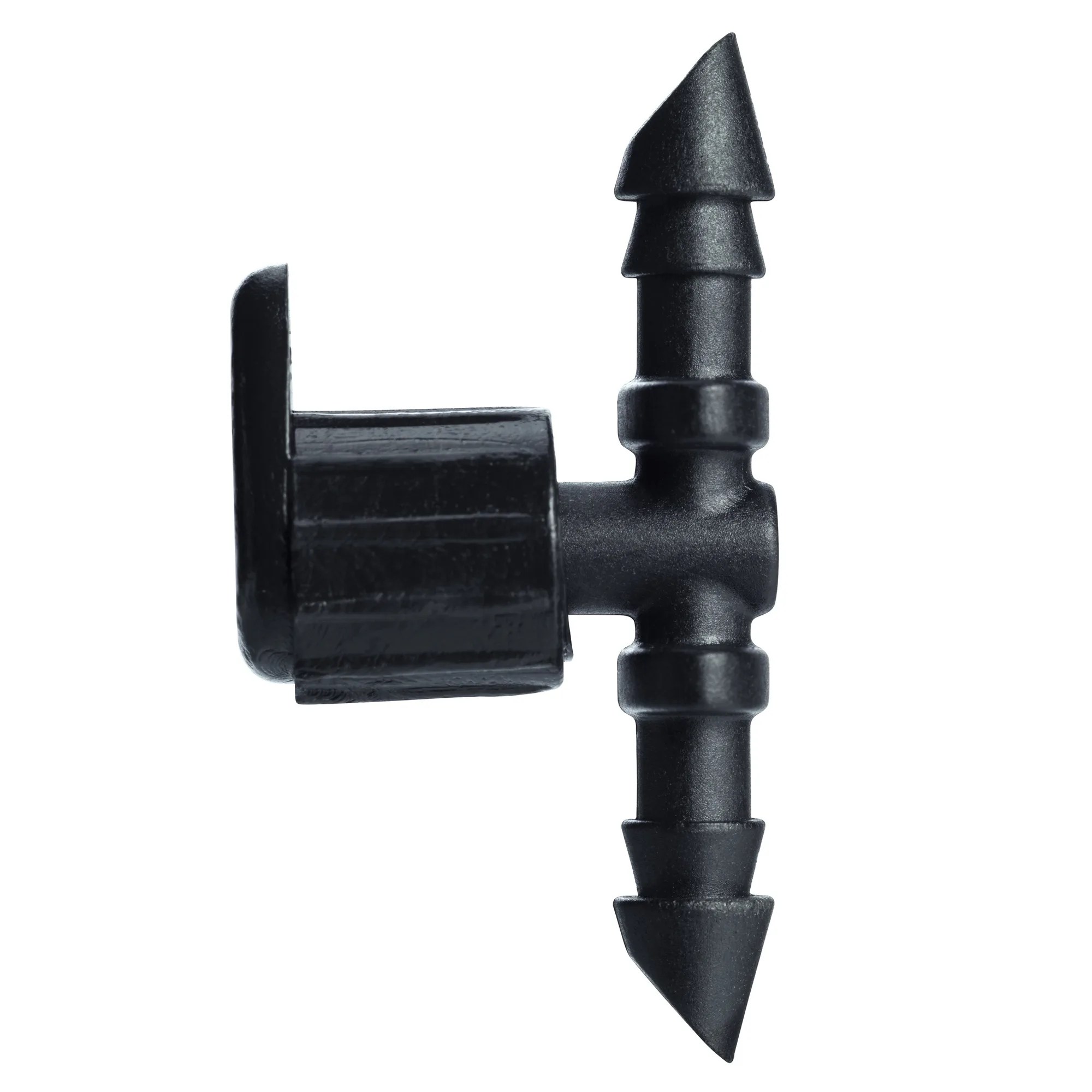
- 1/4" Drip Insect Plug 25-pk | 67405: Prevents insects or dirt from blocking flowing water from the end of 1/4" drip tubing. Ideal for spot watering. Use these plugs to close unused ends of drip tubing, keeping your system clean and functional.
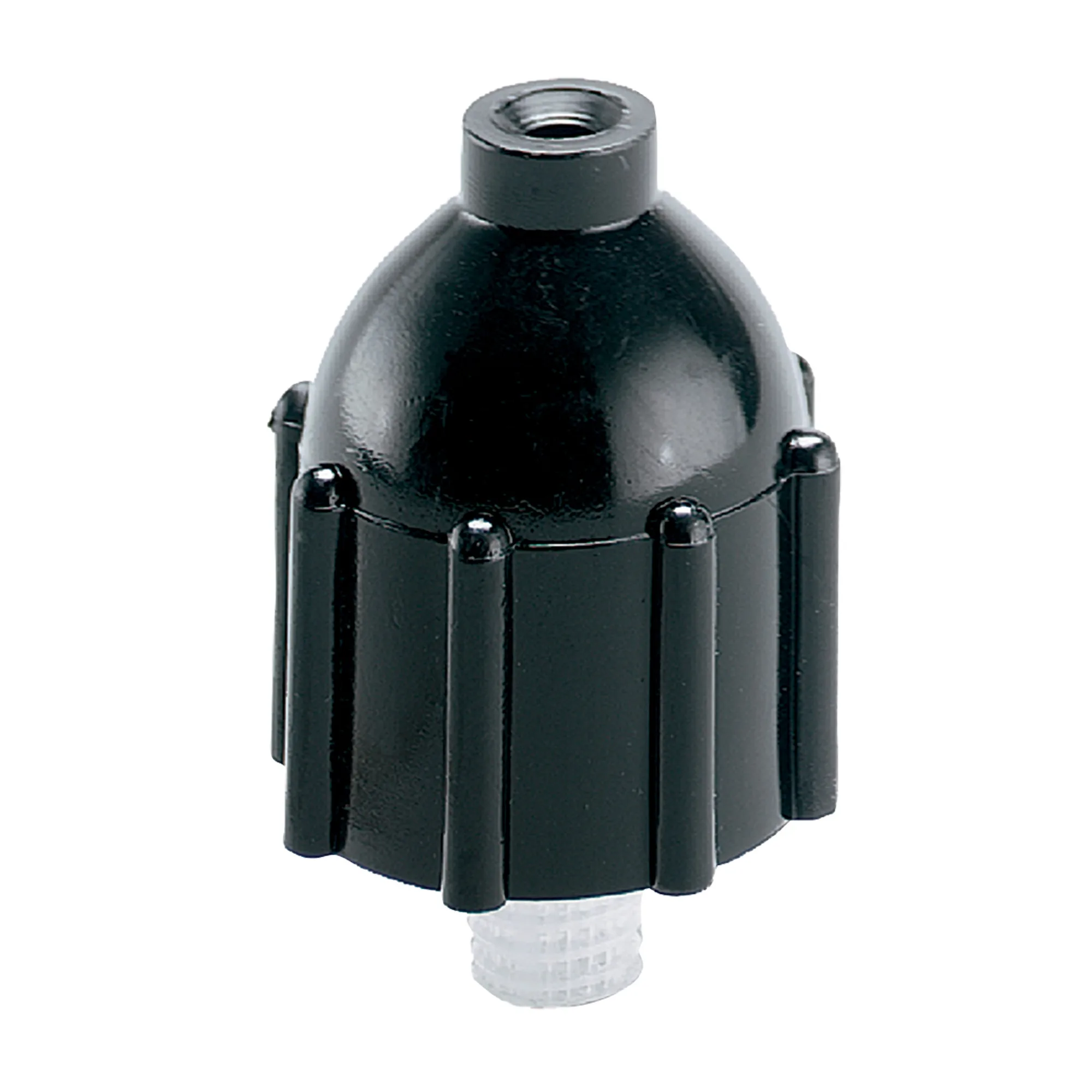
- Plastic Male Quick Connects 2-pk | 58101: Simplify your garden hose and tool system with Orbit’s Quick Connect Fittings. This male adapter threads into standard nozzles, sprinklers, or watering tools. Quick connects let you swap between a soaker hose and other watering tools effortlessly, saving time and reducing wear.
- Metal Hose Hanger: This metal hose hanger allows easy organization of hose. It keeps hoses from tangling and being in the way in your yard. All steel for maximum durability. Proper storage extends the life of your soaker hose and prevents kinks, making it a smart addition to any garden.
Which Should You Choose?
Best for
- Drip irrigation: gardens with a mix of plant types, containers, or uneven spacing where targeted watering saves water.
- Soaker hoses: simple, level garden beds with closely spaced plants like vegetables or flowers.
Not for
- Drip irrigation: if you want a no-fuss, low-cost setup without planning.
- Soaker hoses: if you have widely spaced plants or need precise water control.
Both drip irrigation and soaker hoses can help you water more efficiently than sprinklers. Your choice comes down to your garden's layout, your budget, and how much control you want. For precise, efficient watering, drip is the winner. For simplicity and low cost, a soaker hose is a great option. Whichever you choose, Orbit has accessories to help you get the most from your system.