Quick Answer
Dry shampoo and shampoo bars are not interchangeable: dry shampoo absorbs oil at the roots and buys you a day between washes, while a shampoo bar is a real wash that removes oil, dirt, and buildup. If your scalp gets oily fast, keep a shampoo bar as your main wash and use dry shampoo only as a spot treatment on day two or three. If your scalp is balanced and you wash every two to four days, a shampoo bar alone is usually enough.
What Each One Actually Does
Dry shampoo is a temporary fix. It adds powder or starch to the roots to soak up sebum so hair looks less greasy, but it does not rinse away dirt, product residue, or dead skin. That is why it works best as a one-day bridge, not a replacement for washing.
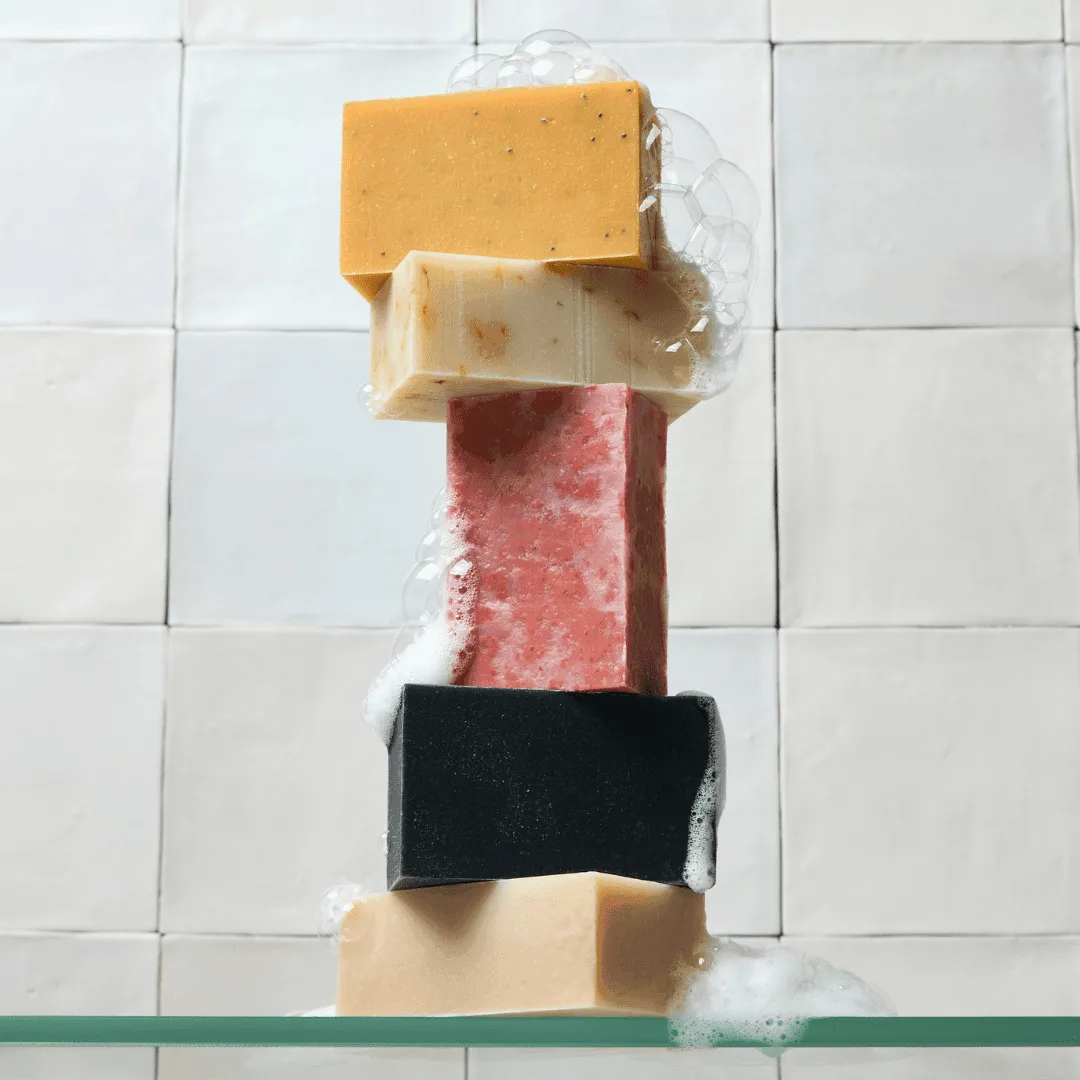
A shampoo bar is a full wash. It lathers, lifts oil and buildup, and rinses clean with water. Because there is no water in the bar, the formula is concentrated, so you use less product per wash and the bar lasts through many showers. It still needs to be stored dry between uses so it does not turn soft.
When to Use Dry Shampoo (and When Not To)
Use dry shampoo on the morning of day two or day three, when your roots look flat but your scalp does not itch or feel gunky. Spray or dust it at the part and hairline, wait a minute, then massage it in with your fingertips and brush through. If you can see white powder, you used too much.
Skip dry shampoo if your scalp is itchy, flaky, or genuinely dirty. Layering powder over an unwashed scalp can trap oil and make irritation worse. It is also a poor fit if you work out daily and sweat heavily, because sweat needs water to rinse away.
How a Shampoo Bar Fits Oily Hair and Wash Frequency
If you have an oily scalp, a shampoo bar can be your primary wash. Lather it in your hands or directly on wet roots, massage your scalp for about 30 seconds, and rinse thoroughly. Because bar formulas are concentrated, most people find one pass is enough; a second lather is only needed after heavy product use.
Wash frequency is personal. Many people with oily roots wash every other day, while drier scalps can stretch to three or four days. The goal is a scalp that feels clean but not tight. If your scalp feels stripped and produces more oil within hours, you may be washing too aggressively rather than too little.
The Buildup Problem With Relying on Dry Shampoo
Dry shampoo leaves residue behind. Used several days in a row without a real wash, that residue mixes with sebum and can leave hair dull, stiff, or harder to style. A simple rule: for every two dry-shampoo days, follow with one full shampoo-bar wash to reset the scalp.
If you are looking for natural dry shampoo alternatives, the honest answer is that most natural options are still absorbent powders, not cleansers. They refresh the look of hair but do not replace washing. A shampoo bar remains the cleansing step; powders are only the bridge.
Pairing a Wash With a Lightweight Finish
After a shampoo-bar wash, mid-lengths and ends can still feel dry even when the scalp is clean. A few drops of a lightweight hair oil on damp or dry ends smooths the cuticle and adds shine without weighing down oily roots. Keep it off the scalp so you do not undo the wash.
If your ends are frizzy or damaged, apply the oil from mid-shaft to tips, then brush through. This is the step that lets you stretch to the next wash day without your hair looking rough at the ends.
Trade-Offs at a Glance
- Speed: Dry shampoo takes about a minute at the roots and needs no water; a shampoo-bar wash takes five to ten minutes including lather, rinse, and drying. Choose dry shampoo when time is the constraint, not cleanliness.
- Cleansing power: Dry shampoo absorbs oil but leaves residue; a shampoo bar lifts oil, dirt, and buildup and rinses them away. Only a real wash resets the scalp.
- Scalp effect: Repeated dry shampoo without washing can leave hair dull and stiff; a shampoo bar cleans the scalp but can feel stripping if you wash too often or use too much product. Alternate rather than replace: two dry-shampoo days, then one wash.
- Cost and waste: Dry shampoo is an extra purchase that runs out and often comes in an aerosol can; a shampoo bar is a concentrated wash that lasts many showers and typically has less packaging. If you want fewer products, put your money into the wash step first.
Products That Fit This Routine
- Warrior Shampoo For Balanced-Oily Scalps: One 9.5 oz aluminum bottle with pump; formula includes coco glucoside, yucca schidigera root extract, quillaja saponaria bark extract, and white willow bark extract. A liquid option for balanced-to-oily scalps when you want a pump bottle instead of a bar; the plant-based surfactants and botanical extracts are aimed at cleansing without stripping.
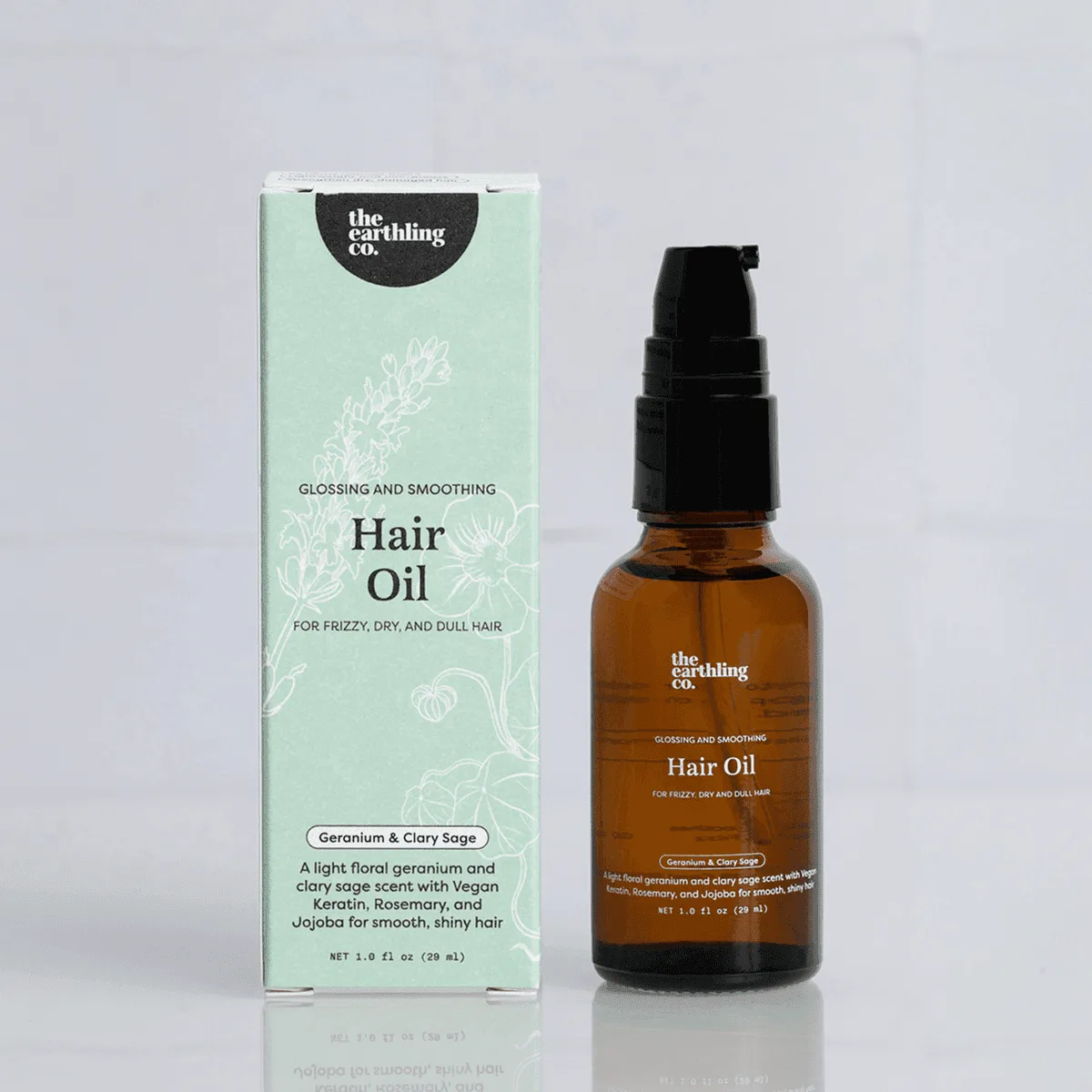
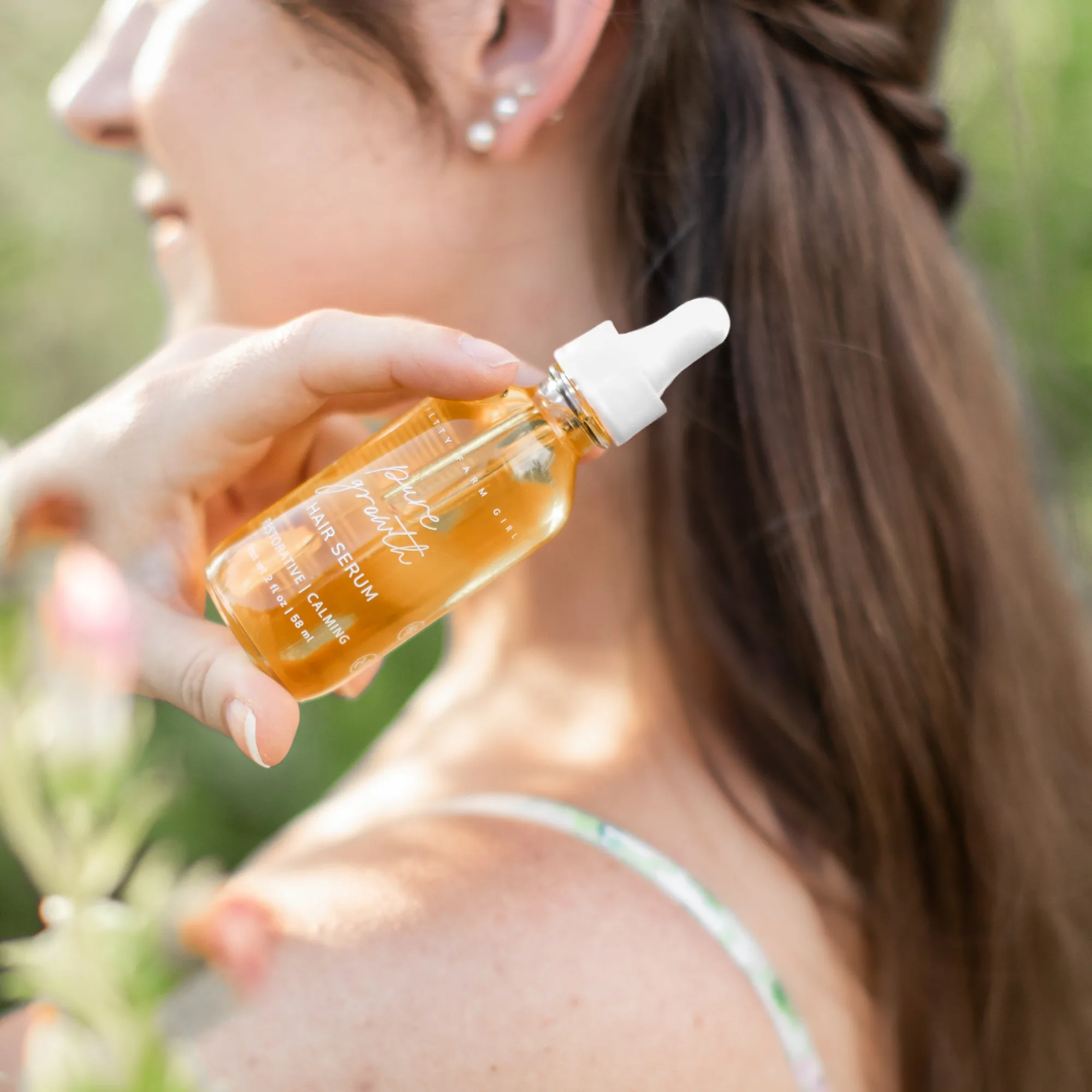
- Glossing and Smoothing Hair Oil: Formulated to support frizzy, dry and damaged hair at the root: cuticle smoothness, internal protein structure, moisture balance, and scalp vitality. Use it on ends after washing to add shine and reduce frizz, so you can go longer between wash days without rough-looking tips.
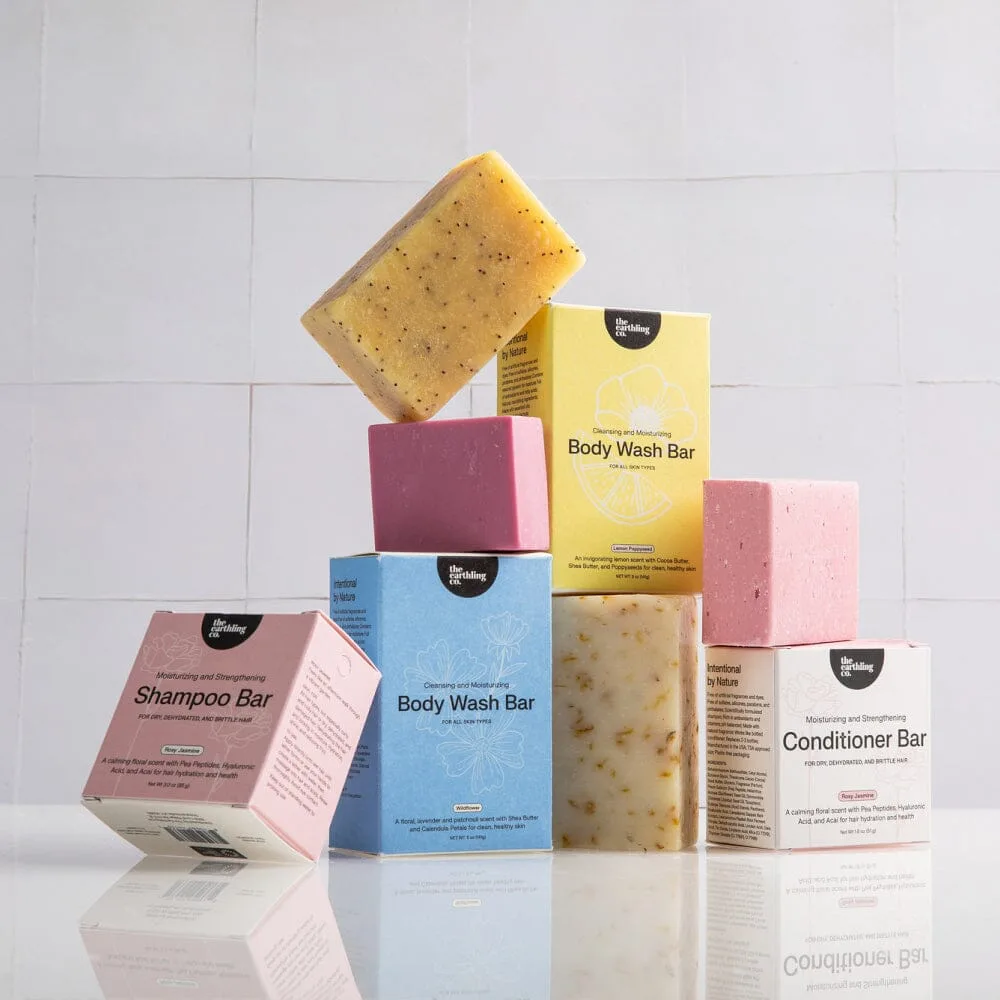
- Shower Routine Bundle for Moisture & Strength: Bundle includes a gentle shampoo bar that lathers to remove dirt, oil, and buildup while preserving hydration, plus a conditioner bar and body wash bar; available in shampoo and conditioner scent and body wash bar scent options. A single purchase that covers the full wash step, which is the part dry shampoo cannot replace; the scent options let you match the bar to your preference.
Which Should You Choose?
Best for
- People with oily roots who wash every other day and want a concentrated, low-waste wash step
- Anyone who wants to stretch wash days by one day without a full shower
- Travelers and gym-goers who need a quick root refresh on the go
Not for
- Anyone with an itchy, flaky, or genuinely dirty scalp who needs a real wash, not a powder
- People who want one product to do everything; dry shampoo is a bridge, not a cleanser
- Those who dislike any residue or powder texture in their hair