Quick answer
Dry winter air pulls moisture from paper playing cards, making them shrink, warp, and crack at the edges. Keep indoor humidity between 45% and 55% and store decks in a closed box away from heat sources or drafts. If cards already feel brittle or show small edge splits, rehumidify gradually and avoid playing with them until they recover.
Why dry air damages playing cards
Playing cards are paper, and paper constantly exchanges moisture with the air around it. When winter heating drops indoor relative humidity below 40%, cards lose moisture faster than they can absorb it. The paper fibers contract unevenly, which causes warping, tight edges, and eventually small cracks along the borders. Gilded cards are especially vulnerable because the metallic foil layer does not stretch with the paper underneath, so it can flake or split when the card shrinks.
How to check if your cards are drying out
Before you change your storage routine, confirm that dryness is the problem. Hold a deck loosely and look for a gap between the cards at one end. Fan a few cards and listen for a crisp, crackling sound instead of a soft slide. Check the edges under a bright light for tiny white splits in the paper or foil. If the cards feel unusually stiff and warm to the touch, they are likely too dry.
Steps to protect cards in dry winter air
Start by measuring the humidity in the room where you store and play with your cards. A simple hygrometer costs less than a deck and tells you whether you need a humidifier. If humidity is below 45%, run a cool-mist humidifier and aim for 45–55%. Keep decks inside their tuck boxes or a dedicated card storage box, and place that box in an interior closet or drawer away from radiators, heating vents, and sunny windows. For gilded decks, add a silica gel packet only if humidity climbs above 60%—never use one in dry air, because it will pull even more moisture out of the cards.
What to do if cards are already warped or cracked
Minor warping can sometimes be reversed by placing the deck in a sealed container with a lightly damp sponge for 24 hours, then pressing the cards under a heavy book for a few days. Do not rush this. If you see actual cracks in the paper or foil, the damage is permanent—no amount of humidity will close a split fiber. In that case, retire the deck from play and keep it as a display piece, or replace it if it was a user deck. Never try to iron or steam cards directly, as heat and direct moisture will cause worse warping.
Diagnosis: match the symptom to the fix
- Symptom: cards bow inward toward the faces: The edges have lost moisture faster than the center, which is common when a deck sits near a heat vent. Move the deck to a stable room, rehumidify gradually, and press flat under a book for a few days.
- Symptom: edges feel sharp and you hear a crackling sound when fanning: The paper is too dry and the coating is tightening. This is the stage before visible cracks appear. Raise room humidity to 45–55% immediately and keep the deck in its box when not in use.
- Symptom: tiny white splits along the borders or foil flaking on gilded cards: The paper fibers or foil layer have already cracked. This damage cannot be reversed. Stop playing with the deck, store it as a display piece, and replace it if you need a playable deck.
Decks worth protecting from dry air
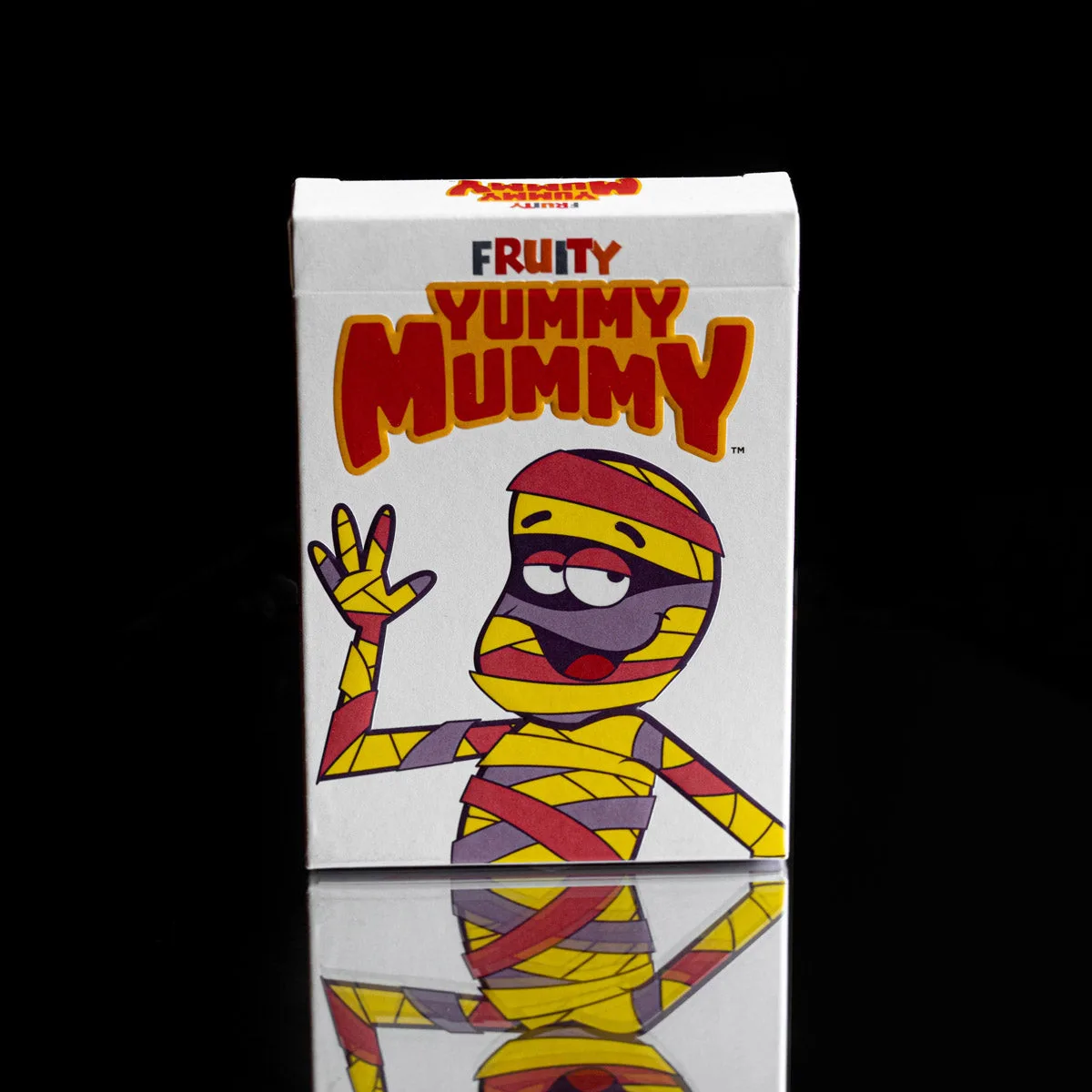
- MONSTER CEREALS™ FRUITY YUMMY MUMMY™ Playing Cards: MONSTER CEREALSTM FRUITY YUMMY MUMMYTM Playing Cards are a limited edition deck featuring General Mills’ iconic Monster Cereals characters. Limited editions are harder to replace, so keeping them in a stable humidity range protects both playability and collector value.
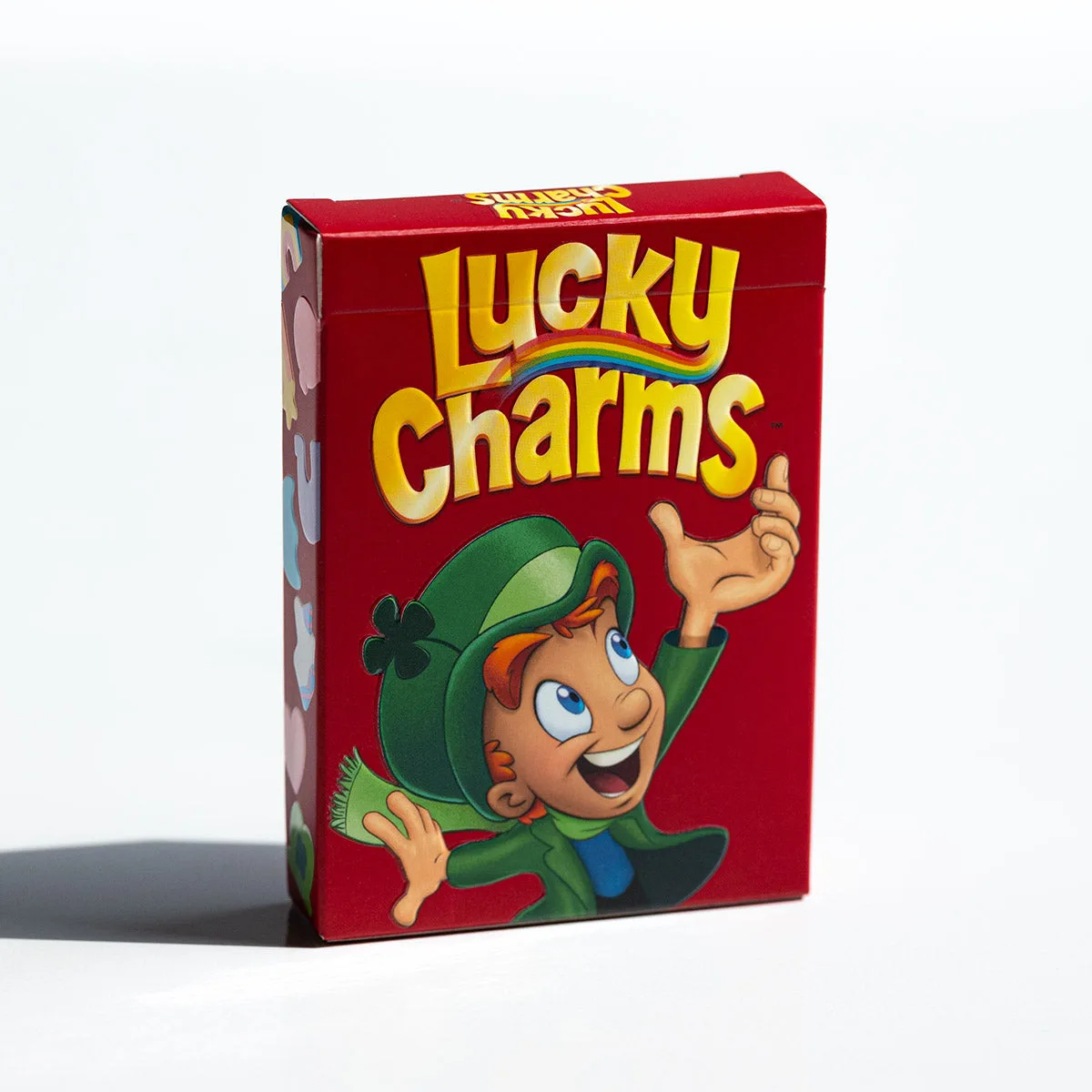
- LUCKY CHARMS™ GOLD FOIL PLAYING CARDS: LUCKY CHARMSTM GOLD FOIL PLAYING CARDS use hot-foil stamped borders on the back design. Foil layers do not flex with paper, so these cards are more likely to crack or flake in dry winter air and should be stored with extra care.