Quick Answer
If your factory radio already plays cleanly and you want control over time alignment, crossovers, and per-channel EQ, a DSP amplifier is the bigger upgrade. If your head unit is the weak point, a modern stereo with Bluetooth and preamp outputs fixes the source before any tuning can help. Many builds eventually need both, but start with whichever one is actually holding your system back.
What Each Upgrade Actually Changes
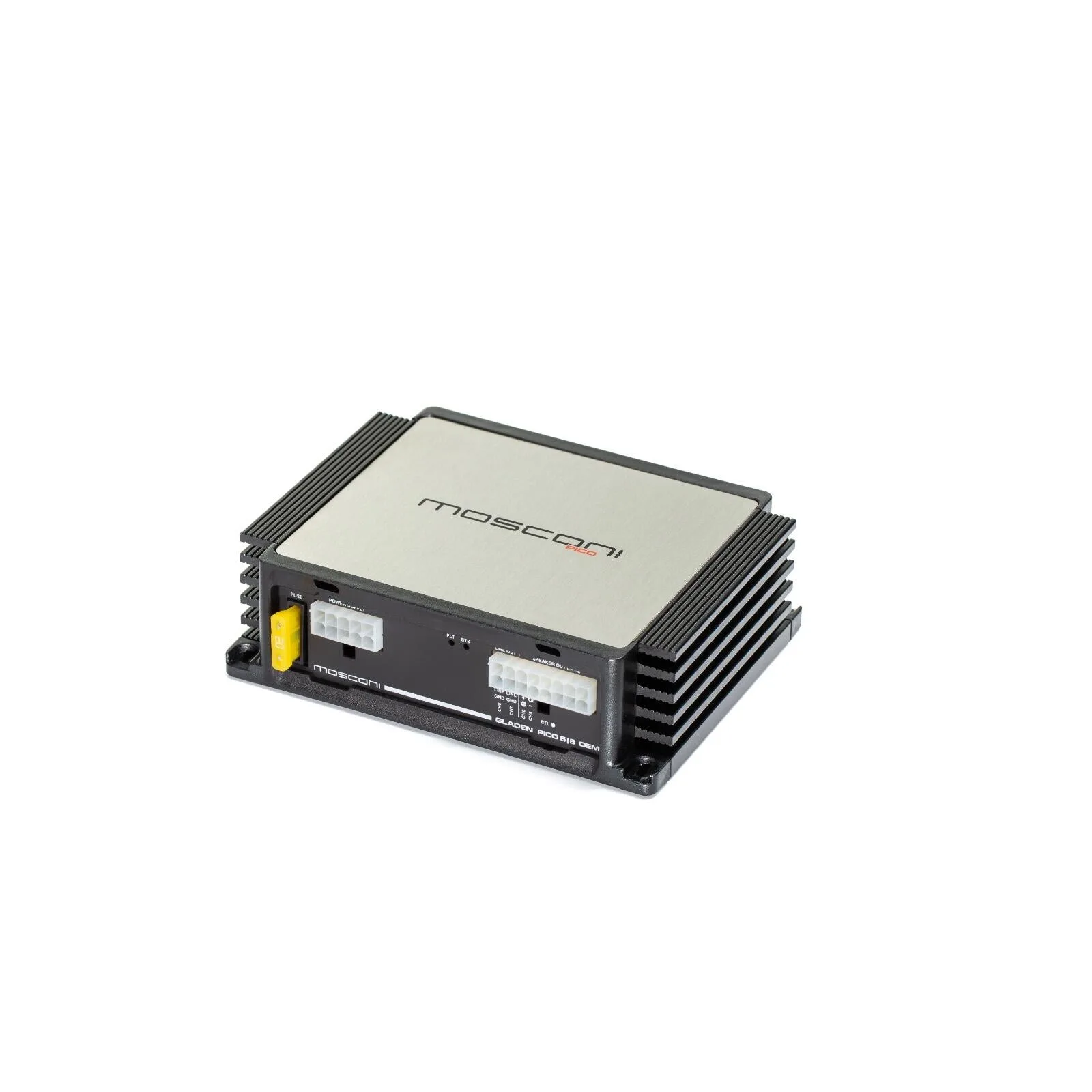
A DSP amplifier sits between your source and your speakers, taking the signal and reshaping it before power is applied. The Mosconi Pico 6 | 8 DSP is a clear example: six analog inputs up to 30 V, flexible routing, 3 x input EQ and delay, plus 4 x 50 W + 2 x 90 W of Class D power. That combination is what lets you fix a factory radio's odd staging or a speaker that arrives late relative to its neighbor.
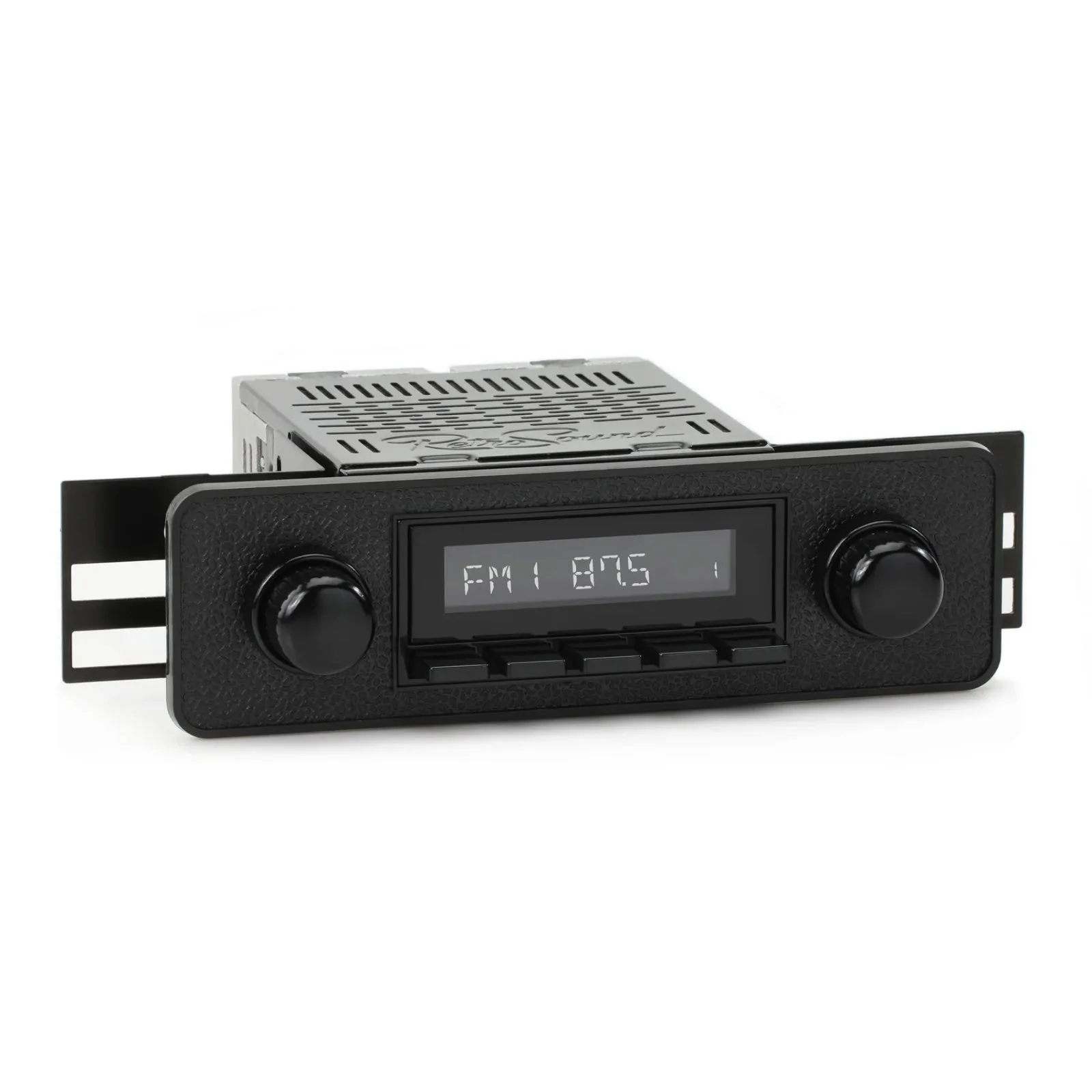
A car stereo like the RetroSound Euro Style Motor 1 replaces the source itself. It adds Bluetooth, FM/AM, and modern audio features while keeping classic push-buttons, replica knobs, and a period-correct faceplate. It does not tune your speakers, but it can give you a cleaner, more convenient signal to feed whatever comes next.
When the Head Unit Is the Bottleneck
If you are still on an old factory radio with no Bluetooth, no preamp outputs, and limited tone control, a DSP is working from a compromised starting point. Replacing the radio first gives you a reliable source, easier volume control, and a signal path you can actually build on. The RetroSound unit is aimed at owners who want modern features without cutting up a classic dash.
The trade-off is that a new head unit alone will not fix time alignment or per-speaker EQ. Those problems stay in the signal until a processor or DSP-equipped amplifier addresses them.
When the DSP Is the Bottleneck
If your radio already sounds decent but the stage is lopsided, the subwoofer arrives late, or your mids are harsh at one volume, a DSP amplifier is the tool that fixes it. The Mosconi Pico 6 | 8 DSP is built for exactly this: it is optimized for factory radio integration with high-voltage inputs, and its routing and delay let you align each channel independently.
The trade-off is complexity. A DSP needs setup, and without tuning knowledge or a shop, you can make a system sound worse than it did stock. It also does not add Bluetooth or a new interface, so if your head unit is genuinely outdated, you are still stuck with it.
Wiring and Speaker Protection You Should Not Skip
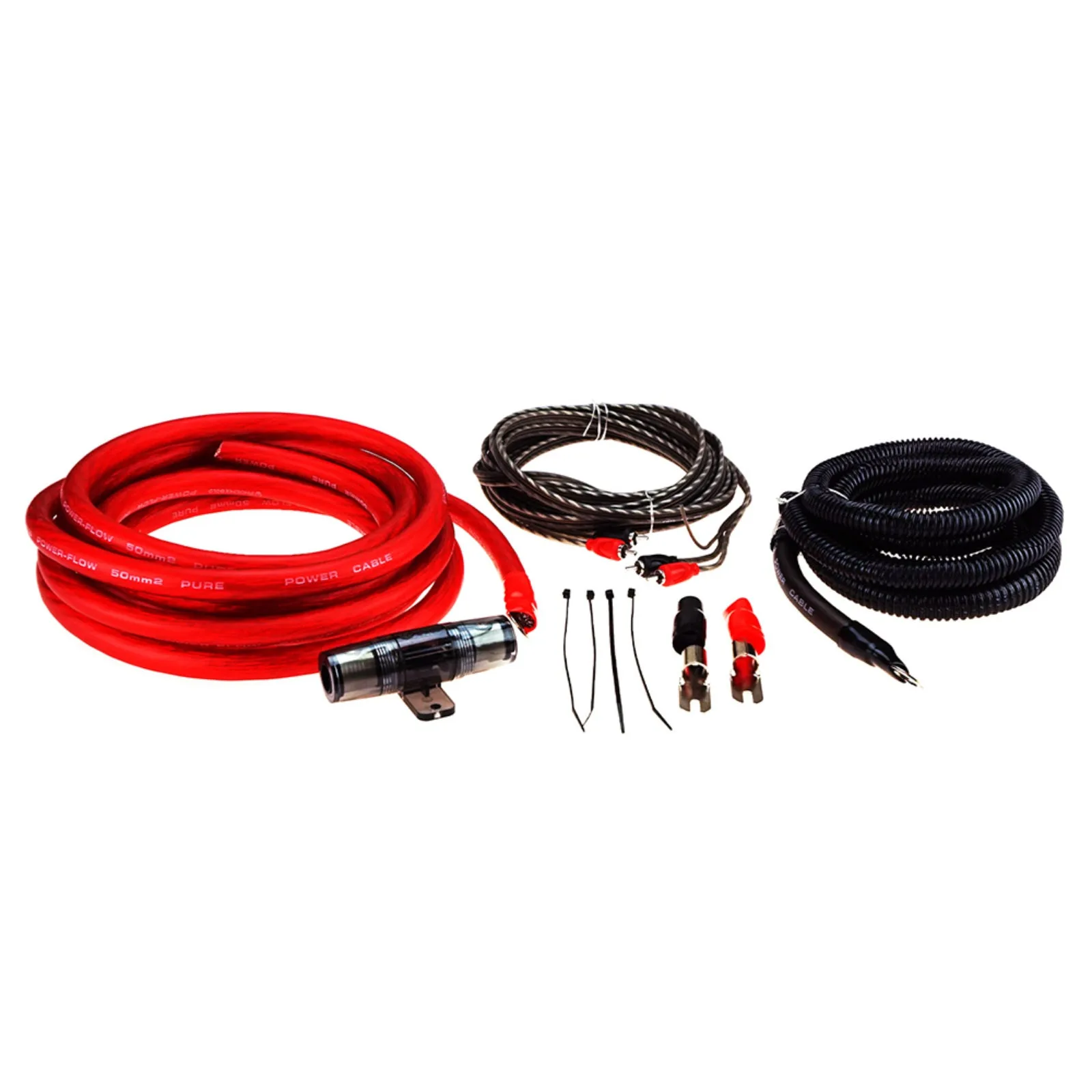
Whichever path you choose, power and speaker protection matter. The Phoenix Gold ZRK50 is a 0 AWG OFC kit rated for systems up to 2700 W, and it includes a twisted-pair RCA cable. If you add a DSP amplifier, that RCA path and the power feed become part of the tuning result, not just installation trivia.
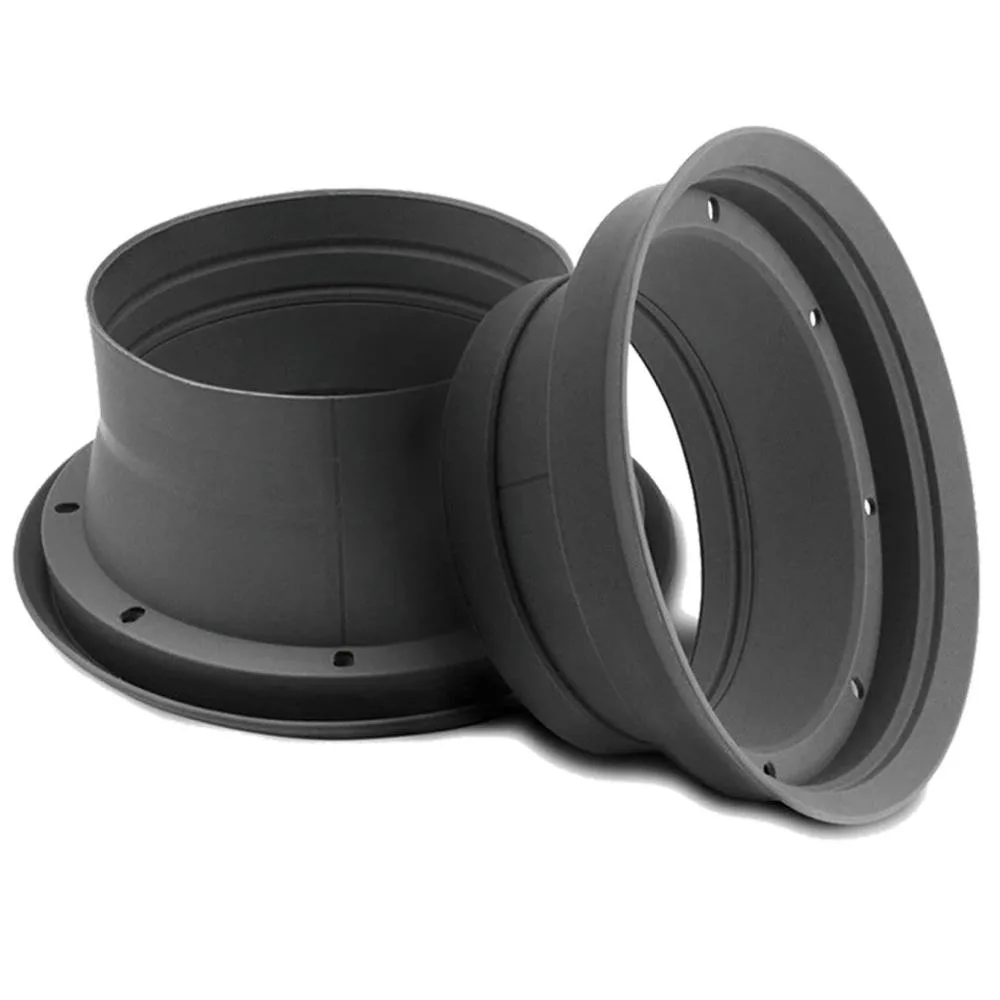
On the speaker side, the Skinz WaterGuard 165 is a silicon collar that encloses the rear of a 165 mm speaker to protect it from water ingress and can be shaped into a sound guide between the cone and grille. It is a small part, but it protects the drivers you just tuned.
Trade-Offs at a Glance
- Source vs. Signal: A car stereo changes what you feed the system. A DSP amplifier changes how that signal is shaped and sent to each speaker. Fix the source first if it is noisy, feature-poor, or unreliable.
- Tuning Control vs. Ease of Use: The Mosconi Pico 6 | 8 DSP offers routing, input EQ, and delay, but it needs setup. The RetroSound radio is plug-in simple but does not tune your speakers. Choose based on whether you want control or convenience first.
- Install Scope vs. Result: A DSP amplifier usually means running power, ground, and RCA lines, plus speaker wiring. A head unit swap is often less invasive but limited to source improvements. Budget for the install, not just the part.
Product Facts That Matter Here
- RetroSound Euro Style Motor 1 Bluetooth FM AM Radio All Black Classic Car Stereo: RetroSound Euro Style Motor 1 Bluetooth FM AM Radio with classic push-buttons, replica knobs, and a period-correct faceplate. Best when the source itself is the weak link and you want modern features without changing the dash look.
- Mosconi Pico 6 | 8 DSP Amp 6 Channel Amplifier with 8 Channel DSP Up to 440w: Mosconi Pico 6 | 8 DSP: 6-channel Class D amplifier with 8-channel DSP, six analog inputs up to 30 V, flexible routing, 3 x input EQ and delay, 4 x 50 W + 2 x 90 W. Best when the source is acceptable but you need per-channel control, time alignment, and active or semi-active capability.
- Phoenix Gold ZRK50 OFC Amplifier Wiring Kit 0 AWG Car Amp Power Kit Fuse Holder: Phoenix Gold ZRK50 0 AWG OFC amplifier wiring kit with twisted-pair RCA cable, rated for systems up to 2700 W. Supports a DSP amplifier install with a clean power feed and a proper signal cable.
- Skinz WaterGuard 165 6.5" Snug fit Silicon Car Door Speaker Collar Water Guard: Skinz WaterGuard 165 silicon speaker collar for 165 mm speakers, designed to protect against water ingress and shape a sound guide. Protects the speakers you are tuning, especially in door locations exposed to moisture.
Which Upgrade Fits You?
Best for
- Drivers with a clean factory or aftermarket radio who want time alignment, per-channel EQ, and active or semi-active control.
- Classic car owners who want modern Bluetooth and FM/AM features without changing the dash style.
- Builds where the speakers are already decent and the remaining problem is staging or tonal balance.
Not for
- Owners whose head unit has no usable preamp output and who expect a DSP to fix a bad source.
- Drivers who will not tune the DSP or pay a shop to do it.
- Anyone expecting a head unit swap alone to fix time alignment or per-speaker EQ problems.