Quick answer
A dual lens security camera captures two perspectives simultaneously, ideal for wide-area coverage without blind spots. A single lens PTZ camera, especially one with high optical zoom, gives you detailed close-ups of distant objects. The right choice depends on whether you prioritize simultaneous views or long-range detail.
How lens count affects your view
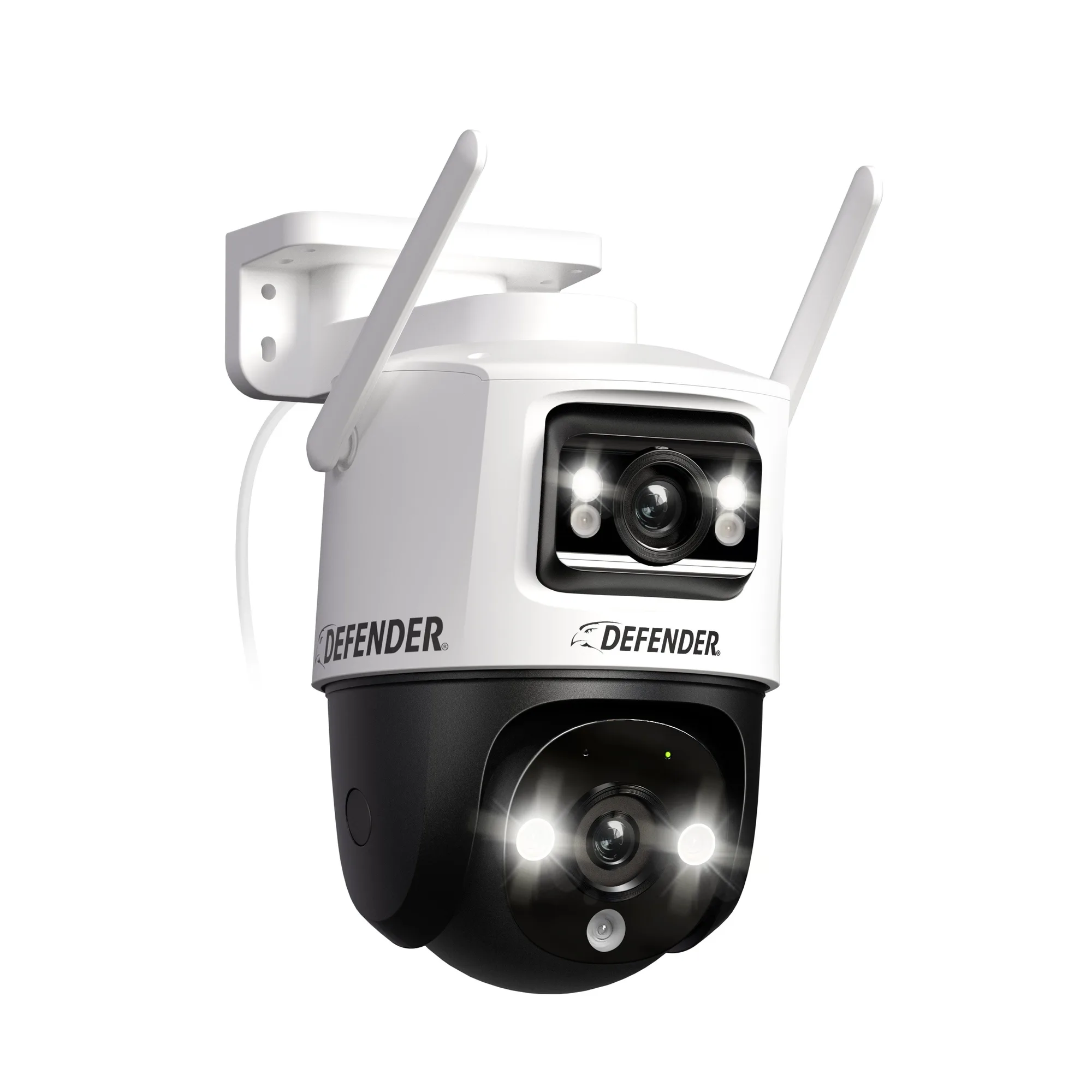
The number of lenses on a security camera directly determines how much of a scene it can cover at once. A dual lens camera, like the Defender AI Powered Guard Pro 3K PLUS, uses two separate imaging sensors to record two different angles simultaneously. This means one camera can watch a driveway and a front door at the same time without needing to pan back and forth.
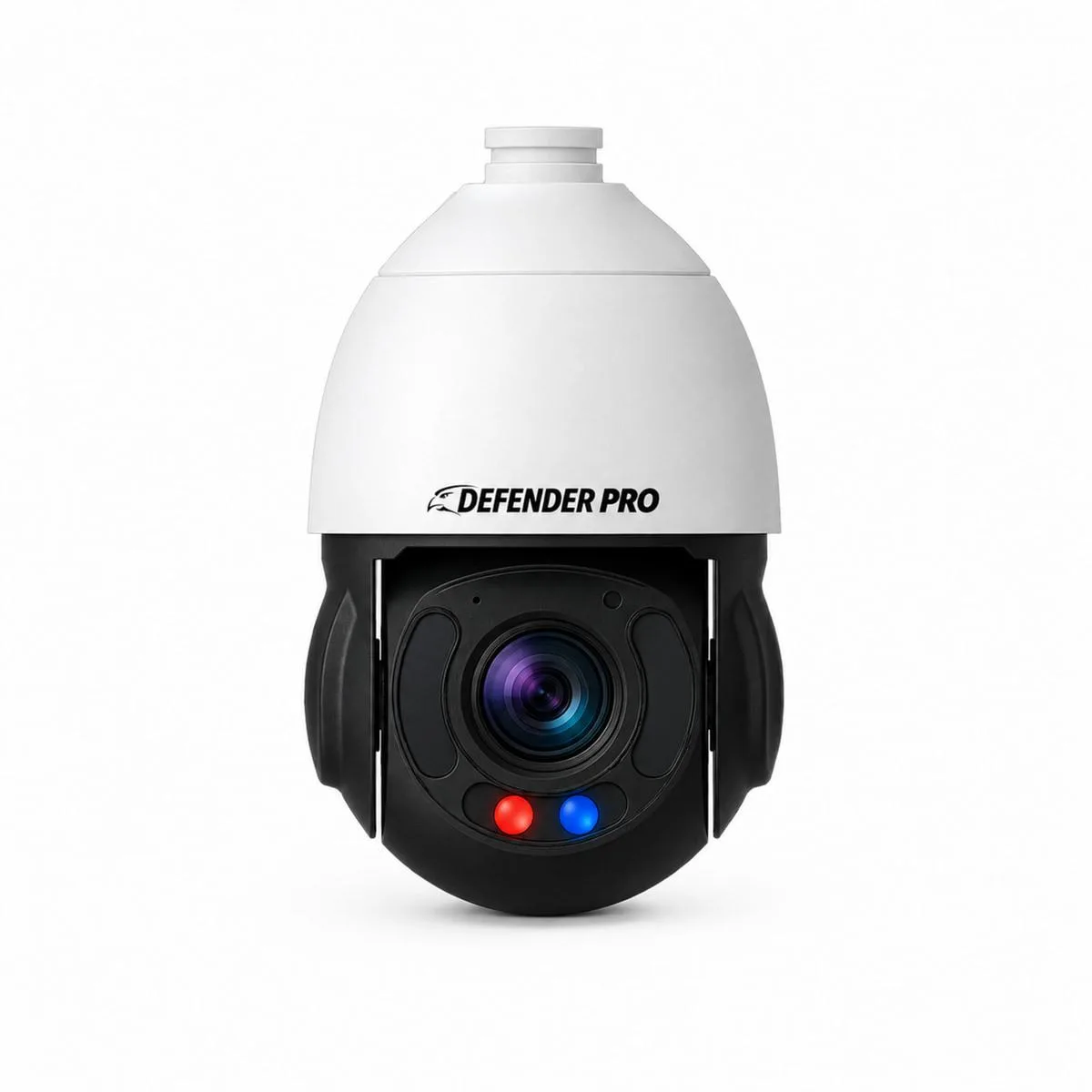
A single lens PTZ camera, such as the Defender Pro 8MP AI Powered High-Speed 20x Zoom PTZ Dome Camera, relies on one lens but can mechanically pan, tilt, and zoom to change its view. The trade-off is that it can only see one direction at a time, so you might miss activity elsewhere while it is focused on a specific area.
AI detection and false alerts
Both dual lens and single lens PTZ cameras now include AI-powered detection to reduce false triggers from animals, leaves, or passing cars. The Defender AI Powered Guard Pro 3K uses AI to analyze motion and send smart alerts only when a genuine threat is detected. The Defender Pro 8MP dome camera also uses AI-powered technology for smart motion detection and analysis.
The key difference is that a dual lens camera can apply AI detection to two separate views independently, giving you more granular control over which areas trigger alerts. A single lens PTZ camera must rely on its one field of view, so if the camera is zoomed in on a door, it may not detect motion in the wider yard.
Zoom and detail: when one lens wins
If your priority is identifying a license plate or a person's face from a distance, a single lens camera with powerful optical zoom is the better tool. The Defender Pro 8MP offers 20x zoom combined with 8MP resolution, giving you clear, detailed video of far-away subjects. Dual lens cameras typically have fixed or modest zoom on each lens, so they are not designed for long-range identification.
However, that zoom capability comes with a trade-off: the camera can only look in one direction at a time. If you need to monitor two distant points (like a gate and a garage), a dual lens camera can cover both without moving, while a single lens PTZ would have to alternate between them.
Dual lens vs single lens PTZ: trade-offs
- Simultaneous coverage: Dual lens cameras can record two views at once. Single lens PTZ cameras must pan between areas. Dual lens wins if you need to watch two spots without moving parts.
- Long-range detail: Single lens PTZ cameras with high optical zoom (like 20x) capture far-away details. Dual lens cameras typically lack that reach. Single lens PTZ wins for identifying subjects at a distance.
- AI detection scope: Dual lens cameras can apply AI analysis to two independent views. Single lens PTZ cameras analyze one view at a time. Dual lens offers more flexible alert zones.
- Cost and complexity: Dual lens cameras are generally more affordable upfront. High-zoom PTZ dome cameras cost more but replace the need for multiple fixed cameras in some setups. Budget-conscious buyers often lean toward dual lens; detail-focused buyers invest in PTZ zoom.
Product facts at a glance
- AI POWERED Guard Pro 3K PLUS Dual Lens PTZ Wi-Fi 6 Plug-in Security Camera: Dual lens system captures two perspectives simultaneously; AI-powered detection for smart alerts and reduced false triggers. You can monitor two separate areas (e.g., a walkway and a driveway) with one camera, and the AI cuts down on nuisance alerts.
- Defender Pro 8MP AI POWERED High-Speed 20x Zoom PTZ Dome Camera: 8MP resolution; 20x optical zoom; high-speed PTZ; AI-powered smart motion detection and analysis. The high zoom and resolution let you read a license plate or identify a person from far away, but the camera can only look one way at a time.
Which camera fits your setup?
Best for
- Homeowners who want to watch two entry points (e.g., front door and driveway) with one camera
- Users who prefer fewer moving parts and lower maintenance
Not ideal for
- Situations requiring long-range identification (e.g., reading a license plate from 50 feet away)
- Large properties where a single PTZ camera must cover multiple distant zones