Quick answer
Most travel duffle damage comes from three habits: storing the bag crushed under other luggage, cleaning it with harsh products, and ignoring strap and zipper wear until it fails. Empty the bag after every trip, wipe it with a damp cloth and mild soap, dry it fully in open air, then store it loosely stuffed so it holds its shape. If a strap anchor or zipper is already torn, replace or repair the bag instead of continuing to load it.
Mistake 1: Storing a duffle bag folded or crushed
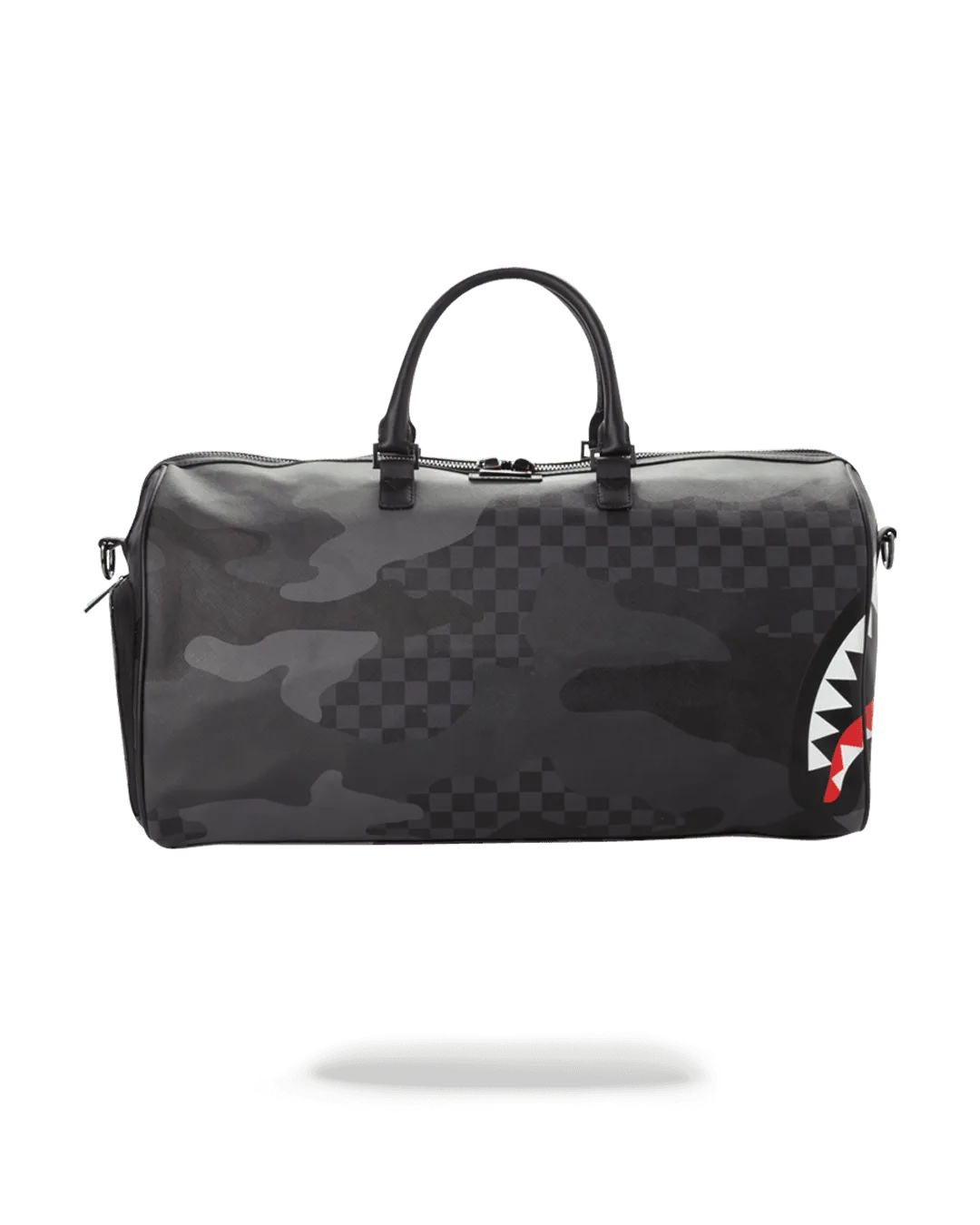
A duffle that lives flattened under a bed or under heavier suitcases develops permanent creases in the fabric and foam, and those creases become weak points. Stuff the bag loosely with clean towels or tissue paper, keep it in a dust bag or pillowcase, and place it on a shelf where nothing presses down on it. Keep it out of damp basements and hot attics, since both speed up material breakdown.
- Empty every pocket before storing, including the small stash pocket where receipts and snacks collect.
- Loosen the shoulder strap instead of leaving it cinched tight for months.
- Avoid hanging a loaded duffle by one strap for long periods; the anchor point stretches.
Mistake 2: Cleaning errors that damage fabric and coatings
Soaking a duffle in the tub, scrubbing it with a stiff brush, or running it through a washing machine can break down coatings, distort padding, and bend zipper tracks. Spot-clean with a soft cloth, lukewarm water, and a drop of mild soap, then blot rather than rub. Let the bag air-dry away from direct sun and never put it in a dryer, because heat can warp panels and shrink trim.
- Test any cleaner on a hidden area first, especially on clear or coated panels.
- Wipe zipper teeth with a dry toothbrush to clear grit before it grinds the track.
- Skip bleach and solvent sprays; they fade prints and dry out straps.
Mistake 3: Ignoring odor until it sets in
Duffel bag odor removal starts with finding the source: damp gym clothes, a spilled drink, or a bag stored before it was fully dry. Turn the bag inside out, wipe the lining, and let it sit in open air with a small dish of baking soda nearby for a day or two. If the smell stays after airing, the cause is usually trapped moisture in padding, and repeated washing will not fix it.
- Never store a duffle even slightly damp; mildew sets in within days.
- Remove wrappers and food from pockets after every trip.
- Use a breathable cotton bag for storage rather than a sealed plastic bin.
Mistake 4: Overloading and mishandling straps
Duffel bag strap wear shows up first at the stitching where the strap meets the body. Loading the bag past its comfortable capacity, swinging it by one strap, or dragging it across pavement all pull on those seams. Carry the bag by the handles when it is heavy, use the shoulder strap only for lighter loads, and check the anchor stitching every few trips. If you see frayed thread or a stretched anchor, stop using that strap before it tears free.
- Distribute weight evenly so one end is not pulling harder than the other.
- Do not use a duffle as a seat or step; the base panel and hardware take the load.
- Lift with both handles when the bag is packed full.
Mistake 5: Letting a duffle lose its shape
To keep duffle bag shape, the bag needs support when it is empty and room when it is full. Overpacking stretches seams and flattens padding, while storing it collapsed creates hard creases. Pack to about 80 percent capacity, use packing cubes to hold structure, and reshape the bag by hand before storing. If the base has already sagged permanently, the bag will keep folding inward and is better retired.
- Store with light stuffing, not heavy items that press on the base.
- Rotate between bags so one duffle is not compressed year-round.
- Check the base panel each season for soft spots or separation.
Duffel care diagnosis: symptom, cause, action, stop point
- Persistent musty smell after airing: Likely cause: moisture trapped in padding or lining from a damp item stored inside. Corrective action: empty the bag, wipe the lining with a mild soap solution, and air it in a dry, ventilated space for two days. Takeaway: if the smell returns within a week, the padding is compromised and the bag should be replaced rather than repeatedly washed.
- Frayed stitching at a strap anchor: Likely cause: carrying heavy loads by one strap or swinging the bag. Corrective action: stop using that strap, switch to the handles, and have the seam repaired by a professional if the fabric is intact. Takeaway: if the anchor point has torn through the fabric, retire the bag; a home repair will not hold under travel weight.
- Bag collapses and will not stand up: Likely cause: long-term storage folded flat or chronic overpacking that stretched the base. Corrective action: stuff the bag lightly and reshape it by hand, then store it on a shelf without weight on top. Takeaway: if the base panel stays creased and soft after a week of shaping, the structure is gone and the duffle will keep folding inward.
Bag features that reduce care problems
- CAMO MONEY SHARK SLING: Durable cross-body shoulder bag designed for phone, wallet, sunglasses, keys, and other small items. A smaller sling keeps daily essentials out of your duffle, so the duffle stays less stuffed and holds its shape longer.
- ANARCHY: Exterior dimensions 18" x 6" x 11.5", front zipper pocket, side pockets, zippered stash pocket, ergonomic mesh back padding, adjustable straps, and a separate laptop compartment. Defined pockets and a separate laptop compartment reduce the urge to overstuff the main compartment, which is one of the main causes of seam and strap strain.
- CLEAR BACKPACK - SHARK CENTRAL: Clear PVC front, side, top, and bottom panels with a black back panel, plus a laptop compartment and hidden stash pocket. Clear panels make it easy to see crumbs, spills, or damp items before they cause odor, so you can clean the bag sooner.