Quick answer
Keep probiotic supplements sealed, dry, and out of direct heat and sunlight. Most shelf-stable formulas, including blister-packed pre+probiotics, stay effective at room temperature, but check the label before you refrigerate. If you live somewhere hot and humid, a cool cupboard or the fridge door is a safer bet than a steamy bathroom shelf.
What actually degrades a probiotic supplement
Probiotic storage is mostly about controlling three things: moisture, heat, and oxygen exposure. Live strains are freeze-dried or otherwise stabilized during manufacturing, and that stability holds as long as the capsule or tablet stays dry and reasonably cool. Steam from a shower, a car dashboard in summer, and a half-open bottle all shorten the window in which the labeled potency is likely to hold.
That is why packaging format matters as much as the storage spot. A blister pack seals each dose individually, so opening one day's serving does not expose the rest of the pack to air and humidity. A wide-mouth bottle, by contrast, gets a burst of moist room air every time you open it. Neither format is a guarantee, but the blister approach removes most of the everyday exposure that causes potency to drift over time.
One honest limitation: exact strain survival depends on the specific formula and how it was manufactured, and that data is not printed on most retail labels. You will not find a precise month-by-month potency curve for a given product, so treat the expiration date as your main guide rather than trying to calculate loss yourself.
When refrigeration helps and when it hurts
The short answer to whether probiotics need refrigeration is: it depends on the product, and the label is the authority. If the packaging says refrigerate, do it. If it says store at room temperature, moving it to the fridge is usually unnecessary and can introduce a different problem: condensation. Every time a cold bottle comes out into warm air, moisture can form inside, and moisture is the enemy of live cultures.
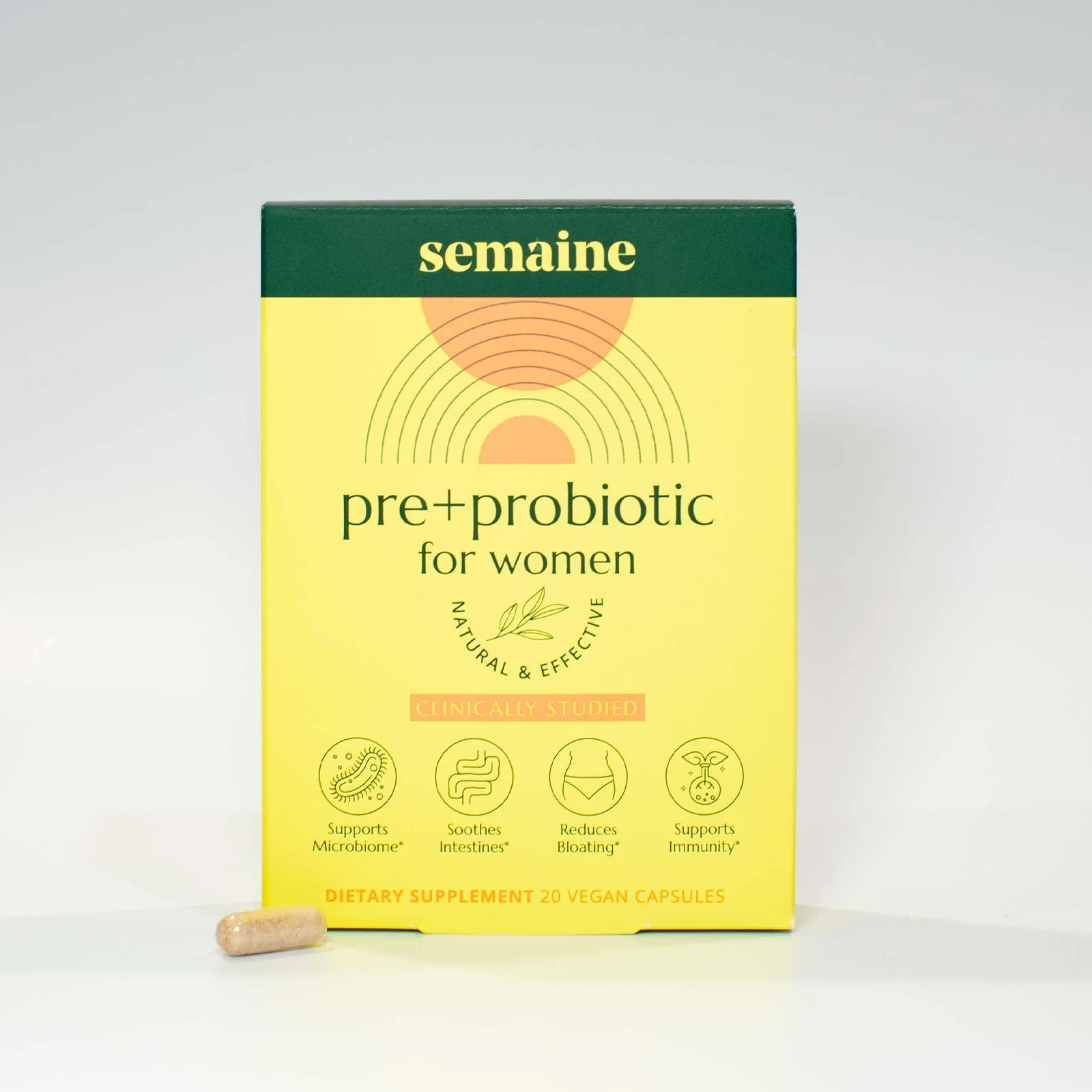
A practical compromise for hot climates is a consistently cool, dark cupboard away from the stove, the dishwasher, and any south-facing window. If your kitchen regularly climbs above typical room temperature in summer, a fridge shelf is reasonable, but keep the container closed until it reaches room temperature before opening it. For a product like Pre+Probiotic For Women, which combines probiotic strains with a prebiotic blend, the same logic applies: stability comes from keeping it dry and temperate, not from any single storage trick.
Travel storage without overthinking it
Travel is where storage habits usually fall apart, and it is also where a blister format earns its place. A sealed blister card survives a carry-on, a gym bag, and a hotel nightstand far better than a loose bottle, because each dose stays protected until you actually take it. Pack the card flat rather than crushed at the bottom of a bag, and keep it out of the glove compartment or a checked bag that sits on a hot tarmac.
If you are flying with a larger supply, keep it in your carry-on so it stays in a temperature-controlled cabin rather than a cargo hold. For short trips, bring only what you need. That reduces both the number of doses exposed to temperature swings and the chance of leaving a full bottle behind in a hotel fridge.
Your probiotic storage routine, step by step
- Read the label before you decide anything: Check whether the product says refrigerate or room temperature, and note the expiration date. This single step settles most storage questions. Common mistake: assuming all probiotics need refrigeration. Many shelf-stable formulas do not, and unnecessary chilling can add condensation.
- Pick a dry, dark, stable spot: A closed cupboard away from the stove, dishwasher, and direct sun works for most shelf-stable products. Avoid the bathroom shelf entirely because of shower humidity. Checkpoint: if the spot feels warm to your hand or sits near a heat source, move it.
- Keep the container sealed between doses: Close bottles tightly and leave blister doses in their individual seals until you take them. Air and moisture are the two things you can actually control. Common mistake: leaving a bottle open on the counter while you make breakfast.
- Handle the fridge correctly if you use one: Keep the container closed until it reaches room temperature, then open it. This limits condensation forming on cold capsules. Checkpoint: if you see moisture inside the container, the storage routine needs adjusting.
- Pack travel doses in a blister, not a loose bottle: Carry only the doses you need, keep them in a carry-on rather than a checked bag, and avoid the glove compartment or any spot that bakes in the sun. Next step: refill your travel supply from the sealed home pack right before you leave, not weeks in advance.
- Do a monthly check: Look for a changed smell, discoloration, clumping, or a capsule that has softened. Anything unusual is a reason to replace the supply rather than keep taking it. Checkpoint: mark the expiration date on your calendar so you rotate stock before it lapses.
Product facts worth knowing for storage
- Pre+Probiotic Travel Blister: Pre+Probiotic Travel Blister is a 3-in-1 pre+probiotic with ginger extract, supplied in a blister format with size options. Individually sealed blisters limit air and moisture exposure, which is the main practical advantage when you are storing doses in a bag, purse, or carry-on.
- Pre+Probiotic For Women: Pre+Probiotic For Women is a 3-in-1 pre+probiotic with ginger extract and a prebiotic blend, available in size options. If you keep a larger size at home and a smaller one for travel, you can leave the home supply sealed and undisturbed while the smaller pack takes the wear of daily handling.