Quick answer
Choose dungeon terrain when you need clean geometry, straight walls, and tactical grids for structured encounters. Choose cave terrain when your adventure calls for organic, irregular spaces with natural features like pools and cliffs. Many game masters mix both sets to cover a full campaign without buying two complete collections.
You have a session coming up and a budget to spend. Do you invest in dungeon terrain or cave terrain? Both look great on the table, but they solve different problems. Dungeon sets give you predictable rooms, corridors, and grids. Cave sets give you winding passages, uneven floors, and natural landmarks. The right pick depends on the encounters you run most often, not on which set looks better in photos.
This comparison uses real Dwarven Forge products to show where each style wins and where it falls short. You will see how a core dungeon room compares to a cavern corner, and how individual pieces let you expand either direction without starting over. By the end, you should know which build to buy first and what to add later.
Dungeon terrain: built for structure and speed
Dungeon terrain excels when your encounter needs clear walls, regular rooms, and a visible grid. Pieces like the 4x4 Dungeon Floor (Painted) give you a 4-inch by 4-inch foundation with a sculpted 1-inch grid, so movement and range are obvious at a glance. That grid matters in combat-heavy sessions where players count squares and you want to avoid arguments about distance.
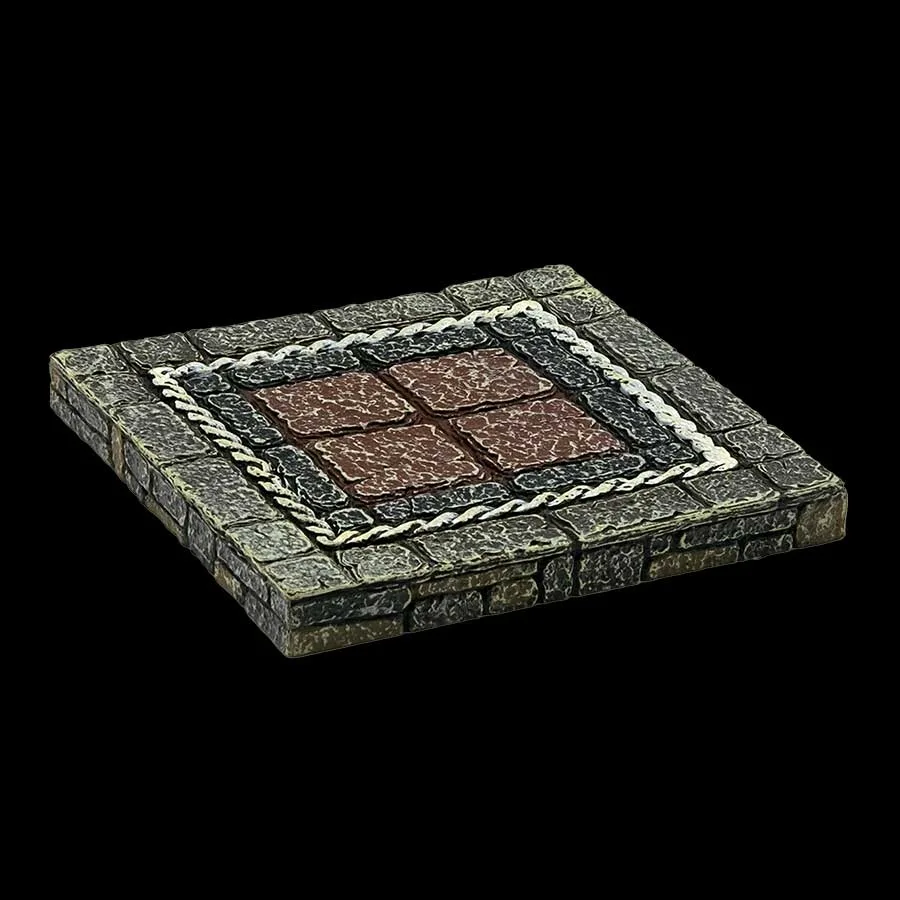
4x4 Dungeon Floor (Painted)
The trade-off is visual variety. Straight walls and square floors can feel repetitive if you run many dungeon crawls in a row. You can break up the look with scatter pieces, paint accents, or a themed set like Inner Sanctum (Painted), which adds a forbidden shrine centerpiece. But the core geometry stays rectilinear, which is exactly what some encounters need.
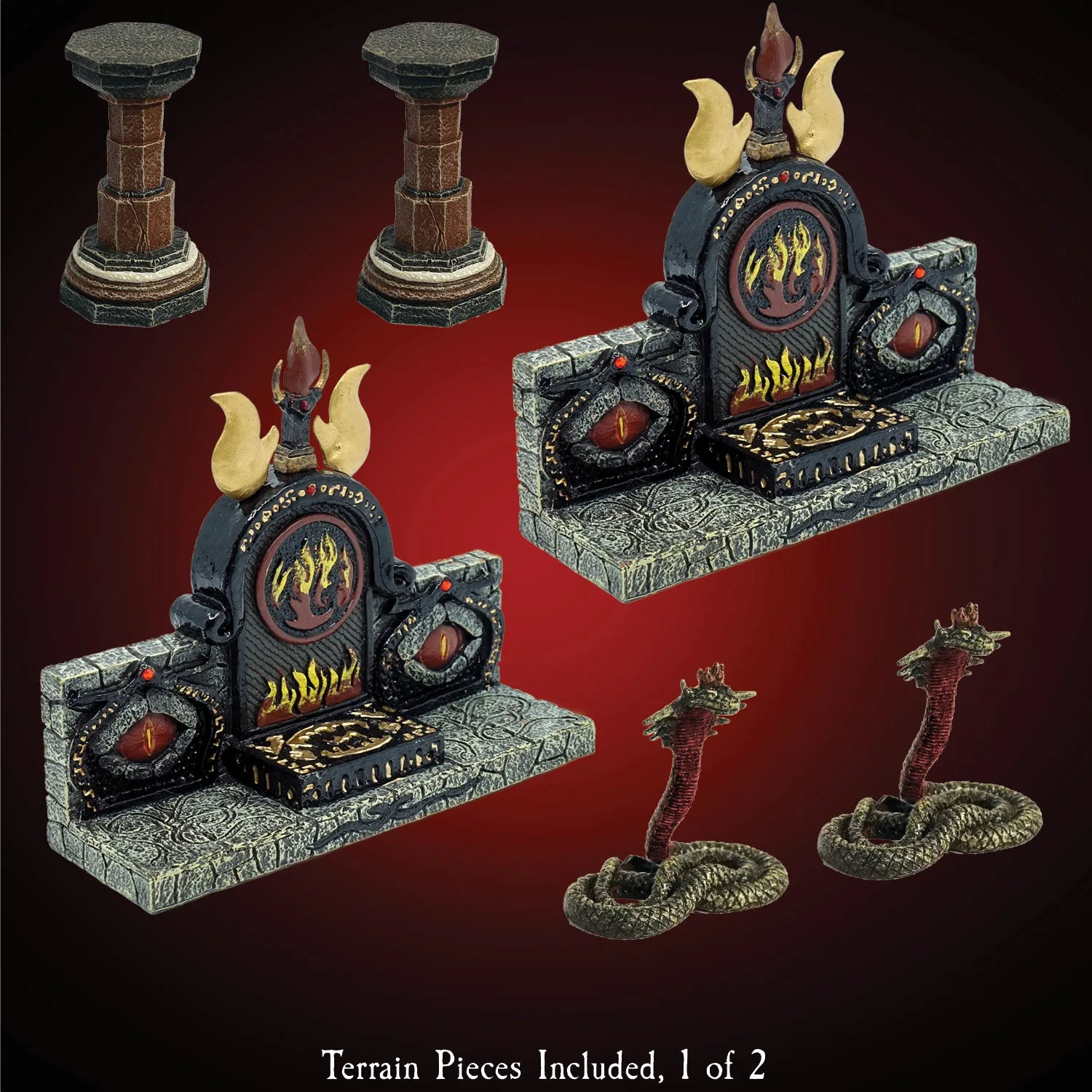
Inner Sanctum (Painted)
- Best when you need fast setup and unambiguous movement.
- Pair with a themed set piece to avoid a bland, boxy look.
Cave terrain: organic spaces with natural features
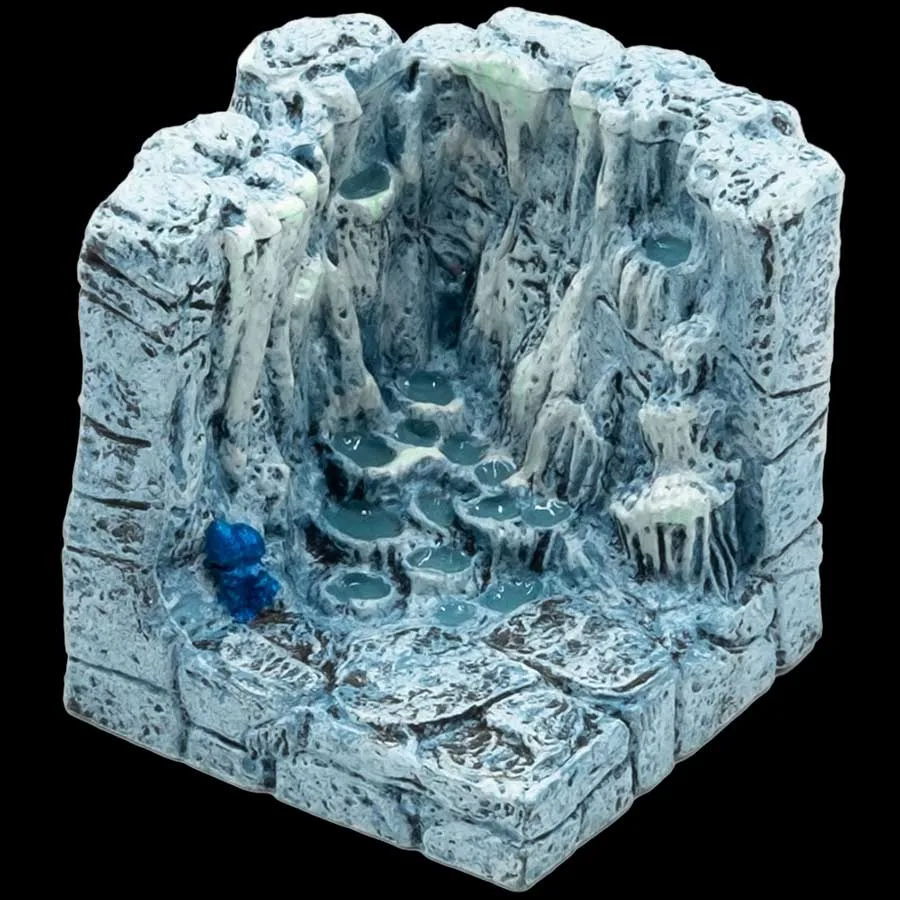
Cave terrain shines when the environment itself is part of the challenge. A piece like Cascading Pool Cavern Corner - Ice (Painted) introduces an ice-themed corner with a cascading pool, turning a simple intersection into a tactical hazard or a scenic discovery. Cavern walls are rarely straight, so players cannot assume a clean line of sight or a predictable room shape.
That organic feel comes with a cost. Irregular pieces can be harder to align quickly, and you may need more pieces to enclose a given area because cave walls do not tile as efficiently as dungeon walls. If your group prefers theater-of-the-mind exploration over grid-heavy combat, cave terrain rewards that style with atmosphere. If you need a quick, symmetrical room, caves will slow you down.
- Use cave corners and pools to create natural chokepoints.
- Expect to spend a little more time on layout than with dungeon sets.
Mixing dungeon and cave terrain without wasting money
You do not have to choose one forever. A practical approach is to start with a dungeon core for your most common encounters, then add cave pieces for specific scenes like a natural cavern beneath the dungeon or a cliffside shrine. Individual pieces make this affordable because you can buy exactly the corner or wall you need instead of a full set.
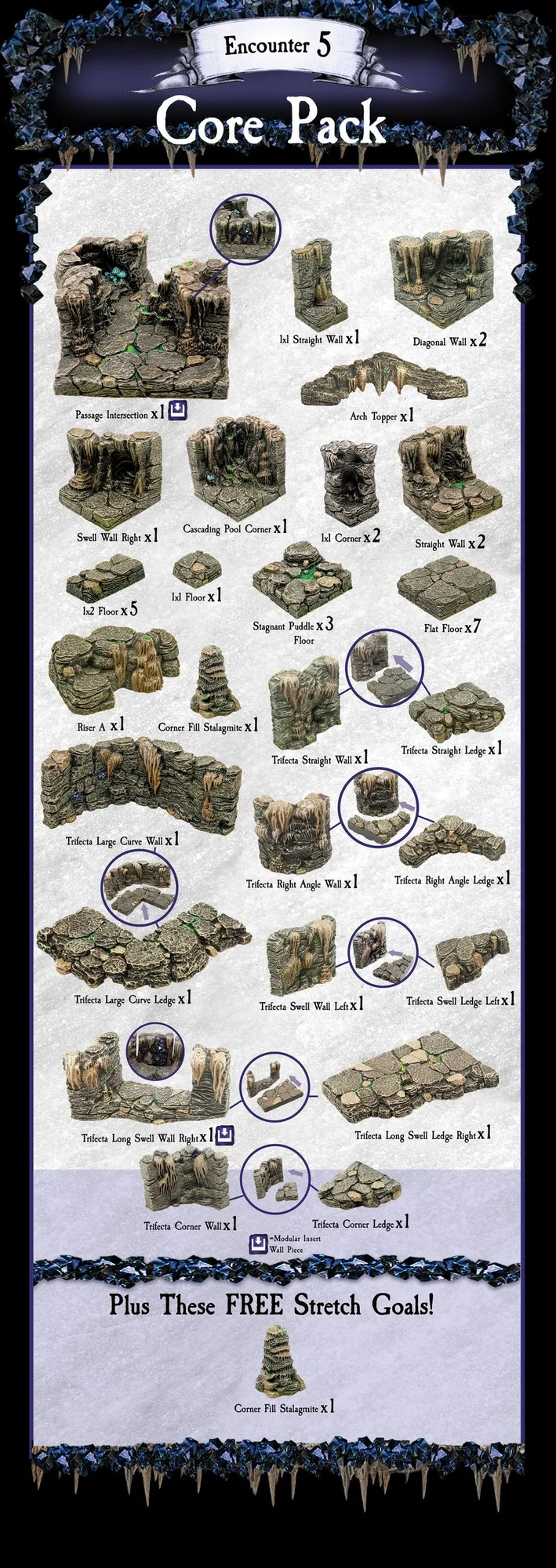
For example, the Cave of Ruin Core Pack (Painted) builds a wide room with a good assortment of Trifecta pieces, so it works as a standalone cave encounter or as an expansion to an existing dungeon layout. The Copper Vein Wall (Straight C) from the Underdoom line is a single painted wall with anchor magnets, letting you add a themed segment to a cavern without committing to a full cavern set.
- Buy a dungeon core first if most of your sessions are structured.
- Add cave corners or themed walls when a specific encounter calls for them.
What to check before you buy
Before you choose, look at the encounters you have actually run in the last few months. If most were indoor, grid-based fights, dungeon terrain will get more table time. If your players spend sessions exploring natural caves, cliffs, or underground pools, cave terrain will feel more immersive. Also consider storage: irregular cave pieces can take up more space than stackable dungeon floors.
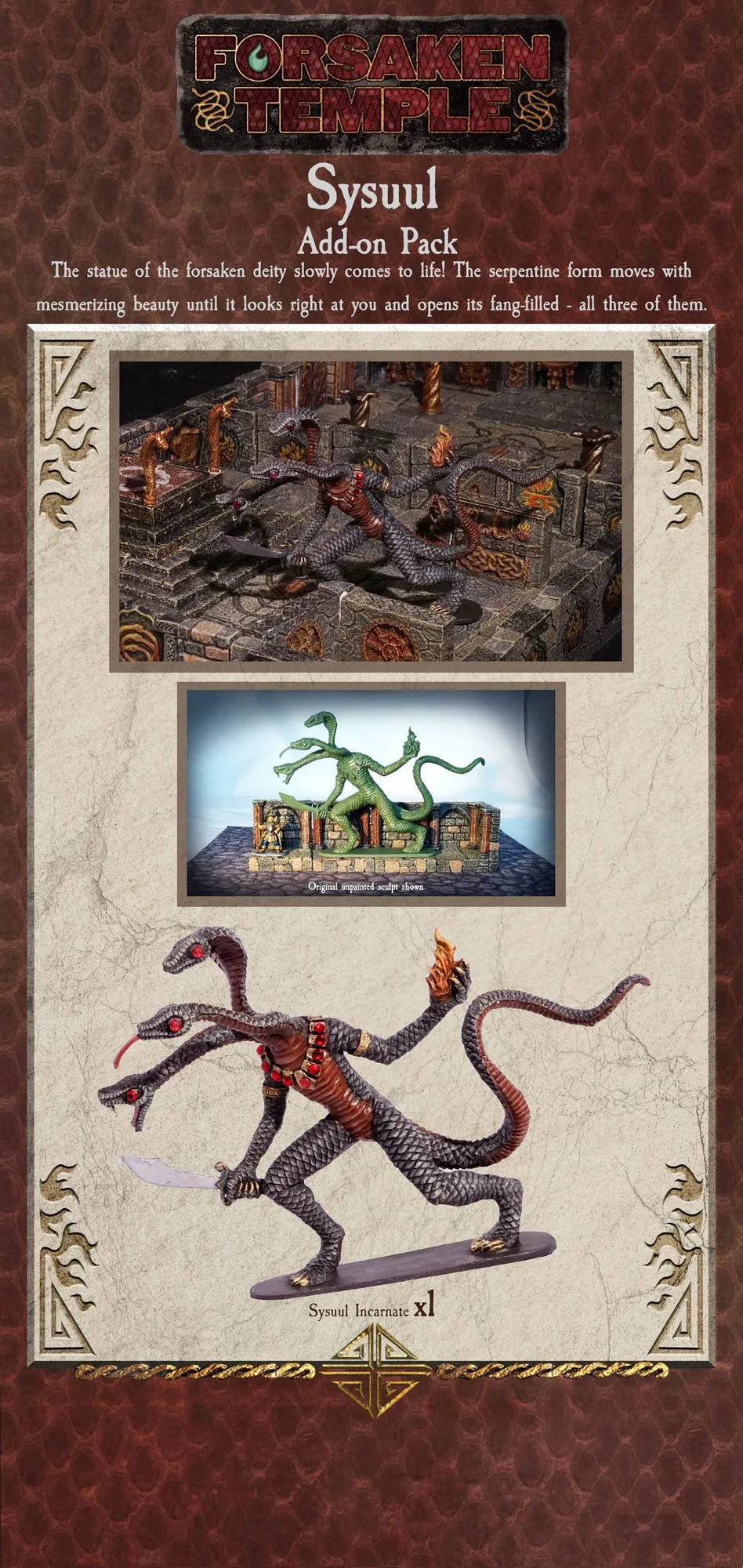
Finally, decide whether you want painted or unpainted. Painted pieces like the ones above are ready to place on the table, while unpainted options such as Sysuul (Unpainted) cost less but require your own paint time. That trade-off between money and time is often the real deciding factor.
- Count your last five encounters to see which style dominates.
- If you enjoy painting, unpainted sets stretch your budget further.
Trade-offs: dungeon vs cave terrain
- Setup speed vs atmosphere: Dungeon floors like the 4x4 Dungeon Floor (Painted) go down fast and show a clear grid. Cave pieces like Cascading Pool Cavern Corner - Ice (Painted) take longer to arrange but create a more organic, memorable space. Choose dungeon for timed sessions; choose cave when the environment is the encounter.
- Cost per area vs expandability: A cave core pack such as Cave of Ruin Core Pack (Painted) gives you a wide room in one box. Individual dungeon floors let you expand a room one 4x4 tile at a time, which can be cheaper if you already have walls. Buy a core set for a new style; buy individual pieces to grow an existing layout.
- Painted convenience vs unpainted savings: Painted pieces are ready to play. Unpainted options like Sysuul (Unpainted) cost less but require your painting time and supplies. If your hobby time is limited, painted sets are worth the higher price.
Product facts that matter for this choice
- Cave of Ruin Core Pack (Painted): The core building elements of Cave of Ruin. Builds a wide room with a good assortment of Trifecta pieces. Gives you a complete cave room in one purchase, so you can run a natural cavern encounter without buying many individual pieces.
- Copper Vein Wall (Straight C)- Underdoom (Painted): The Copper Vein Wall (Straight C) is a single painted terrain piece from Dwarven Forge's Underdoom line, part of the Caverns collection. It is designed as an individual wall segment for building or expanding cavern layouts. Painted finish, ready to place on the table. Straight wall piece with a copper vein design. Includes anchor magnets for stable placement. Compatible with the Underdoom and Caverns terrain lines. Lets you add a themed, magnetized wall to an existing cavern layout without buying a full set, which is ideal for expanding gradually.
- 4x4 Dungeon Floor (Painted): Build the foundation of your next dungeon adventure with this 4” x 4” floor. Great for large rooms, grand halls or your next epic lair. Hand-painted with a sculpted 1" grid for tactical movement. Provides a clear grid for movement and range, making it a strong choice for combat-focused dungeon encounters.
- Cascading Pool Cavern Corner - Ice (Painted): Cascading Pool Cavern Corner - Ice (Painted) is an individual piece from Dwarven Forge, designed as a cavern corner with an ice theme. It is a painted piece and is part of the KS6 line. Includes anchor magnets. Adds a natural hazard or scenic feature to a cave layout, showing how individual cave pieces create atmosphere that dungeon floors cannot match.
Which should you choose?
Dungeon terrain is best for
- Game masters running frequent indoor, grid-based combat encounters.
- Groups that value fast setup and unambiguous movement rules.
- Campaigns set in built structures like temples, crypts, or fortresses.
Dungeon terrain is not for
- Adventures that depend on natural, irregular cave shapes and hazards.
- Tables that prioritize scenic discovery over tactical precision.
Pick the terrain style that matches the encounters you run most, then expand with individual pieces when a specific scene demands something different. A small dungeon core plus a cave corner or two covers more sessions than either style alone.