Quick answer
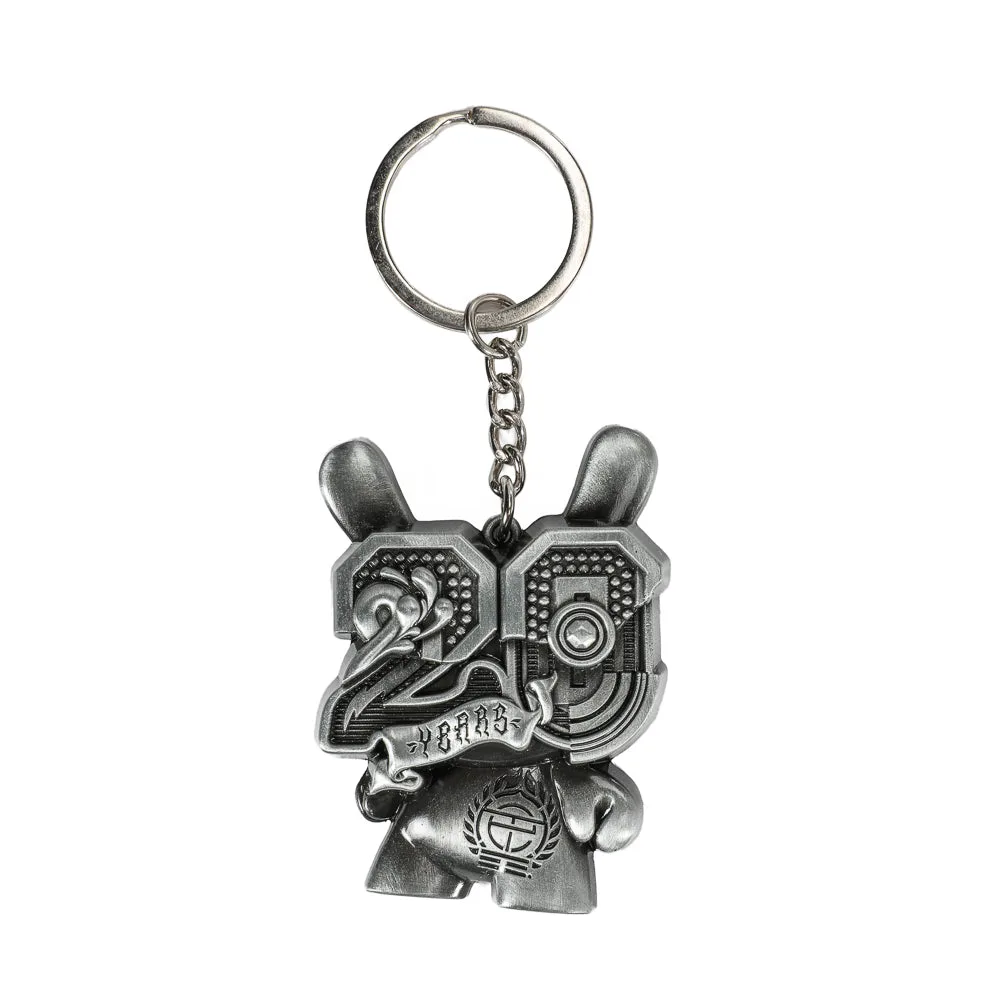
If you want a Dunny keychain that holds value and looks sharp on a shelf, choose a limited-edition metal release like the 20th Anniversary Solid Metal Dunny Keychain by Tristan Eaton. If you plan to clip it to keys or a bag every day, expect scratches and patina, so treat it as a wearable collectible rather than an investment. Buy the edition that matches how you actually carry and store it.
Limited edition vs. everyday carry: what changes
A limited-edition Dunny keychain is produced in a fixed run, so its main appeal is scarcity and artist association, not toughness. The 20th Anniversary Solid Metal Dunny Keychain is limited to 200 worldwide and designed by Tristan Eaton, the Dunny's creator. That makes it a display-first piece: the metal body and etched logo are meant to be seen, and the edition size is the reason to keep it boxed or on a shelf.
An everyday keychain takes abrasion from coins, zippers, and pockets. Solid metal will show micro-scratches and lose its original polish over time, and no catalog specification promises scratch resistance. If you want zero wear anxiety, keep the limited piece for display and use a cheaper, replaceable keychain for daily keys.
How to judge a Dunny keychain before you buy
Check three things: edition size, material, and artist. A numbered or stated run such as 'limited edition of 200' is the clearest scarcity signal. Material matters for weight and feel; solid metal reads as premium but is heavier and more prone to visible wear than plastic or plush. Artist credit matters because Dunny collectors often follow specific creators, so a piece by the Dunny's original designer carries different demand than a general release.
If a listing does not state the edition size or material, treat that as missing information rather than assuming it is limited. Ask the seller or check the product page before paying a premium.
Care for a metal Dunny keychain
Keep metal away from moisture and sweat for long periods. After handling, wipe with a soft dry cloth rather than a polishing compound, which can strip a finish you cannot see in photos. Store it separately from other metal keys or charms so edges do not rub. If you display it, a small acrylic stand or a padded box limits dust and contact.
Do not hang a heavy metal keychain from a thin bag strap or a single key ring loop that could stretch. The weight is part of the appeal, but it also means the attachment point takes stress. Inspect the ring and connector periodically for looseness.
Display and storage that protect value
For a limited piece, keep the original packaging and any included card or box. Original packaging supports resale and protects the finish during moves. Display it at eye level, out of direct sunlight, and away from humid rooms like bathrooms. If you rotate keychains for wearing, use a soft pouch for transport and return the piece to its box afterward.
For a small collection, group by material so metal does not scratch softer pieces. A shelf with individual stands or a shallow tray with dividers works better than a crowded drawer where items knock together.
Where a Dunny keychain fits in a broader collection
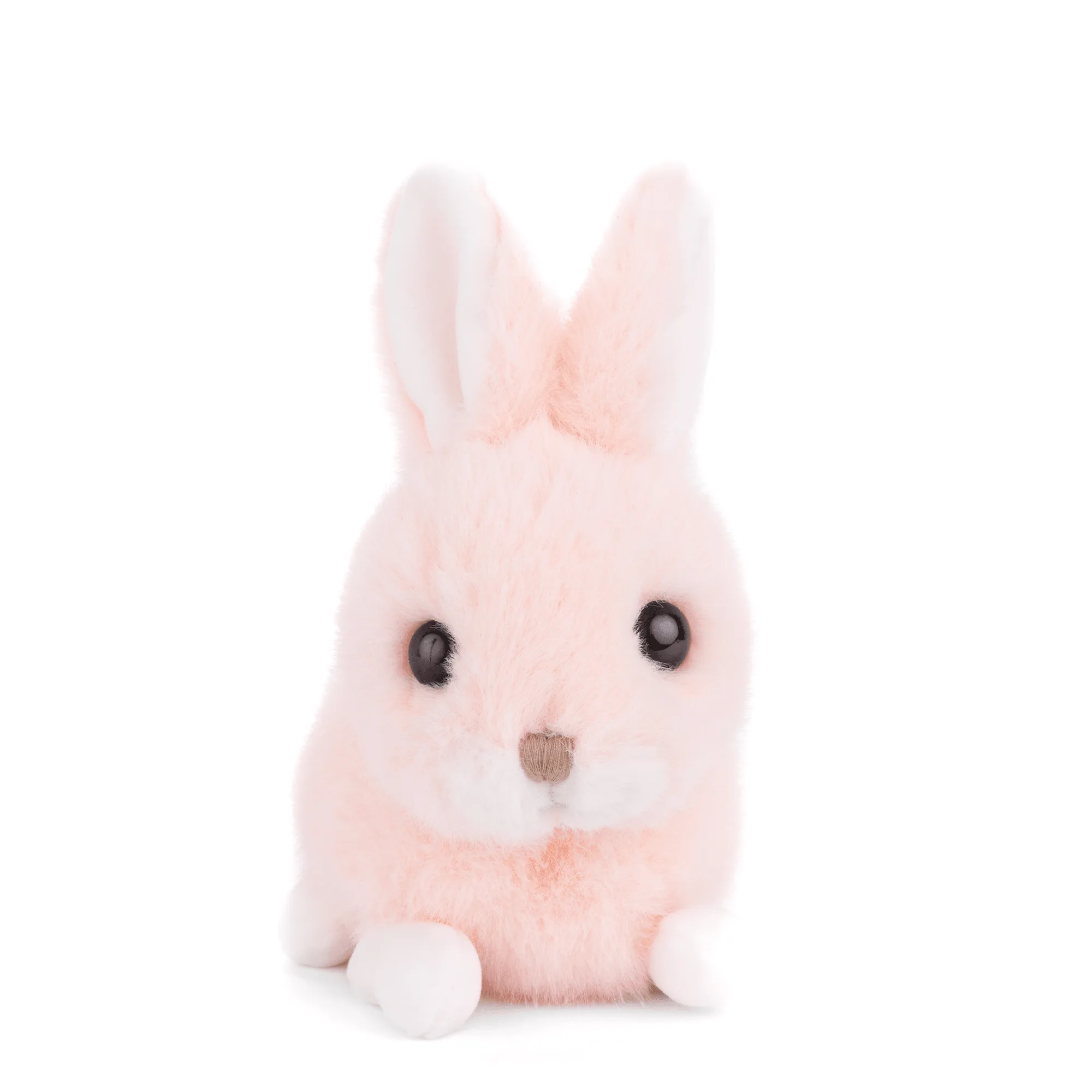
A keychain is the smallest entry point into Dunny collecting, which makes it a low-commitment way to test whether you like the format. If you already collect 5-inch Dunnys, a keychain lets you carry the same aesthetic without risking a larger figure. If you mainly collect plush, a metal keychain is a different material experience and needs different care.
Think about whether you want a matching theme. A Dunny keychain pairs naturally with other Dunny items, while a plush or interactive piece serves a different purpose. Deciding the role first prevents buying a keychain that duplicates something you already display.
Decision rules for buying a Dunny keychain
- Buy the limited edition if: You want a numbered or fixed-run piece with artist provenance and you will display or store it rather than carry it daily. Check that the edition size is stated before paying a premium.
- Skip the limited edition if: You need a keychain for keys, a bag, or constant pocket use, because metal will scratch and the edition value is not the point. Choose a replaceable everyday keychain instead.
- Choose a 5-inch Dunny if: You want the Dunny look on a shelf with more presence and less risk of daily wear than a keychain. Match the format to where it will live.
- Care rule: Wipe metal with a dry soft cloth, store separately from other metal, and keep original packaging for a limited piece. Prevention beats polishing a damaged finish.
Product facts
- 20th Anniversary Solid Metal Dunny Keychain - "Silverchrome" by Tristan Eaton (Limited Edition of 200): Limited edition of 200 worldwide; designed by Tristan Eaton with the Dunny head as a multi-faceted number 20 and his logo etched into the body; made of solid metal. The stated edition size and artist credit are the core reasons to buy this as a collectible rather than a beater keychain, and solid metal means visible wear if carried daily.
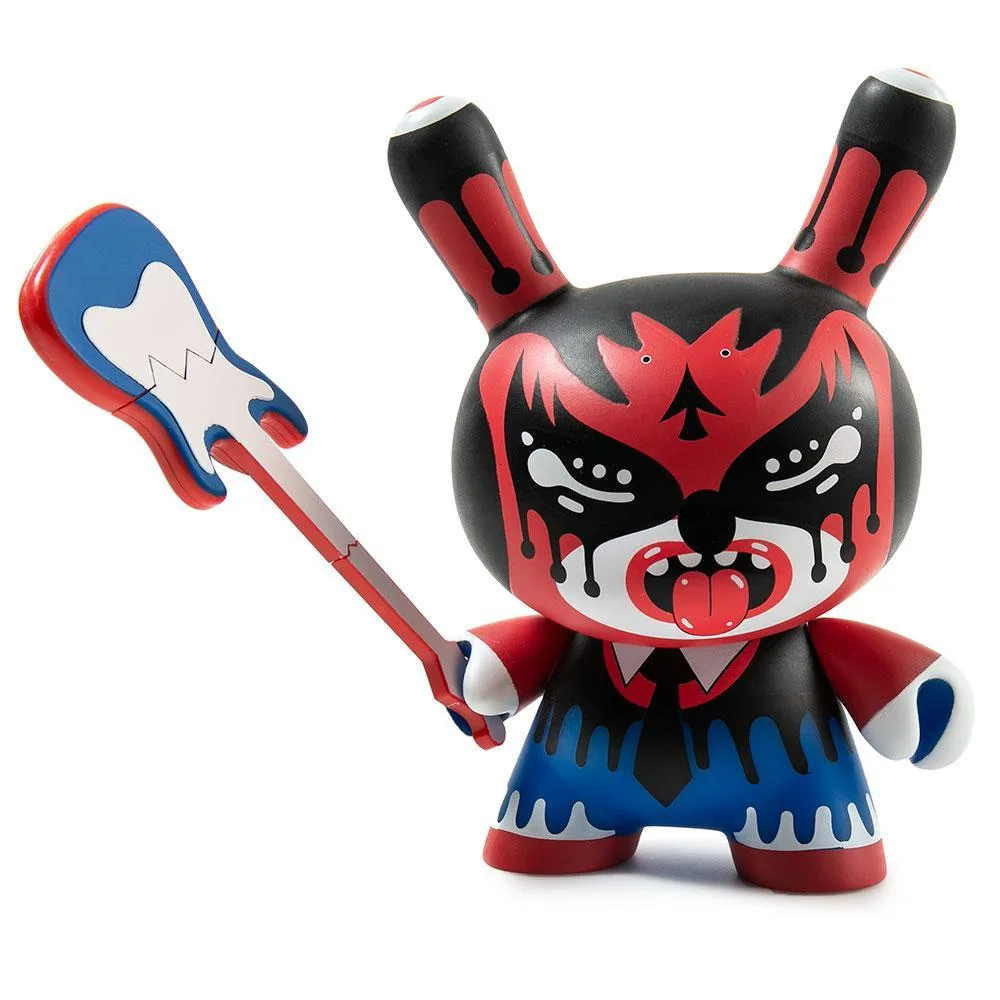
- Zmirky 5" Dunny Art Figure by Roman Klonek: Zmirky 5" Dunny Art Figure by Roman Klonek, a 5-inch Dunny reflecting the German artist's woodwork aesthetic and bold characters. If you want a Dunny for a shelf rather than a pocket, a 5-inch figure gives more display presence and avoids the daily abrasion a keychain faces.
Who should buy which
Best for
- Dunny collectors who want a small, artist-linked limited edition to display
- Buyers who keep original packaging and rotate accessories carefully
Not for
- Anyone who wants a scratch-proof keychain for rough daily use
- Buyers who will not store or display a limited piece with care