Quick answer
If your Dust to Dust polish looks lighter or duller than when it arrived, the most likely cause is pigment settling combined with UV exposure, not a defective batch. Shake hard for 30 to 60 seconds, store the bottle upright in a dark drawer, and keep it away from direct sun. If the color still looks wrong after mixing, the pigment has likely degraded and it is time to replace the bottle.
Why mineral pigments shift color in the first place
Dust to Dust polishes are made from ground source material, not standardized dye. That means the pigment particles are physically different sizes, and the larger ones naturally sink to the bottom and sides of the bottle instead of staying suspended. What you see through the glass after a few weeks is often just the lighter, finer particles floating above the heavier ones. This is settling, not fading, and it reverses with mixing.
Real fading happens when the pigment itself changes. Black tourmaline and green spirulina are organic or mineral materials, and both are sensitive to prolonged light and heat. Leaving a bottle on a sunny windowsill or in a hot car accelerates that change. The polish base can also yellow slightly over time, which makes a sheer pigment look warmer or muddier even if the pigment is unchanged.
How to tell settling apart from true fading
Shake the bottle vigorously for a full minute, then apply a thin coat to a white swatch or nail. If the color deepens and the texture returns within a few minutes, the pigment was simply settled. If the swatch still looks washed out, chalky, or noticeably different from your first use, the pigment has degraded.
A second check: look at the bottle against a bright light. Settled pigment shows a clear or lightly tinted liquid on top with a dense layer at the bottom. Faded pigment often shows a uniform but weaker color throughout, with no dense layer to mix back in.
Storage habits that actually slow fading
Keep bottles upright, capped tightly, and out of direct sunlight. A closed drawer or a cabinet away from heat sources is ideal. If you display your collection, rotate bottles so the same ones are not exposed to light for months at a time.
Do not store polish in the bathroom. Humidity swings can affect the cap seal and let solvent escape, which thickens the base and makes the pigment look more concentrated and less true to color. If a bottle has thickened, a few drops of polish thinner can restore working consistency, but it will not reverse pigment degradation.
Diagnosis: match the symptom to the fix
- Symptom: clear or lightly tinted liquid on top, dense layer at the bottom: This is settling. Shake hard for 30 to 60 seconds and roll the bottle between your palms to lift pigment off the sides. If color returns, no replacement is needed.
- Symptom: color looks lighter or duller even after mixing: Likely UV or heat exposure. Move storage to a dark, cool drawer and check whether the bottle was ever left in direct sun or a hot car. If the swatch still looks wrong after two full mixes, the pigment has degraded.
- Symptom: polish is thick, stringy, or hard to apply: Solvent has evaporated through a loose cap. A few drops of polish thinner can restore consistency, but thinning will not bring back faded pigment. If thinning does not help within one application, replace the bottle rather than adding more thinner.
Product facts that affect fading and settling
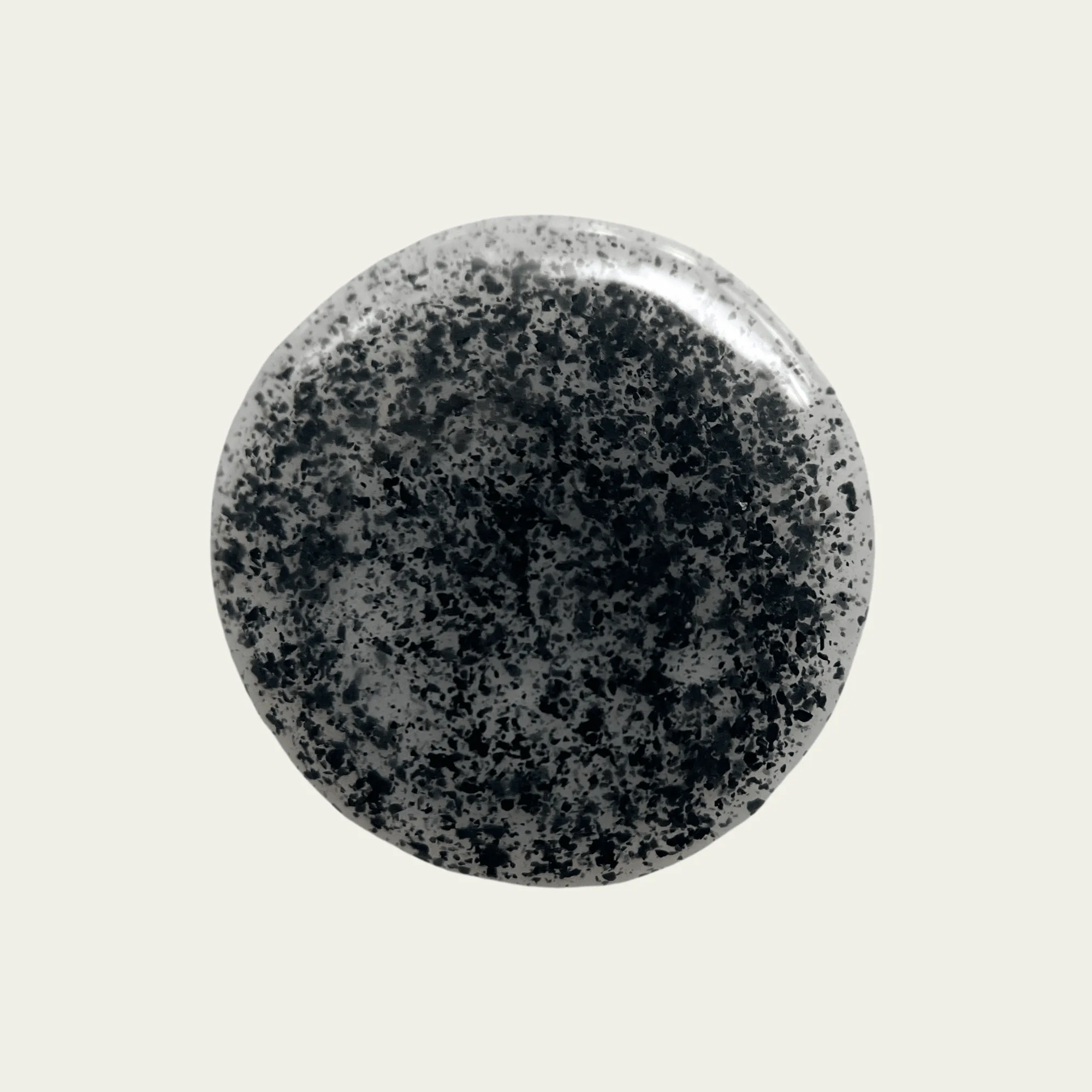
- BLACK TOURMALINE: Minas Gerais, BR (Dust to Dust): This polish is sheer with pieces of black tourmaline and will have texture as well as larger pieces of pigment present in the finish. Sheer formulas show settling more obviously than opaque ones, so shake longer and expect visible texture rather than a smooth, uniform color.
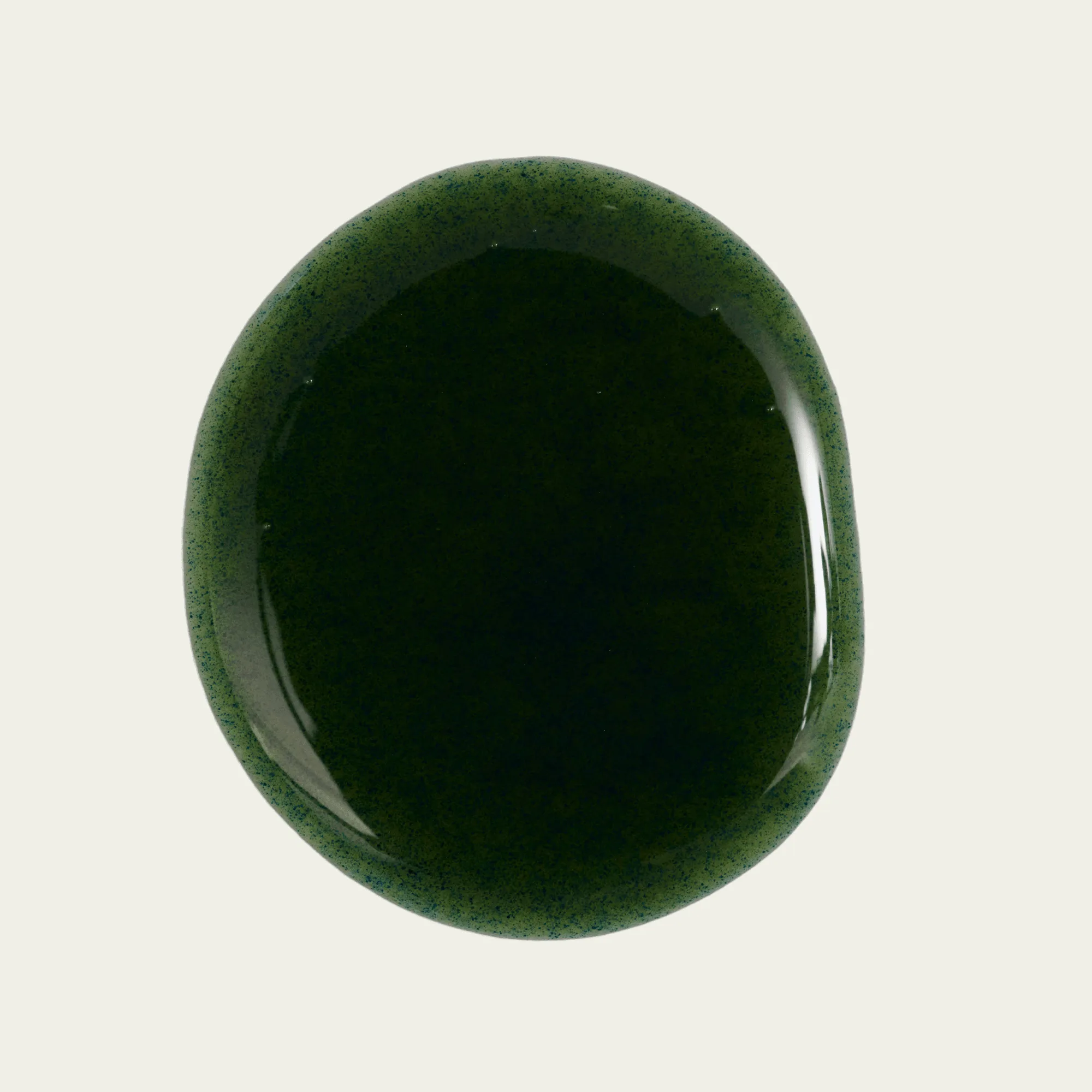
- GREEN SPIRULINA: Sonoran Desert, CA (Dust to Dust): The green spirulina pigment is broken down with a mortar and pestle, so each batch has slight color variations and larger particles that stick to the bottle. Batch variation is normal and not a sign of fading. Judge color drift against your own first swatch, not against a photo or a different bottle.
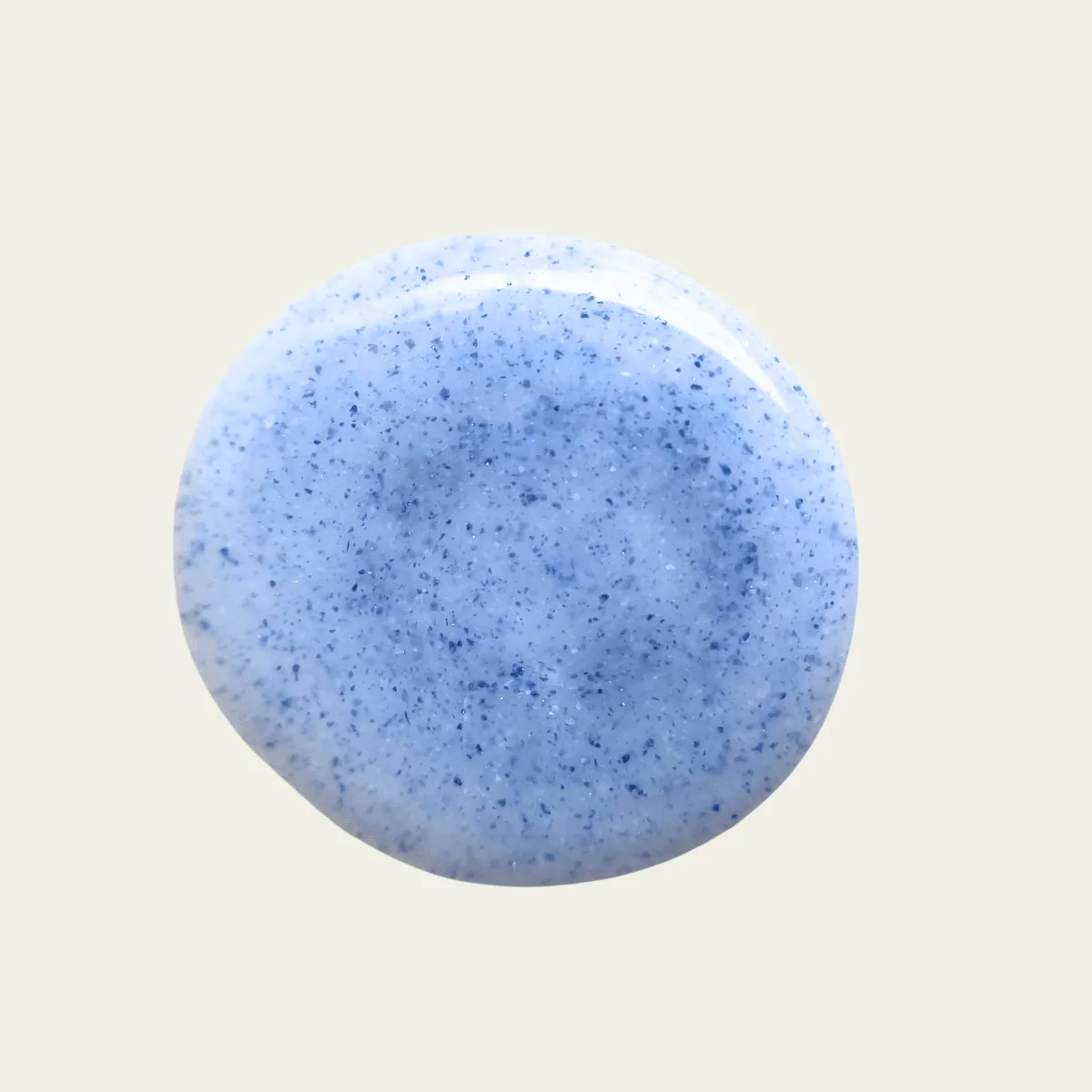
- MOTHER OF PEARL + BLUESTONE (Dust To Dust) (Wholesale): This polish combines ground mother of pearl and bluestone, and larger particles will naturally stick to the bottom and sides of the bottle and not suspend in the polish base. If the shimmer looks weaker over time, it is usually settled mother of pearl, not faded pigment. Mix thoroughly before deciding the bottle has changed.