Quick answer
A comforter is a finished, all-in-one layer you put straight on the bed. A duvet cover is a removable shell that protects and restyles a separate insert, so it only makes sense if you already own a duvet or want to change the look without buying new bedding. If you sleep hot or want one purchase that does everything, choose an all-in-one comforter. If you want to switch colors and wash the top layer often, choose a duvet cover.
The duvet cover and comforter difference in one sentence
A duvet cover is a fabric shell with an opening; it is not warm on its own and needs a duvet insert inside it. A comforter is already filled and finished, so it goes directly on the bed. That single structural difference drives every other trade-off: cost, laundry, warmth, and how often you replace it.
Do I need a duvet cover with a comforter?
No. A comforter is designed to be used without a cover. Adding a duvet cover over a comforter usually creates a bulky, mismatched fit because comforter dimensions vary by brand while duvet covers are cut for standard insert sizes. The exception is a comforter thin enough to act as an insert, but most are not.
If your goal is to protect the comforter from pets, kids, or daily grime, a washable comforter you can launder directly is simpler than wrestling a cover on and off. If your goal is to change the look of the bed each season, a duvet cover gives you that option without replacing the fill.
Comforter vs duvet insert: warmth and breathability
A duvet insert is typically plain, undecorated, and sold by warmth or fill type, because it is meant to be hidden. A comforter is the visible layer, so its outer fabric matters more. For hot sleepers, the outer fabric is often the deciding factor: a smooth viscose from bamboo shell feels cool to the touch, while a standard cotton or microfiber comforter can trap heat.
Warmth is easier to control with a duvet system. You can use a lightweight insert in summer and a heavier one in winter, keeping the same cover. With a comforter, you change the whole layer. That is a real advantage for duvet covers, and a real storage burden.
Laundry and long-term cost
Duvet covers win on laundry frequency. You wash the cover weekly and clean the insert once or twice a year, which is easier on a large machine and gentler on the fill. Comforters must be washed whole, and a puffy comforter can overwhelm a home washer.
Cost works the other way at first. A comforter is one purchase; a duvet cover plus insert is two. Over several years, however, replacing only a worn cover is cheaper than replacing a full comforter, especially if you like changing colors.
How to choose based on how you actually sleep
If you wake up warm, prioritize the fabric against your skin. Viscose from bamboo is breathable and has a cool finish, which is why it appears in both duvet covers and all-in-one comforters. If you sleep cold, a duvet system lets you add a warmer insert without changing the look of the bed.
If you make the bed in a hurry, an all-in-one comforter is faster: one layer, no insert to straighten. If you enjoy styling the bed, a duvet cover gives you more control over color, piping, and seasonal swaps.
Trade-offs at a glance
- Comforter: one-and-done convenience: No insert, no cover, no assembly. You wash the whole layer, which can be difficult in a small machine. Best if you want the fastest bed-making routine and a breathable shell like viscose from bamboo.
- Duvet cover: styling and laundry flexibility: You wash the cover often and the insert rarely, and you can change colors without buying new fill. You must buy the insert separately and straighten it after washing. Best if you already own a duvet insert or like changing the bed's look seasonally.
- Layering both: A duvet cover over a comforter usually fits poorly because comforter and insert dimensions differ. Use one system or the other, then add shams for structure. Choose one primary layer, then finish with shams like the Amarena Snug set.
Two real options that show the difference
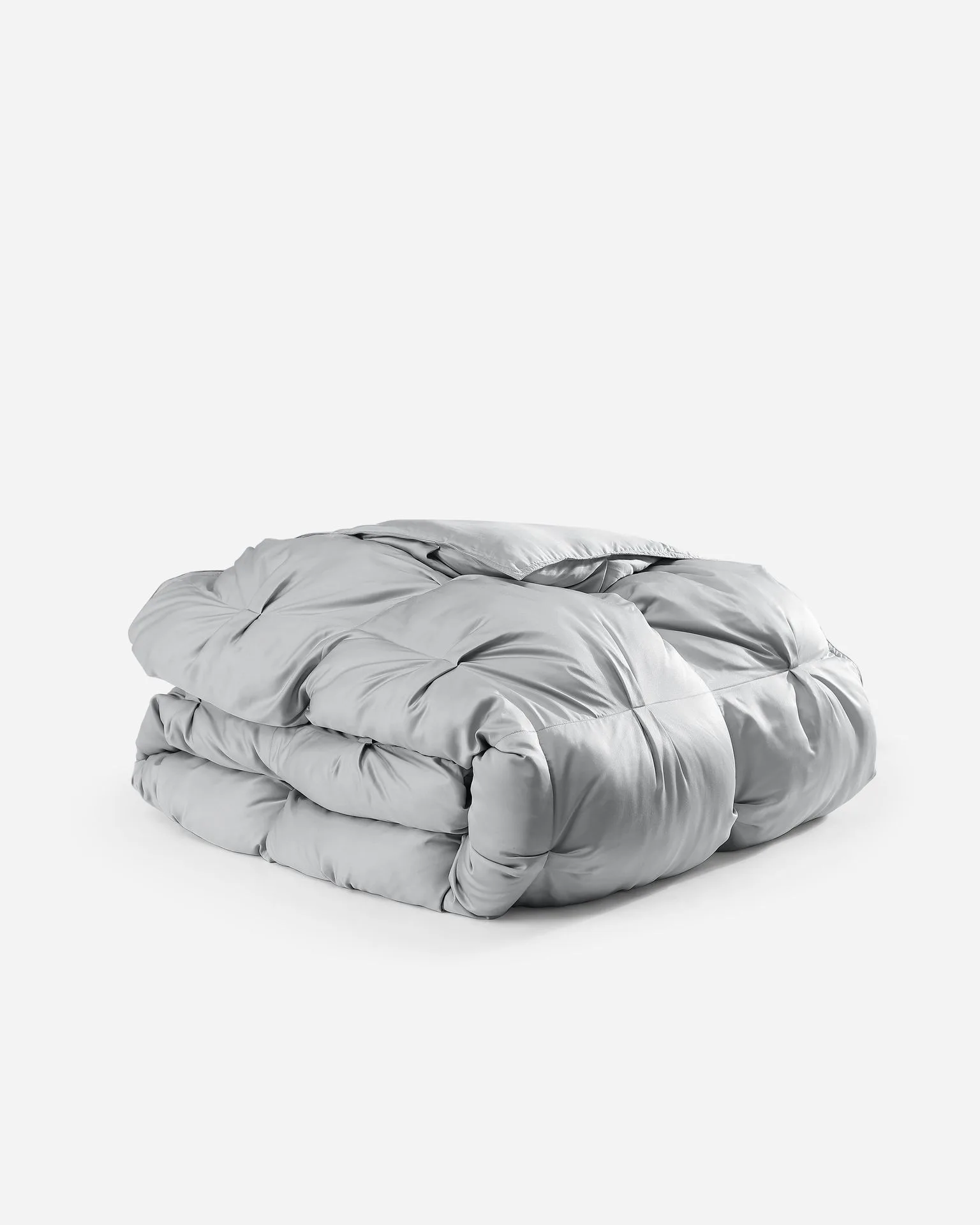
- Premium Bamboo Viscose Bubble Comforter: All-in-one design that replaces duvet, duvet cover, and top sheet, with a 100% viscose outer shell and signature plush yet lightweight fibre fill. This is the comforter route: one purchase, one layer to wash, and a breathable shell that suits hot sleepers who do not want to assemble a duvet system.
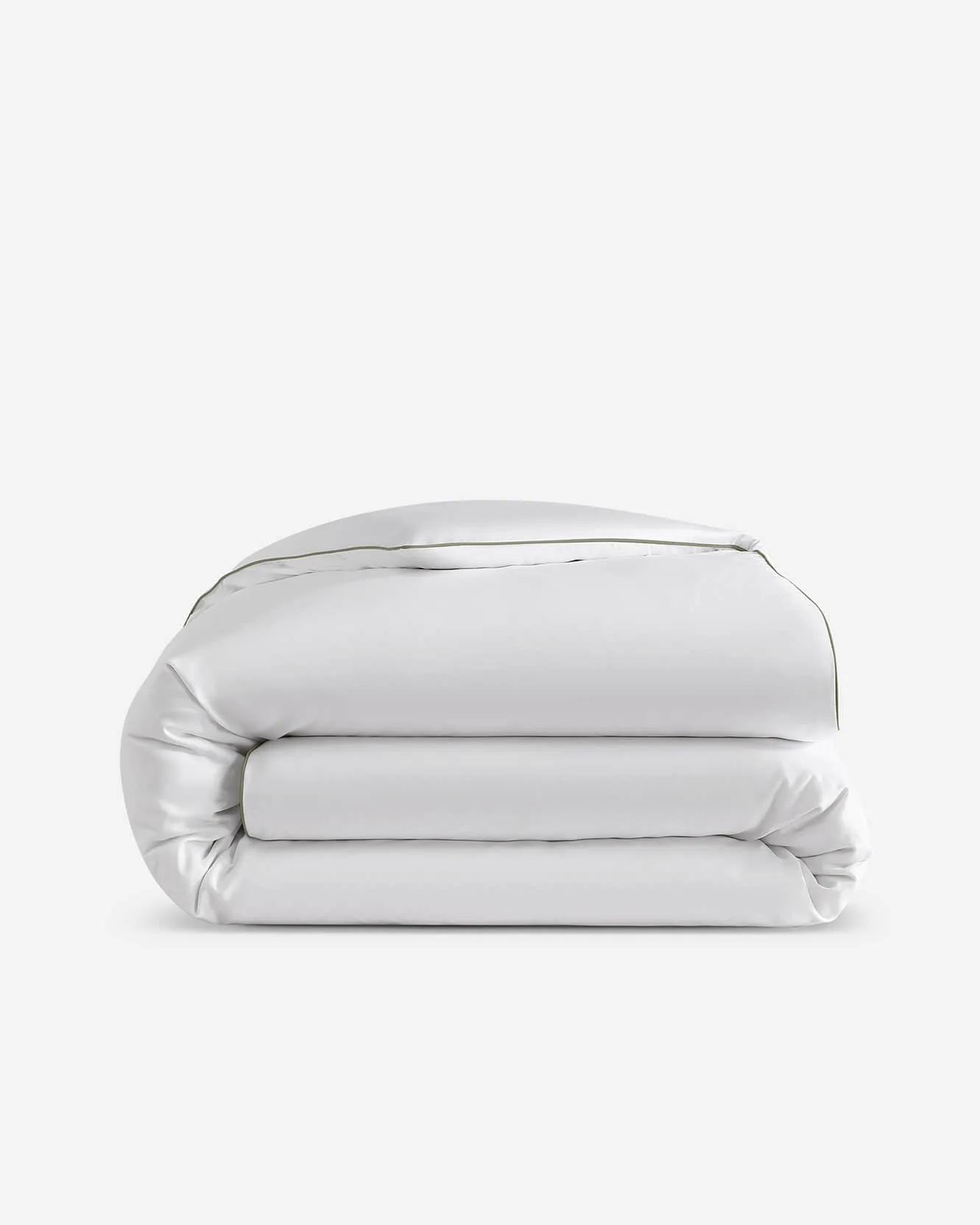
- Bamboo Viscose Luxe Duvet Cover with Piping: Bamboo viscose duvet cover with piping, described as cool to the touch, breathable, and washable, available in Color and Size options. This is the duvet cover route: it protects an insert you already own and lets you change the look of the bed without replacing the fill.
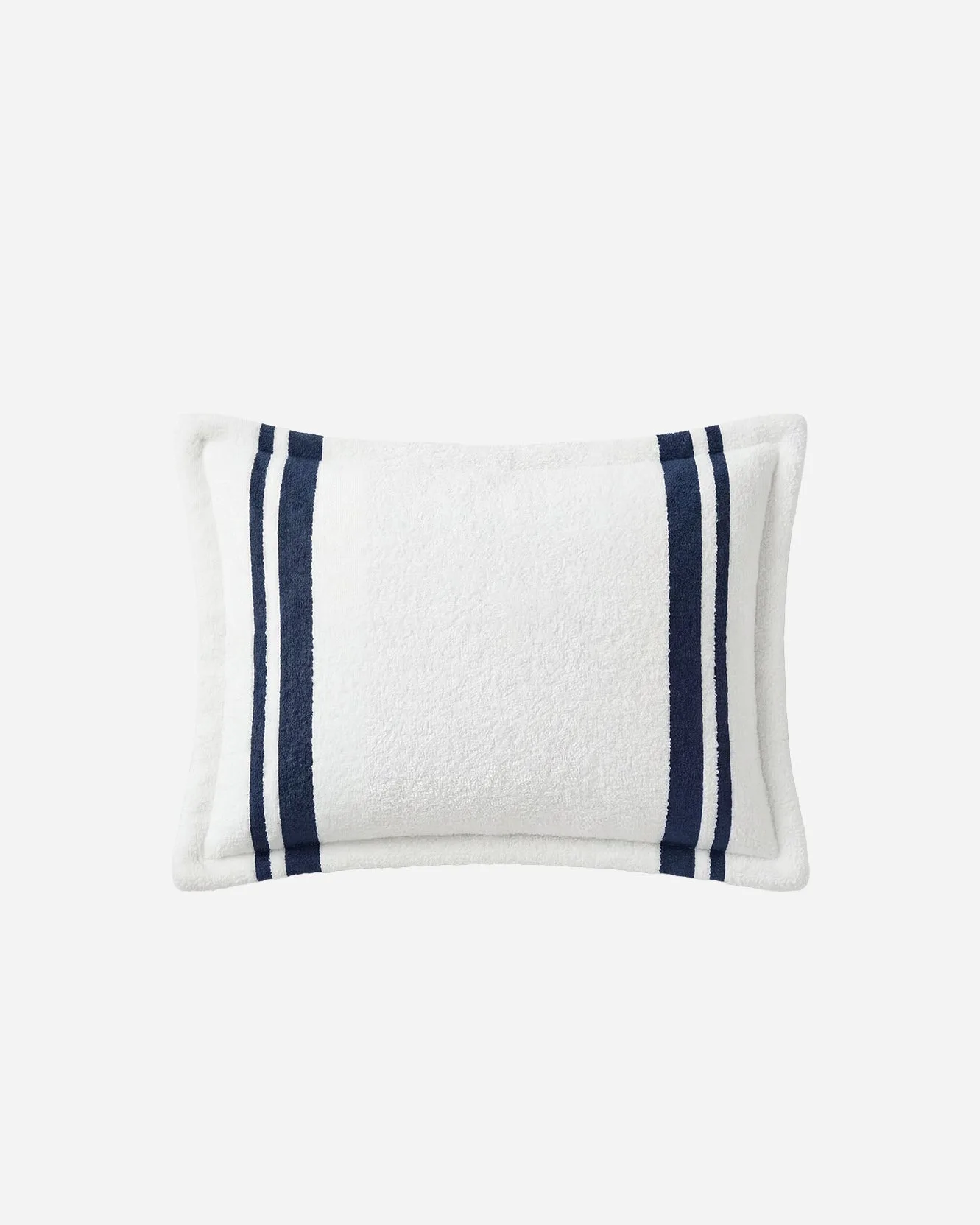
- Amarena Snug Striped Sham Set: Amarena Snug striped sham set made from smooth polyester microfiber, machine washable and OEKO-TEX certified, set includes 2 shams. Shams sit on top of either system, so this is a finishing layer that works whether you choose a comforter or a duvet cover.
Which should you buy?
Choose a comforter if
- You want one purchase that replaces a duvet, duvet cover, and top sheet
- You sleep hot and want a cool-to-the-touch viscose from bamboo shell
- You prefer washing one layer instead of assembling a cover and insert
Choose a duvet cover if
- You want to change the bed's color or piping without replacing the fill
- You already own a duvet insert that needs protection
- You prefer washing the top layer weekly and the insert rarely