Quick answer
If you regularly camp on abrasive or wet ground, a footprint is worth carrying. For most solo hunters using a Dyneema shelter, the Solitude 1 Footprint adds a bathtub-style barrier that blocks wind and reduces convective cooling. If you only camp on soft forest duff and count every ounce, skip it. The trade-off is protection and warmth versus pack weight and cost.
What a footprint actually does for your shelter
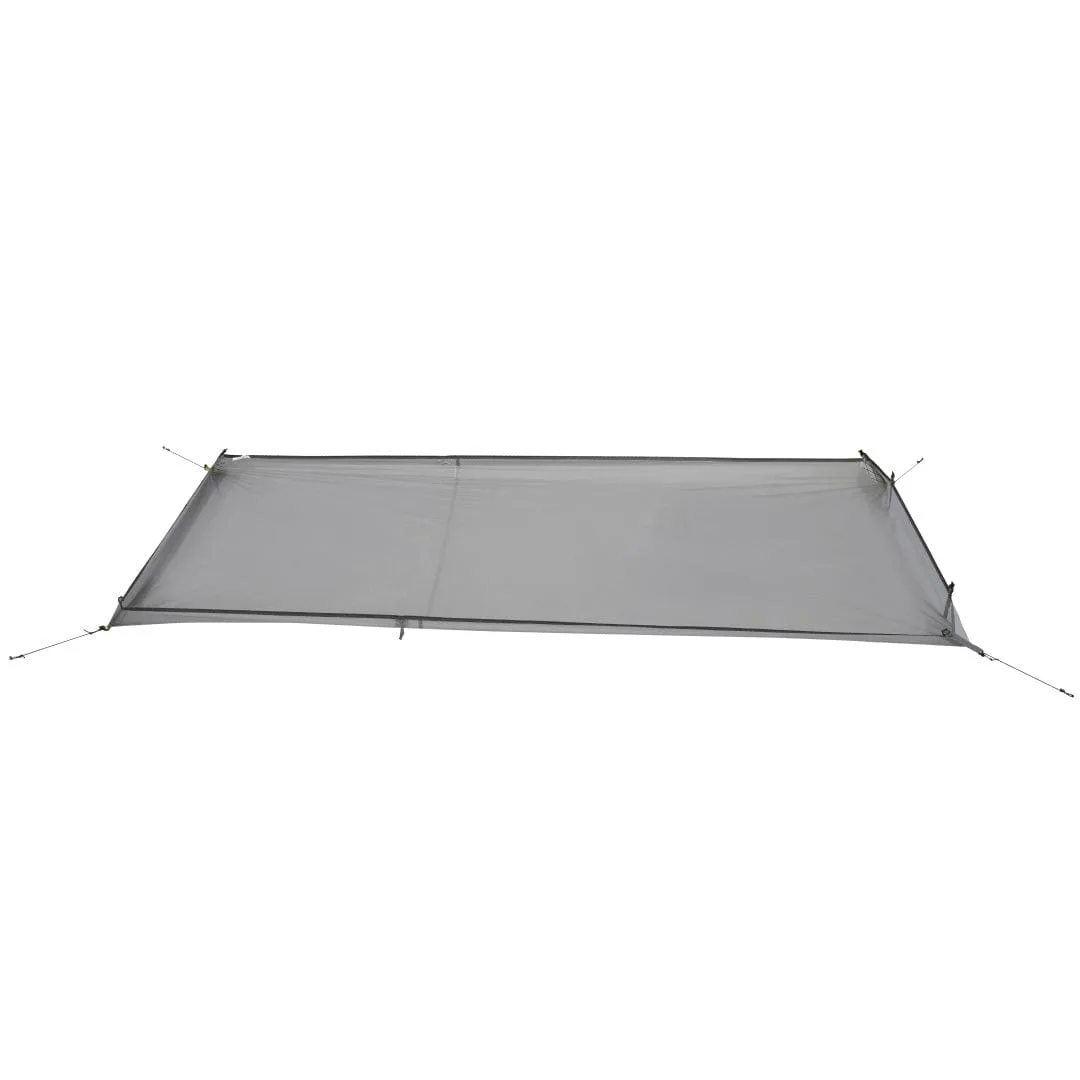
A footprint is not just a ground tarp. It protects your tent floor from abrasion, punctures, and moisture wicking through. The Solitude 1 Footprint goes further with raised sidewalls that divert wind upward and away from you, which reduces convective cooling—the wind robbing warmth by cutting through your shelter. That matters on exposed ridges and in cold, windy basins where a standard flat footprint does little once the weather turns.
Dyneema vs SilNylon footprints: the real trade-offs
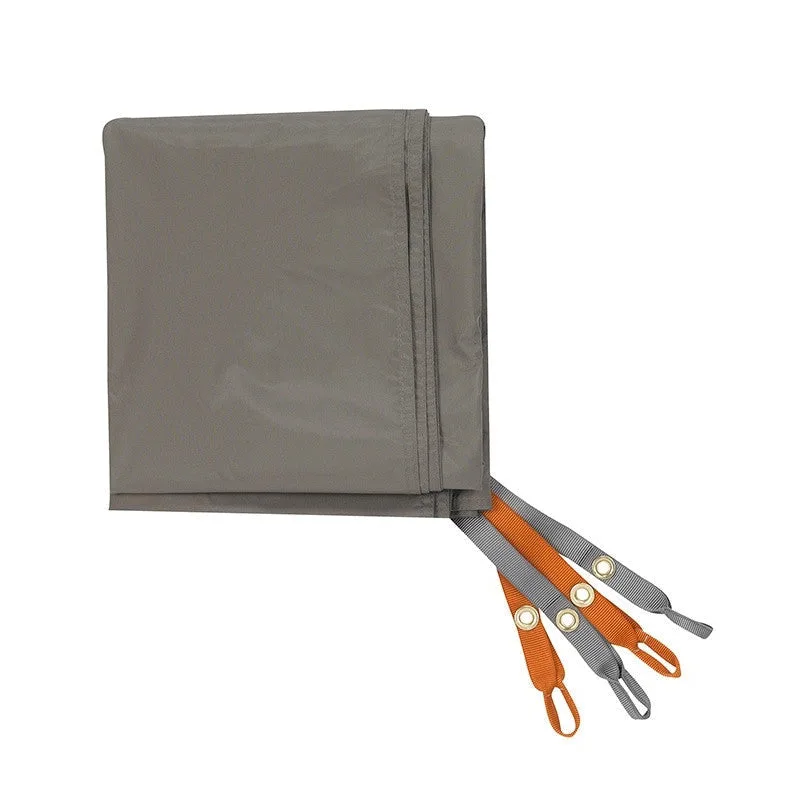
Dyneema footprints are stronger for their weight and resist stretching when wet, but they cost more and can be bulkier to pack. SilNylon footprints are lighter on the wallet and pack smaller, but they absorb some water, sag over time, and are less abrasion-resistant. The right choice depends on how often you camp on rock, gravel, or frozen ground versus soft, forgiving terrain.
How to decide for your hunt
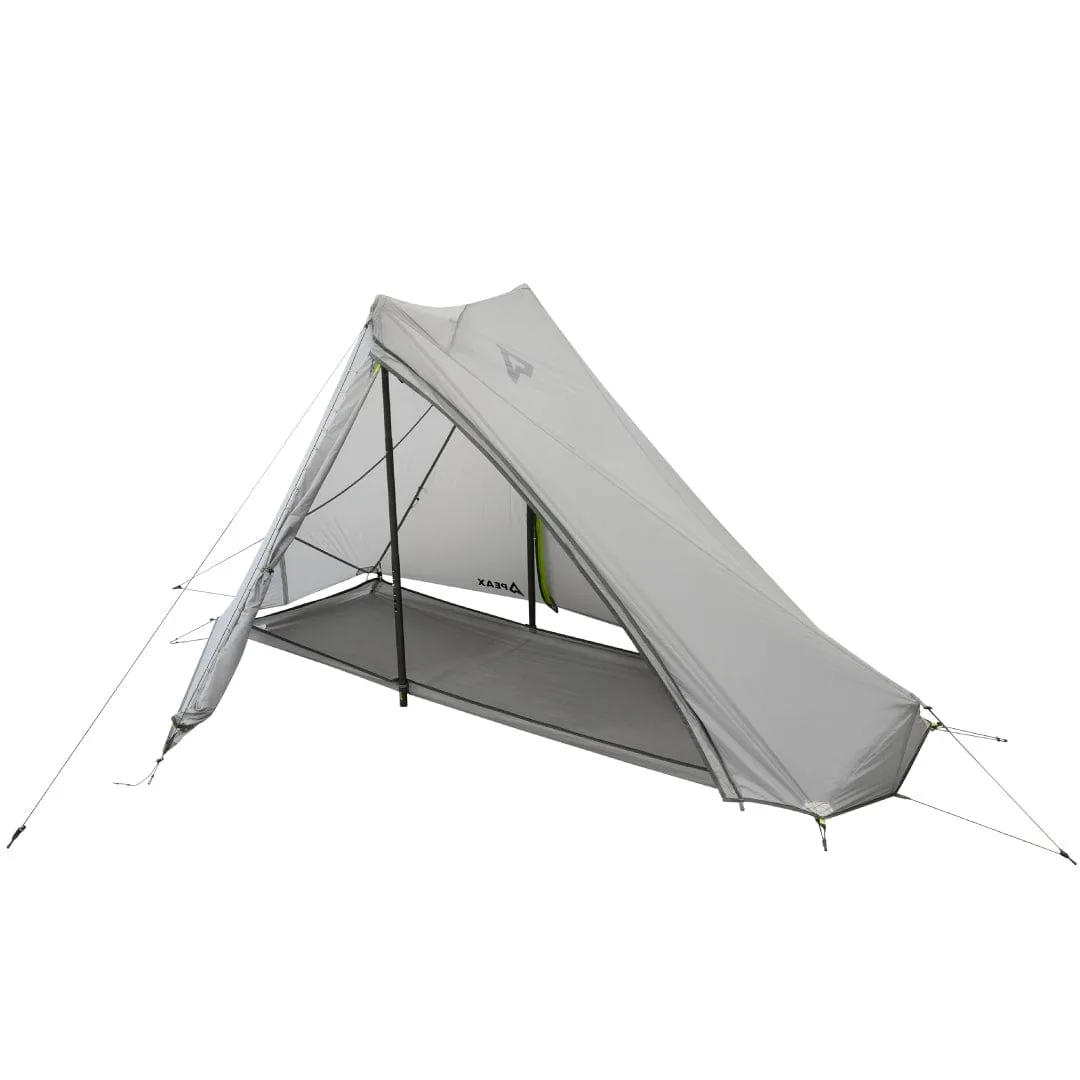
Start with your shelter. If you run a Dyneema tent like the PEAX Solitude 1 Dyneema, a matching Dyneema footprint keeps the system consistent and avoids mixing materials with different stretch and moisture behavior. If you use a SilNylon tipi, a SilNylon footprint is usually the lighter and cheaper match. Then weigh your typical ground: sharp rocks, gravel bars, and frozen tundra justify the protection; soft moss and forest duff often do not.
Trade-offs at a glance
- Weight: Dyneema footprints are typically lighter for the same coverage than SilNylon, but both add ounces you will carry on every step. If you count every ounce, a footprint is the first thing to cut—unless you expect abrasive ground.
- Durability: Dyneema resists abrasion and punctures better than SilNylon, which can wear through on sharp rocks over many nights. For rocky, high-use terrain, Dyneema pays off over time.
- Cost: Dyneema footprints cost more upfront; SilNylon footprints are cheaper but may need replacing sooner. Match the footprint material to your shelter and your budget.
- Weather protection: The Solitude 1 Footprint's bathtub sidewalls block wind and splash, reducing convective cooling—something a flat SilNylon tarp does not do. If you camp in wind-driven rain or snow, a bathtub footprint is worth the weight.
Product facts
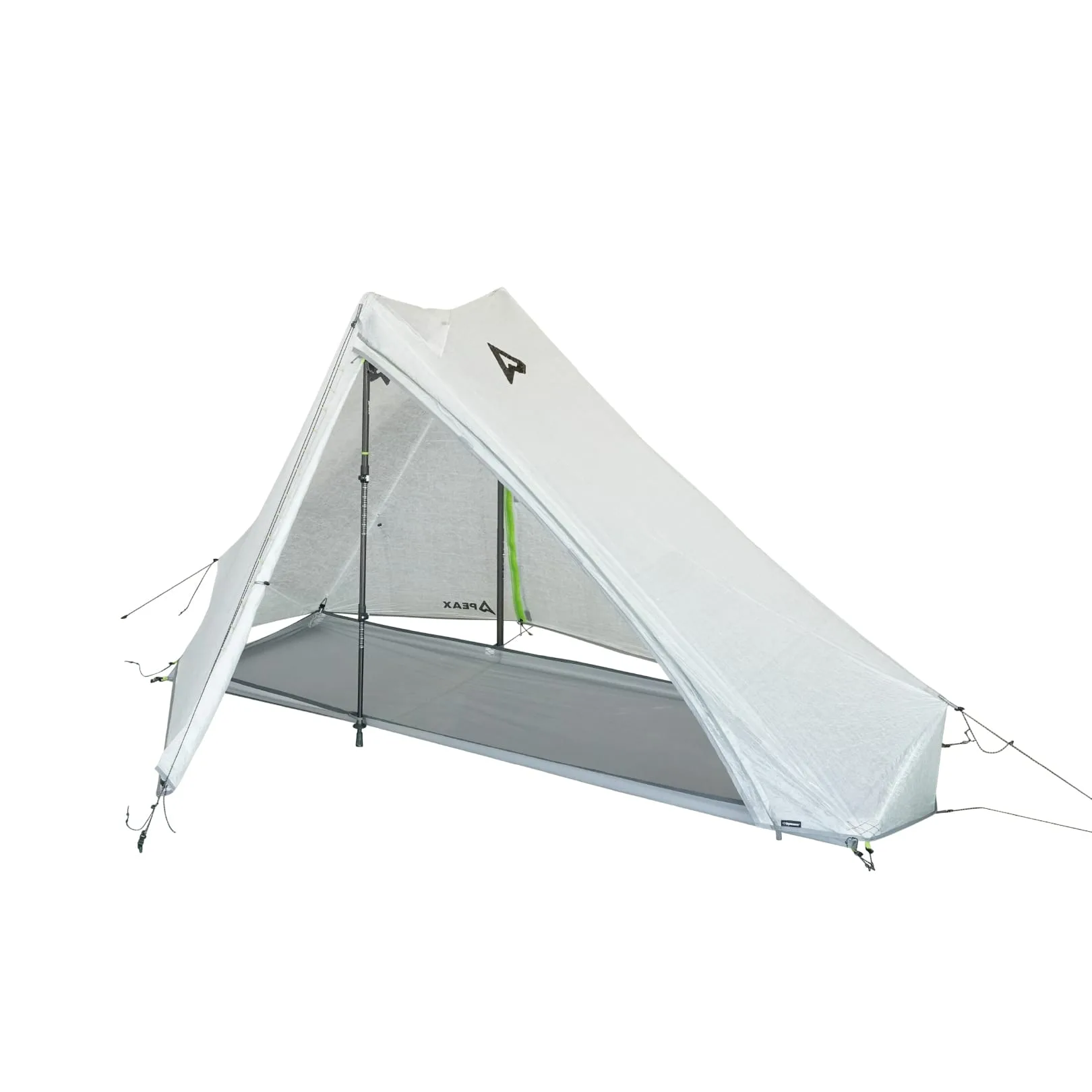
- SOLITUDE 1 TENT [DYNEEMA®]: The PEAX Solitude 1 Dyneema is a 1-person tent designed to maximize interior living space while minimizing pack weight for demanding mountain hunts, combining the Solitude shelter platform with premium Dyneema fabric. A Dyneema shelter already prioritizes strength-to-weight, so pairing it with a Dyneema footprint keeps that advantage without adding a mismatched material.
- SOLITUDE 1 FOOTPRINT: The Solitude 1 Footprint features a bathtub-style floor with raised sidewalls that block wind and divert it up away from you, encouraging healthy airflow by reducing convective cooling. This is more than a ground tarp—it actively cuts wind chill and splash, which matters on exposed alpine hunts.
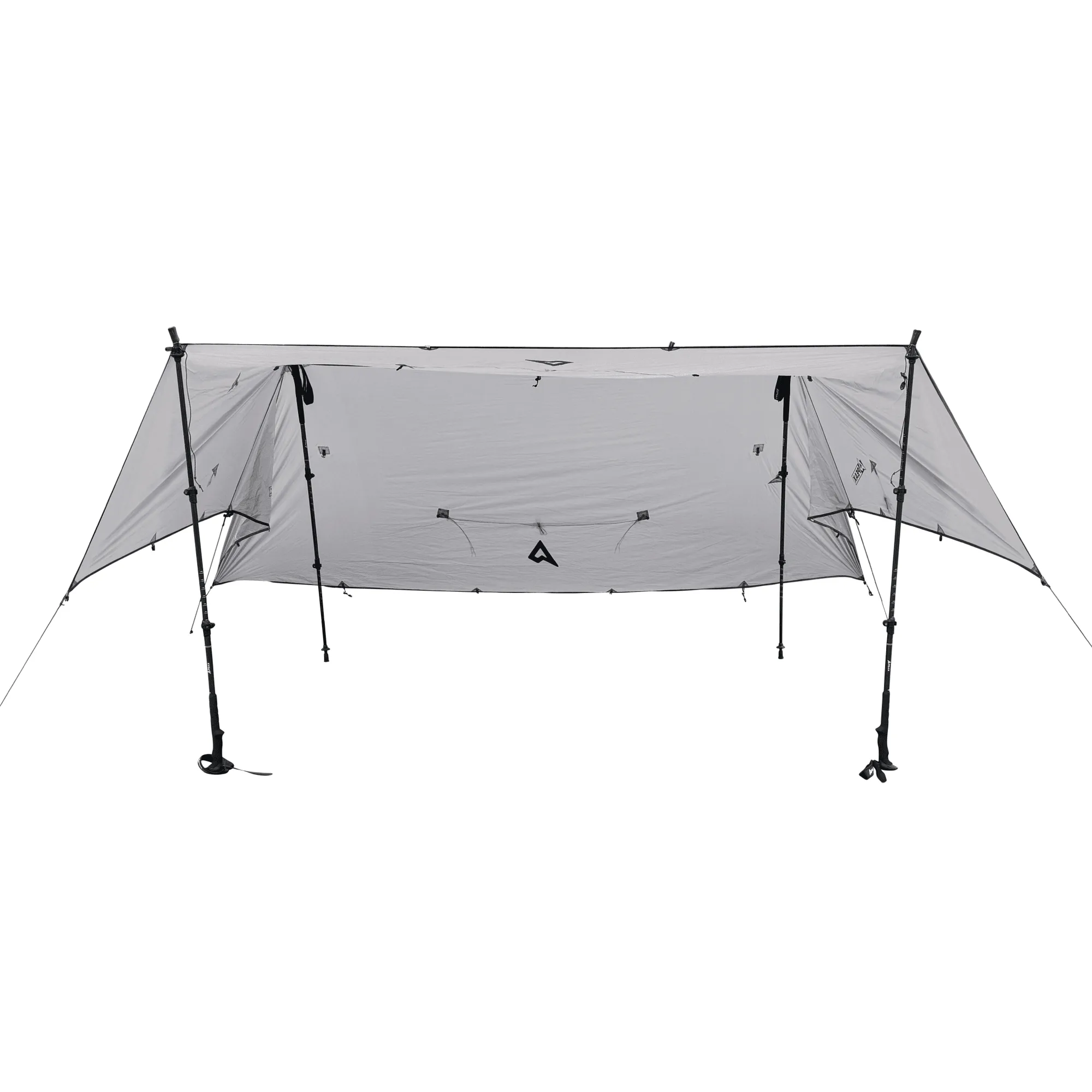
- ORIGAMI TNT: The Origami TNT converts from a 2P tent to a 9'8"x12' tarp that can be pitched in endless configurations to accommodate any terrain or weather scenario. If you use a convertible shelter like the Origami TNT, a footprint may be less necessary because you can pitch the tarp in ways that avoid direct ground contact.
Who should get a footprint
Best for
- Solo hunters using a Dyneema shelter who want consistent material performance and maximum floor protection
- Campers who frequently pitch on abrasive rock, gravel, or frozen ground
- Anyone who wants extra wind and splash protection without a full inner tent
Not for
- Minimalist hunters who camp only on soft forest duff and prioritize every ounce
- Users of convertible tarps like the Origami TNT who can pitch off the ground
- Budget-focused buyers who accept more frequent footprint replacement