Quick answer
A tent footprint is a groundsheet that goes under your tent to shield the floor from rocks, twigs, and moisture. You need one if you camp on rough or damp ground and want to extend the life of your tent. If you always pitch on soft grass or use a cheap tarp, you can skip it—but a footprint made for your tent model fits better and lasts longer.
What is the purpose of a tent footprint?
A footprint acts as a sacrificial layer between your tent floor and the ground. It absorbs the abrasion from dirt, gravel, and roots that would otherwise wear through the tent's waterproof coating. It also adds a barrier against ground moisture and keeps the floor cleaner, so you spend less time scrubbing mud after a trip. Unlike a tarp, a footprint is cut to match your tent's footprint, so it doesn't stick out and collect water.
Do I really need a tent footprint?
It depends on where and how often you camp. If you pitch on rocky, sandy, or twig-strewn ground, a footprint is cheap insurance against a costly tent repair. If you mostly camp on soft grass or forest duff, the risk of abrasion is lower and you can go without one. Also consider your tent's floor material: lighter fabrics wear faster, so a footprint makes more sense for ultralight tents. For car camping on established pads, a footprint is optional but still helps keep the floor clean.
What's the difference between a tent footprint and a tarp?
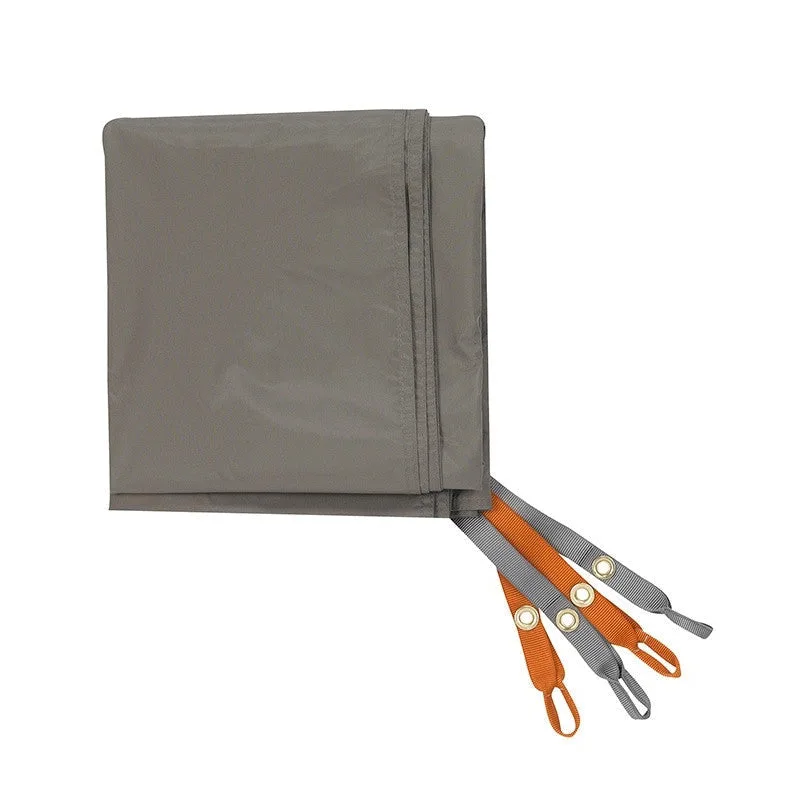
A tarp is a generic, often larger sheet that you cut or fold to size. It's cheaper and can double as a shelter, but it usually extends beyond the tent floor, which can channel rainwater under your tent. A footprint is model-specific and sized slightly smaller than the tent floor to prevent water collection. Footprints also come with grommets or clips that match your tent's pole ends or stake points, so setup is faster and stays put. If you already own a tarp and don't mind trimming it, it can work—but a dedicated footprint is more convenient and less likely to cause pooling.
How should a tent footprint fit?
A footprint should be slightly smaller than your tent floor—typically a couple of inches narrower on each side. That way, no footprint fabric sticks out to catch rain and direct it under the tent. It should align with your tent's stake points or pole tips so you can pitch the tent directly on top without adjusting. If you use a tarp instead, fold or cut it so it stays within the tent's footprint. Never let a footprint extend beyond the tent's edges; that's a common mistake that can lead to a wet floor.
Can I make my own footprint from a tarp?
Yes, you can DIY a footprint from a durable tarp or plastic sheet, but it takes some work. You'll need to cut it to the size of your tent floor (minus a couple of inches) and add grommets or loops if you want to stake it down. The main trade-off is durability: a cheap tarp may tear or degrade faster than a purpose-built footprint. Also, without a custom fit, you risk water pooling if the edges stick out. For occasional use, a DIY footprint is fine; for regular camping, a model-specific footprint is more reliable.
Does a footprint extend tent lifespan?
Yes, by reducing wear on the tent floor. The floor is one of the most vulnerable parts of a tent because it takes constant abrasion from the ground, your gear, and your feet. A footprint takes that abuse instead, so the tent's waterproof coating and fabric last longer. It also keeps the floor cleaner, which means less scrubbing and fewer chances to damage the coating. If you want to get the most years out of your tent, a footprint is one of the cheapest and easiest investments you can make.
Tent footprint FAQs
Do I need a footprint if my tent has a bathtub floor?
A bathtub floor has raised edges that help keep water out, but it doesn't protect against abrasion from rocks and roots. A footprint still adds a sacrificial layer that can extend the floor's life, especially on rough ground. Use a footprint for abrasion protection, not for waterproofing.
Can I use a footprint as a standalone shelter?
No, a footprint is not a shelter. It's a flat groundsheet with no walls or roof. For shade or rain protection, you need a tarp or a tent. Keep roles separate: footprint for ground protection, tarp for overhead cover.
How do I clean and store a tent footprint?
Shake off dirt and debris, then wipe with a damp cloth. Let it dry completely before folding and storing in a cool, dry place. Avoid machine washing, which can damage coatings. A clean, dry footprint lasts longer and is ready for the next trip.
Footprints that match Kelty tents
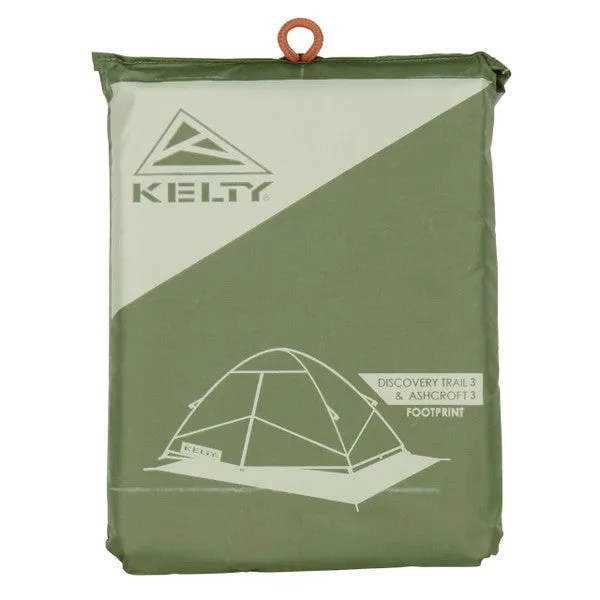
- Discovery Trail 3P Footprint: Compatible with the Kelty Discovery Trail 3 tent, this footprint shields the tent floor from wear and tear and is ideal for rocky, twig-strewn ground. If you own that tent, this is a direct-fit option that adds a layer of defense exactly where you need it, with no trimming or guesswork.
- Outfitter Basecamp 4P Footprint: Kelty footprints are sized smaller than the tent floor to be sure there is no exposed footprint fabric to collect water during wet weather. That sizing detail prevents rainwater from pooling under your tent, which is a common problem with oversized tarps or generic groundsheets.