Quick Answer
Run a real-world range test by walking a straight line away from your dog while holding the transmitter at chest height and watching for consistent stimulation. If signal drops before the rated range, check antenna placement, terrain, and interference before blaming the collar. Most signal loss comes from body blocking, low transmitter batteries, or using the wrong antenna orientation.
How to Run a Realistic E-Collar Range Test
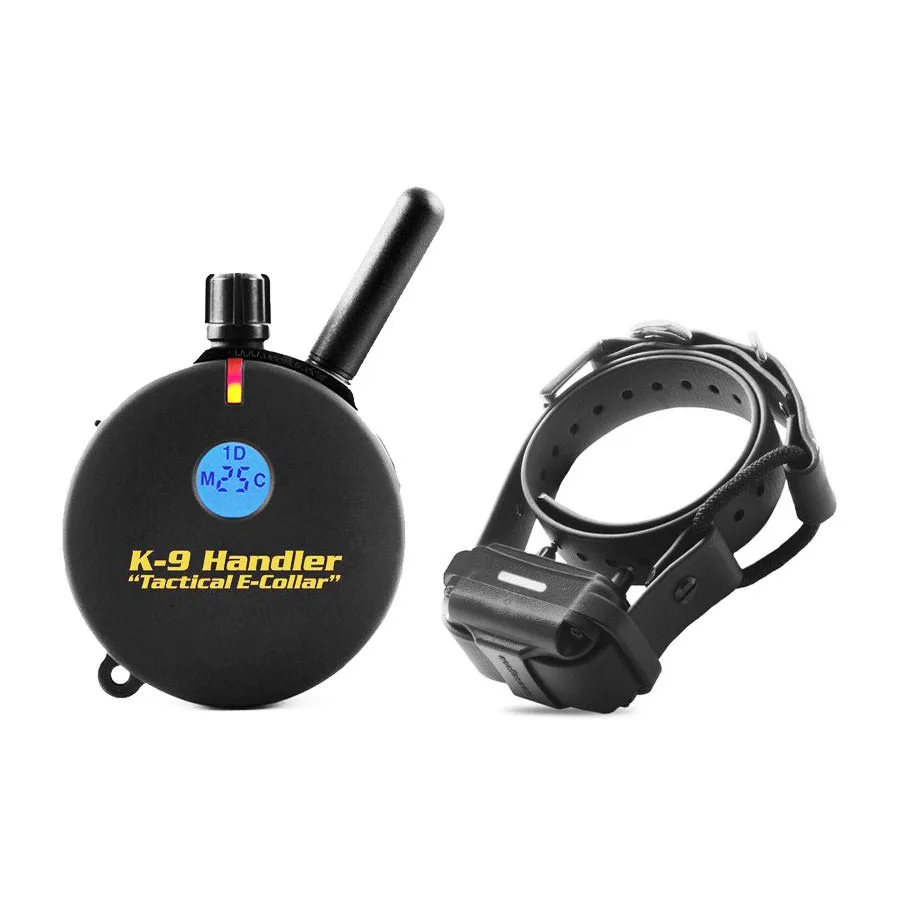
A parking lot test tells you almost nothing. To measure true e-collar range, go to the terrain you actually train in—wooded trails, open fields, or urban blocks—and have a helper hold the collar at dog neck height while you walk away with the transmitter. Press the continuous button for one second every ten steps and note the exact distance where the collar stops responding. Repeat the walk three times: once with the transmitter held at chest height, once at head height, and once with your body turned sideways. The shortest distance is your real working range.
Why Signal Drops Before the Rated Range
Manufacturers rate range in ideal line-of-sight conditions, but real-world signal loss comes from three main sources: physical obstruction, radio interference, and antenna orientation. Your body blocks the signal when the transmitter is held against your chest or hip. Terrain—hills, dense trees, metal buildings—absorbs or reflects the radio waves. And nearby electronics like Wi-Fi routers, two-way radios, or power lines can drown out the collar's frequency. If your dog runs out of signal only in certain locations, interference or terrain is the likely cause.
Antenna Placement and Handling Fixes
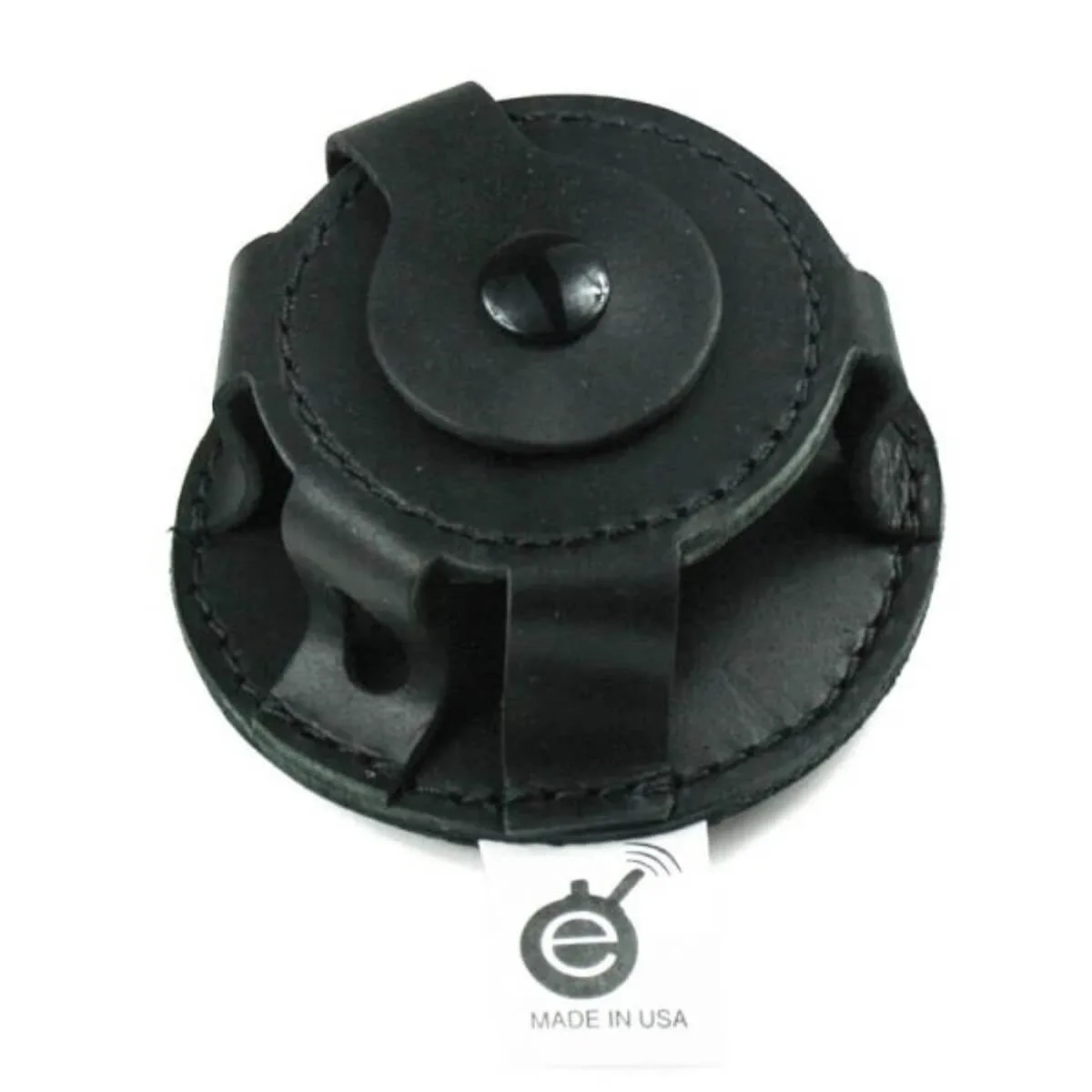
Hold the transmitter away from your body and keep the antenna vertical—parallel to the collar's antenna if possible. Never wrap your hand around the antenna or let it point at the ground. For long-range e-collar training, a belt clip or lanyard keeps the unit accessible but can block signal if the antenna rests against your torso. Test with the transmitter in your hand at chest height before relying on a clip.
When to Stop Testing and Change Your Setup
If you have tested in multiple locations, replaced batteries, and confirmed proper antenna orientation but still lose signal at half the rated range, stop troubleshooting the collar. The unit may be damaged, or your training environment may require a different tool. At that point, contact the manufacturer for service or consider a collar with a longer rated range. Do not keep increasing stimulation to compensate for signal loss—that risks over-correction and confuses the dog.
Diagnosis: Symptom, Cause, Action, Stop Point
- Symptom: Signal drops when you turn your body: Your body blocks the transmitter's antenna when you face away from the dog. Action: Hold the transmitter away from your chest and keep the antenna vertical. Stop if the drop persists after three orientation tests—then check for interference.
- Symptom: Signal works in open field but fails near buildings or trees: Terrain and structures absorb or reflect radio waves, reducing effective range. Action: Test in the exact location you train and note the shortest reliable distance. Stop if that distance is too short for your work—consider a collar with longer rated range.
- Symptom: Signal drops at half the rated range even in open space: Possible antenna damage, low battery, or internal fault in the collar or transmitter. Action: Replace batteries, inspect antennas for kinks, and test again. Stop if the problem continues—contact the manufacturer for service or replacement.
Product Facts
- Dogtra Edge E-Collar: Dogtra Edge E-Collar has a 1-mile range and nick/constant/non-stimulating pager vibration modes. A 1-mile rated range gives you a buffer for real-world conditions, but you still need to test in your terrain to know your actual working distance.
- E-Collar Technologies K9-400 Trainer w/ Bungee Collar: E-Collar Technologies K9-400 Trainer w/ Bungee Collar includes a 33-inch bungee collar that fits neck sizes 6 to 30 inches. The bungee collar keeps the contact points stable during long-range work, reducing the chance that a loose fit mimics signal loss.
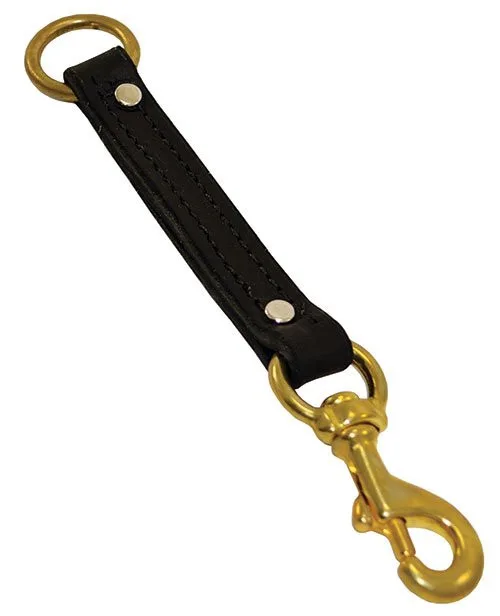
- Tac-Black Leather Braided Obedience Lead: Tac-Black Leather Braided Obedience Lead is available in 4-foot length and 1/2-inch width. A 4-foot leather lead lets you keep your dog close during range testing without adding radio interference or tangling in brush.