Why Ear Infections Are So Common in Dogs
A dog's ear canal is shaped like an L, which traps moisture and debris more easily than a human's straight canal. That anatomy, combined with floppy ears, allergies, or frequent swimming, creates a warm, damp environment where yeast and bacteria can overgrow.
The result is one of the most frequent reasons dog owners visit the vet. Understanding the underlying causes helps you target prevention rather than just treating symptoms after they appear.
Common Causes of Ear Infections in Dogs
Several factors can set the stage for an infection. Often more than one is involved.
- Allergies: Food or environmental allergies are a leading cause of recurring ear infections in dogs. Allergic inflammation makes the ear canal more hospitable to yeast and bacteria.
- Moisture: Swimming or bathing leaves moisture trapped in the ear canal, creating an ideal environment for microbial growth.
- Ear shape: Dogs with floppy ears or narrow canals may have reduced airflow, making it harder for the ear to dry out naturally.
- Foreign objects: Grass awns, dirt, or other debris can irritate the canal and lead to secondary infection.
- Underlying health issues: Hormonal imbalances or immune conditions can increase susceptibility, though these require veterinary diagnosis.
Dog Ear Infection Signs to Watch For
Early recognition makes treatment simpler and more effective. Look for these common indicators:
- Head shaking or tilting: Frequent, vigorous head shaking is often the first sign of discomfort.
- Scratching at the ear: Persistent scratching or rubbing the ear against furniture suggests irritation.
- Redness or swelling: The skin inside the ear flap may look inflamed or feel warm to the touch.
- Odor or discharge: A yeasty or foul smell, or visible discharge, often accompanies infection.
- Sensitivity to touch: Your dog may pull away or whine when you touch the ear area.
Prevention Habits That Make a Difference
Prevention focuses on keeping the ear canal clean and dry without causing irritation. Regular inspection lets you catch problems early, and a consistent cleaning routine removes debris and excess wax before they become a problem.
If your dog swims or has allergies, you may need to check ears more often. Always use a vet-approved cleaner and avoid inserting anything deep into the canal, which can push debris further in or damage the eardrum.
Cleaning Dog Ears Safely: A Step-by-Step Approach
Follow these general steps to clean your dog's ears without causing harm. If your dog shows signs of pain or infection, consult your vet before cleaning.
- Gather supplies: Use a vet-recommended ear cleaner and cotton balls or gauze. Avoid cotton swabs, which can push debris deeper.
- Restrain gently: Have someone help hold your dog steady, or use a calm, gentle hold to keep them still.
- Apply cleaner: Fill the ear canal with cleaner according to the product label, then massage the base of the ear to distribute it.
- Let your dog shake: Allow your dog to shake their head, which helps expel loosened debris and excess cleaner.
- Wipe clean: Use a cotton ball or gauze to wipe the visible parts of the ear flap and canal opening. Never insert anything deep into the canal.
- Dry thoroughly: Pat the ear dry with a clean towel to remove excess moisture.
When to See Your Vet
If you notice signs of infection—redness, discharge, odor, or pain—or if your dog's ears don't improve with routine cleaning, schedule a vet visit. Recurring ear infections in dogs often point to an underlying issue like allergies that needs targeted treatment.
Your vet can examine the ear canal, take a sample to identify the organism, and prescribe the right medication. Avoid using leftover ear drops from a previous infection, as the cause may be different.
A Resource for Understanding and Preventing Canine Ear Infections
-
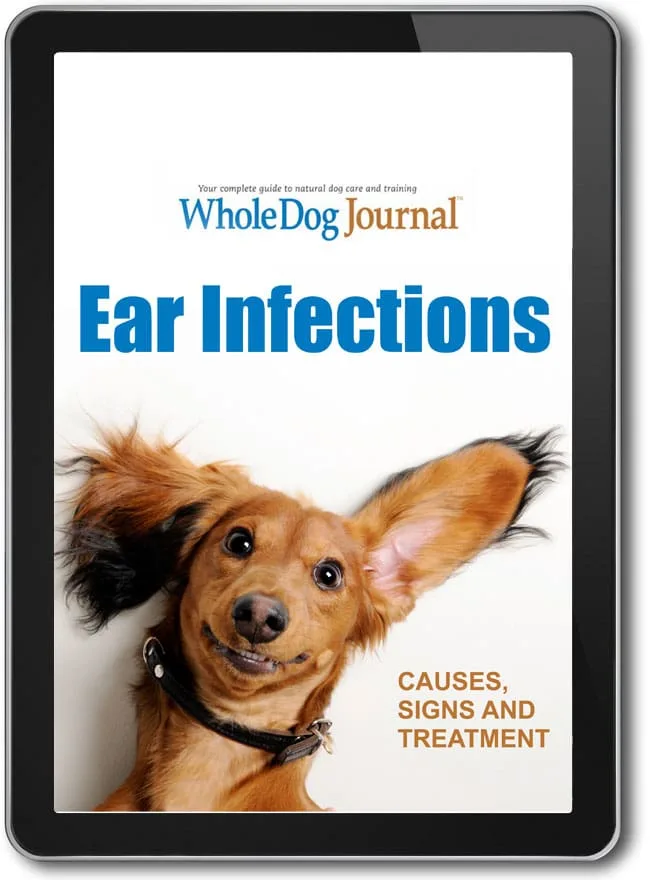
Ear Infections: Ear Infections is a guide from Whole Dog Journal that covers how to prevent and cure canine ear infections, including practical application tips. This resource can help you learn safe cleaning techniques and understand prevention strategies, complementing the habits described above.
Ear Infections