Quick answer
For most study sessions, earplugs beat earmuffs because they stay comfortable for hours and still let you hear a doorbell or a question from a study partner. Earmuffs block more sound, so they suit very loud or unpredictable noise. If you need clear speech and reduced background chatter, Loop Engage 2 is the safer pick; if you want to switch between quiet and conversation without removing them, Loop Switch 2 is more flexible.
How each option handles study noise
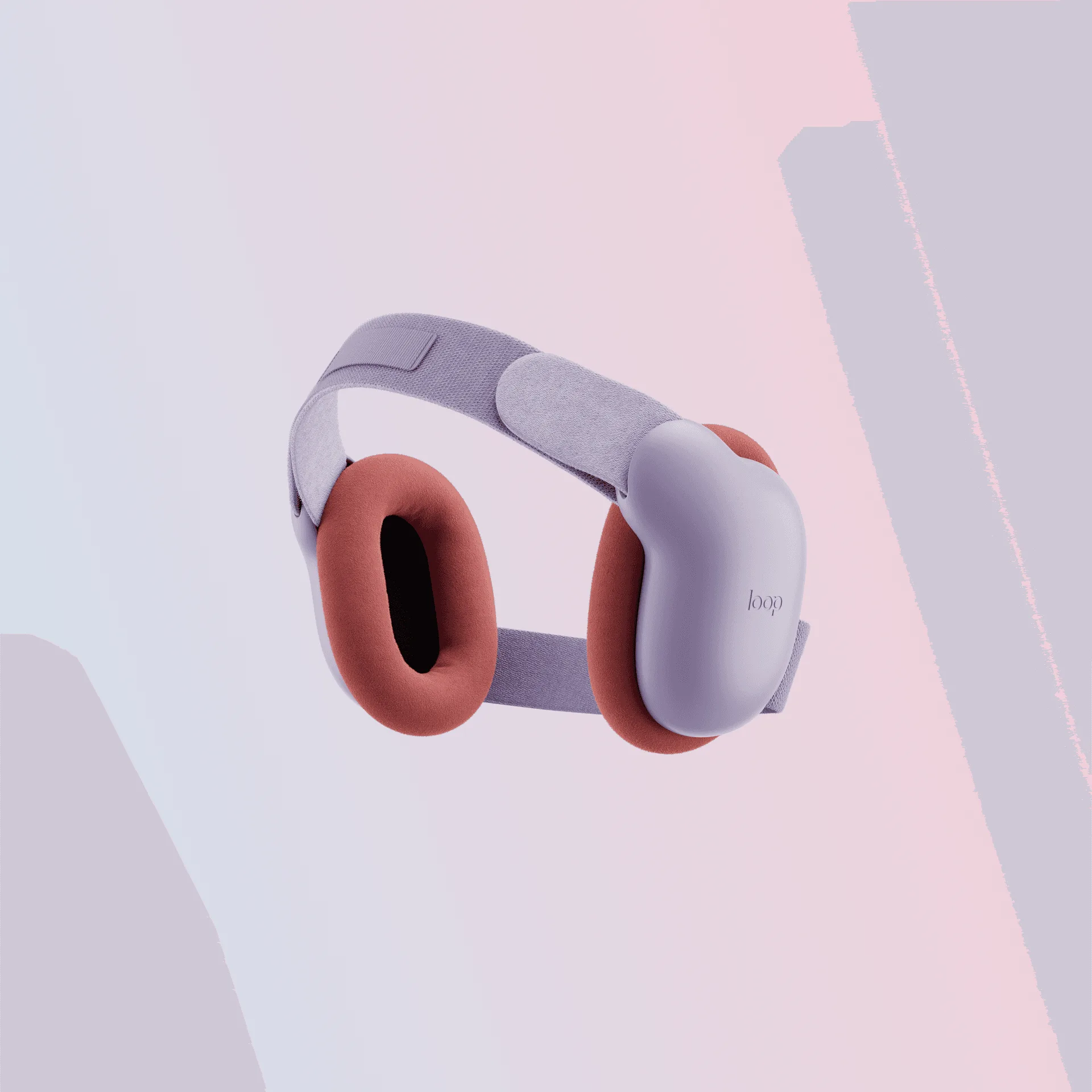
Earmuffs cover your whole ear and create a physical seal that can reduce more low-frequency sound than most earplugs. That makes them effective against rumbling traffic, a loud HVAC unit, or a neighbor's bass. The trade-off is bulk: after an hour, the clamping force and heat build-up often push you to take them off.
Earplugs sit inside the ear canal and rely on a tight but comfortable seal. They are far less noticeable during long reading or writing blocks, and you can wear glasses or headphones over them. The catch is that a poor seal kills performance, so fit matters more than the product label.
Where Loop earplugs fit into a focus routine
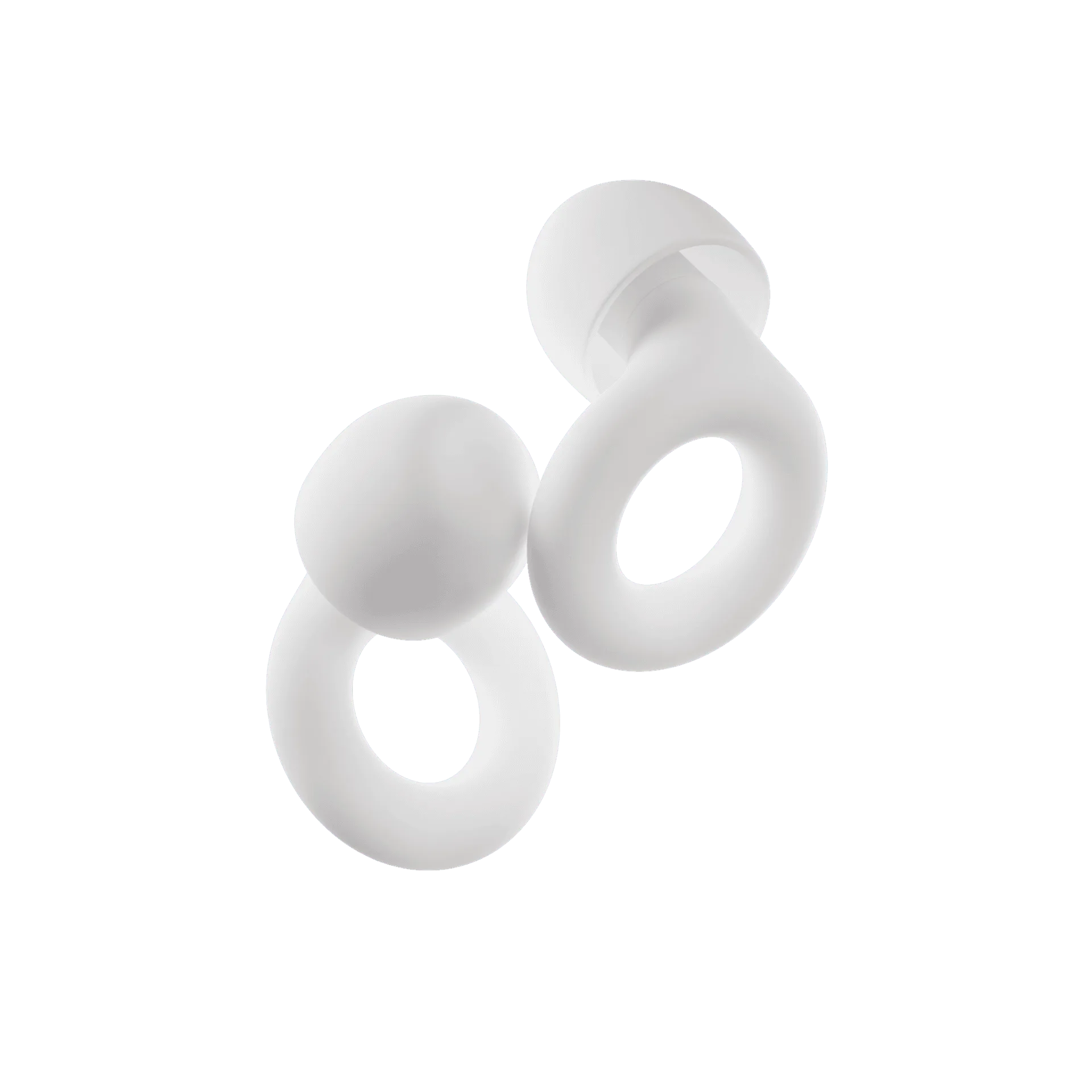
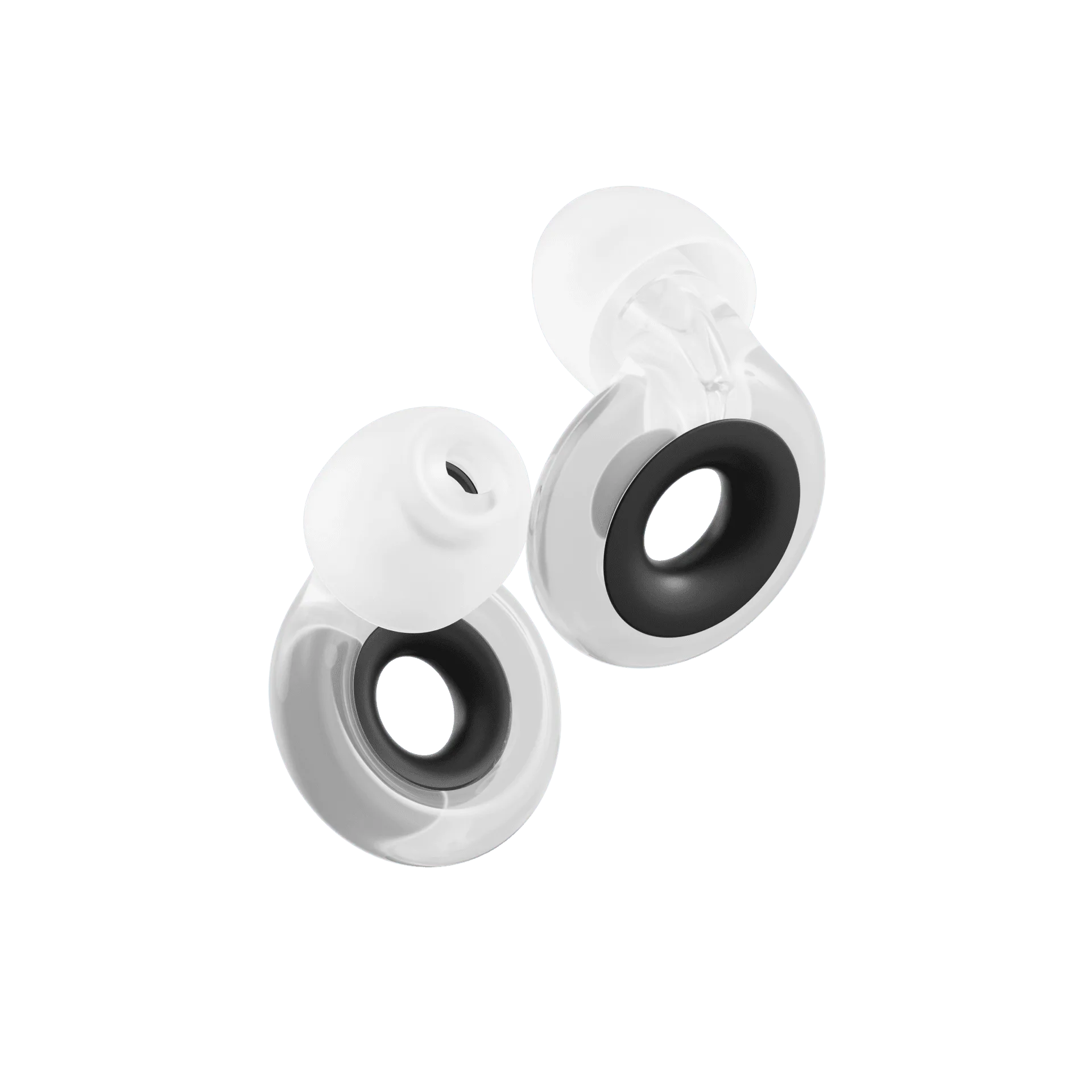
Loop earplugs are reusable and designed for everyday use. Loop Engage 2 reduces distracting noise while keeping conversations clear, which is useful in a library, a shared office, or a cafe where you still need to respond to people. Loop Switch 2 adds the ability to change noise reduction levels without removing the earplugs, so you can move from a quiet study block to a group discussion in seconds.
Neither product is a full earmuff replacement for extreme noise. If you study next to a construction site or a drum kit, combine earplugs with earmuffs or choose a dedicated high-attenuation muff. For most students, however, the practical winner is the option you forget you are wearing.
Comfort, fit, and the habits that decide
Earmuffs are easier to put on and take off, and they do not require you to touch your ear canal. That makes them a better choice if you have ear irritation, frequent ear infections, or a strong gag reflex. They also work over most hairstyles and hats.
Earplugs demand a little more practice. You need to roll or insert them correctly, and the seal can break when you chew, yawn, or smile. The payoff is a lower profile and less pressure on the head, which is why many deep-work sessions end with earplugs still in place. If you wear glasses, earplugs avoid the temple-arm conflict that makes earmuffs uncomfortable.
Trade-offs to weigh before you choose
- Noise reduction vs. awareness: Earmuffs typically block more sound, but they also muffle speech and alarms. Loop Engage 2 reduces background noise while keeping conversations clear, which is better for a dorm or shared space. Choose earmuffs for extreme noise; choose earplugs when you still need to hear people.
- Long-session comfort: Earmuffs can feel hot and tight after an hour. Earplugs sit inside the ear and are easier to wear for a full study block, provided you get the seal right. If you study for more than 90 minutes, earplugs are usually the more comfortable default.
- Flexibility in changing environments: Loop Switch 2 lets you change modes without removing the earplugs, so you can go from deep focus to a quick conversation. Earmuffs require you to take them off and put them back on. Pick Switch 2 if your study day moves between quiet and social settings.
Loop options for studying and focus
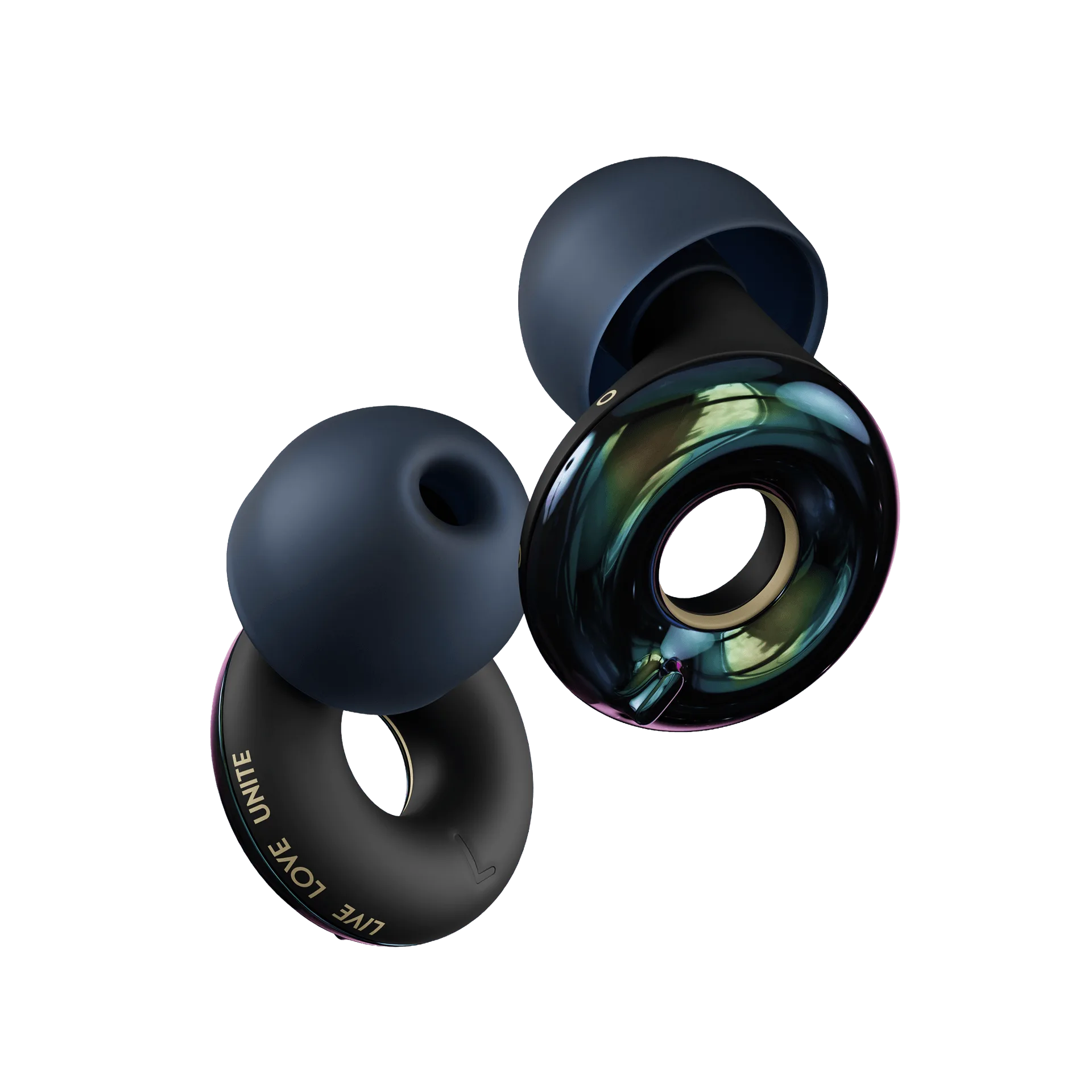
- Loop Engage™ 2: Loop Engage 2 earplugs are designed for everyday use, helping you stay present and focused by reducing distracting noise while keeping conversations clear. You can study in a busy room and still hear a friend ask a question or a barista call your name.
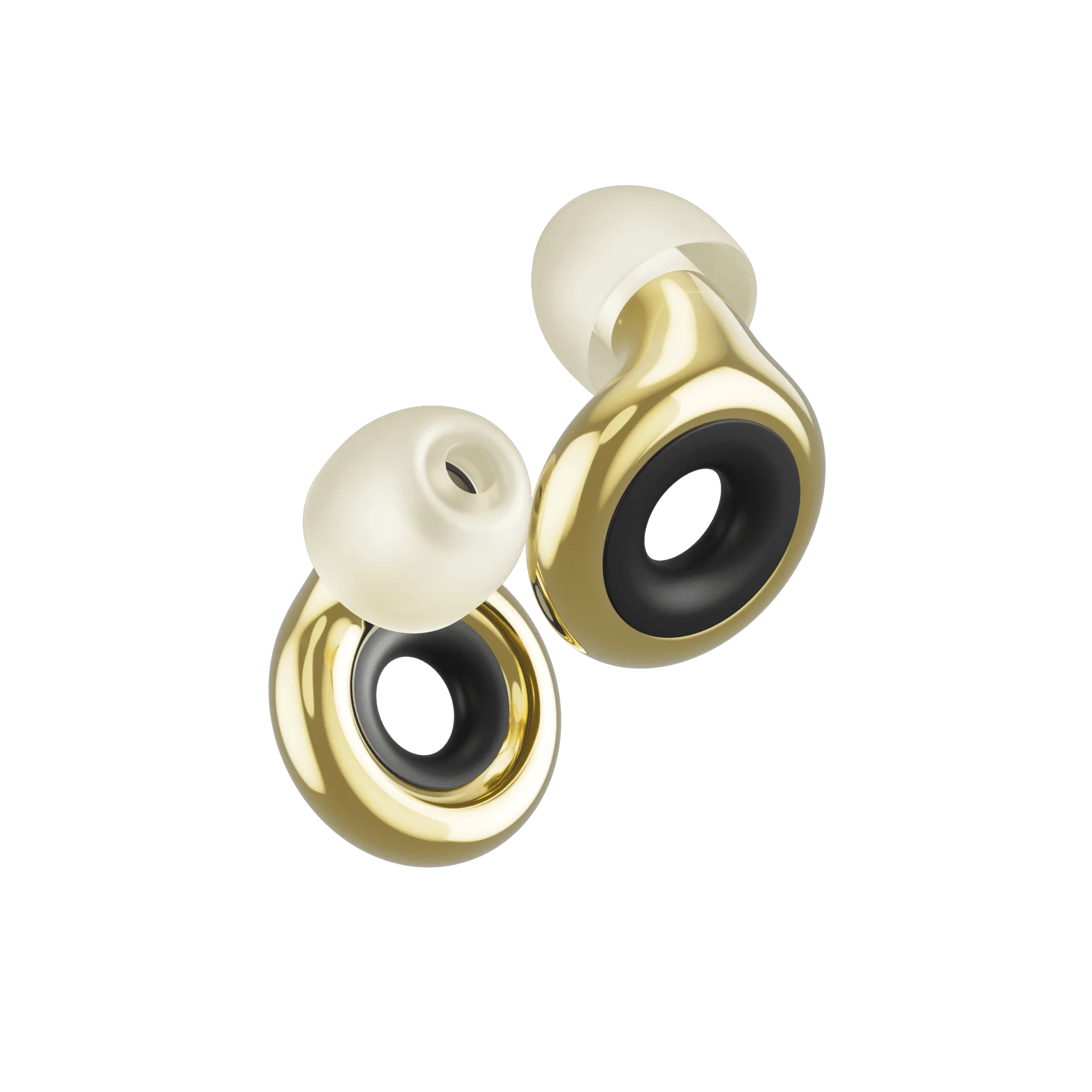
- Tomorrowland x Loop Switch™ 2: Tomorrowland x Loop Switch 2 earplugs let you switch between different modes to adjust noise reduction levels as needed. You can move from a silent library block to a group project without taking the earplugs out.
- Loop Engage™ Kids 2: Loop Engage Kids 2 earplugs are specifically designed for children, providing a comfortable fit for smaller ears and helping reduce overwhelming noise while still allowing for clear conversations. For a younger student, adult-size earmuffs or earplugs may not seal or fit well, so a kid-specific option is safer.
Which should you choose?
Best for
- Students who study for long blocks and want to stay comfortable
- Shared spaces where you still need to hear a question or a safety cue
- People who wear glasses and find earmuffs press on the temples
Not for
- Extreme noise like construction or loud machinery, where earmuffs or double protection work better
- Anyone with active ear pain, drainage, or a recent ear surgery, who should ask a clinician before inserting earplugs