Quick Answer
Start with self-working card tricks that require no sleight of hand, then progress to simple controls like the One Handed Anti-Faro. Practice each move slowly, focusing on natural handling, and you'll be performing within hours.
move
Learning card tricks doesn't have to be intimidating. Many impressive effects rely on simple principles or a single clever move, not years of practice. Whether you want to amaze friends at a party or just enjoy a new hobby, starting with easy card tricks builds confidence and skill.
In this guide, you'll find a practical path from zero to performing. We'll cover choosing the right tricks, practicing effectively, and avoiding common mistakes. You'll also learn about resources like the Inside Magic DVD and specific moves that can accelerate your progress.
Why Start with Easy Card Tricks?
Easy card tricks are the perfect entry point because they deliver instant gratification. You learn a trick, practice for a few minutes, and perform it the same day. This immediate success keeps motivation high and teaches you the fundamentals of presentation—how to talk, misdirect, and engage an audience.
Starting simple also helps you build good habits. You learn to handle cards naturally, control attention, and understand the psychology of magic. These skills transfer to more advanced tricks later. As Brad Christian emphasizes in his Inside Magic DVD, becoming one in a hundred performers means mastering the basics first.
- Choose tricks that require no advanced sleights initially.
- Focus on presentation as much as the method.
Choosing Your First Card Tricks
Look for tricks labeled self-working or easy. These often use mathematical principles or simple setups, so you can perform them immediately. Classic examples include the '21 Card Trick' and 'Pick a Card, Lose a Card' variations.
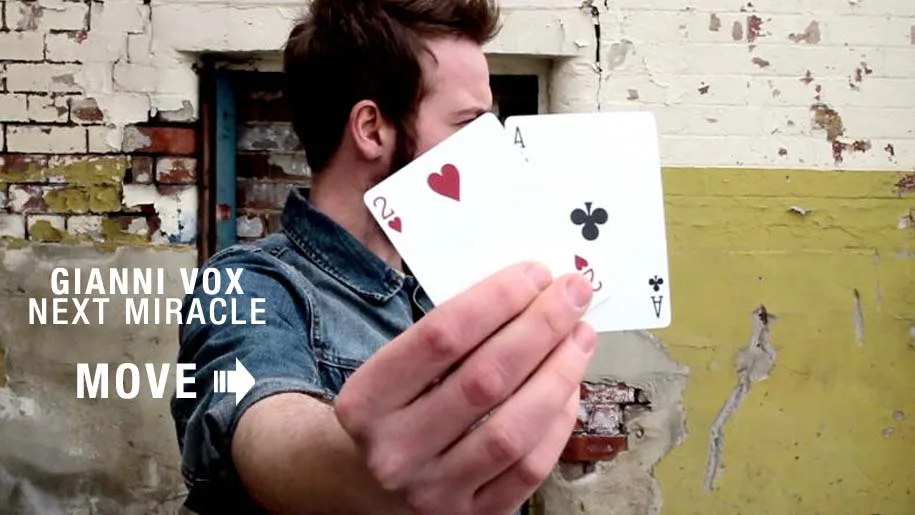
As you progress, consider moves that are easy to execute but look impressive. The One Handed Anti-Faro by Jared Crespel is a great example. It was invented because the original anti-faro is too hard to perfect, making this variation accessible. With practice, you can achieve a perfect 1-for-1 interlace, a move that astonishes spectators.
- Avoid tricks that require difficult sleights like the pass or palming initially.
- Read reviews and watch demonstrations to gauge difficulty.
Practice Techniques That Work
Practice in front of a mirror or record yourself. This helps you spot awkward movements and refine your angles. Focus on smoothness over speed; a slow, deliberate motion looks more natural than a rushed one.
Break each trick into small segments and master each part. For instance, if learning the One Handed Anti-Faro, practice the grip separately, then the motion, then the final reveal. This chunking method makes complex moves manageable.
- Practice for 15 minutes daily rather than hours once a week.
- Use a deck you feel comfortable with; quality matters for handling.
Common Mistakes Beginners Make
One common mistake is rushing through the trick. Beginners often speed up when nervous, which makes the handling look suspicious. Slow down, breathe, and maintain a relaxed rhythm.
Another mistake is neglecting the story. Magic is entertainment, not just a puzzle. Even a simple trick becomes memorable when you present it with confidence and a narrative. Avoid over-explaining; let the effect speak for itself.
- Never repeat a trick for the same audience immediately.
- Keep your hands natural; avoid stiff, exaggerated movements.
Your First 5 Steps to Learning Card Tricks
- Master the Overhand Shuffle: Learn to shuffle naturally without dropping cards. Practice holding the deck loosely and shuffling while talking to mimic real performance conditions. Checkpoint: Can you shuffle without looking at your hands?
- Learn a Self-Working Trick: Pick a trick like 'The 21 Card Trick' that uses math, not sleight of hand. Perform it for a friend to get comfortable with audience interaction. Checkpoint: Did the trick fool someone without you fumbling?
- Practice a Basic Control: Learn to control a chosen card to the top or bottom using a simple cut or a move like the One Handed Anti-Faro. This is your gateway to impromptu magic. Checkpoint: Can you control a card while maintaining natural eye contact?
- Add a Reveal: Reveal the controlled card in a surprising way—turn it over, make it appear in your pocket, or transform it. Simple reveals are often the most powerful. Checkpoint: Did the reveal get a reaction?
- Build a 3-Trick Routine: Combine three effects into a short set with a logical flow. Start with a quick visual trick, follow with a mind-reading effect, and end with a strong closer. Checkpoint: Can you perform all three without pausing to remember the method?
Helpful Resources for Beginners
- Inside Magic: The Inside Magic Learning DVD makes performing magic easier than it's ever been. You'll feel like you're one-on-one with Brad Christian, learning secrets and moves that seemed impossible before. This DVD is jam-packed with proven, tested illusions and magic tricks. A structured DVD like this gives you a clear curriculum, so you don't have to guess what to learn next. You can progress from simple effects to more advanced moves at your own pace.
- One Handed Anti-Faro: Jared Crespel's One Handed Anti-faro is the next big thing in sleight-of-hand. Invented purely as the original Anti-faro is too hard to perfect, this variation is easy to execute and can be done in the hands, or on the table. This move is perfect for beginners who want to learn a visually impressive flourish without the steep learning curve of the traditional anti-faro. It adds a professional touch to your routines.
Starting with easy card tricks opens the door to a rewarding hobby. Focus on learning a few solid effects, practice consistently, and let your personality shine. With resources like Inside Magic and moves like the One Handed Anti-Faro, you'll be amazing audiences sooner than you think.