Quick answer
A plastic sponge often outlasts a compostable dish sponge in raw weeks of use, but it never disappears. A compostable dish sponge usually lasts two to four weeks before it starts to break down, then it can go into your compost. If you want a plastic free kitchen sponge and a closed-loop zero waste dishwashing routine, choose compostable and replace it more often. If you need the absolute lowest cost per week and do not compost, plastic still wins on pure lifespan.
How long each sponge actually lasts
Plastic sponges are made from synthetic foams and fibers that resist breakdown. With daily dishwashing, a plastic sponge typically stays intact for four to six weeks before it gets smelly or falls apart. You can extend that by sanitizing it, but the plastic itself does not decompose. A compostable dish sponge, usually made from plant cellulose, loofah, or coconut fiber, breaks down naturally with use. Expect two to four weeks of regular dishwashing before it starts to shred or develop odor. The trade-off is clear: plastic lasts longer in your sink, but eco sponges last longer on the planet.
Hygiene and odor: which stays fresher?
Both sponge types harbor bacteria if left damp. Plastic sponges can be microwaved or boiled to kill germs, but that also breaks down the foam faster. Eco sponges are more porous and dry out quicker if you wring them well and store them upright. However, their natural fibers can start to smell sooner if they stay wet. The practical fix is the same for both: rinse thoroughly after each use, squeeze out excess water, and let them air dry. For eco sponges, a quick soak in vinegar or baking soda every few days keeps odor down without harsh chemicals.
Composting and end-of-life
This is where the comparison stops being close. A plastic sponge goes to landfill, where it may take hundreds of years to break down into microplastics. A compostable dish sponge can go into your home compost or municipal green bin once it is worn out. Check the label: some eco sponges have a plastic scrubby layer that must be cut off before composting. If you already compost kitchen scraps, adding a worn-out eco sponge is a natural next step. If you do not compost, even a biodegradable sponge will likely end up in landfill, where it breaks down much slower without oxygen.
Cost per week and convenience
Plastic sponges are cheap upfront and last longer, so their cost per week is lower on paper. Eco sponges cost more per unit and need replacing more often, which raises the weekly cost. But many eco sponges are also more versatile: some are designed for gentle scrubbing on non-stick pans, and others pair well with solid dish soap bars. If you are building a zero waste dishwashing kit, the sponge is one piece of a larger system. Consider buying eco sponges in multi-packs to lower the per-unit price, and rotate two sponges so one always has time to dry completely.
Trade-offs: plastic vs eco dish sponges
- Lifespan: Plastic sponges last four to six weeks; eco sponges last two to four weeks. Plastic wins on raw duration, but eco sponges break down naturally after use. If you hate frequent replacements, plastic lasts longer. If you compost, eco sponges close the loop.
- Hygiene: Plastic sponges can be sanitized with heat but degrade faster. Eco sponges dry quicker if wrung out, but natural fibers may smell sooner if left damp. Both need daily wringing and air drying. For eco sponges, a weekly vinegar soak helps.
- End of life: Plastic sponges become microplastics in landfill. Compostable dish sponges can be composted at home if you remove any plastic scrubby layer. Choose compostable only if you have a compost system; otherwise the benefit is reduced.
Product facts that support a zero waste dishwashing setup
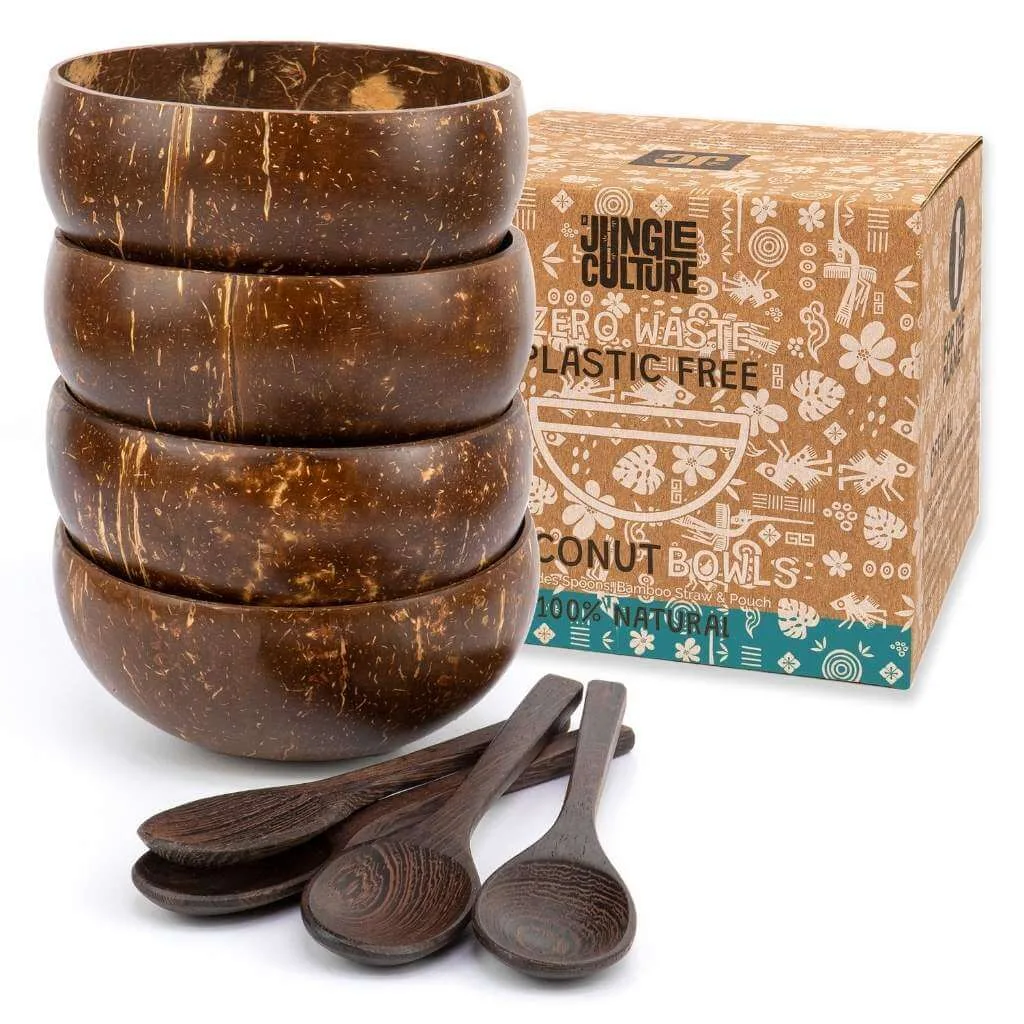
- Eco-friendly Coconut Bowls & Spoons Set of 4: Jungle Culture’s coconut bowls are handcrafted by local artisans in rural Vietnam and come in four unique sustainable patterns. Each set includes 4 wooden spoons, 2 bamboo straws, 2 coconut fibre straw cleaning brushes, and matching jute straw sleeves. The coconut fibre brushes in this set are a plastic-free tool for cleaning reusable straws, which complements a zero waste dishwashing routine and reduces the need for plastic-bristled brushes.
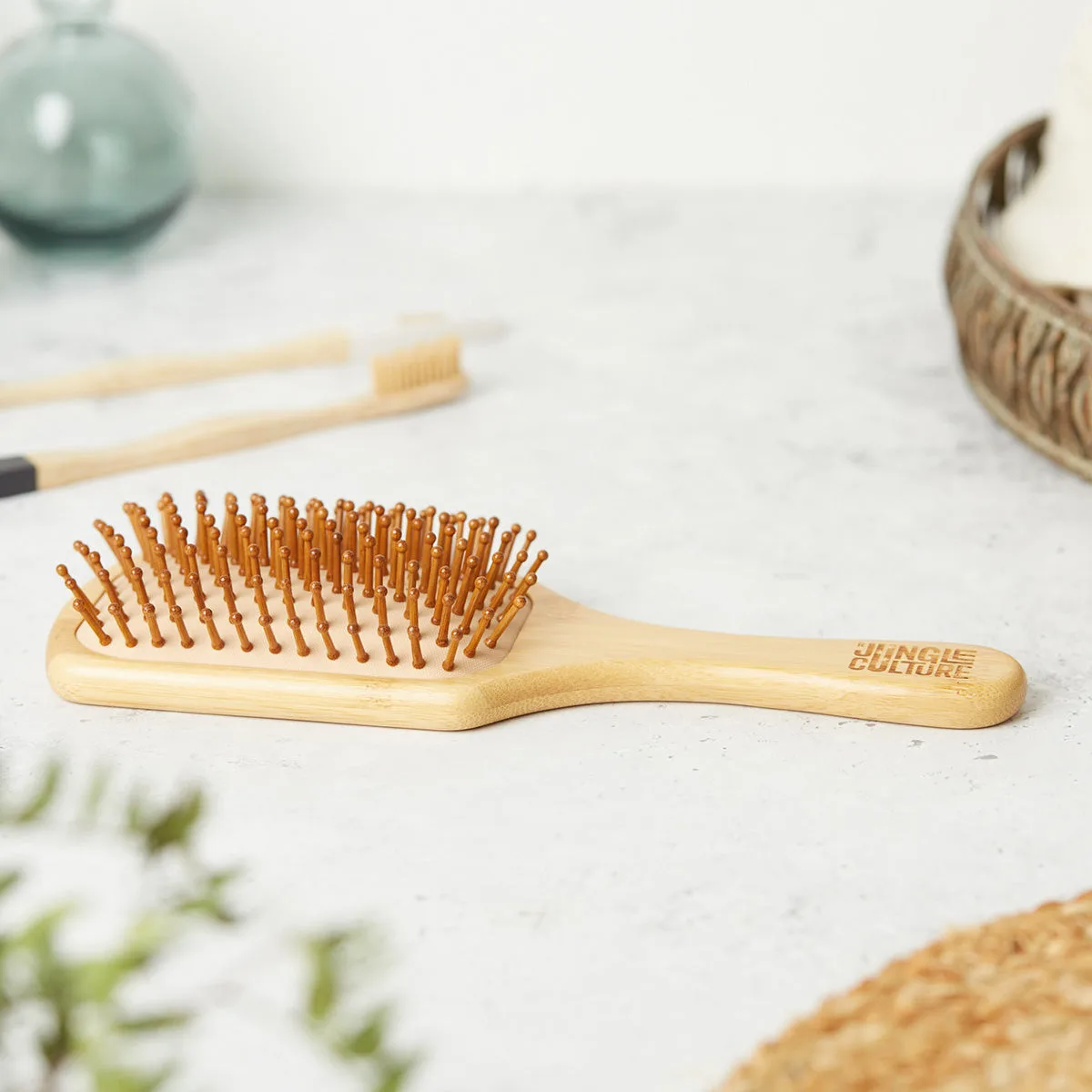
- Bamboo Hairbrush | Sustainable Wooden Hair Brushes: Jungle Culture’s bamboo hairbrush is designed with eco-friendly bamboo to suit all hair types, with a pressured paddle surface and soft bristles for wet or dry brushing. While not a dish sponge, this brush shows the same material approach: bamboo is durable, renewable, and plastic-free. If you are transitioning your kitchen, choosing bamboo tools for other rooms keeps the swap consistent.
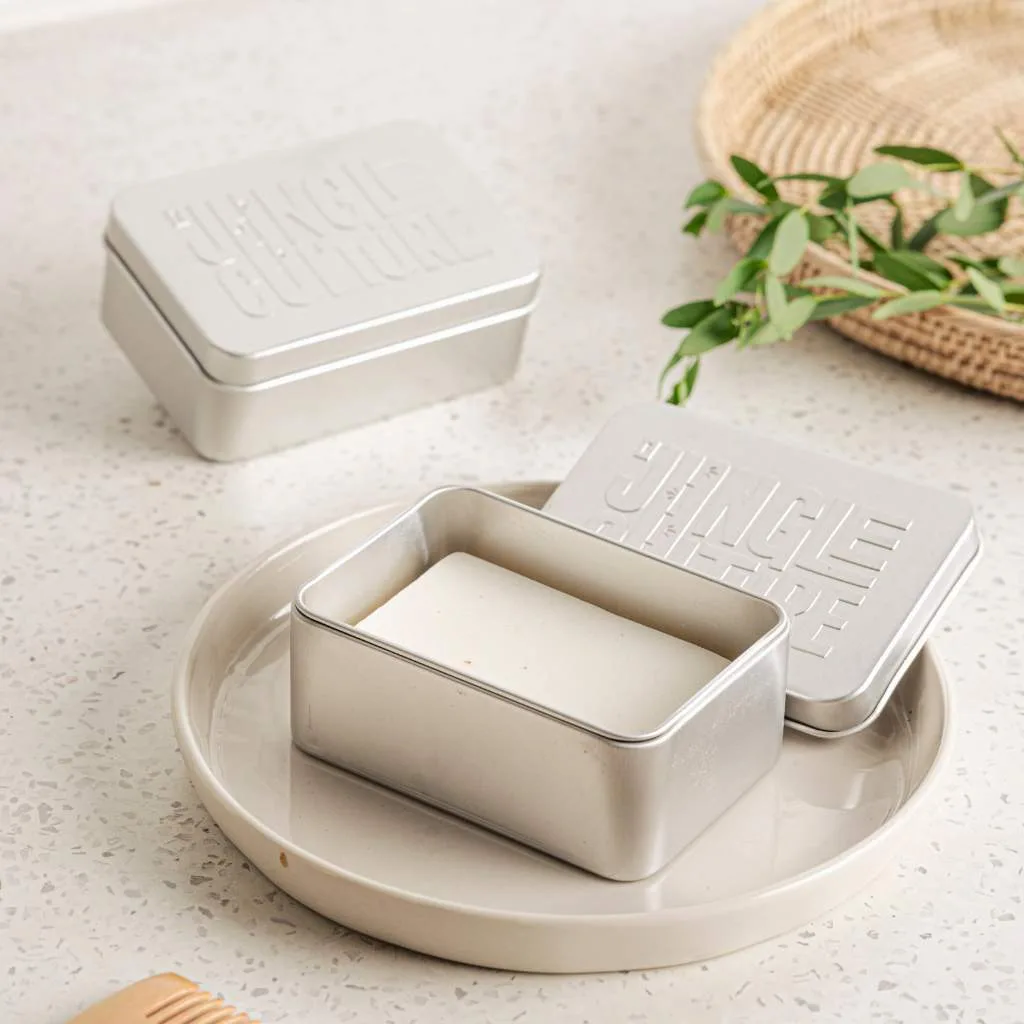
- Travel Soap Tin | Metal Soap Container (w/ Drip Tray): Jungle Culture’s metal travel soap tin is 100% plastic-free, designed to last a lifetime, and stacks neatly for packing multiple containers. A durable soap tin supports a plastic-free kitchen sink area when you use solid dish soap or bar soap instead of bottled liquid soap, reducing plastic waste alongside your sponge choice.
Which should you choose?
Best for
- Households that compost kitchen scraps and want a plastic free kitchen sponge
- Shoppers building a zero waste dishwashing kit and willing to replace sponges more often
- Anyone who prefers natural materials and wants a biodegradable sponge review before buying
Not for
- People who want the absolute lowest cost per week and do not compost
- Anyone who cannot replace sponges every few weeks and needs maximum lifespan
- Households without access to composting who want a simple landfill-friendly option