Quick Answer
If sustainability is your priority, the HexClad Eco Modern Apron is the better choice: it's made from recycled plastic bottles spun into durable HexTwill fabric, while traditional cotton aprons require significant water and pesticides to grow. However, cotton is biodegradable and may be preferable if you prioritize natural fibers and compostability at end of life.
When you're stocking a sustainable kitchen, every choice counts—including the apron you tie on. Traditional cotton aprons have been a staple for decades, but newer options like the Eco Modern Apron from HexClad are designed with recycled materials. Which one truly minimizes your environmental footprint?
This comparison looks at the materials, durability, and everyday practicality of both options. We'll weigh the pros and cons so you can decide which apron aligns with your eco-values and cooking habits.
Material Matters: Recycled Polyester vs Natural Cotton
The Eco Modern Apron is crafted from HexTwill fabric, a durable material made from plastic bottles that are melted and spun into a sustainable yarn. This process gives plastic waste a second life, reducing landfill contributions and avoiding the need for virgin polyester. In contrast, conventional cotton farming is water-intensive and often relies on pesticides, though organic cotton mitigates some of these impacts.
Cotton is biodegradable, so at the end of its life, it can break down naturally. Recycled polyester, on the other hand, is not biodegradable and may shed microplastics during washing. However, the Eco Modern Apron's durability means it may last longer than a typical cotton apron, potentially offsetting its end-of-life drawbacks.
- Recycled polyester reduces plastic waste but is not biodegradable.
- Cotton is renewable and biodegradable but requires high water and pesticide use.
- Consider the full lifecycle: production, use, and disposal.
Durability and Longevity: Which Apron Lasts Longer?
A sustainable apron is one you don't have to replace often. The Eco Modern Apron's HexTwill fabric is designed for durability, resisting stains and wear from daily cooking. Its reinforced straps and utility pockets add to its longevity. Traditional cotton aprons can be durable too, but they may shrink or fade over time, especially if not cared for properly.
Longer lifespan means fewer replacements, reducing overall resource consumption. If you cook frequently, the Eco Modern Apron's robust construction could make it the more sustainable choice in the long run, despite its synthetic origin.
- HexTwill fabric is built to withstand frequent use.
- Cotton may require more careful washing to maintain appearance.
- A longer-lasting apron reduces waste.
Practical Features That Support Sustainable Cooking
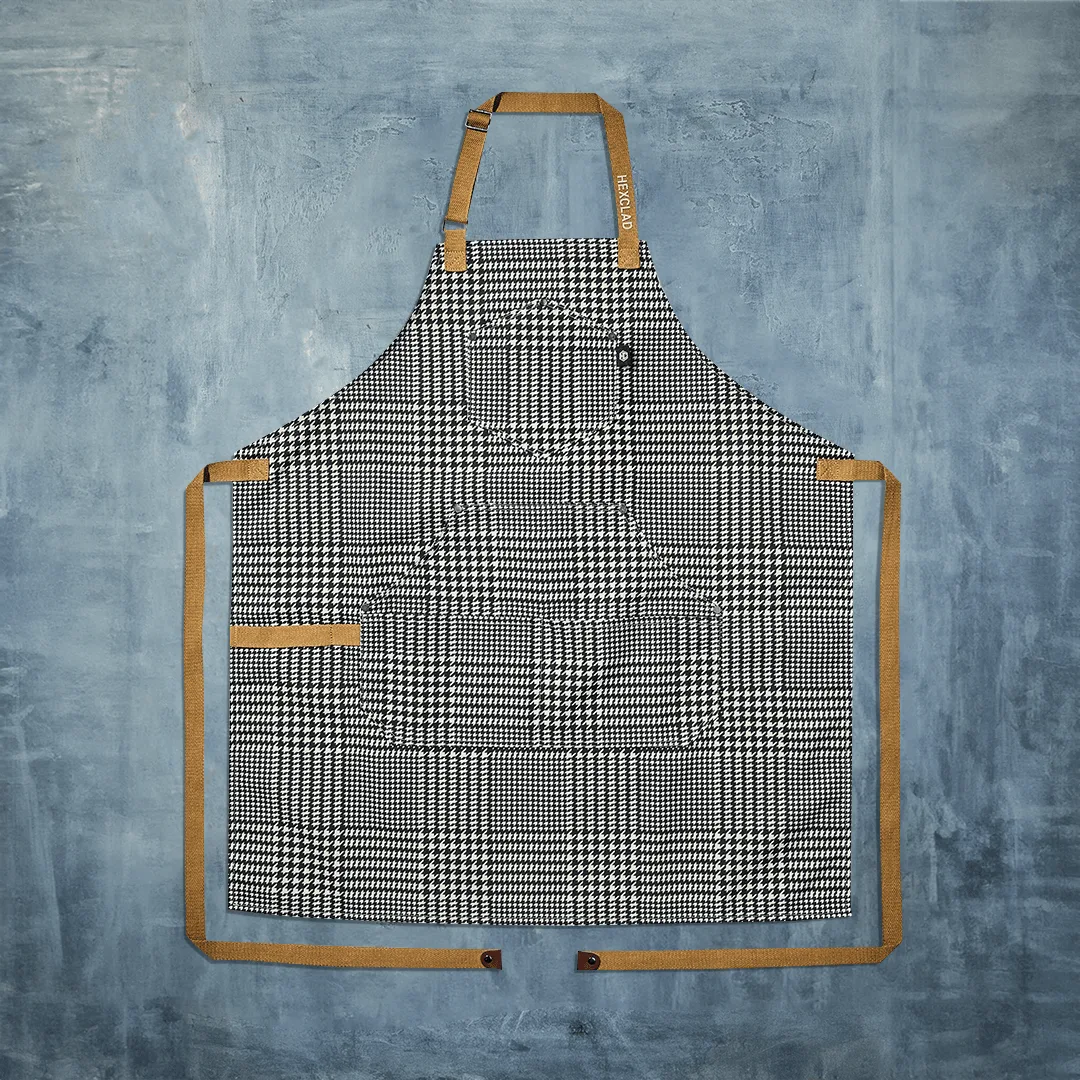
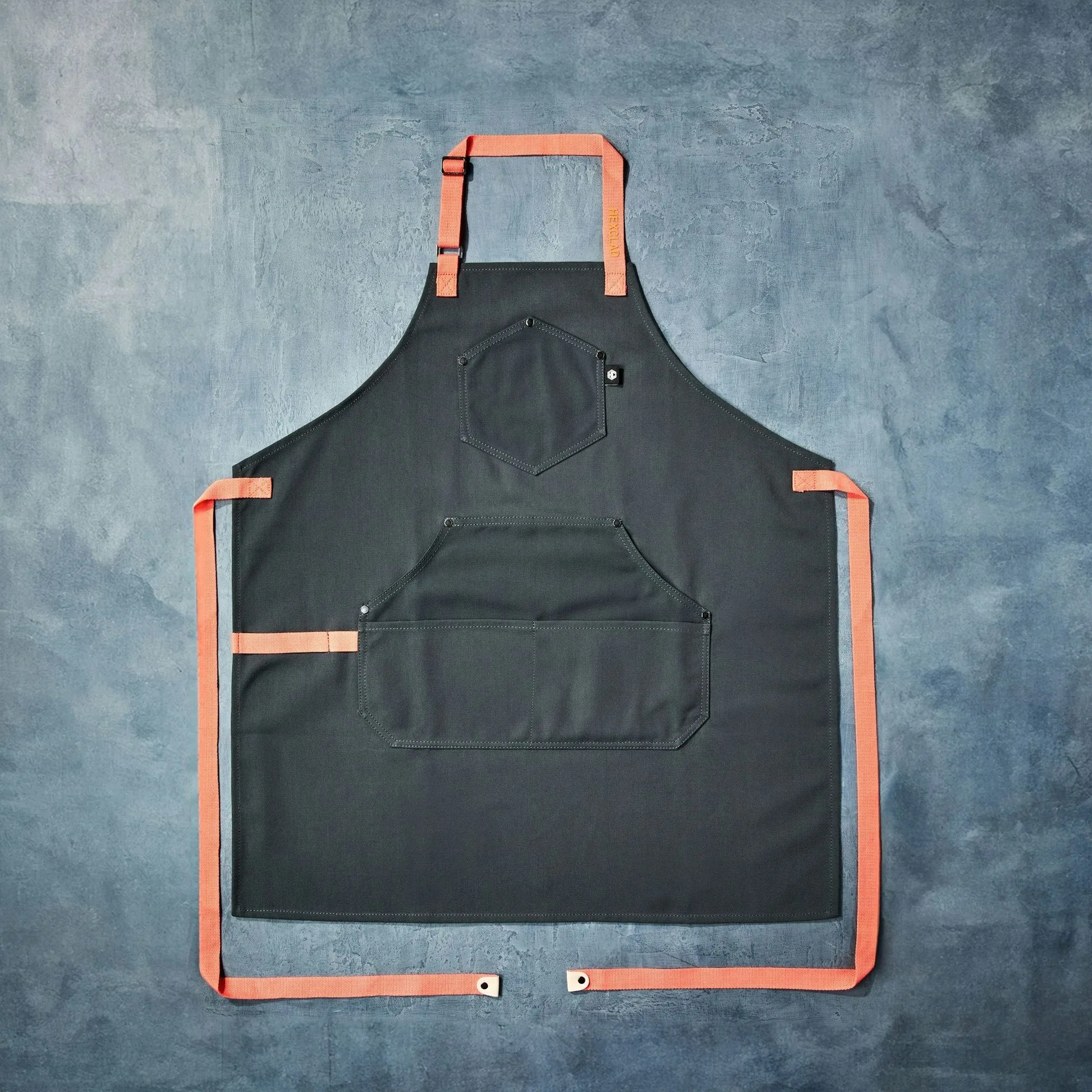
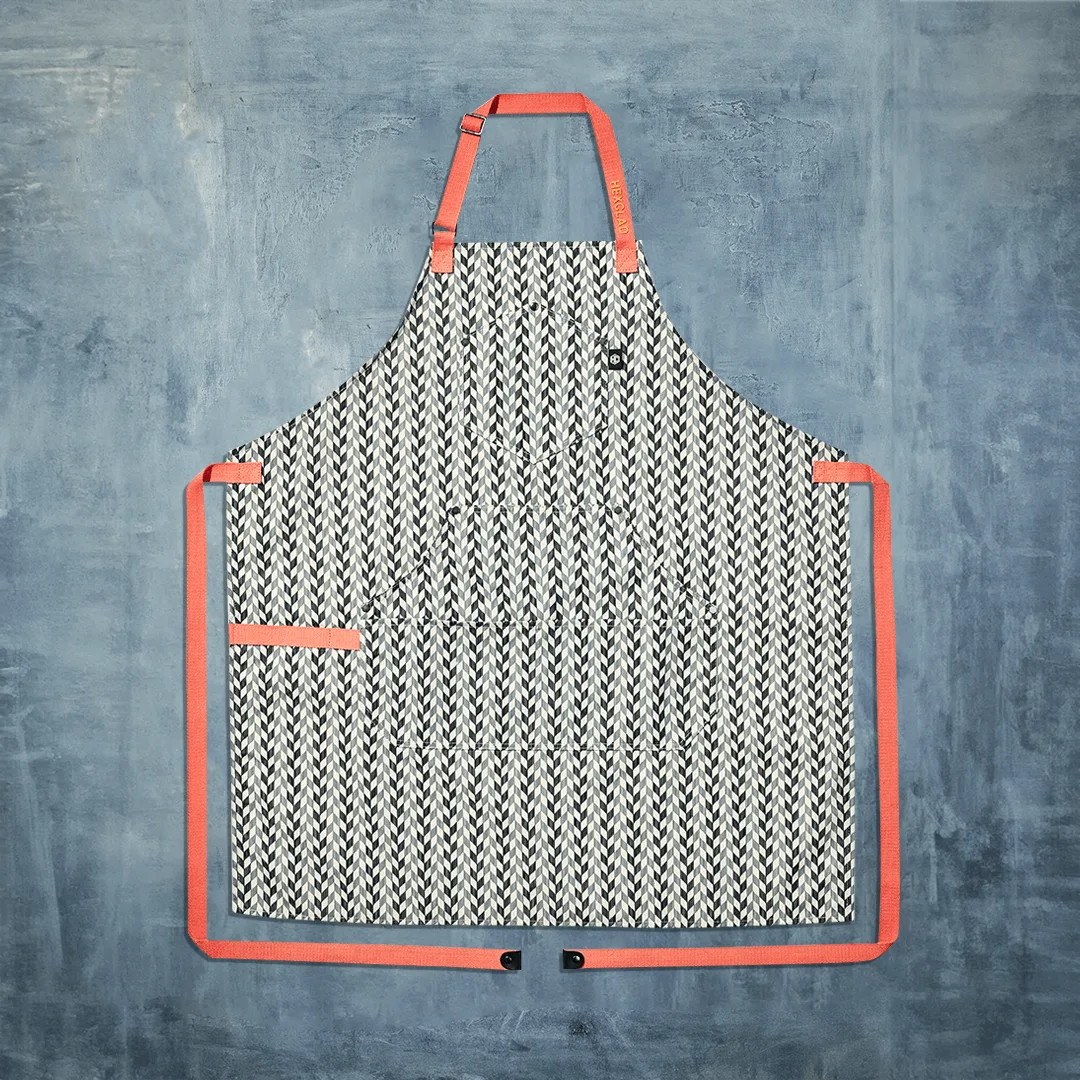
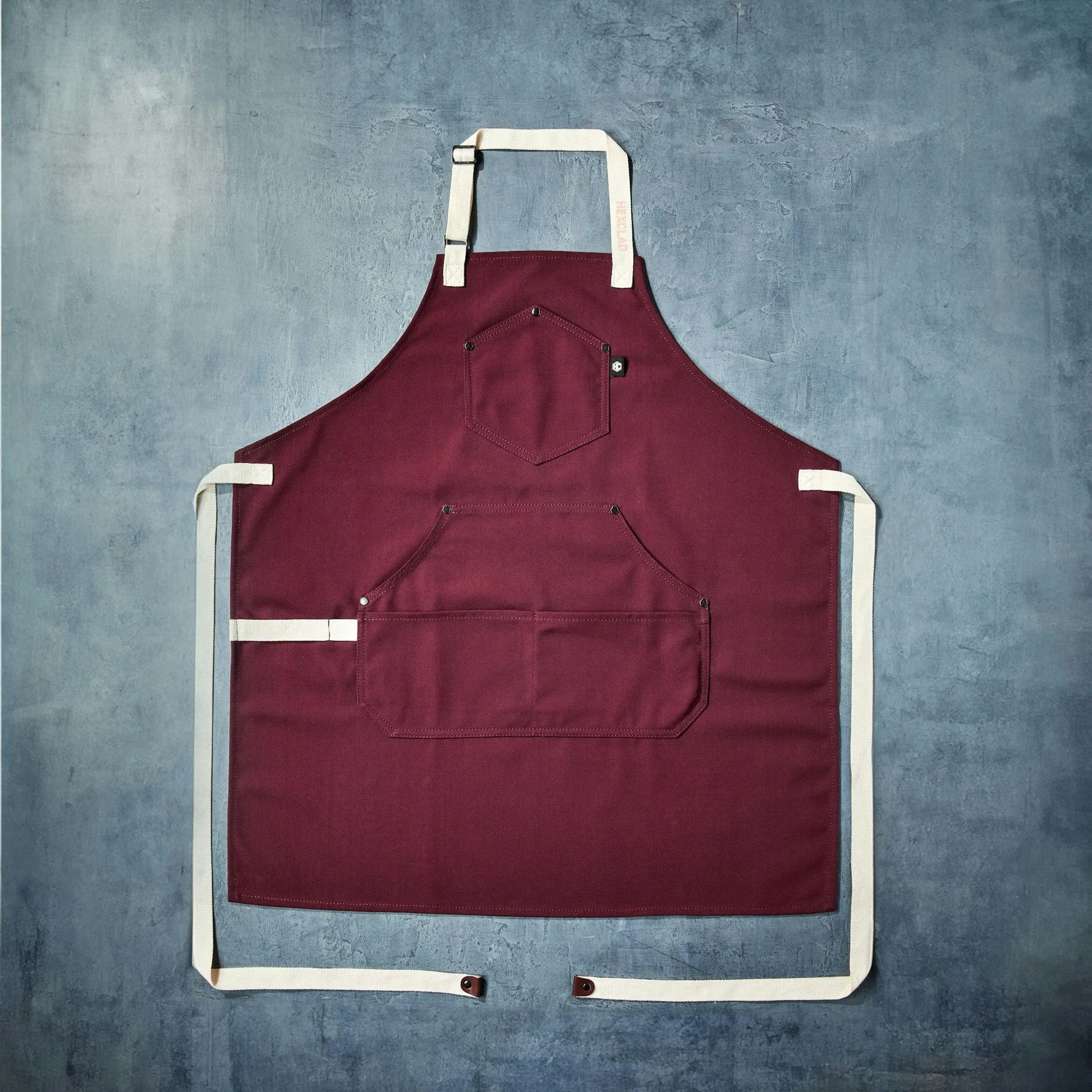
The Eco Modern Apron includes a phone pocket, leather-tipped straps, utility pockets, and a loop for your towel. These features aren't just convenient—they encourage you to keep your phone and towel handy, reducing the need for disposable paper towels and minimizing trips around the kitchen. While cotton aprons can have pockets, they often lack the same level of thoughtful design.
By having everything within reach, you're more likely to cook efficiently and avoid waste. The apron's recycled material also means you're supporting a circular economy, where waste becomes a resource.
- Phone pocket keeps your device clean and accessible.
- Towel loop encourages reusable cloth over paper towels.
- Utility pockets reduce the need for extra kitchen tools.
Tradeoffs to Consider
- Eco Modern Apron: Recycled Material vs. Synthetic Fibers: The apron is made from recycled plastic, which is great for reducing waste, but it's still a plastic-based product that won't biodegrade. If you prioritize waste reduction and durability, this is a strong choice.
- Traditional Cotton Apron: Natural Fiber vs. Resource-Intensive Farming: Cotton is renewable and biodegradable, but conventional farming uses significant water and pesticides, and organic options are pricier. If you prefer natural fibers and plan to compost at end of life, cotton may fit your values.
- Durability vs. End-of-Life: The Eco Modern Apron is built to last, potentially reducing replacements, but cotton's biodegradability is a plus when it's finally worn out. Consider how long you'll use the apron and how you'll dispose of it.
Product Facts: Eco Modern Apron at a Glance
- Eco Modern Apron (Mustard): Made from durable recycled HexTwill fabric, crafted from plastic bottles that are melted and spun into a sustainable yarn. This means the apron diverts plastic waste from landfills, reducing the demand for new synthetic materials.
- Eco Modern Apron (Mustard): Features a phone pocket, leather-tipped straps, utility pockets, and a loop for your towel. These smart details make the apron more functional, encouraging sustainable habits like using a reusable towel instead of paper.
Which Apron Fits Your Sustainable Kitchen?
Best for
- Home cooks who want to reduce plastic waste and value long-lasting durability.
- Those who appreciate functional features like pockets and a towel loop.
Not for
- Eco-purists who prefer natural, biodegradable fibers and avoid synthetics entirely.
- Budget-conscious shoppers looking for the cheapest option, as the Eco Modern Apron is priced at $39.50.
Both aprons have environmental merits. The Eco Modern Apron excels in waste reduction and durability, while cotton offers biodegradability. Assess your priorities—whether it's minimizing plastic or embracing natural fibers—and choose the apron that aligns with your sustainable cooking values.