Quick Answer
Buy educational toys that match your baby's current developmental stage, not the age on the box alone. For newborns to sitters, prioritize sensory and cause-and-effect toys. For crawlers and early walkers, look for push-and-pull support and open-ended play. Skip toys that promise academic skills before age two; they rarely deliver and often frustrate.
Walk down any toy aisle and you'll see packaging covered in words like 'brain-boosting' and 'early learning.' It's hard to know what actually helps a baby develop and what's just marketing. This developmental toys buying guide cuts through the noise with concrete rules you can use in the store or online.
The truth is simple: babies learn through play, but not all play is equal. The right educational toy for babies matches their motor and sensory skills, grows with them, and doesn't need batteries to be engaging. Here's how to choose well.
Match the Toy to Your Baby's Stage, Not the Label
A toy labeled '6 months+' assumes a baby can sit independently and reach deliberately. If your baby is still working on head control, that toy will frustrate both of you. Instead, match the toy to what your baby can do right now: batting at objects, bringing hands to mouth, sitting with support, or pulling to stand. The best learning toys for infants are the ones that meet them where they are.
For newborns to about four months, focus on high-contrast colors, soft textures, and gentle sounds. Around five to eight months, cause-and-effect toys (press here, something happens) become gold. From nine months on, babies want to move, stack, push, and pull. A toy that's too advanced gets ignored; one that's too simple gets boring fast.
- Newborn to 4 months: sensory exploration, tracking, and grasping
- 5 to 8 months: cause-and-effect, object permanence, sitting play
- 9 to 12+ months: movement, stacking, push/pull, pretend play
Look for Open-Ended Play and Real Materials
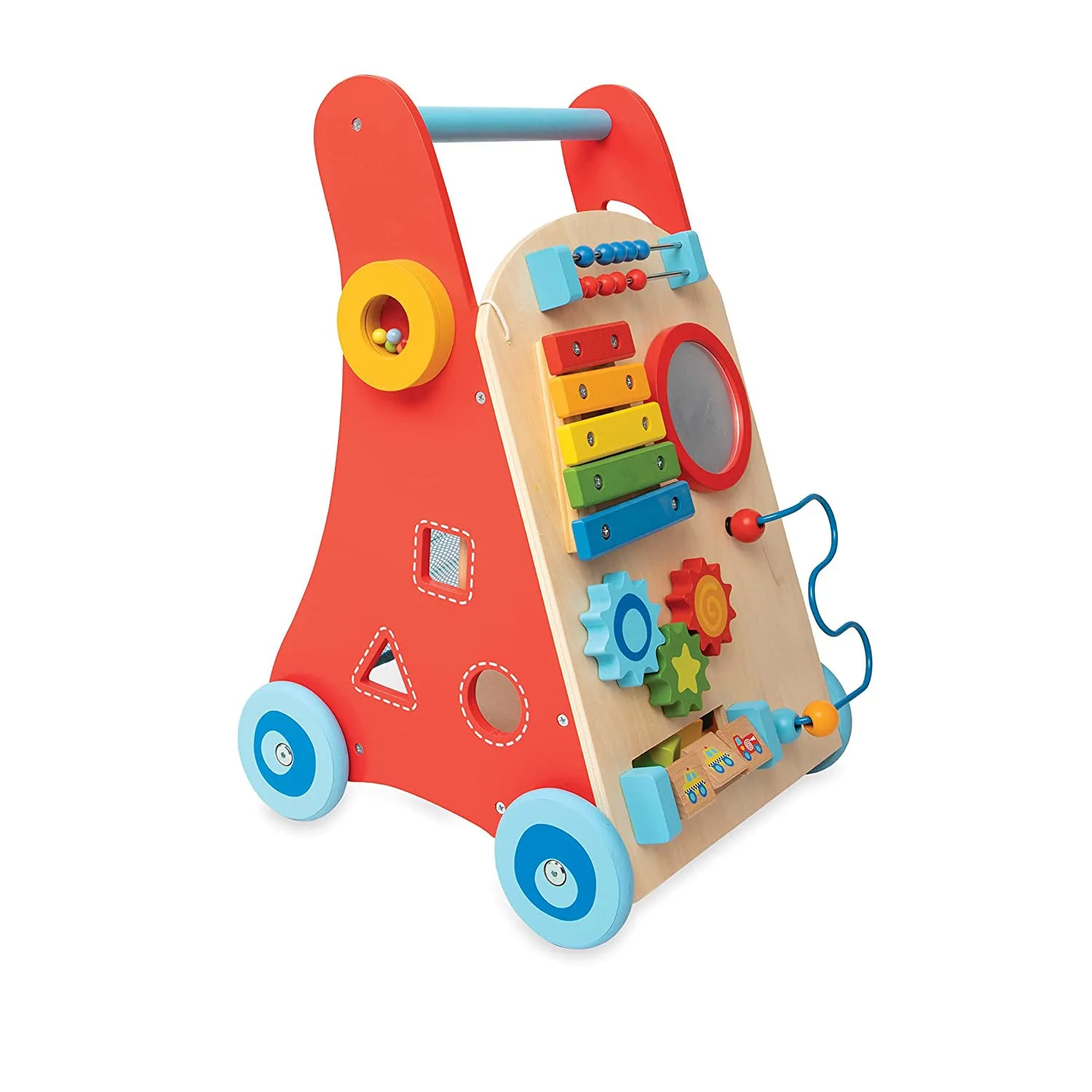
Open-ended toys can be used in many ways: a walker becomes a push toy, then a storage bin for blocks, then a pretend cart. These toys last longer because your baby's imagination grows with them. Closed-ended toys (one button, one result) have their place, but they tend to lose appeal quickly once the novelty wears off.
Materials matter for both safety and longevity. Solid wood and food-grade silicone hold up better than thin plastics, and they don't rely on batteries that die or speakers that distort. They also tend to be heavier and more stable, which helps when a baby is pulling up or learning to walk. Check for smooth edges, non-toxic finishes, and no small parts that could detach.
- Choose toys that can be used in at least three different ways
- Prefer wood, silicone, and sturdy fabrics over thin plastic
- Avoid toys with small detachable parts if your baby still mouths everything
Decide How Much You Want to Spend (and What You Can Skip)
You don't need a toy library. A few well-chosen pieces beat a pile of mediocre ones. Spend more on items your baby will use daily for months: a sturdy walker, a play gym, or a ball pit that doubles as a sitting support. Save on short-phase toys like rattles or teethers, which are inexpensive and often outgrown quickly.
Be wary of toys that promise to teach reading, math, or foreign languages before age two. There's no evidence they work, and they often replace the face-to-face interaction that actually builds language. If a toy requires a screen or an app to function, treat it as entertainment, not education.
- Invest in multi-stage toys that last six months or more
- Skip battery-heavy toys that do the playing for your baby
- A cardboard box and a wooden spoon often beat a $50 gadget
Check Safety and Practicality Before You Buy
Safety isn't just about recalls. Look for toys that are easy to clean, especially if they'll be mouthed or used around food. Waterproof foam and wipeable surfaces save you time. Also consider storage: a ball pit with 200 balls is fun, but you'll need a plan for where it lives. Measure your space before you commit.
Weight and portability matter too. A lightweight foam scooter can move from hallway to living room without scratching floors, while a solid wood walker stays put. Think about where your baby will actually use the toy and whether you can lift it with one hand while holding a baby in the other.
- Wipe-clean surfaces are a must for anything that goes in the mouth
- Measure your play area before buying large items like ball pits
- Check that the toy is stable enough for pulling up but light enough to move
Decision Rules for Buying Educational Toys
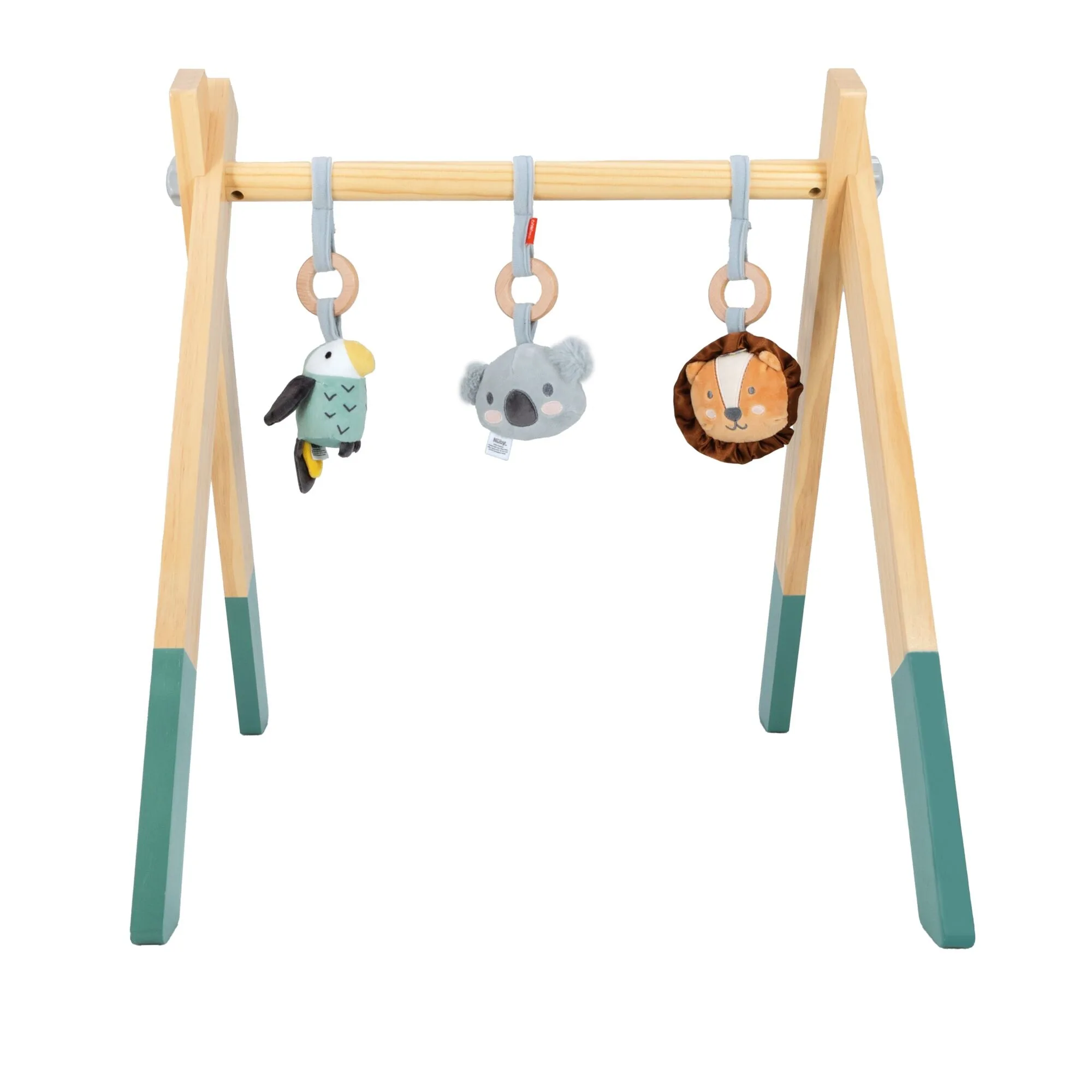
- If your baby is under 6 months: Choose sensory toys with high-contrast colors, soft textures, and gentle sounds. A play gym with hanging toys supports reaching and hand-eye coordination during tummy time. Skip anything that requires sitting or standing; it will go unused.
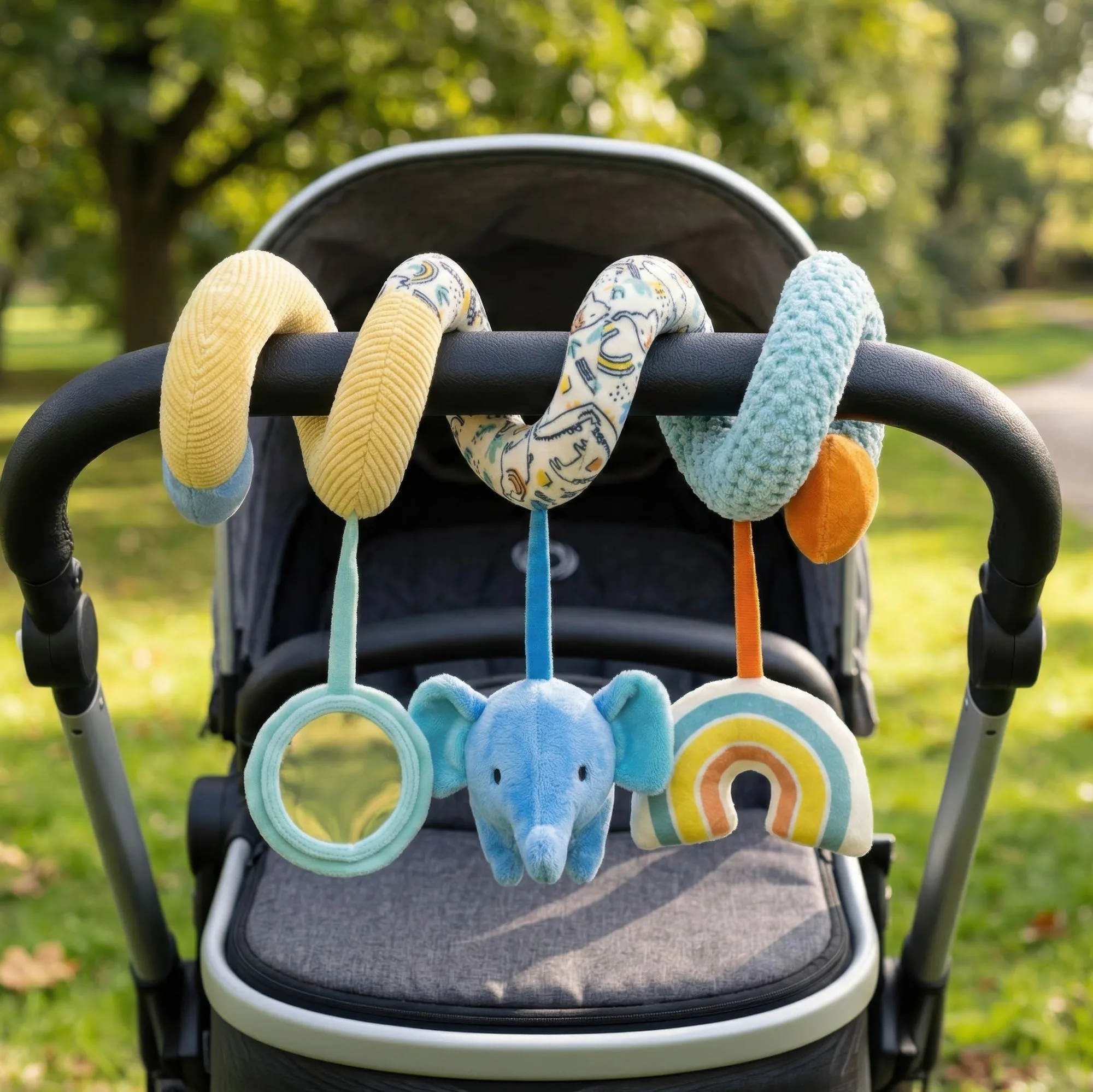
- If your baby is 6 to 12 months: Prioritize cause-and-effect toys and objects to mouth, bang, and stack. A spiral activity toy for the stroller or car seat keeps learning going on the move. Avoid toys with small detachable parts; mouthing is at its peak.
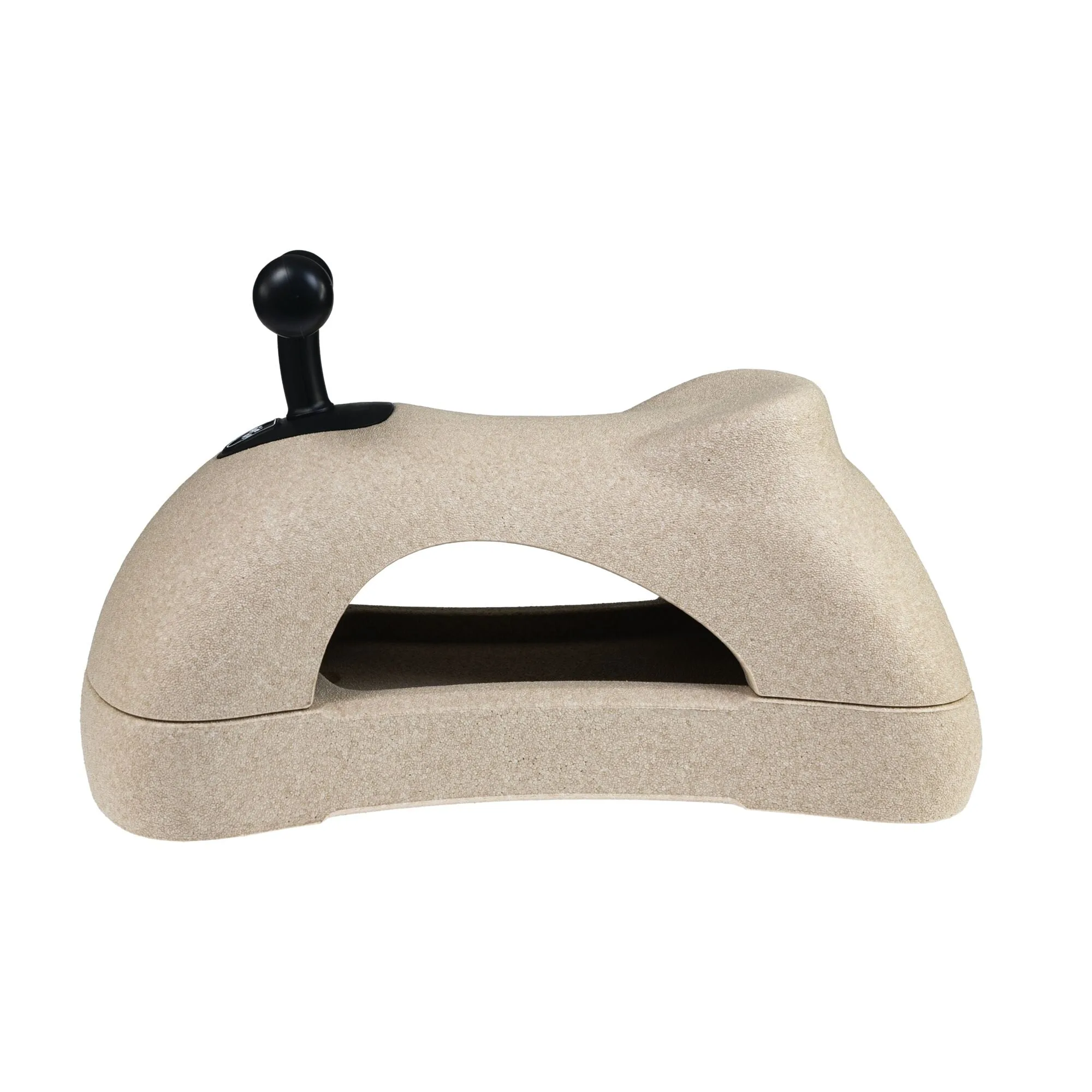
- If your baby is pulling up or cruising: Invest in a sturdy push walker or a 3-in-1 ride-on that supports first steps and later independent scooting. Check that it's stable but light enough to move between rooms. A walker that tips easily will scare your baby off walking, so test stability before buying.
- If you have limited space: Choose multi-stage toys that replace several items, like a ball pit that doubles as a sitting support or a foam scooter that works indoors and out. Measure your storage area; a 200-ball pit needs a home when not in use.
Examples from the Nuby Range
- Wooden Baby Walker: The walker's push and pull function encourages first steps by providing sturdy support for little hands to hold on to, helping children build confidence while fostering independence. A stable push toy gives a new walker the security to practice without you holding both hands, and it transitions to pull-along play later.
- Wooden Play Gym: The solid wood A-frame is sturdy and holds up as your little one plays, with soft hanging toys including a squeaking koala, rattling parrot, and scrunching lion to develop hand-eye coordination. A play gym that doesn't wobble lets babies bat and grab safely, and the varied sounds teach cause and effect during tummy time.
- Boogie Buggy | Beige: A 3-in-1 scooter, walker, and caster board made of ultra-durable, waterproof EPP foam that's soft on furniture and floors, lightweight enough to lift, and easy to wipe clean. One toy covers scooting, walking, and riding for 12+ months, so it replaces three separate purchases and survives messy play.
- Animal Adventures Spiral Activity Toy | Elephant: Attaches easily to any stroller or car seat handle, with soft plush characters, squeaks, crinkles, and rattles that stimulate the senses and teach cause and effect. A take-along sensory toy keeps babies entertained during errands and appointments, turning otherwise fussy stretches into learning time.
Who This Guide Is For
Best for
- Parents and caregivers buying for a baby from newborn to 18 months
- Shoppers who want to avoid toys that get ignored after a week
- Gift-givers looking for a developmental toy that fits a specific stage
Not for
- Parents looking for screen-based or app-connected learning toys
- Shoppers seeking toys for children over age three
- Anyone who wants a single toy that works for every age from birth to toddler
The best educational toy for your baby is the one that matches what they can do today and gently stretches what they'll do next. Use the decision rules above, favor open-ended play, and don't be afraid to buy less. A few well-chosen toys will do more for development than a room full of plastic.