Quick answer
Choose wooden educational toys when you want open-ended, durable play that builds balance, coordination, and pretend scenarios, and choose soft educational toys when the priority is comfort, cuddling, and first pretend play for a very young toddler. Most families do best with a small mix of both rather than a single category.
Toddler learning toys are not a category you can judge by the box. A toy is educational when it invites your child to do something specific: push, balance, sort, carry, cuddle, or narrate. The material matters less than whether the toy matches a skill your toddler is ready to practice.
That is why wooden and soft toys both belong in a toddler's play space, but they do different jobs. This guide gives you decision rules for choosing educational toys for toddlers, with honest trade-offs so you can pick the right one the first time.
Start with the skill, not the material
Before you compare toys, name the skill you want to support. If your toddler is learning to stand and take first steps, you want a push toy with a stable base and a handle at the right height. If your toddler is learning to care for something, a soft doll or plush that can be hugged, carried, and put to bed does that job better than a wooden figure.
This is why choosing educational toys gets easier once you stop asking which material is better and start asking what action the toy invites. Wooden educational toys tend to invite movement, building, and pretend scenarios. Soft educational toys tend to invite comfort, language, and nurturing play.
- Write down one skill per toy you are considering: balance, grip, sorting, language, or pretend play.
- If you cannot name the skill in one sentence, the toy is probably entertainment rather than a learning tool.
What wooden educational toys do well
Wooden toys hold their shape, which makes them reliable for pushing, pulling, and balancing. A wooden walker or ride-on gives a toddler consistent feedback every time, and that consistency is what builds confidence in a new motor skill. Wooden toys also survive being dropped, dragged, and handed down, so the cost per year of use is often lower than it looks.
The trade-off is weight and hardness. A wooden ride-on is heavier than a plastic one, so it is harder to carry up stairs and less forgiving on bare feet during a tumble. Wooden toys also tend to be louder when they hit a hard floor unless they are designed to roll quietly.
- Check the age guidance on the product page before buying any push or ride-on toy.
- Look for a hidden storage compartment if you want the toy to stay useful after the walking stage.
What soft educational toys do well
Soft educational toys are light, quiet, and safe to chew, which makes them the better first choice for a toddler who still puts everything in their mouth. A soft doll supports language and empathy: your child names it, feeds it, and puts it to sleep, and that narration is real early literacy practice.
The trade-off is durability and cleanability. Plush and fleece pick up crumbs and drool, and sewn-on clothing cannot be removed for washing. Soft toys also give less physical feedback, so they are poor choices for balance and pushing practice.
- Choose printed facial features over glued-on eyes for a toy that will be chewed.
- Keep at least one soft toy small enough for your toddler to carry independently.
Match the toy to your toddler's stage
Around 18 months, toddlers are usually working on standing, pushing, and carrying. This is the stage where a sturdy walker or a ride-on earns its place, because it turns movement practice into play. Look for a handle height your child can reach without stretching, and a base wide enough that it does not tip when they lean on it.
By age two to three, pretend play takes over. A doll stroller lets a toddler copy what they see at home, and a soft first doll gives them something to push around. This is also when simple sorting and stacking toys start to hold attention for more than a minute.
- Buy for the stage your child is in now, not the stage you expect in six months.
- If a toy needs your hands to stay interesting, it is a together-toy, not an independent-play toy.
Budget and longevity
Educational toys for toddlers do not need to be numerous. Three or four well-chosen toys that match different skills will do more than a shelf of similar items. A wooden mobility toy that converts from push to ride-on to storage covers more stages than a single-purpose plastic toy, which is where the higher upfront price starts to make sense.
For soft toys, the calculation is different. They are usually the cheaper entry point, but they wear faster and are harder to clean, so treat them as a first toy rather than an heirloom. If you are buying for a gift, a soft first doll is the safer choice because it does not require knowing the child's size or stage.
- Compare the price against the number of stages the toy covers, not against other toys.
- Check whether bedding or accessories are included before adding them separately.
Decision rules for choosing educational toys
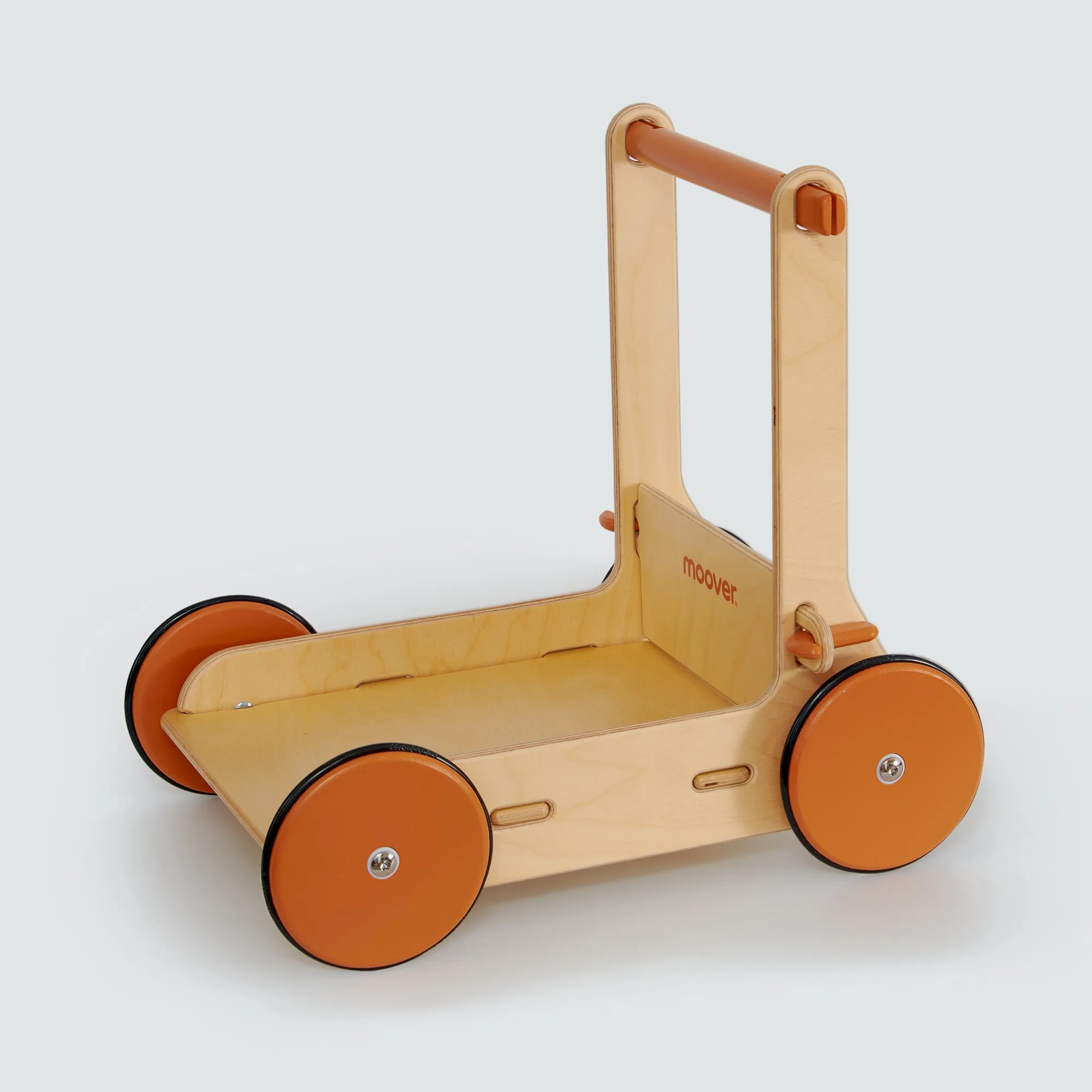
- If your toddler is learning to stand and walk: Choose a wooden walker or ride-on with a stable base and a reachable handle. The Baby-Walker Brown is built for the sit-to-stand, roll, and push sequence. Skip soft toys for this skill; they cannot give the physical feedback a new walker needs.
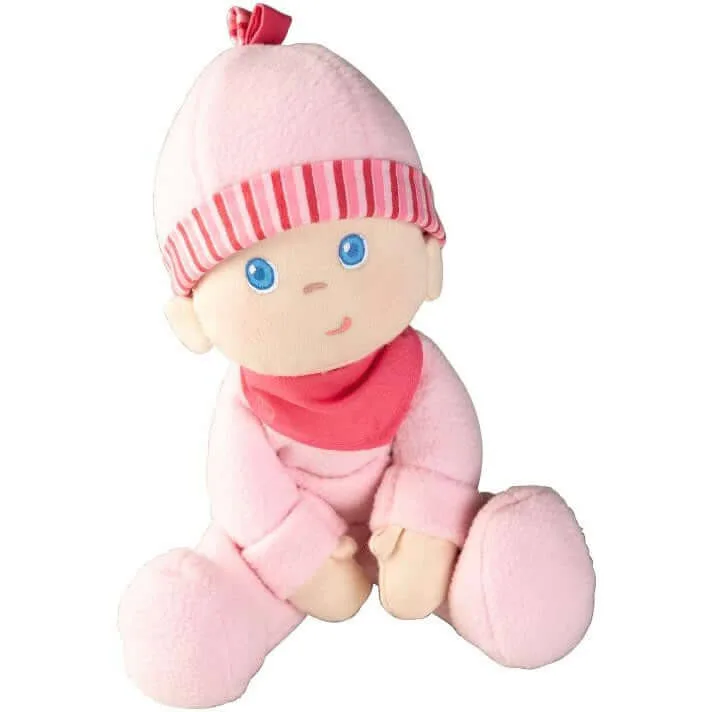
- If your toddler mouths everything: Choose a soft toy with printed facial features and sewn-on clothing, such as the Snug-up Doll Luisa, which is described as safe and chewable. Avoid wooden toys with small removable parts until the mouthing stage passes.
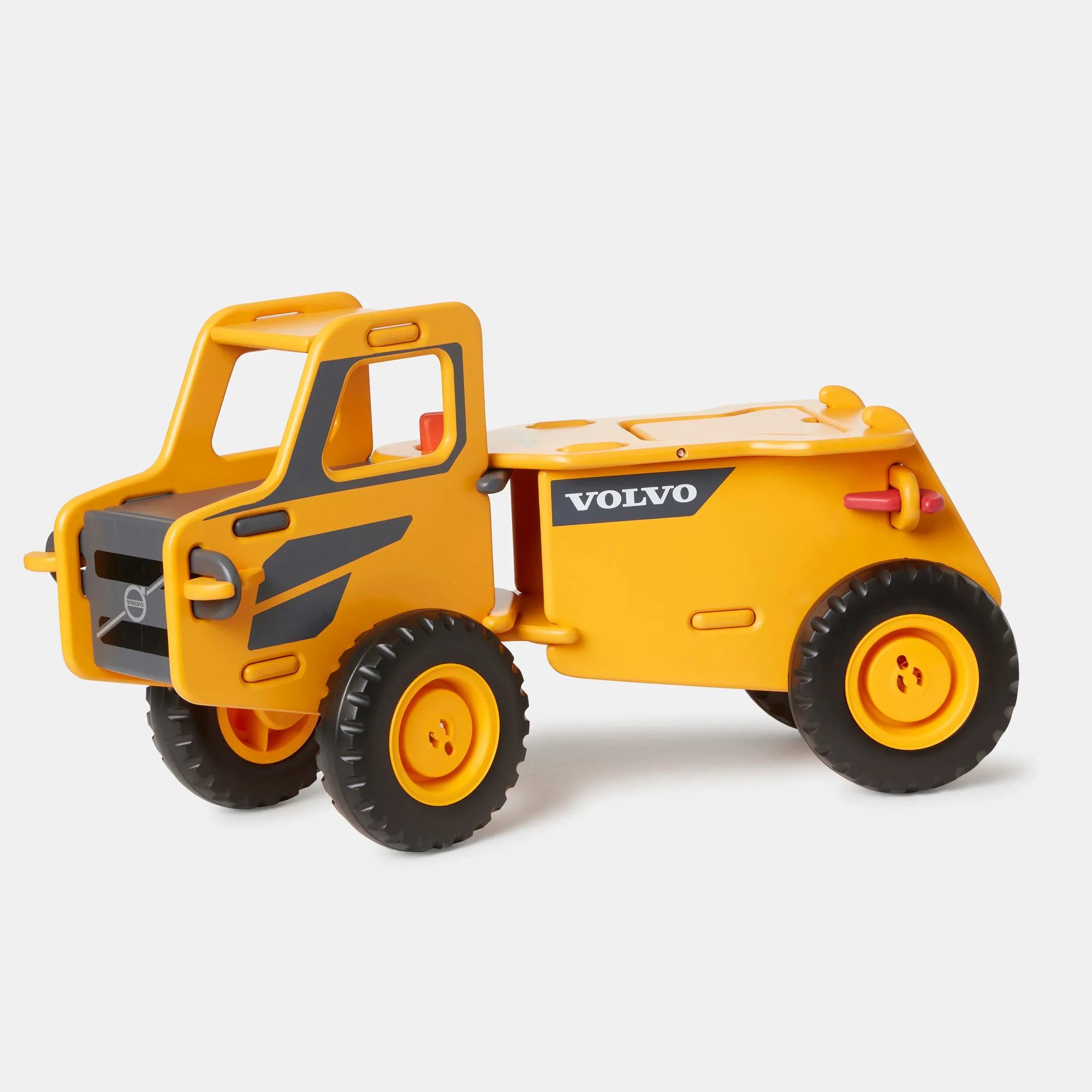
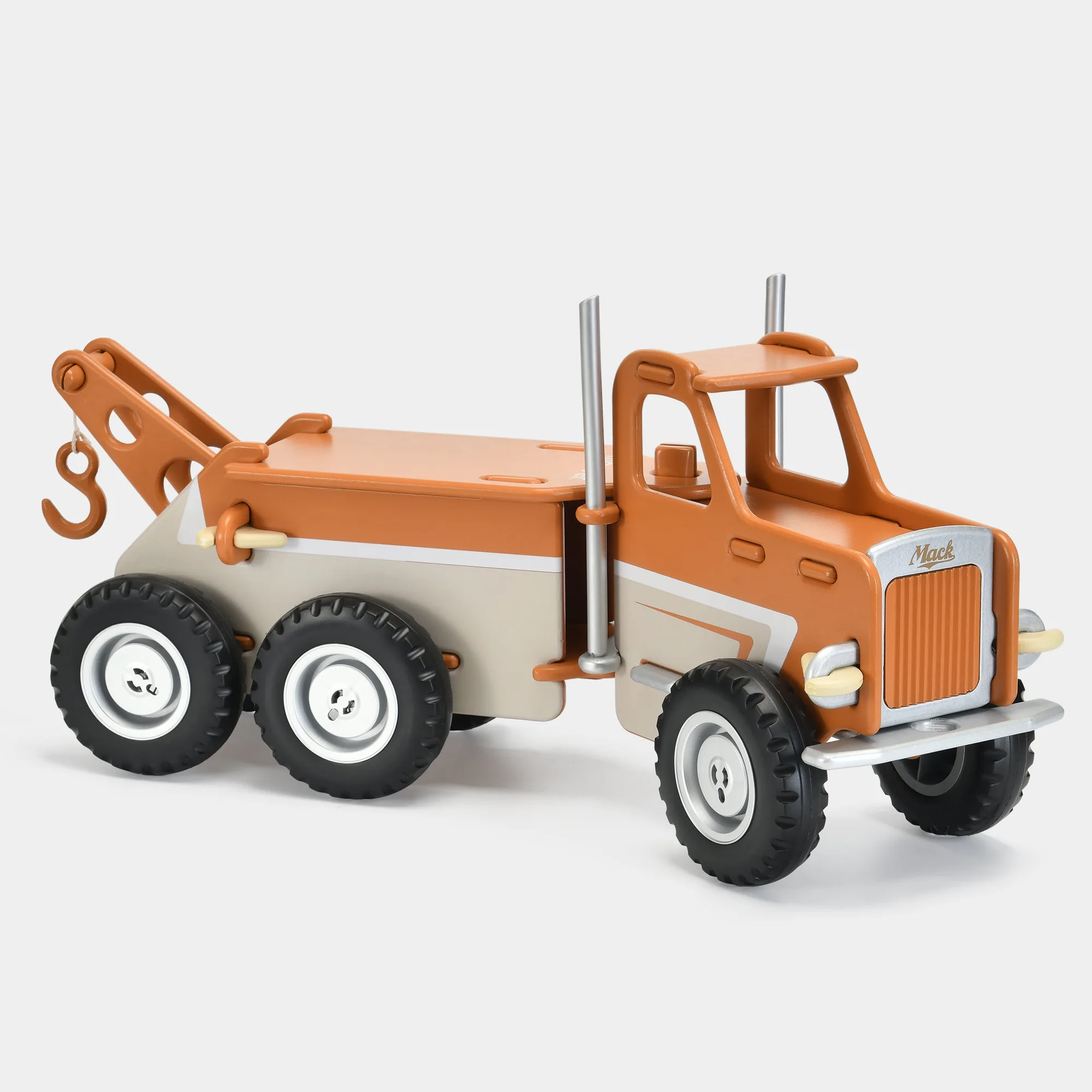
- If you want one toy to last several stages: Choose a ride-on with a hidden storage compartment, like the Volvo Ride-On Truck - Yellow or the Mack Ride-On Truck Brown, so it stays useful after the riding phase. Check the age guidance on the product page before buying.
- If your toddler is starting pretend play: Choose a doll stroller or a first doll to support nurturing and language. The Traditional Doll Stroller Natural + pink includes free bedding. Pair one soft doll with one push toy rather than buying several of the same type.
Catalog facts that matter
- Baby-Walker Brown: Designed in Denmark, this Baby Walker supports your little one's developmental journey from sit-to-stand, roll, push, to their first steps. It covers several movement stages in one toy, so it stays useful as your toddler's balance improves.
- Volvo Ride-On Truck - Yellow: The Ride-On Truck is sturdy and dependable to promote mobility and comes with a hidden storage compartment, and it operates with no noise. The quiet rolling and storage make it practical indoors, and the storage keeps it useful after the riding stage.
- Mack Ride-On Truck Brown: This Moover Partners, MACK licensed toy comes with a hidden storage compartment and a towing hook to add more play value. The towing hook extends pretend play, so the toy supports both movement and scenario building.
- Traditional Doll Stroller Natural + pink: The traditional Danish-designed Dolls Stroller is sturdy and dependable, and free bedding is included with every purchase. It supports nurturing pretend play and the included bedding means no extra purchase to start playing.
Who this approach fits
Best for
- Parents of toddlers around 18 months to 3 years who want toys matched to a specific skill
- Families who prefer a small number of durable, open-ended toys over a large collection
- Gift buyers who know the child's stage and want a toy that lasts more than one season
Not for
- Shoppers looking for electronic toys with lights, sounds, or screens
- Families who need toys that fold flat or pack into a small bag for frequent travel
- Buyers who want a single toy to cover every skill from walking to pretend play
Pick the skill first, then the material. A wooden walker or ride-on handles movement and building, a soft doll handles comfort and language, and a small mix of both gives your toddler a play space that grows with them.