Running a successful restaurant depends on more than great food and service; it hinges on the efficiency of your back of house. A well-organized storage system not only saves time but also reduces waste, prevents accidents, and helps maintain food safety standards. If you're struggling with cluttered shelves, misplaced ingredients, or inefficient workflows, it's time to rethink your storage strategy.
In this guide, we'll walk you through the essential steps to create an efficient storage system for your restaurant's back of house. From assessing your needs to implementing smart solutions like Cambro storage products, you'll learn how to optimize every square foot of your kitchen.
Assess Your Storage Needs
Before diving into reorganization, take a thorough inventory of your kitchen. List all the items you need to store—dry goods, fresh produce, prepared foods, cookware, and smallwares. Note their quantities and sizes. This assessment will help you determine the types and sizes of storage containers and shelving required.
Consider your menu and daily operations. A busy breakfast spot may need quick access to dairy and eggs, while a fine-dining restaurant might prioritize storing delicate ingredients. Understanding your specific needs ensures you invest in the right storage solutions, avoiding wasted space and unnecessary purchases.
- Conduct a full inventory of all food items, supplies, and equipment.
- Identify high-turnover items that need easy access.
- Measure your available space, including under counters and in walk-ins.
Maximize Vertical Space with Shelving
One of the most effective ways to increase storage capacity is to utilize vertical space. Wall-mounted shelving systems can free up floor space and keep frequently used items within reach. The Wall Shelving Station Kits from Cambro offer sturdy, adjustable shelves that can be configured to fit your kitchen's layout.
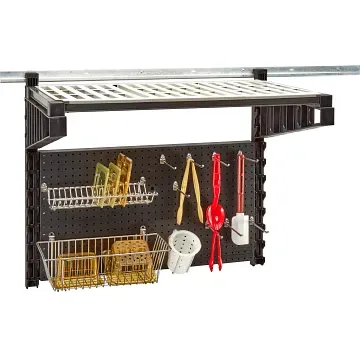
Wall Shelving Station Kits
For a more flexible solution, consider using Universal Shelf Brackets to create custom shelving that fits your exact needs. These brackets allow you to add shelves to existing structures, maximizing every inch of your back of house. Remember to leave adequate space between shelves for easy access and to accommodate taller items like food storage containers.
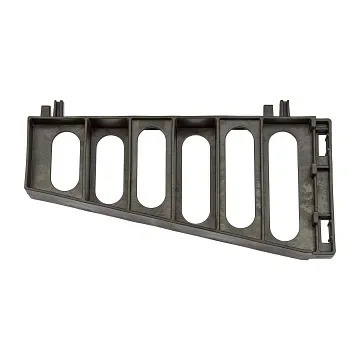
Universal Shelf Brackets
- Install wall-mounted shelves to keep counters clear.
- Use adjustable brackets to customize shelf heights.
- Place frequently used items on middle shelves to reduce reaching and bending.
Choose the Right Storage Containers
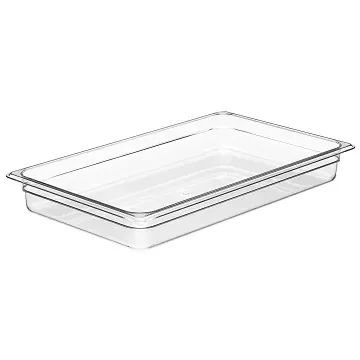
The containers you choose play a critical role in maintaining food quality and organization. Cambro offers a wide range of food storage pans, including the Food Storage Pans - Camwear®, which are durable, clear, and stackable. These pans are perfect for storing prepped ingredients, leftovers, and dry goods, and their transparency makes it easy to identify contents at a glance.
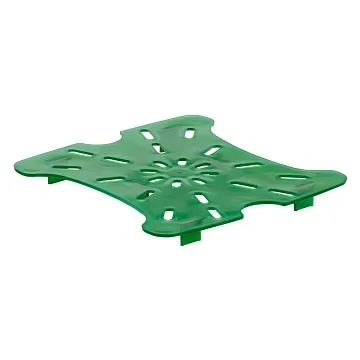
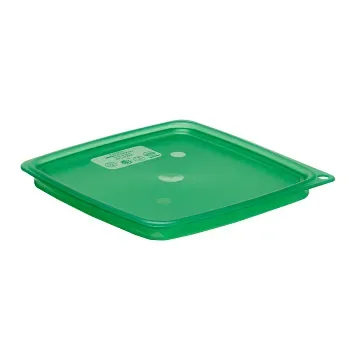
For produce and items that need drainage, the Camsquares® FreshPro Drain Shelves – Translucent are an excellent choice. They allow air circulation to keep fruits and vegetables fresh longer, reducing spoilage. Pair them with the Camsquares® FreshPro Easy Seal Covers – Translucent to create airtight seals that lock in freshness and prevent cross-contamination.
- Use clear containers to quickly identify contents and reduce search time.
- Opt for stackable designs to maximize shelf space.
- Choose containers with airtight seals to extend shelf life.
Implement a Labeling System
A consistent labeling system is essential for an efficient back of house. Clearly label all containers with the contents and date of storage. This practice not only helps staff find items quickly but also ensures proper rotation and reduces food waste.
Use color-coded labels for different food categories (e.g., red for meat, green for produce) to prevent cross-contamination. Train your team on the labeling system and make it a standard operating procedure. This simple step can significantly improve organization and food safety.
- Label every container with content and date.
- Use color-coded labels to indicate food type.
- Implement a 'first in, first out' rotation system.
Optimize Storage for Mobility and Efficiency
In a busy kitchen, mobility is key. Mobile storage solutions allow you to move ingredients and supplies to where they're needed, reducing unnecessary trips and saving time. The Cam GoBox® Camdolly® Compact is designed to transport multiple Cam GoBoxes at once, making it easy to move bulk ingredients or prepared dishes.
For larger loads, the Cam GoBox® Full Size Top Loaders are ideal for transporting and storing large quantities of food. These durable containers can be stacked and moved with a dolly, streamlining your workflow. By integrating mobile storage into your system, you can adapt to changing needs throughout service.
- Use mobile carts or dollies to transport heavy loads.
- Invest in stackable containers that can be easily moved.
- Position mobile storage near prep areas to reduce movement.
Creating an efficient storage system for your restaurant's back of house is an ongoing process that pays off in improved efficiency, reduced waste, and a safer kitchen. By assessing your needs, maximizing vertical space, choosing the right containers, labeling everything, and incorporating mobile solutions, you can transform your kitchen into a well-oiled machine. Start implementing these strategies today and experience the difference a well-organized back of house makes.