Quick answer
For a typical toddler on a balance bike, knee and elbow pads are optional. The bike is low, speeds are slow, and most falls are a step-off or a tip-over, not a slide. A certified helmet is the one piece of balance bike safety gear worth buying first. Add toddler bike pads if your child is a confident, fast glider, rides on slopes or mixed pavement, or simply asks to wear them.
Why balance bike falls are different from scooter or pedal-bike falls
On a balance bike, your child's feet are the brakes and the landing gear. When balance goes wrong, they usually plant a foot, step off, or sit down with the bike beside them. That is a low-energy fall onto a padded diaper, not a slide across asphalt at speed. Elbow and knee pads for kids are designed for the second kind of fall, which is why they matter more on scooters, pedal bikes, and skateboards than on a first balance bike.
The tradeoff is real, though. Pads add weight, bulk, and a dressing routine before every ride. A toddler who is uncomfortable or overheating may resist the bike altogether, which slows the balance learning that makes them safer later.
When knee pads are worth adding
There is no single age or month when pads become necessary. Instead, watch how your child actually rides. If any of these apply, toddler bike pads earn their place in the gear bag.
- Your child glides with both feet up for long stretches and is starting to seek speed.
- You ride on slopes, gravel, or mixed pavement rather than flat, smooth paths.
- Your child is transitioning to a pedal bike or already rides a scooter fast.
- Your child has scraped a knee before and now hesitates to ride. Pads can restore confidence faster than a pep talk.
- Your child asks for pads because an older sibling or friend wears them.
How to choose kids knee pads for a balance bike
Fit matters more than padding thickness at this stage. A pad that slides down mid-ride protects nothing and becomes a distraction. Measure around the knee with a soft tape, then check the brand's size chart rather than buying by age. Look for a sleeve-style pad with a silicone gripper band or an adjustable strap, because toddlers' legs change shape quickly.
For elbow pads, prioritize a soft, flexible shell over a hard cap. Hard caps are built for high-speed sliding, which is not what happens on a balance bike, and they restrict the arm bending a child needs to steer and catch themselves. Whatever you choose, wash the pads by hand and air-dry them; sweat and sunscreen break down elastic quickly.
What to buy first if you are building balance bike safety gear
Order of purchase matters more than brand matching. A properly fitted, certified helmet comes first, every ride, no exceptions. Closed-toe shoes come second, because bare toes and sandals are the most common source of balance bike injuries. Pads come third, and only if your riding conditions or your child's confidence call for them.
If your child is still on a rocking or crawling-stage bike indoors, pads are unnecessary. Save the money for the helmet and for the transition to a bigger bike, when speeds rise and pads start to matter.
Balance bike pad questions parents actually ask
At what age should a child start wearing knee pads?
Age is a weak guide. A cautious three-year-old on a flat path needs less protection than a fearless two-year-old bombing a driveway slope. Use riding behavior and surface, not birthdays. Add pads when speed, slope, or confidence rises, not on a fixed date.
Can my child wear knee pads over pants?
Sleeve-style pads grip better against bare skin or thin leggings. Over loose pants they slide, and a sliding pad is worse than no pad because it can twist on impact. Fit pads to skin or thin layers, then check the gripper band before every ride.
Do elbow pads interfere with steering a balance bike?
Bulky hard-shell elbow pads can restrict the arm bend toddlers use to reach the bars and catch a fall. Soft, flexible pads with a low profile are the better choice for this stage. If your child cannot comfortably bend their arms, size up or switch to a softer pad.
Are pads required at a balance bike race or event?
Requirements vary by organizer, and many balance bike events mandate long sleeves, long pants, closed-toe shoes, and a certified helmet rather than specific pads. Check the event rules before you buy. Confirm the event's gear list first so you do not buy pads you will not use.
How do I get a toddler to keep pads on?
Let them pick the color, put the pads on before the helmet so the routine feels fixed, and keep sessions short at first. If a child fights pads every time, drop them and focus on helmet consistency instead. A helmet worn every ride beats a full pad set worn twice.
Product facts that affect your gear decision
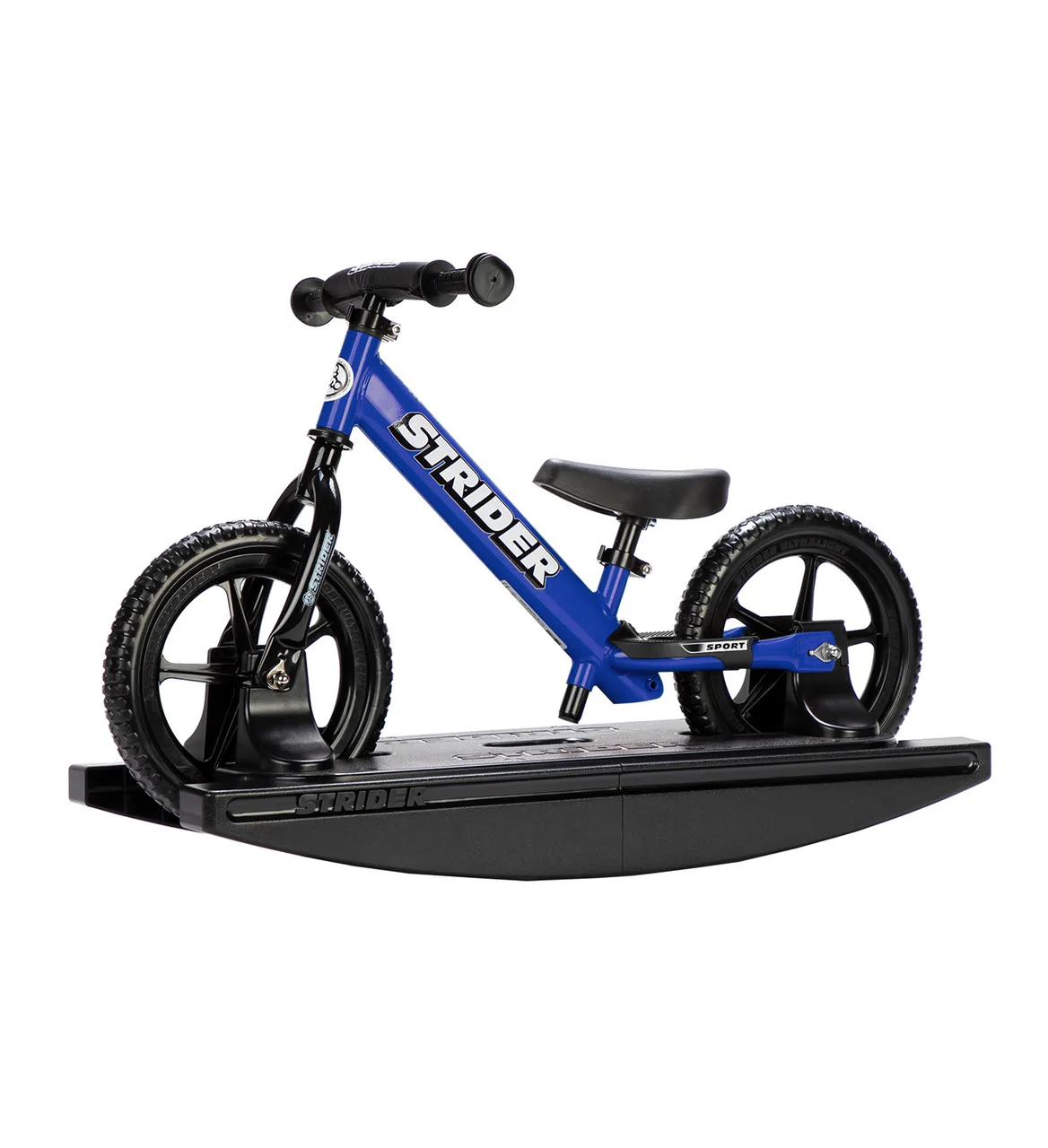
- Strider Sport 2-in-1 Rocking Bike: The Strider Sport 2-in-1 Rocking Bike is designed for babies who are crawling and not yet riding, converting between rocking and balance bike modes. At the rocking stage, your child is stationary or moving inches at a time. Knee and elbow pads add nothing here, so put the budget toward a helmet instead.
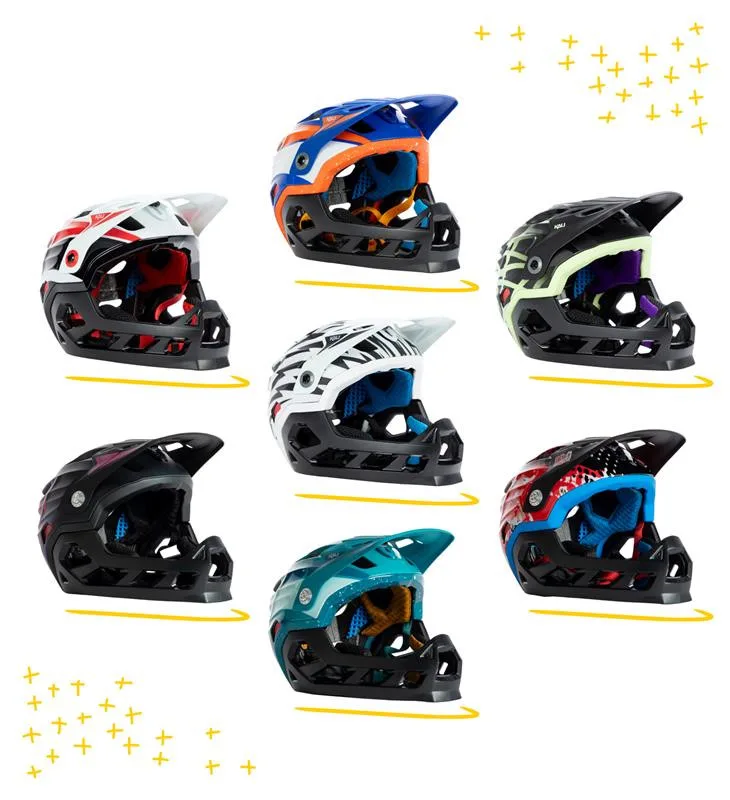
- Kali Maya Full Face Helmet: The Kali Maya Full Face Helmet converts from a full-face configuration to an enduro-style lid with two buttons, and uses Composite Fusion with a Quad-Core low-density layer for low-g impacts. If you are deciding where safety money goes, a convertible certified helmet covers both the cautious early rider and the faster trail rider, which is more useful than a pad set your toddler may refuse to wear.