Quick Answer
For most large dogs, seniors, or dogs with neck or joint issues, an elevated dog bowl is the better daily setup because it reduces how far your dog reaches down to eat. A floor bowl is still a sensible choice for small dogs, casual outdoor use, and anyone who wants zero setup. The deciding factor is your dog's height at the shoulder and whether mealtime visibly looks uncomfortable.
How Bowl Height Changes Your Dog's Posture
When a dog eats from the floor, the neck bends downward and the front legs bear more weight. For a tall dog, that reach is longer, and for an older dog with stiffness, the repeated motion can look awkward. A raised bowl brings the food closer to the natural standing head position, so the dog swallows with less neck extension. That is the core of dog bowl ergonomics: matching the bowl rim to the dog, not to the room.
What Raised Dog Bowl Benefits Actually Look Like
The practical raised dog bowl benefits are easier eating posture, less food scattered across the floor, and a tidier feeding station. Elevation also keeps bowls off cold concrete or tile, which matters in winter or in a garage. None of this requires a special product category: a sturdy stand or an inverted heavy bowl can do the job, as long as it does not slide or tip when your dog pushes into it.
Where Floor Bowls Still Win
Floor bowls are simpler to clean, cheaper to replace, and easier to move between rooms or take on trips. For a small dog, a floor bowl may already sit near chest height, so raising it can force an unnatural reach upward. Floor bowls also suit dogs that graze slowly, because there is no stand to bump or tip. If your dog eats calmly and shows no strain, the floor bowl is not a problem to fix.
Finding the Best Dog Bowl Height
Measure your dog at the top of the shoulder while standing, then aim for a bowl rim roughly level with the lower chest. A dog that has to lower its head more than a few inches is probably reaching too far; a dog that has to lift its chin to eat is too high. Watch one full meal after any change. If your dog steps back, paws at the bowl, or coughs, adjust the height before committing to a new setup.
Elevated vs Floor Bowl Trade-Offs
- Elevated bowl: Reduces neck reach and can be easier for tall, senior, or stiff dogs; adds a stand to clean around and may be too high for a small dog. Choose elevated if your dog lowers its head sharply to eat or has trouble getting up after meals.
- Floor bowl: No setup, easy to wash, and natural for small dogs; a tall dog may hunch or gulp air while reaching down. Keep the floor bowl if your dog eats comfortably and you value simplicity.
- Stability and material: A raised setup only helps if it stays put; a sliding stand can cause more strain than a stable floor bowl. Test with a gentle nudge before your dog eats from it.
Products That Support Either Setup
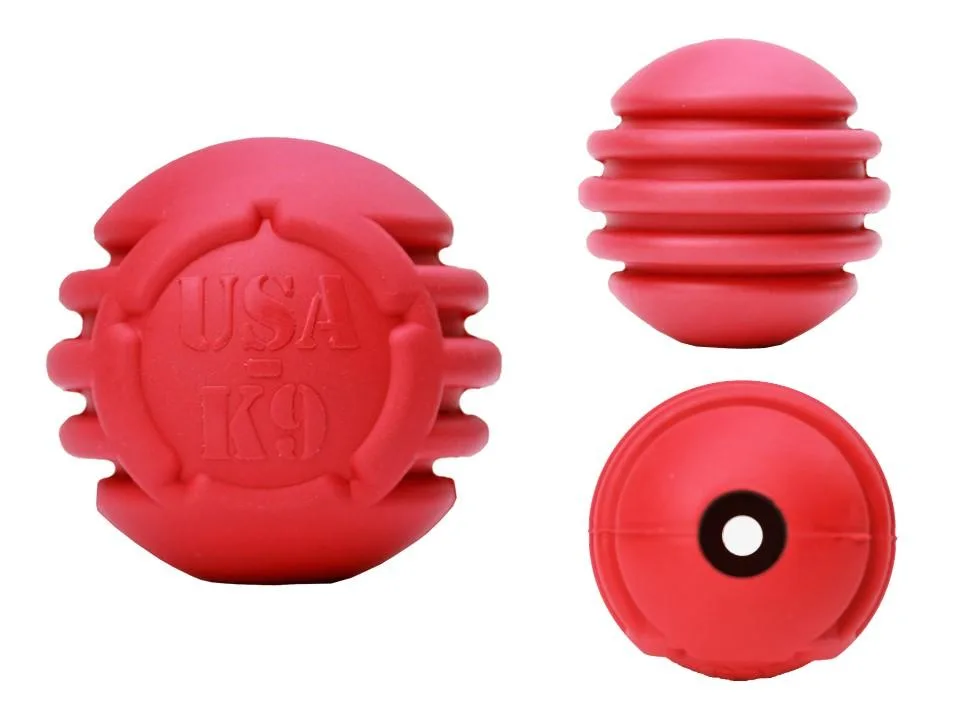
- NEW! K9 Power Chewer Tough Rubber Ball: K9 Power Chewer Tough Rubber Ball is a chew-proof ball for dogs described as strong, wear-resistant, and fortified for aggressive chewers. A durable chew toy gives a power chewer an outlet that is not the bowl stand, which protects your feeding setup.
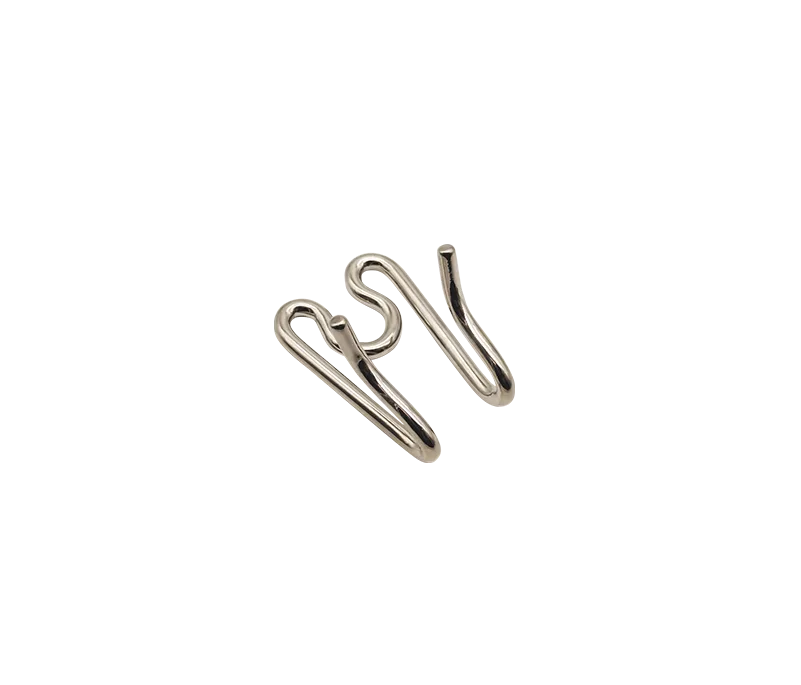
- 3.25mm Stainless Herm Sprenger Ultra-Plus Prong Training Dog Collar Replacement Links: 3.25mm Stainless Herm Sprenger Ultra-Plus Prong Training Dog Collar Replacement Links add length to Herm Sprenger Ultra-Plus Prong Training Dog Collars with a blunt design that attaches to existing links. If mealtime posture work is part of a broader training routine, replacement links let you keep a prong collar properly fitted as your dog's neck size changes.
Which Setup Fits Your Dog?
Best for elevated bowls
- Large or tall dogs that reach far down to eat
- Senior dogs or dogs with neck, shoulder, or joint stiffness
- Owners who want a tidier feeding station with less scattered food
Better with floor bowls
- Small dogs whose bowl already sits near chest height
- Dogs that graze slowly and do best without a stand
- Travel, outdoor, or temporary feeding setups where portability matters