Quick answer
Choose the Ellis backpack if you want a streamlined everyday carry for commuting and office days. Choose the Fletcher backpack if you need more room for travel or gym gear. If laptop protection is your top priority, check the padded compartment on both before deciding.
Size and capacity: how much do you actually carry?
The biggest practical difference between the Ellis and Fletcher is how much they hold. A smaller pack keeps you organized because there is less room to overpack, but it forces choices on days you carry a laptop, lunch, and a change of clothes. A larger pack absorbs those extras without a fight, yet it can feel bulky on a crowded train or under a cafe table.
Before you compare specs, do a one-week carry audit. Put everything you actually take to work or school on a table: laptop, charger, water bottle, notebook, headphones, lunch container. If that pile fits in a slim profile, the Ellis is the easier daily choice. If you regularly add gym shoes, a jacket, or a camera, the Fletcher gives you breathing room.
Laptop compartment and protection
Both packs are designed with a laptop compartment, but the fit matters more than the label. A padded sleeve that suspends your laptop above the bag's base protects it from drops better than a sleeve that sits flush on the bottom. Check whether the compartment is padded on both sides or only one, and whether the zipper opens wide enough to slide a 15- or 16-inch laptop in without forcing it.
If you carry a tablet plus a laptop, look for a second sleeve or a divider. If you only carry one device, a single well-padded compartment keeps the bag lighter and less confusing to pack. Measure your laptop's diagonal screen size and compare it to the stated compartment dimensions rather than trusting a general 'fits most laptops' claim.
Organization and access on the move
Commuting rewards quick access. A top quick-grab pocket for a transit card or phone saves you from swinging the bag off your shoulder at the turnstile. For travel, a luggage pass-through sleeve lets the pack ride on a rolling suitcase, which matters more than an extra interior pocket on a long airport day.
Think about how you load the bag. Front-loading panels make it easy to see everything at once, while top-loading designs keep contents secure but require digging. If you switch between work and gym in the same day, a separate shoe or wet compartment prevents a damp towel from touching your laptop sleeve.
Comfort and carry feel
A loaded backpack transfers weight to your shoulders and hips, so strap design changes the experience. Wider, padded shoulder straps distribute pressure better than thin ones, and a sternum strap keeps the pack from sliding when you bike or run for a train. A padded back panel with airflow channels reduces sweat on warm commutes.
Weight matters most when the bag is full. If your typical load is under about 10 pounds, strap differences are minor. If you carry a heavy laptop and books daily, prioritize a pack with a hip belt or load-lifting straps, and test it loaded rather than empty in the store.
Trade-offs to weigh before you buy
- Capacity vs. bulk: The Fletcher's larger capacity handles travel and gym gear, but a fuller bag is heavier and less nimble on crowded transit. The Ellis stays slim and easy to maneuver but limits what you can add last minute. Pick capacity if your load changes daily; pick a slim profile if your carry is consistent.
- Laptop protection vs. weight: More padding and a suspended sleeve protect your device but add bulk and weight. A minimal sleeve keeps the bag light but offers less drop protection. If you carry a laptop daily, prioritize a suspended, dual-sided padded sleeve.
- Organization vs. simplicity: Many pockets keep small items findable but add zippers and structure. Fewer pockets mean faster packing and a lighter bag. Choose organization if you carry many small items; choose simplicity if you pack the same few things.
Product facts to compare
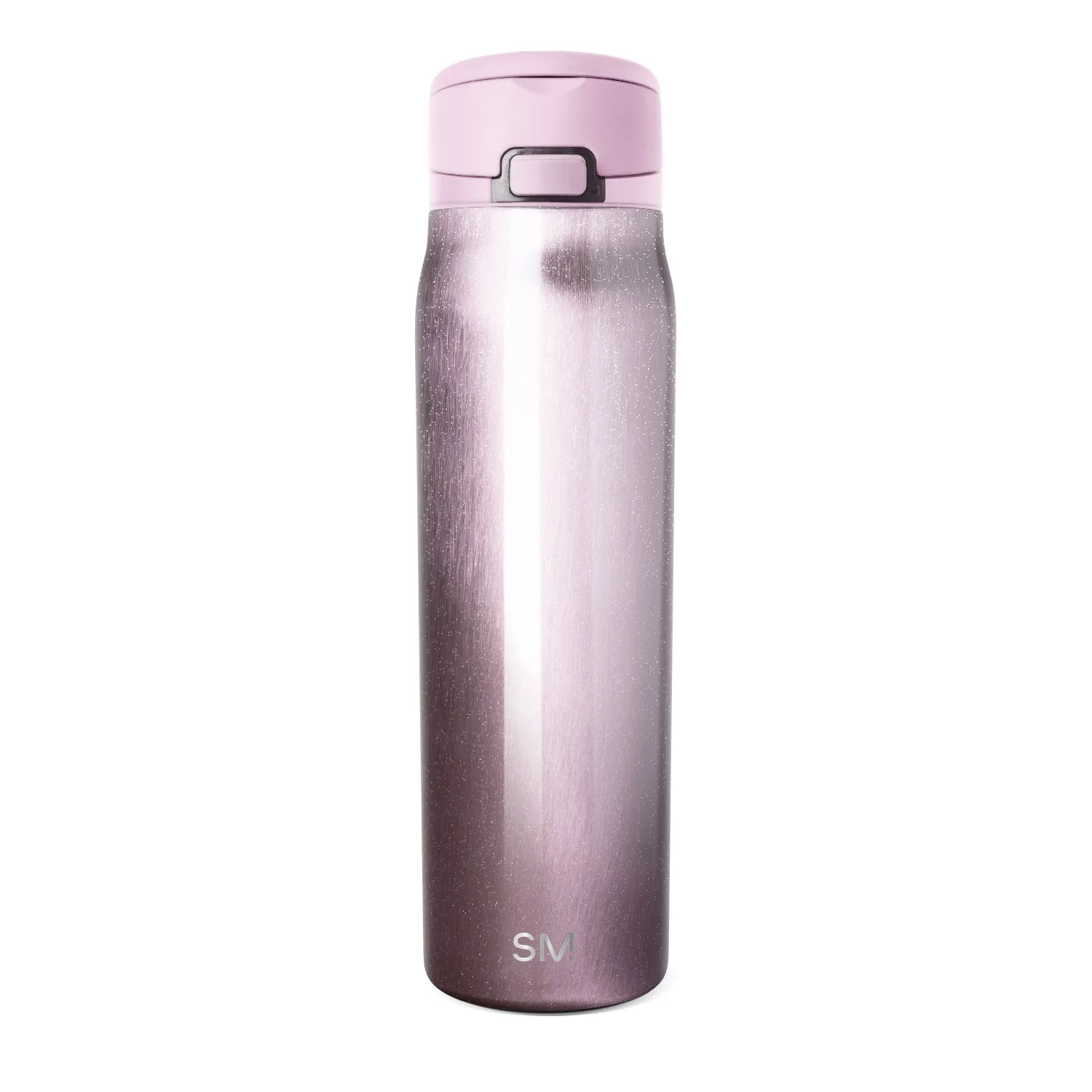
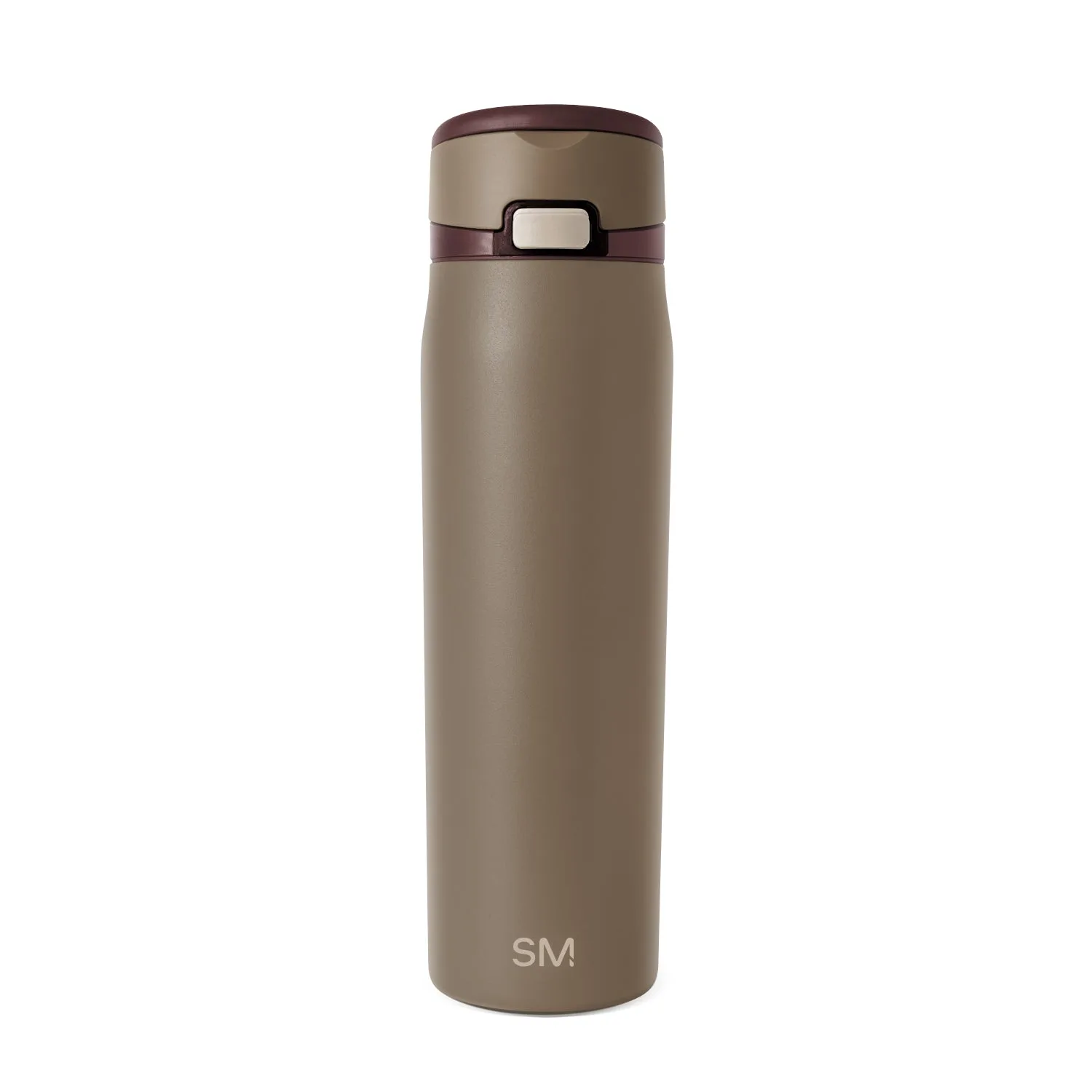
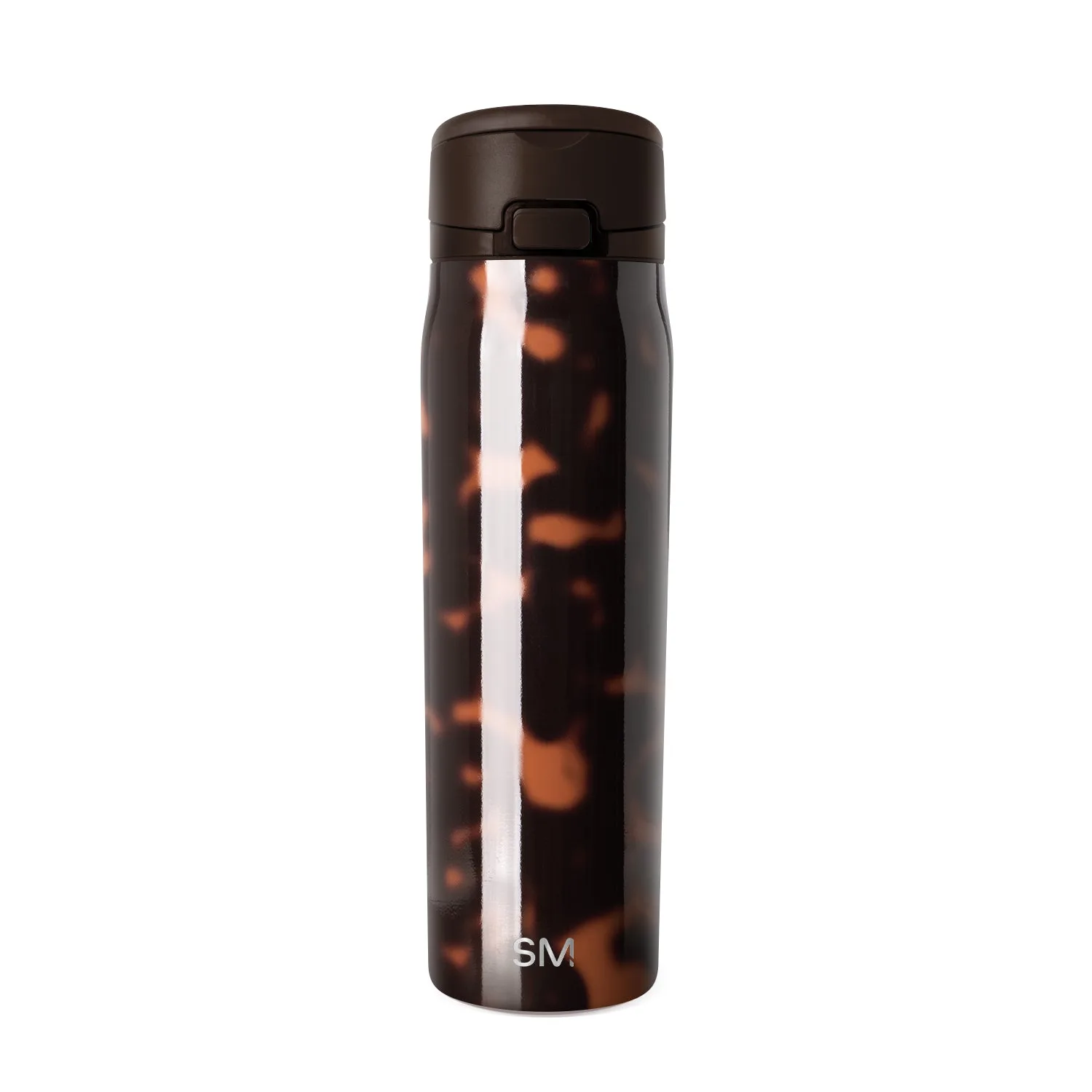
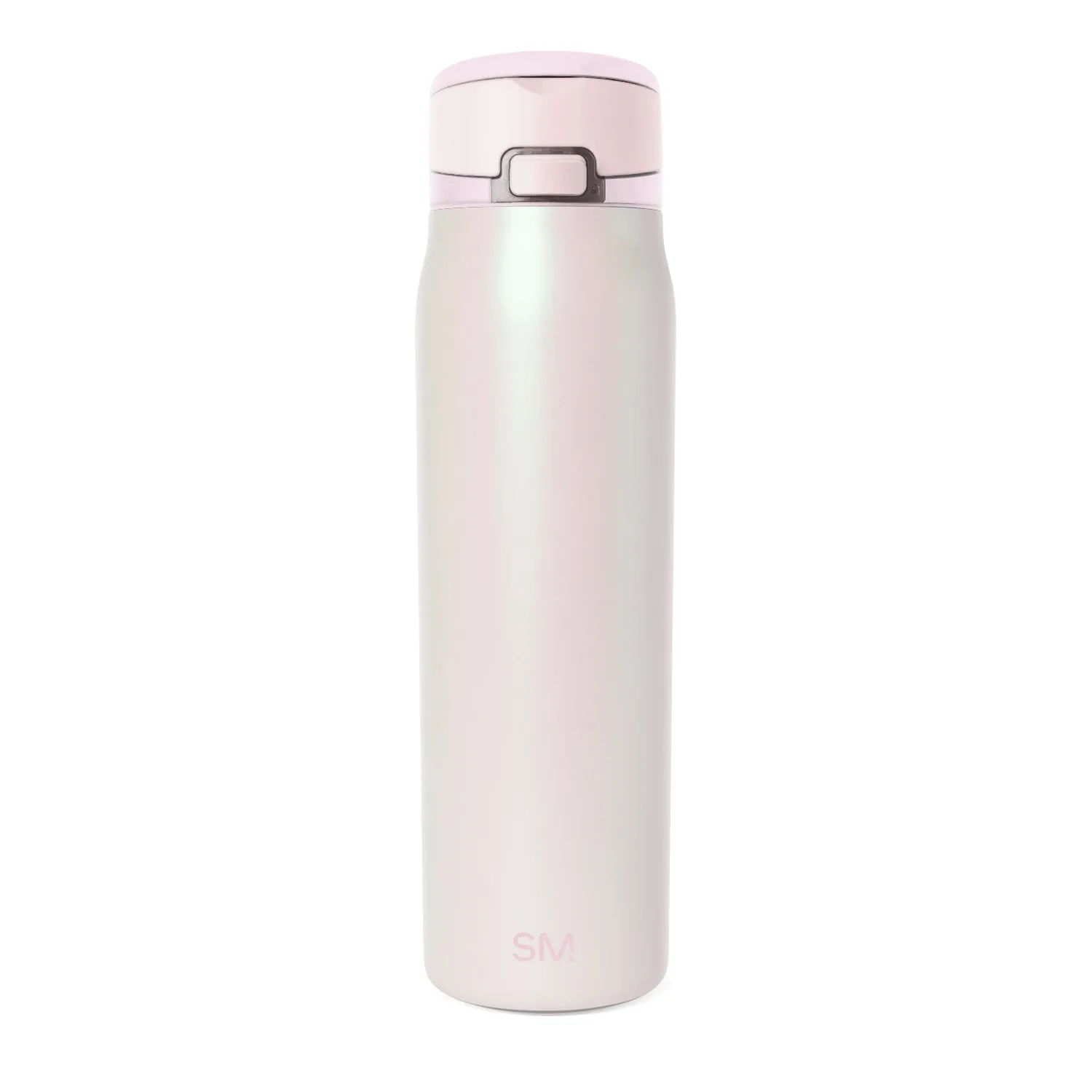
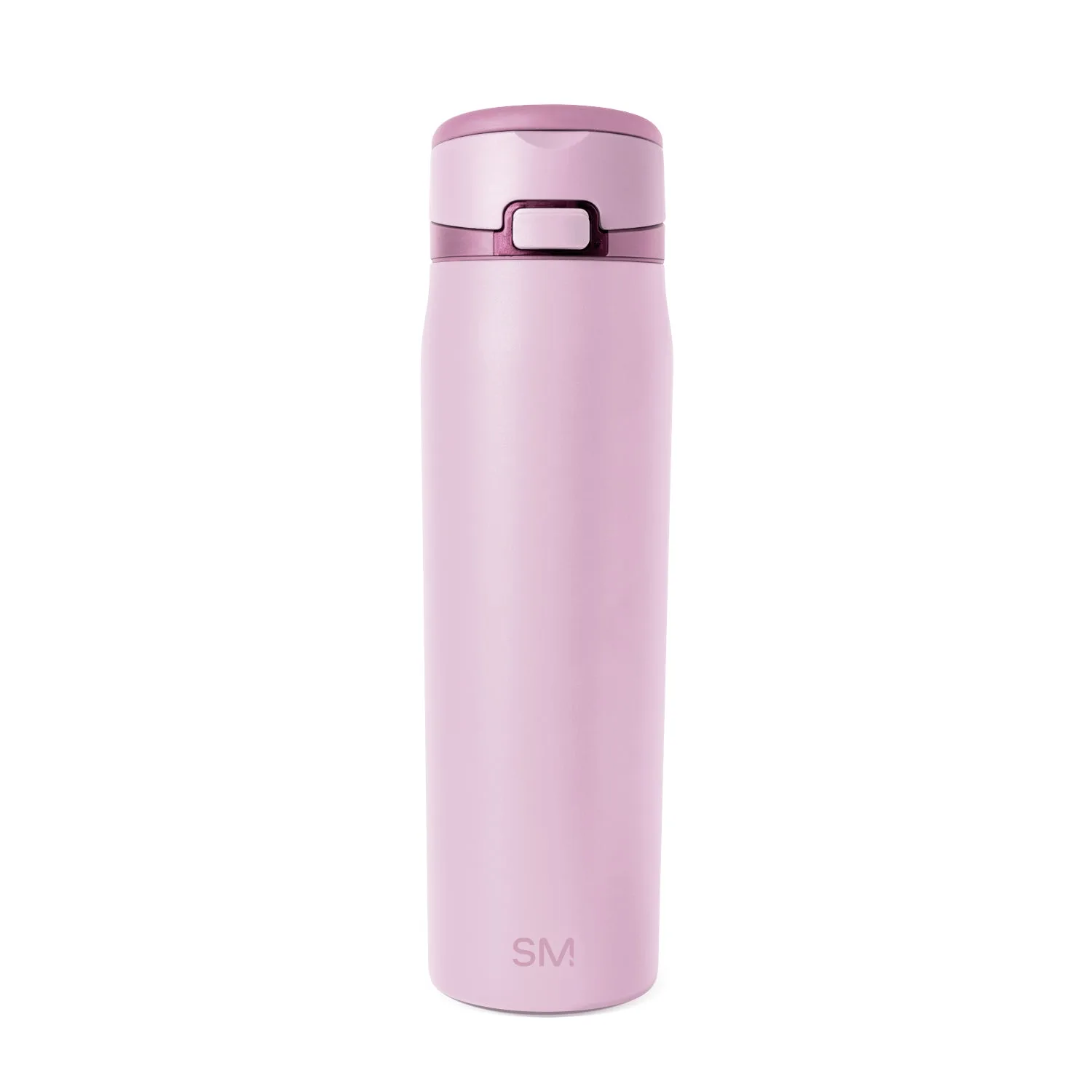
- Mesa Loop with Covered Straw: https://simplemodernhd.com/products/mesa-loop-with-covered-straw-330252https://simplemodernhd.com/products/mesa-loop-with-covered-straw-330253https://simplemodernhd.com/products/mesa-loop-with-covered-straw-330255https://simplemodernhd.com/products/mesa-loop-with-covered-straw-330256Mesa Loop with Covered Straw features a Clean-Lock Covered Lid and a folding loop handle with comfort grip coating. A covered, lockable lid and a one-finger loop make this bottle easy to carry alongside your backpack without leaking in the bag.
- Trek Tumbler: Trek Tumbler is cupholder friendly with a tapered shape and handle, a leak-resistant insulated lid, and two included straws. The tapered base slides into a car cupholder and the included straws mean you can sip one-handed during a commute without removing the lid.
Which backpack fits your day?
Best for
- Commuters who carry a laptop, lunch, and a water bottle and want a slim, quick-access pack
- Office and school days where a consistent, light load is the norm
Not for
- Travelers who need to pack clothes, shoes, and gear in one bag
- Anyone who regularly carries bulky items like a camera kit or gym equipment