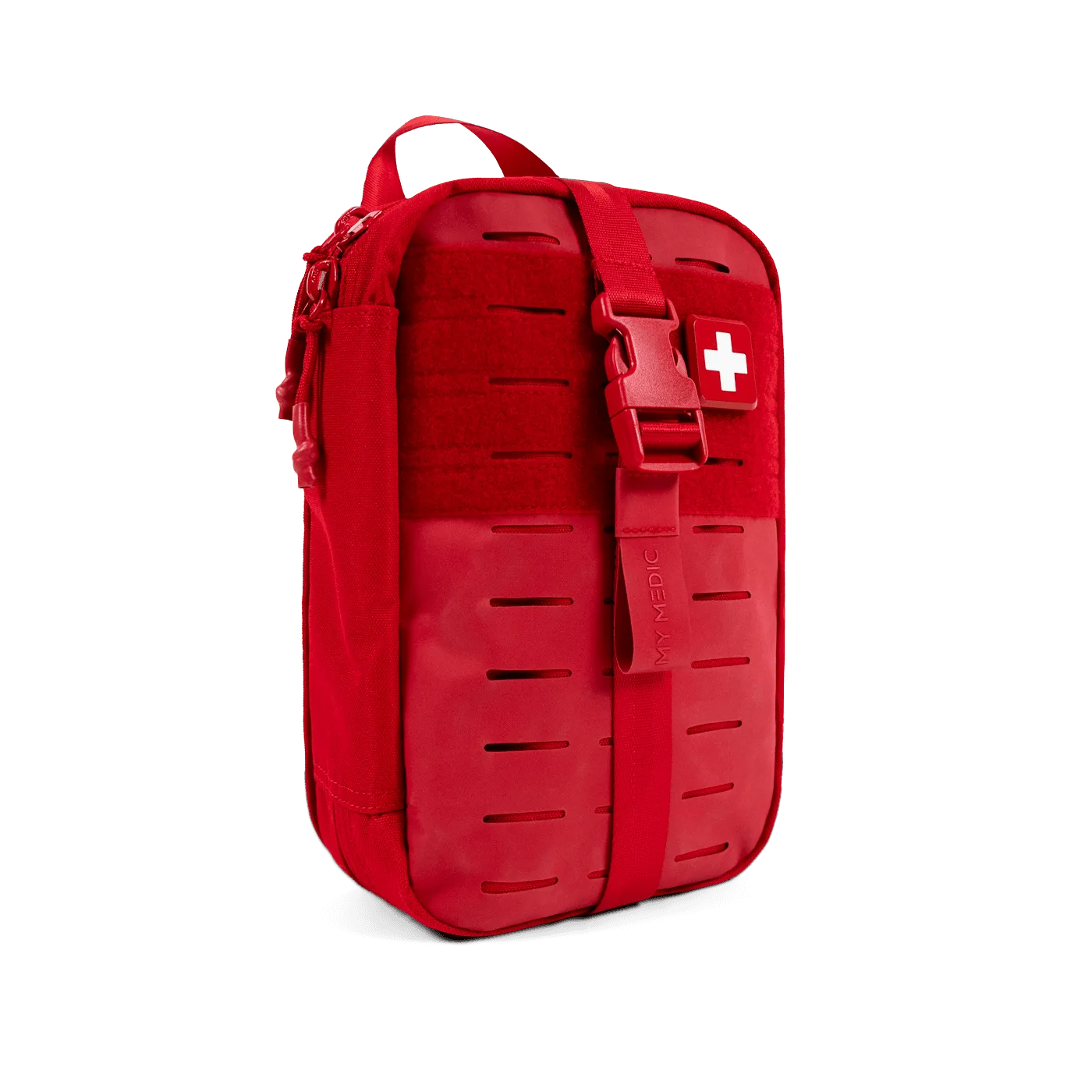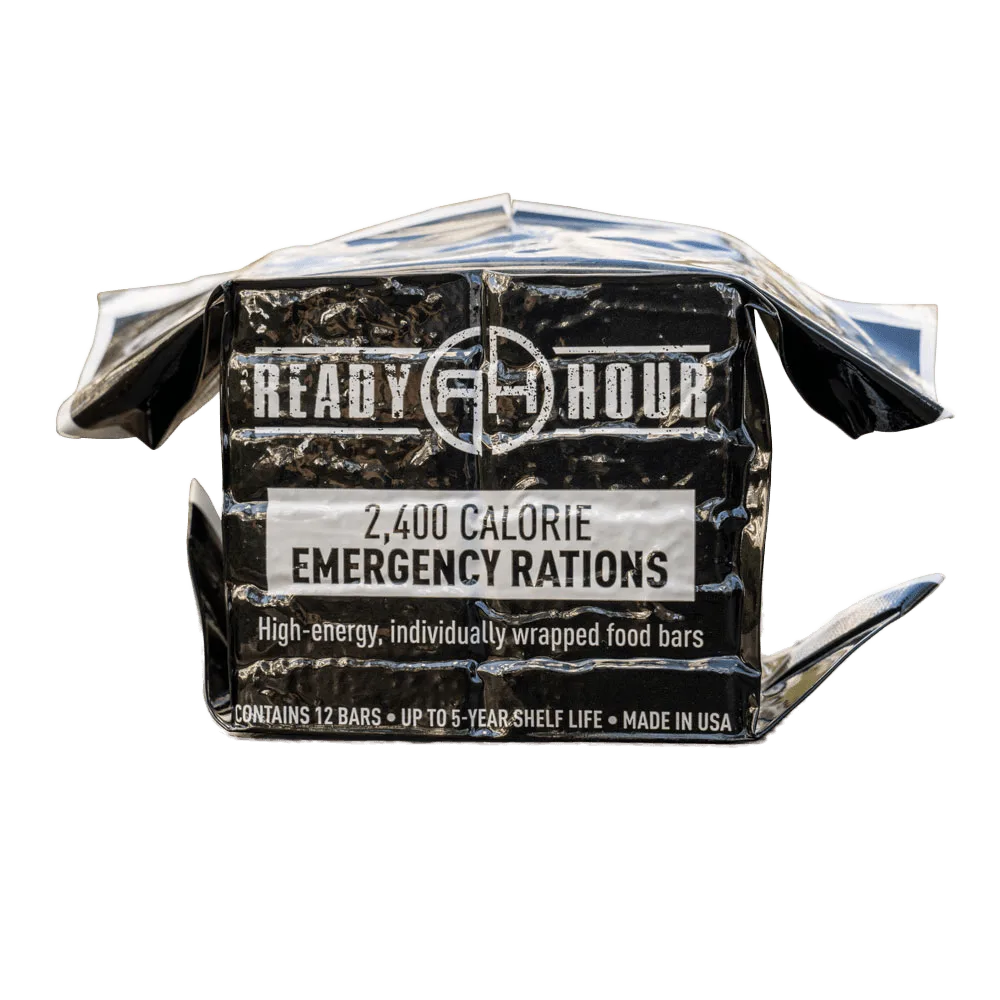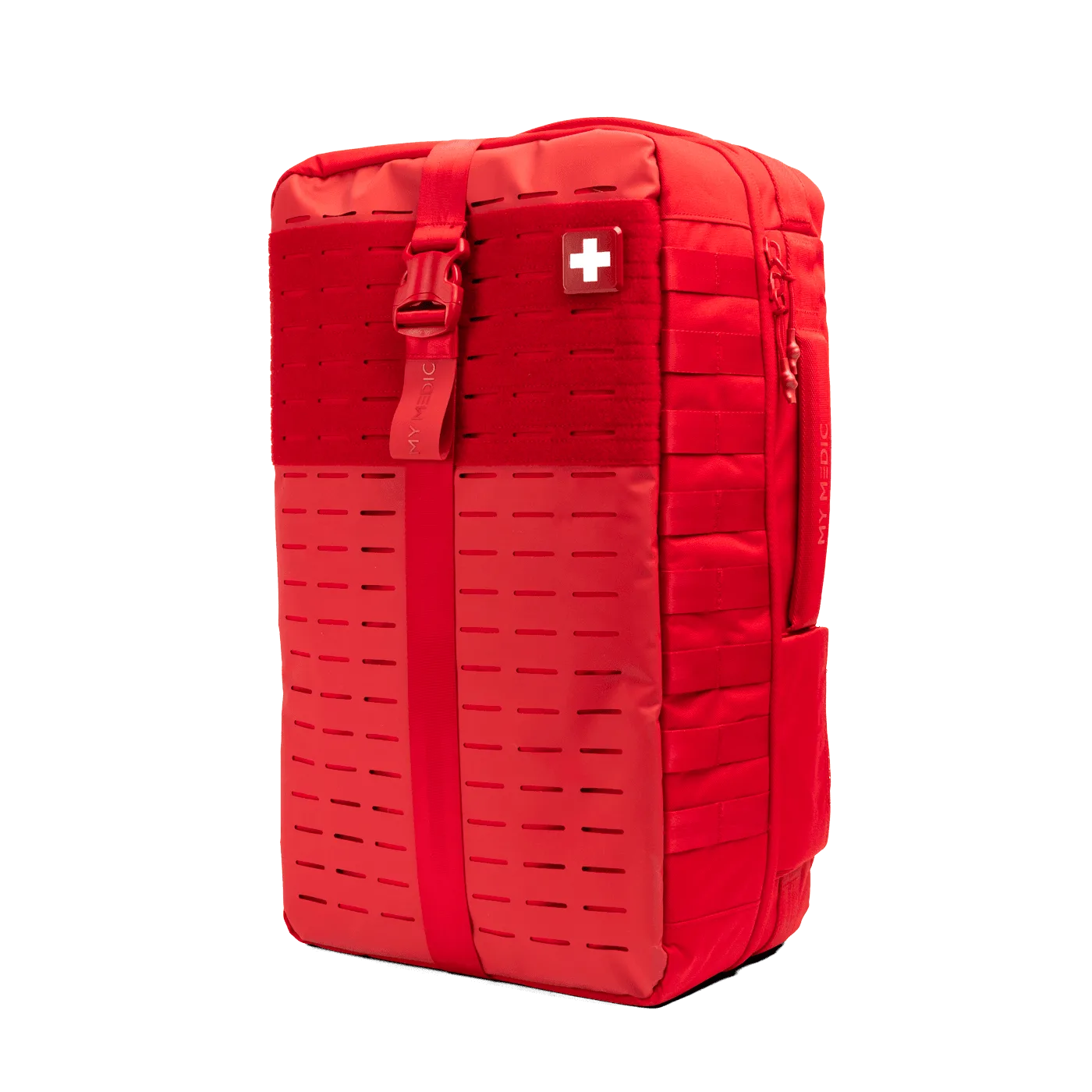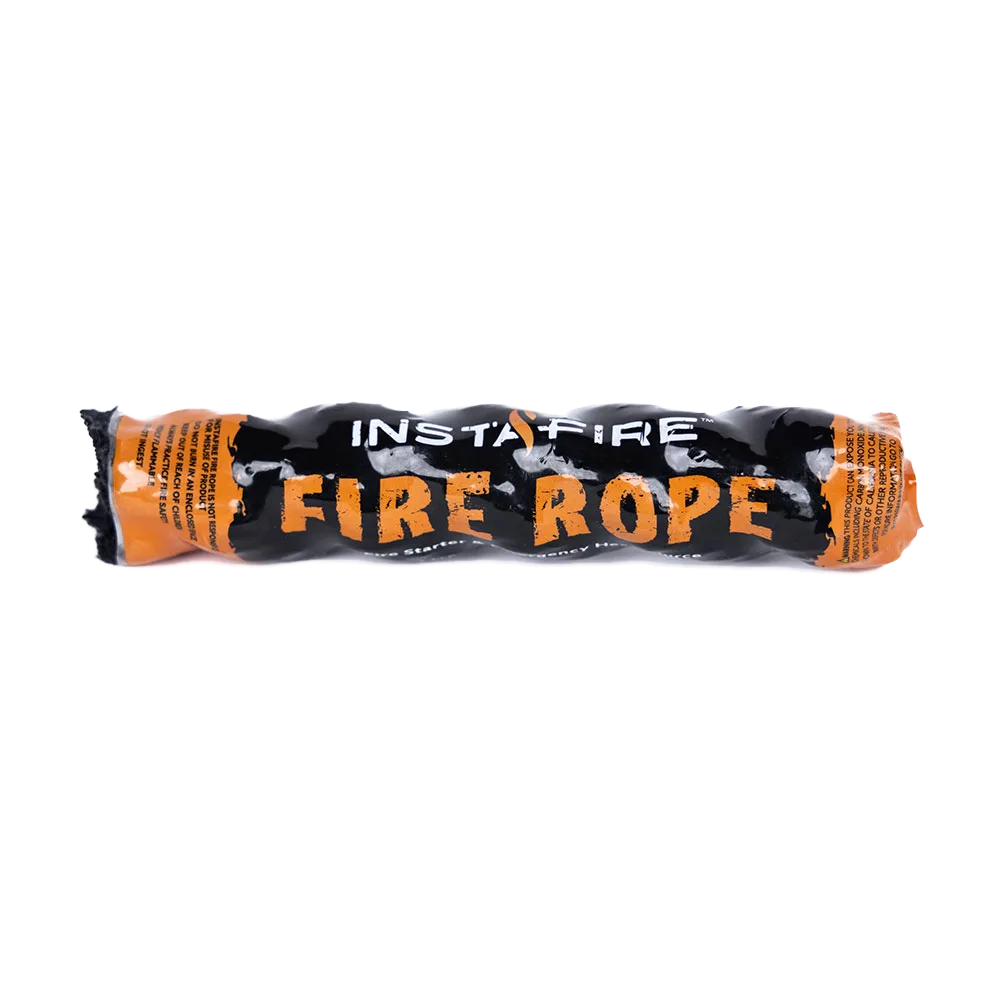
Quick Answer
Emergency food rations are compact, high-energy food bars or pouches designed to sustain you for 72 hours or more during a disaster or outdoor emergency. When building a first aid kit, include rations that have a long shelf life, require no cooking, and provide balanced calories—then store them properly to keep them effective.
When you think of a first aid kit, bandages and antiseptics likely come to mind first. But in a real emergency—whether a natural disaster, a car breakdown in a remote area, or an unexpected night in the wilderness—you may need more than wound care. Your body needs fuel to stay warm, clear-headed, and strong enough to handle the situation. That’s where emergency food rations come in.
Emergency food rations are specially formulated to provide quick energy and essential nutrients in a compact, shelf-stable package. They are not everyday snacks; they are survival tools. Including them in your first aid kit ensures you’re prepared for the 'what if' scenarios that often accompany injuries or emergencies.
What Are Emergency Food Rations?
Emergency food rations are high-energy, non-perishable food products designed to sustain one person for a specific period—usually 72 hours. They come in various forms: compressed bars, pouches of ready-to-eat meals, or even specialized survival food packs. The key features are a long shelf life (often 5 years or more), high caloric density, and minimal preparation requirements.
Unlike regular canned goods, emergency rations are engineered to withstand temperature extremes and rough handling. They are often vacuum-sealed or individually wrapped to protect against moisture and contamination. Some are designed to provide complete nutrition, including carbohydrates, proteins, and fats, to keep your energy up during stressful situations.
- Look for rations that specify a shelf life of at least 5 years.
- Choose options that do not require water or cooking to consume.
- Check the calorie count per serving; aim for at least 200 calories per bar or serving.
Why Include Emergency Food in a First Aid Kit?
A first aid kit is meant to address immediate medical needs, but emergencies often last longer than the initial treatment. If you are stranded or sheltering in place, you may need to wait hours or days for help. During that time, your body needs energy to maintain body heat, fight off shock, and support recovery from injury.
Including emergency food rations in your kit bridges the gap between first aid and survival. It ensures that you and anyone you are helping have the strength to move, communicate, and make decisions. This is especially important in outdoor or remote settings where help may be delayed.
- Add at least one day’s worth of food per person to your kit.
- Rotate food items according to their expiration dates to keep them fresh.
How to Choose Emergency Food Rations
When selecting emergency food rations, consider the following factors: shelf life, nutritional content, taste, and packaging. Shelf life is critical—look for products with a long shelf life, such as 5 years or more, to minimize replacement frequency. Nutritional content should provide a balance of carbohydrates, proteins, and fats, with enough calories to sustain energy levels.
Taste matters more than you might think. In a stressful situation, you need food that you and others will actually eat. Some rations are known for being bland or chalky, so it’s wise to try a sample before stocking your kit. Packaging should be durable and easy to open, even with cold or injured hands.
Consider the climate you live in or travel to. If you are in a hot, humid area, choose rations that can withstand high temperatures without melting or spoiling. Conversely, in cold climates, food that can be eaten frozen or thawed quickly is advantageous.
- Read the ingredient list to avoid allergens that might affect you or your family.
- Opt for rations that are individually wrapped for portion control and to avoid waste.
How to Store Emergency Food Properly
Proper storage is essential to maintain the shelf life and quality of your emergency food rations. Store them in a cool, dry place away from direct sunlight. Temperature fluctuations can degrade the food and packaging, so aim for a stable environment between 50°F and 70°F (10°C-21°C) if possible.
Keep the rations in their original packaging until you need them. If you transfer them to another container, ensure it is airtight and food-safe. Label each item with the purchase date and expiration date. Check your stock every six months and replace any items that are nearing expiration or show signs of damage.
In a first aid kit, designate a specific compartment for food rations. This keeps them organized and prevents them from being crushed by heavier medical supplies. Consider using a waterproof pouch or bag to protect against moisture.
- Do not store emergency food in areas prone to pests, such as garages or basements.
- Rotate your stock by using older items first and replacing them with new ones.
Decision Rules for Choosing Emergency Food Rations
- Check shelf life: Look for rations with a shelf life of 5 years or more to minimize replacement frequency. Choose rations that fit your replacement schedule.
- Evaluate caloric density: Aim for at least 200 calories per serving; consider your activity level and climate. Select higher-calorie options for cold climates or high exertion.
- Assess packaging durability: Ensure packaging is sturdy, waterproof, and easy to open without tools. Test opening a sample to ensure usability in emergencies.
- Plan for allergies and preferences: Check ingredients for common allergens and choose flavors you and your family will eat. Stock a variety to avoid food fatigue.
- Store properly: Keep in a cool, dry place and rotate every 6 months. Set a reminder to check and replace expired items.
Related Products to Consider
- Survival Rescue Blanket: Thermal insulation blanket designed to reflect 90% of body heat in an emergency situation. Mylar foil retains body heat, individually wrapped for one-time use, compact and portable. While not food, this blanket works with your emergency rations to keep you warm. In an emergency, your body needs energy to generate heat; a rescue blanket helps conserve that energy, making your food supply last longer.
- Mini Tool MOD: Mini assortment of tools to use for an array of tasks. Designed to re-stock or upgrade your My Medic® First Aid Kit. Having the right tools can help you open food packages, prepare a safe eating area, or even signal for help. This MOD ensures you have basic tools without adding bulk to your kit.
Who Should Include Emergency Food Rations?
Best for
- Outdoor enthusiasts who hike, camp, or engage in activities where help may be far away.
- Households preparing for natural disasters or power outages that could last several days.
Not for
- Everyday snacking or short-duration events where regular food is easily accessible.
- Individuals with severe food allergies who cannot find suitable rations.
Emergency food rations are a vital addition to any first aid kit, providing the energy needed to endure and recover from emergencies. By understanding what they are, choosing the right ones, and storing them correctly, you ensure that your kit is not just for wounds but for overall survival. Review your kit today and add this essential component.